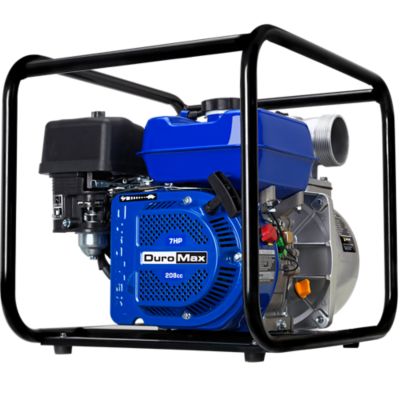
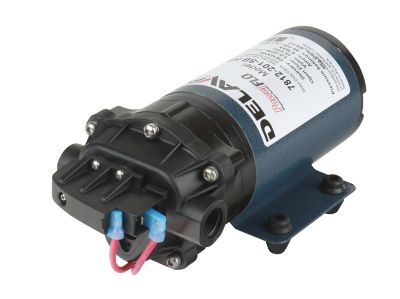
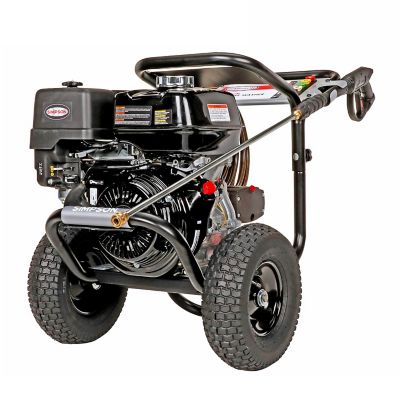
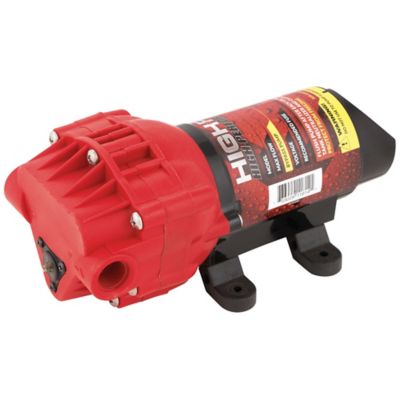
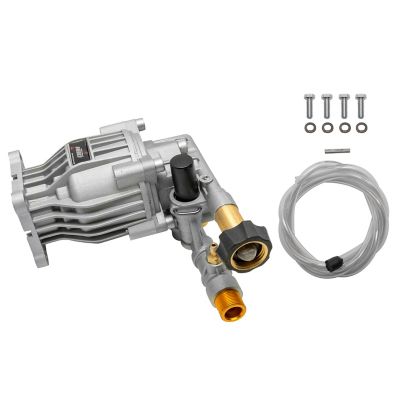
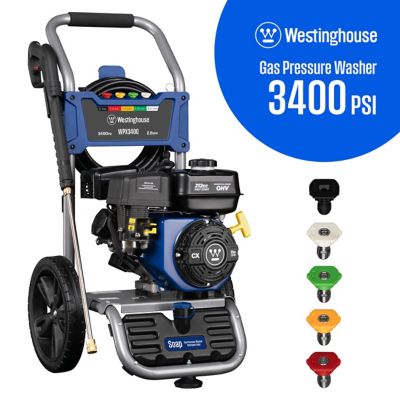
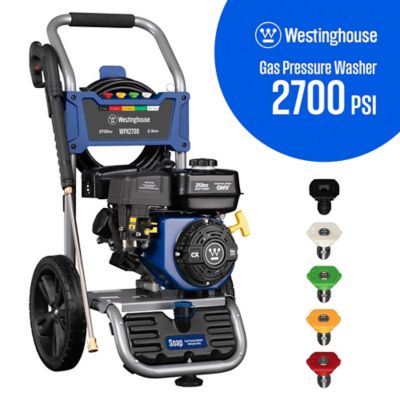
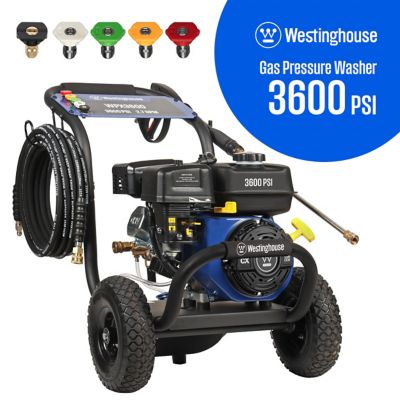
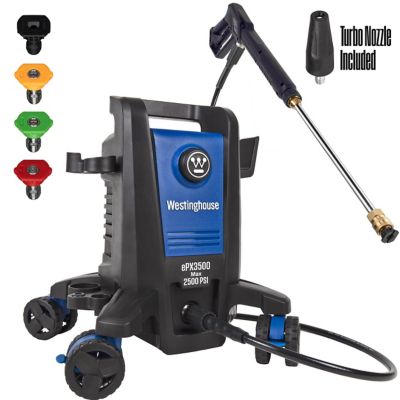
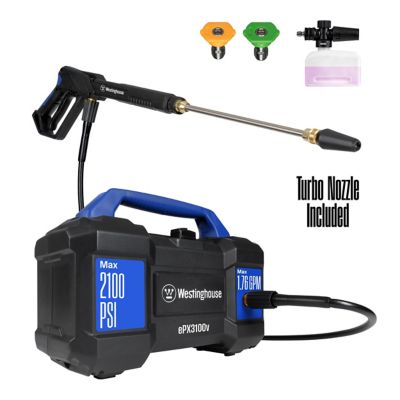
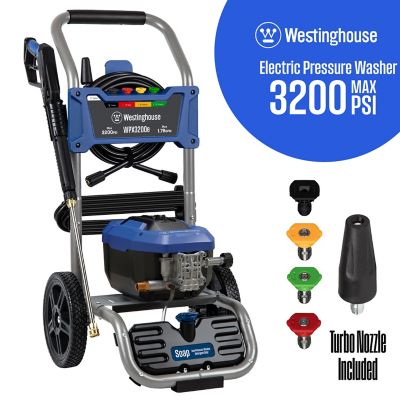
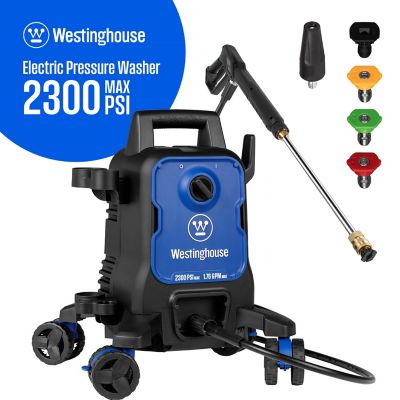
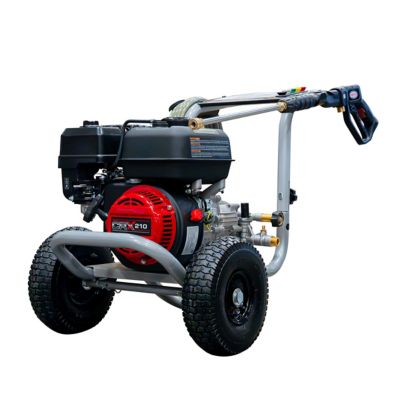
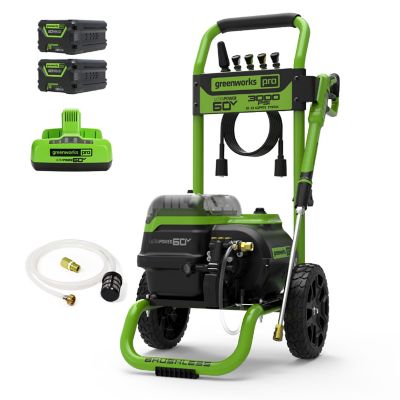
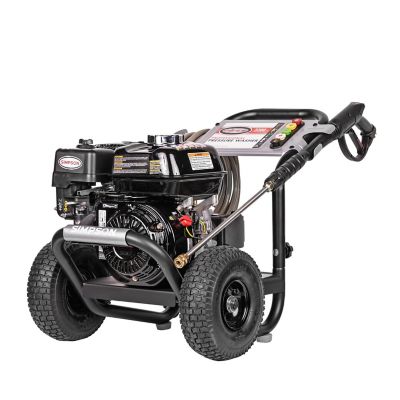
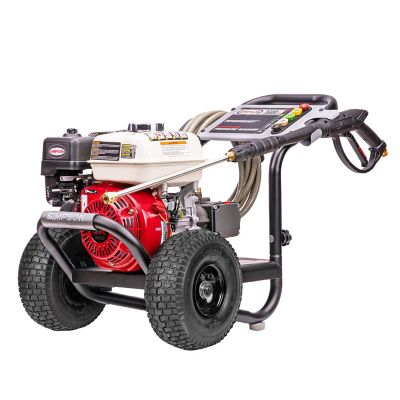
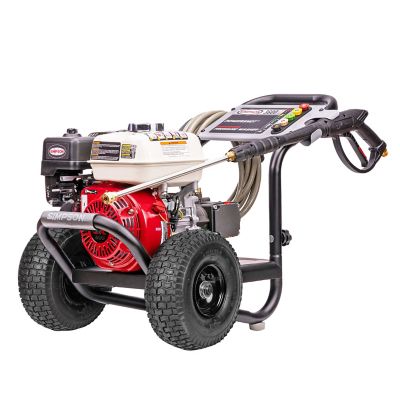
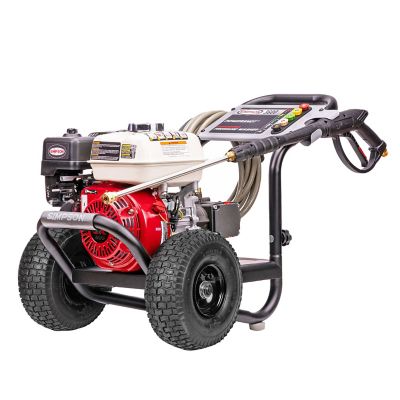
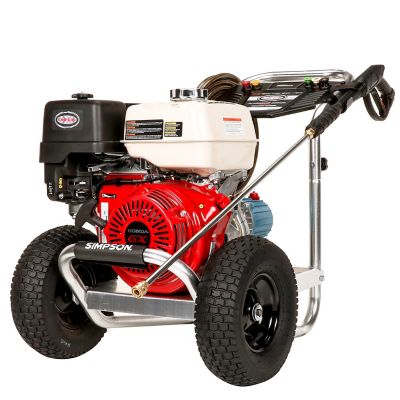
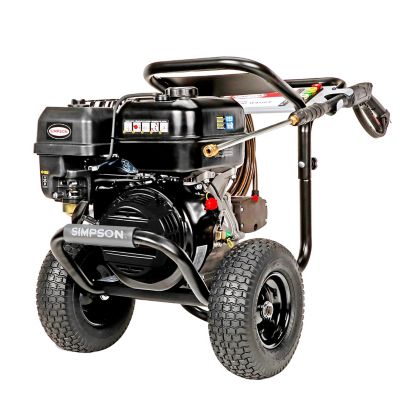
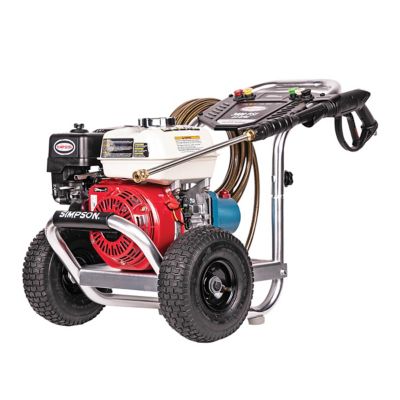
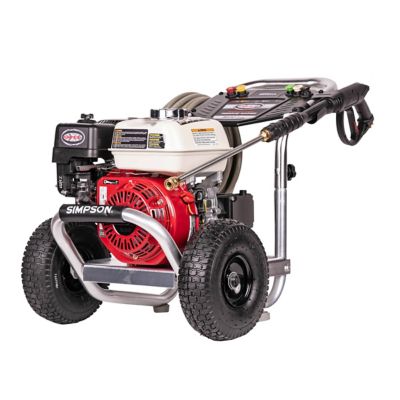
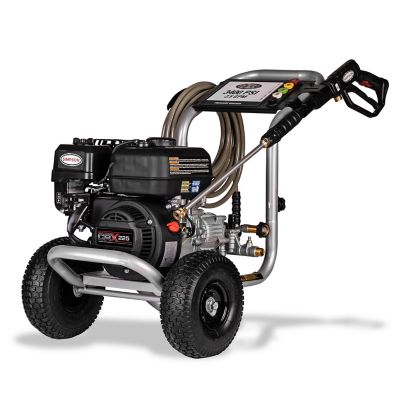
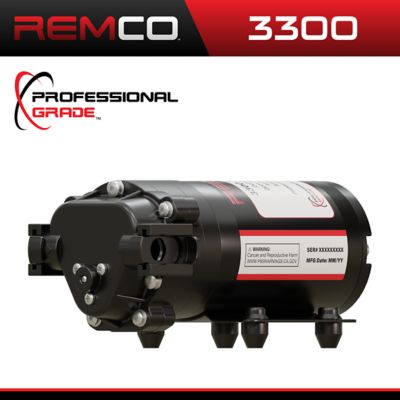
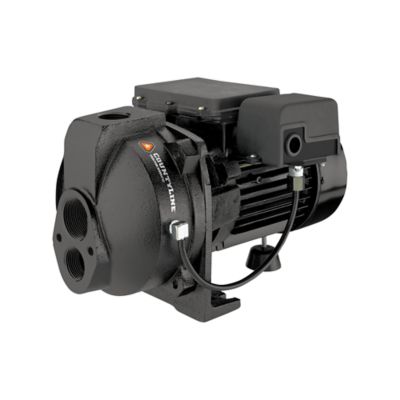
High pressure pumps are built to move liquid with force, making them useful anywhere ordinary water flow is not enough for the job. A pump may be used with a pressure washer, irrigation setup, wash-down system, hydraulic equipment or emergency water transfer, depending on its design and rated pressure. Unlike a pump chosen mainly for moving a large amount of water, a high pressure model is selected for the pressure it can create and hold while the liquid is traveling through a hose, nozzle, tool or other attachment. Pressure is measured in PSI, or pounds per square inch, and tells you how much force the liquid can deliver at the outlet. Flow is measured in GPM, or gallons per minute, and tells you how much liquid the pump can move over time. A pump with high PSI but low GPM may be a good fit for concentrated cleaning or hydraulic work, while a pump with greater GPM may be better suited to moving water across a property, filling tanks or supporting irrigation. Head lift is another important measurement. It describes how high the pump can push a column of liquid, and the available pressure can decrease as the lift, hose length, fittings and elevation changes add resistance. Before choosing a high pressure pump, match the rated PSI and GPM to the equipment it will power, then account for the actual distance and height of the job. A farm stand rinsing area, a livestock facility, a long gravel drive and a low-lying pond may all call for different pump characteristics, even when the work is generally described as water transfer or pressure washing.
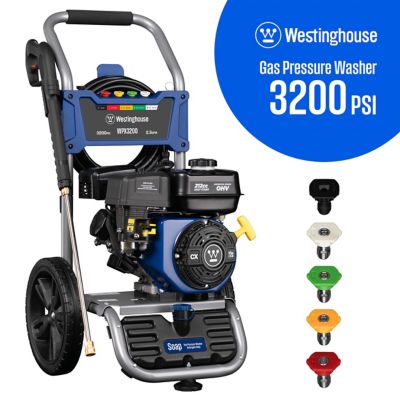
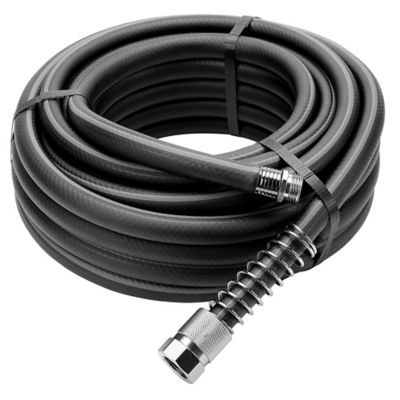
Several pump styles are commonly found in high pressure applications. Triplex plunger pumps use three plungers and are often selected for pressure washing, vehicle cleaning and other jobs that call for steady, forceful output. Their ceramic-coated pistons can provide wear resistance, while brass manifolds are valued for strength and corrosion resistance in many water-handling applications. Electric hydraulic pumps are made to generate very high pressure in a compact setup and may be used with hydraulic jacks, pipe benders, presses, cutters and other tools. These pumps should be matched carefully to the hydraulic fluid, pressure rating, reservoir requirements and connection style specified by the equipment manufacturer. Engine-driven water pumps can be a practical choice where electrical power is unavailable or the work takes place far from a building. Gas-powered models may support long-distance water transfer, agricultural chores, drainage and emergency response, with centrifugal and twin-impeller designs offering different combinations of flow, lift and pressure. Keep in mind that a water pump intended for clean or lightly dirty water is not automatically suitable for mud, sludge, chemicals or flammable liquids. Check the pump’s approved fluid type, maximum temperature, inlet size and particle tolerance before putting it to work. The right fittings matter just as much. A connection that is too small can restrict flow, create excess heat or strain the pump, while a loose fitting can allow air into the line and reduce performance. For pressure washing and similar setups, choose a hose that is rated for the full working pressure and temperature of the system; browse
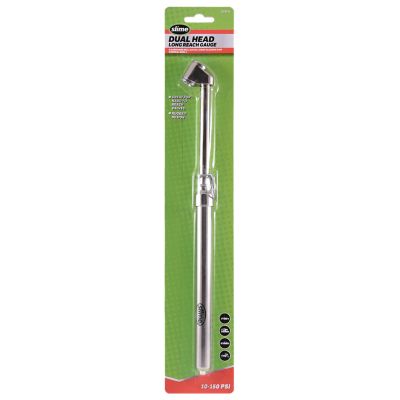
High Pressure Hoses to help complete a compatible setup. A pressure gauge, shutoff valve, strainer or unloader may also be useful, depending on how the pump will be operated and maintained.
For dependable service, place the pump on a stable, level surface and keep the intake supplied with the correct amount of liquid. Running a water pump dry can damage seals and other internal parts, while a blocked inlet can starve the pump and cause overheating or cavitation. Use a clean intake screen when the water source contains leaves, sand or bits of gravel, and inspect that screen often during chores around ponds, stock tanks and open irrigation ditches. With electric equipment, use a properly grounded power source and protect connections from standing water. Engine-driven pumps need fresh fuel, clean oil, good ventilation and a safe area away from dry grass, hay, barns and other combustible materials. High pressure liquid can cut skin, damage surfaces and drive debris through the air, so wear eye protection, sturdy footwear and work gloves, and never point a pressurized line at a person or animal. Before changing a fitting, clearing a blockage or servicing the pump, shut it down and release trapped pressure. As the weather warms, these pumps can help with equipment cleanup, dust control, garden watering and wash-down work around the property. During the cooler months, drain water from the pump, hose and accessories before a hard freeze, and follow the manufacturer’s storage directions for seals, fuel and hydraulic fluid. Keeping a simple record of pressure, flow, maintenance and unusual sounds can make problems easier to spot before a busy chore turns into a breakdown. Whether it is used by a homeowner caring for a long driveway, a grower moving water between fields, a rancher washing down equipment or a tradesperson powering hydraulic tools, a well-matched high pressure pump can bring steady force to the jobs that ordinary garden pumps cannot handle.