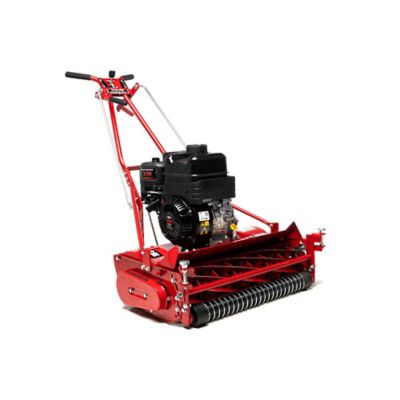
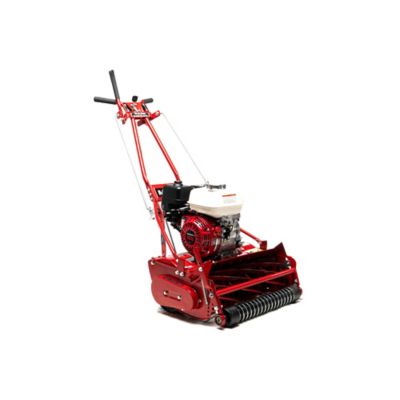
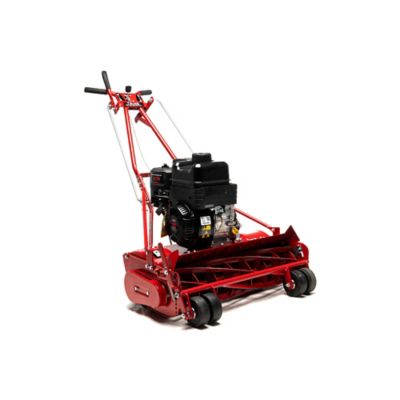
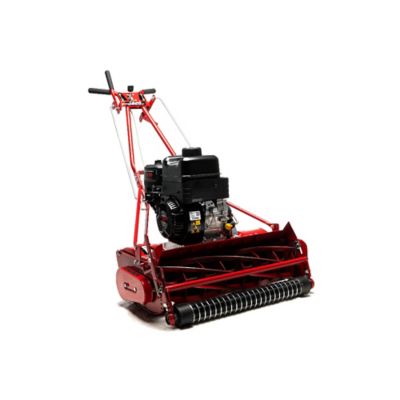
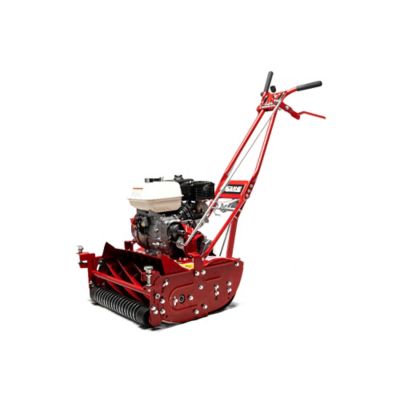
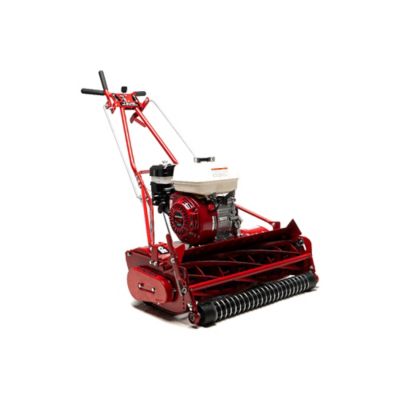
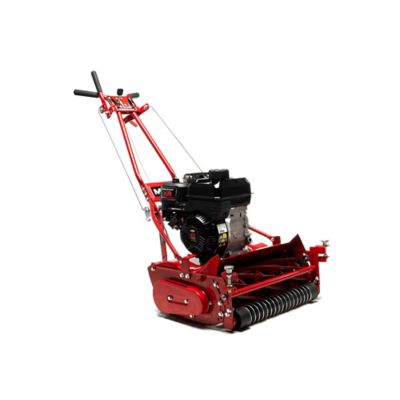
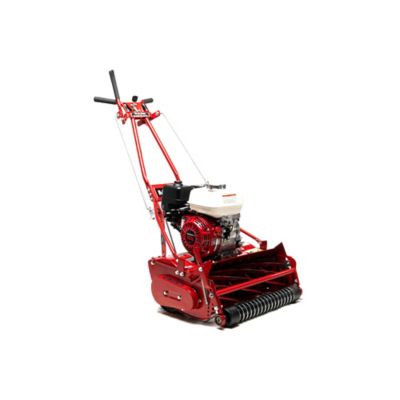
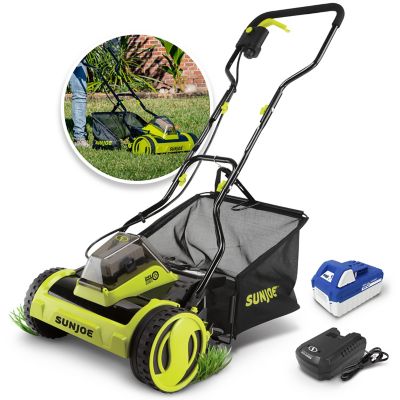
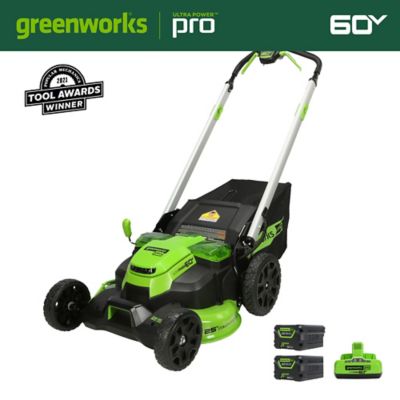
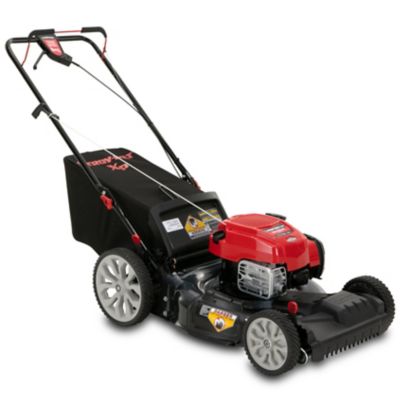
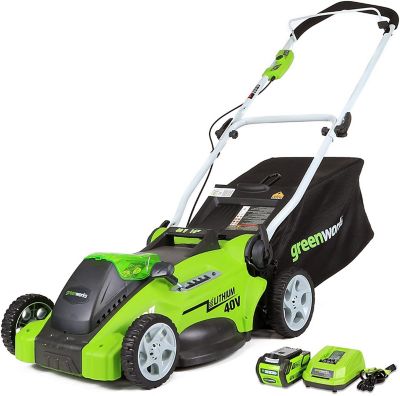
A motorized reel mower brings a close, even finish to grass with a powered cylinder of spiral-shaped blades that passes against a stationary bedknife. That blade-and-bedknife arrangement cuts with a scissor-like action, rather than the horizontal sweep of a rotary mower. Power typically comes from a gas engine or a battery-powered electric motor, with the particular design determining whether power also drives the wheels or traction roller. This distinction matters: a powered cutting reel and a self-propelled mower are not necessarily the same thing. Motorized reel mowers are especially well suited to regularly maintained lawns where a consistent cutting height and a tidy appearance matter. Think of the smooth stretch of grass beside a farmhouse porch, a carefully tended front lawn, or turf maintained for recreation. With sharp blades, proper adjustment, and a mowing height suited to the grass, the reel can leave a clean finish without ragged leaf tips. These machines generally work best when the grass stays within their recommended cutting range; they are not substitutes for equipment meant to tackle brush, woody growth, or neglected acreage. Tall weeds, fallen sticks, stones, and uneven ground can interfere with the cutting assembly or damage its edges. Lawn size alone does not determine whether a reel mower is a good fit, either. A modest yard with deep ruts and scattered gravel presents different demands than a larger, smooth lawn with clear mowing lanes. Grass type also matters, since turf varieties differ in the heights they tolerate and the amount of leaf growth that can be removed without stress. The appeal is a controlled, well-kept finish, but that result comes from matching the mower to the turf and keeping up with regular mowing. For someone who enjoys tending a lawn down to the details, a motorized reel mower offers more control over the appearance of grass around the house, along a walkway, or beside a gathering area.
The right fit starts with the relationship between cutting width, maneuverability, machine weight, and the space being mowed. A wider reel can cover open ground in fewer passes, while a narrower machine may be easier to turn between planting beds or move through a garden gate. The full machine width matters as much as the stated cutting width when there is a tight passage between a fence post and a shed. Storage space, loading height, and the route from the outbuilding to the lawn deserve consideration, too. A mower that feels manageable on level turf may be less convenient to lift over a threshold or move into a vehicle. Handle position, control placement, and turning effort all affect comfort, especially during longer mowing sessions. Where self-propelled operation is part of the design, travel speed needs to suit the operator’s walking pace and the lawn’s layout. Gas-powered and battery-powered reel mowers bring different ownership considerations: engines call for fuel management and engine maintenance, while battery operation involves charging, battery care, and enough running time for the intended mowing area. Actual running time and coverage depend on the machine, grass conditions, cutting height, and operating demands, so broad acreage assumptions can miss the mark. Cutting-height adjustment is another important detail, particularly for lawns maintained at a low height. The useful range should match the grass rather than simply offer the lowest setting. Reel blade count, reel speed, and forward travel speed work together to influence the spacing between cuts, which is why a larger blade count alone does not guarantee a better finish. Rollers can help support an even cut, and some designs leave visible stripes by bending grass in alternating directions. Grass catchers, where compatible, collect clippings for a neater surface, though they add another part to empty and store. The broader
Walk Mower category provides context for comparing walk-behind mowing equipment, with the lawn’s layout and desired finish helping define which cutting system makes sense.
Construction and upkeep play a big part in how a motorized reel mower performs over time. Steel cutting components need to hold their edges, while the frame, bearings, rollers, and adjustment hardware need to maintain the alignment that allows the reel and bedknife to work together. Material thickness alone tells only part of the story; sound assembly, protected components, and accessible service points also matter. A machine that allows straightforward cleaning and routine inspection is easier to keep ready for its next trip across the lawn. Reel-to-bedknife adjustment is particularly important, and the correct setting depends on the mower’s design. Excessive contact can create wear and strain, while an improper gap can leave grass uncut. Sharpening, backlapping where permitted, and professional reel grinding are different maintenance tasks, not interchangeable fixes for every cutting problem. Manufacturer instructions establish which procedures belong in routine owner care and which call for trained service. Grass buildup should not be left packed around the reel, catcher, or rollers, and cutting components need protection from moisture and corrosion during storage. Cleaning methods also matter around bearings, electrical connections, and battery compartments, where forceful water spray may cause trouble. Before clearing an obstruction or working near the blades, the machine needs to be shut down and isolated from its power source as directed by the manufacturer; the sharp reel deserves care even when the motor is off. Everyday operation benefits from a lawn free of loose objects and a mowing schedule that avoids removing too much grass at once. Wet clippings can collect on components and affect the finish, while rough patches and exposed roots demand attention before a close-cutting machine passes over them. For homeowners who take pride in neat turf, groundskeepers maintaining suitable spaces, or a family member who enjoys lawn work, the strongest match is a mower that fits both the property and the care routine. The reward is a crisp, even stretch of grass that looks well tended without asking the machine to do a job beyond its design.