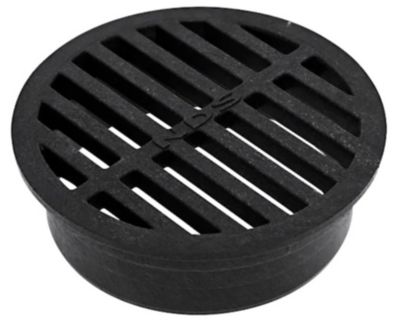
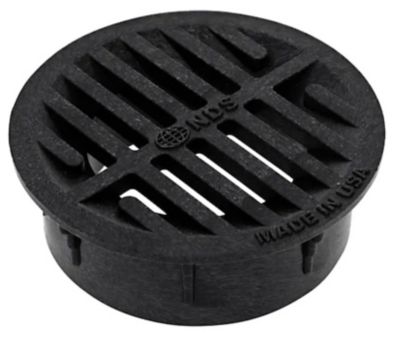
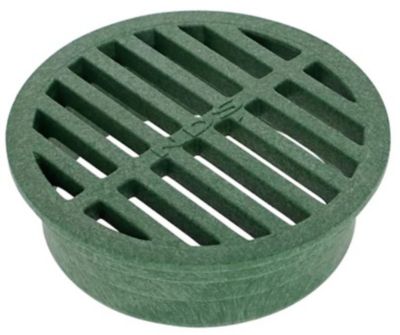
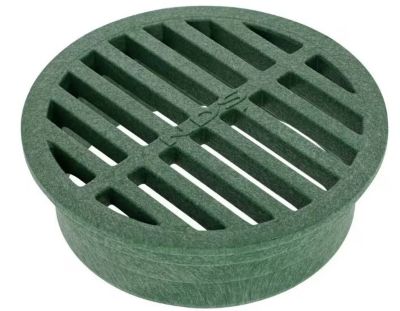
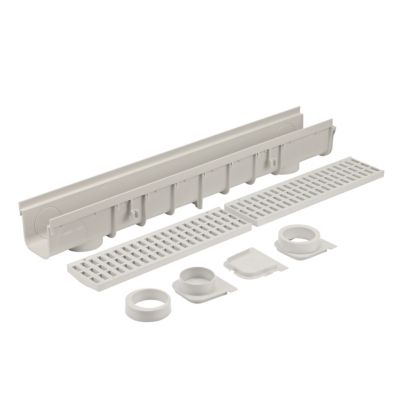
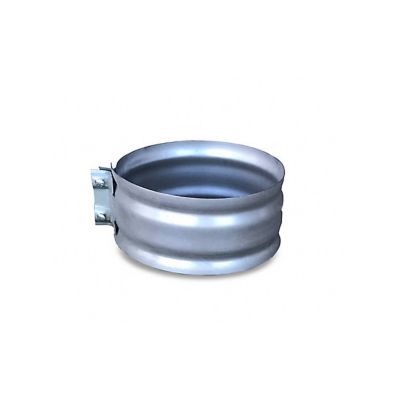
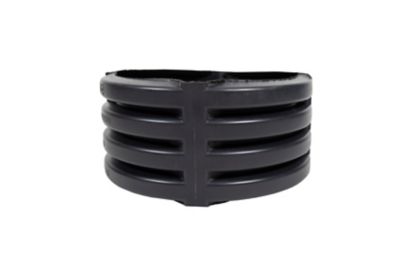
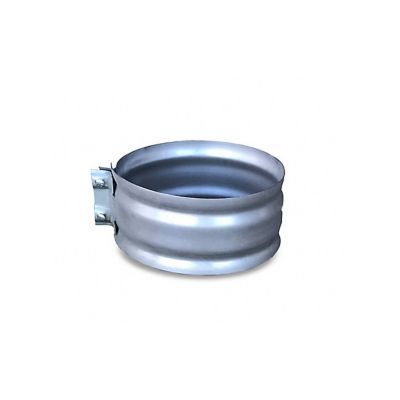
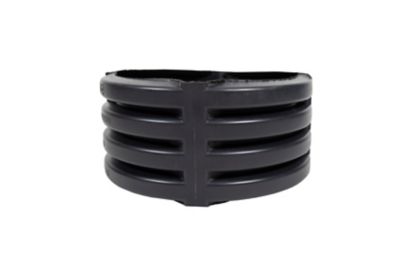
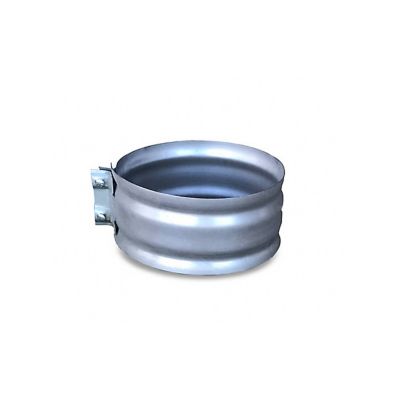
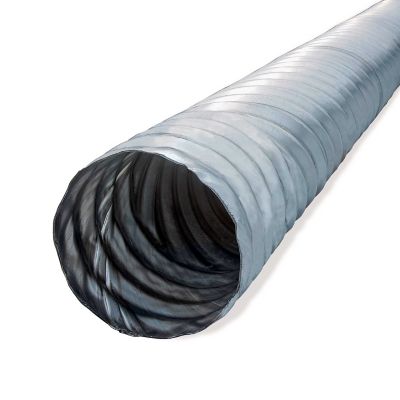
Plastic drainage grates are a practical way to help move rainwater and surface runoff away from lawns, gardens, driveways, patios, walkways, and other areas around the property. These lightweight covers sit over a drain opening, catch basin, pipe, or channel and let water pass through while helping keep leaves, grass clippings, mulch, gravel, and other debris from washing into the drainage line. They are especially handy around homes, barns, shops, livestock areas, garden beds, and outbuildings where standing water can turn a high-traffic spot into a muddy mess. A well-placed grate can help protect soil from washing away, reduce puddles near foundations and doorways, and keep water moving during heavy rain. Plastic is a popular choice because it will not rust when exposed to rain, damp soil, fertilizers, or ordinary lawn and garden chemicals. Many grates are made from durable outdoor plastics designed to handle sun and changing weather, and their light weight makes them easier to carry, position, replace, or clean than many metal alternatives. For a closer look at available styles and sizing, visit our
Drain Grate selection. Plastic drainage grates may be useful for a homeowner repairing an older drain, a gardener improving runoff around raised beds, a landlord maintaining rental property, or a farmer keeping water moving around a shop, equipment shed, or livestock facility. They can also make a thoughtful, practical gift for someone settling into a new home, building a workshop, or taking on a landscaping project. Rather than adding another decorative item to the garage, a properly sized grate helps solve a real problem that shows up whenever the ground is saturated and water starts looking for a place to go.
Start by looking at where the grate will be installed and how water reaches that area. Flat round or square grates are often suited to level lawns, patios, sidewalks, and other surfaces where the cover needs to sit close to grade. They provide a relatively low-profile finish and can help collect light to moderate runoff without becoming an obstacle for feet, mower wheels, or carts. Raised or atrium-style grates have a domed profile that can be useful in mulched planting beds, window wells, swales, and low spots where leaves or loose material might otherwise settle directly over a flat opening. The raised shape helps leave room for water to enter even when nearby soil, mulch, or yard debris builds up. For broad areas that shed a lot of water, a long trench or channel grate can collect runoff across a wider span. These are commonly considered for driveways, garage entrances, pool decks, sidewalks, concrete pads, and other hard surfaces where water runs in a sheet instead of gathering at one small point. Before ordering, measure the opening itself along with the pipe, catch basin, or channel it connects to. Check both length and width for rectangular openings, or the diameter for round openings, and pay attention to whether the grate is meant to fit inside an opening, over an opening, or into a specific frame. A cover that looks close in size may not seat securely if its outside dimensions, inside dimensions, or mounting points do not match. It also helps to note the surrounding surface: soil and mulch allow a little more flexibility, while concrete, pavers, and finished walkways usually call for a precise fit and a stable installation.
Think about the kind of traffic and weather the grate will see before choosing a style. A drain in a flower bed may only need to handle rainwater, leaves, and occasional foot traffic, while a grate at the edge of a driveway may be exposed to rolling tires, hand trucks, wheelbarrows, or equipment. Areas where people walk should have a cover that sits securely and does not create a tripping edge. Heel-safe or narrow-slot designs can be a smart choice near porches, paths, pool areas, and public-facing spaces, especially where boots, children’s shoes, or narrow wheels may cross the opening. For a farm or homestead, consider the types of debris that commonly travel across the ground. Pine needles, straw, livestock bedding, soil, and leaves can collect quickly, so a grate that is easy to lift and rinse may save time during routine cleanup. Plastic grates are simple to handle when clearing a clogged opening, though the drain below should still be inspected from time to time to make sure sediment has not built up. During warmer, stormier weather, check low spots after a heavy rain and clear debris before it becomes packed in place. During cooler months, fallen leaves and seasonal yard cleanup can put an added load on drainage systems. In freezing areas, avoid forcing a grate that has become stuck in ice, and make sure the surrounding soil or paving has not shifted and lifted the cover. Proper installation matters as much as the grate itself: the frame or drain opening should be supported, the top should generally sit level with the surrounding surface, and any fasteners should be used as directed when a secure, screw-down fit is needed. With the right style, measurements, and placement, plastic drainage grates offer a dependable, rust-resistant way to manage everyday runoff and keep the places around your home, farm, or shop drier and easier to maintain.