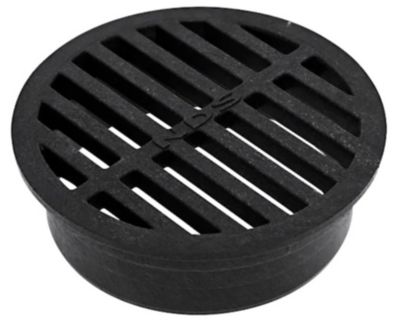
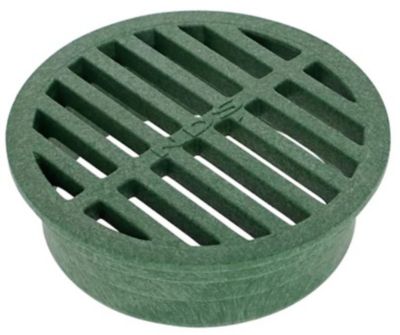
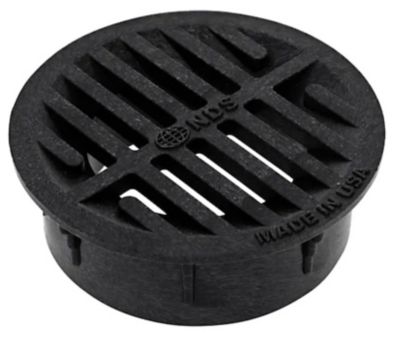
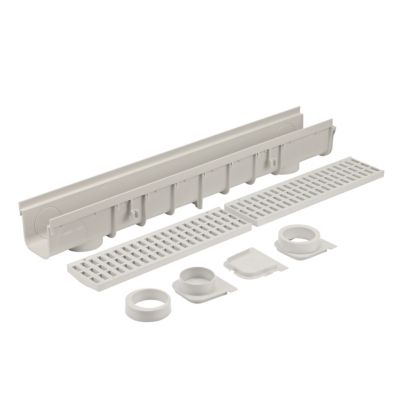
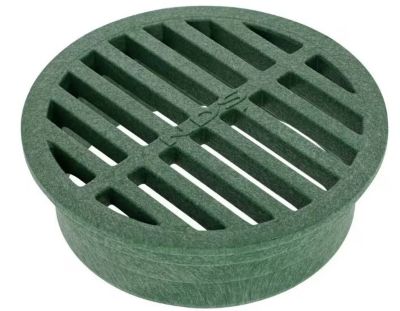
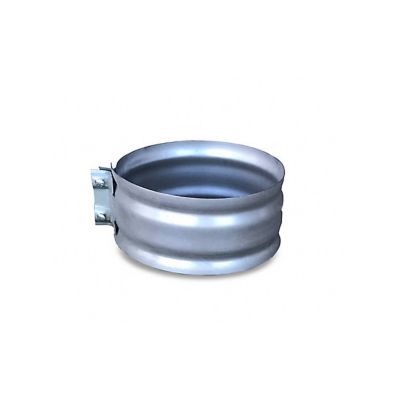
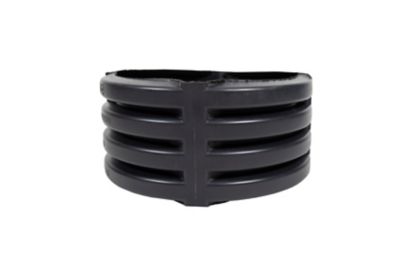
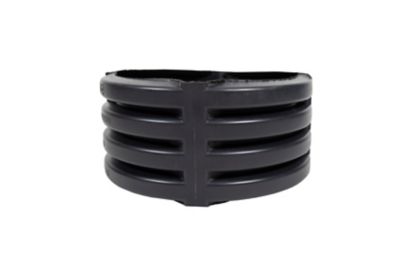
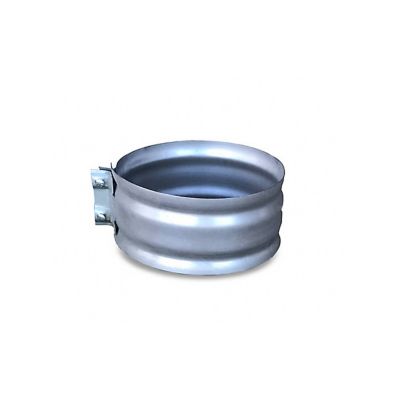
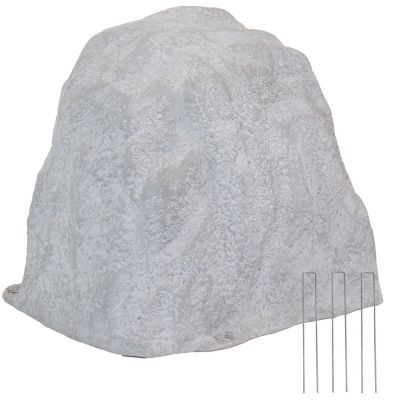
A drain grate is the protective cover that sits over a drain opening, catch basin, channel, or underground drainage pipe. It lets rainwater and runoff pass through while helping keep leaves, mulch, gravel, sticks, toys, and other larger debris from dropping into the drainage system. You’ll find drain grates in all sorts of places around a property, including driveways, walkways, patios, barn approaches, lawns, garden beds, parking areas, and low spots where water tends to collect. On a rural property, a properly covered drain can make a big difference after a hard rain, helping move water away from a foundation, livestock area, shed, or gravel drive before it turns into standing water and deep ruts. The right grate depends first on the opening it needs to cover. Round grates are generally made to fit circular drain pipes or smaller catch basins, while square and rectangular grates are commonly paired with larger basins or junction boxes that collect more water. Trench and channel grates are long and narrow, making them useful for catching sheet runoff across a driveway, along a garage threshold, beside a patio, or near a pool deck. An atrium, or dome-style, grate has a raised shape that helps keep leaves and landscaping material away from the openings. That design can be especially handy in a lawn or mulch bed where flat grates may get covered during leaf fall or after fresh landscaping work. Before choosing a drain grate, measure the opening carefully and check whether the grate is intended to sit on a catch basin, connect to a pipe, or fit into a channel system. A measurement taken from the outside edge instead of the inside opening can lead to a poor fit, so it helps to note the opening width, length, diameter, and any frame or lip that supports the cover. If you are replacing an older grate, bring along its measurements and inspect the surrounding frame for cracks, shifting soil, or damage. A new cover cannot correct a sunken basin or a drainage line that is blocked farther underground.
Material and load rating matter just as much as size. Plastic and polyethylene grates are lightweight, rust-resistant, and often a practical choice for lawn areas, garden paths, patios, and places limited to foot traffic. They are easier to handle when cleaning out a basin and won’t develop the same type of corrosion associated with some metal covers. Heavy-duty cast iron or ductile iron grates are better suited to locations where vehicles, tractors, trailers, or other equipment may pass over the drainage opening. A driveway beside a shop may see very different weight and traffic than a walkway beside the house, even when both drains look similar. Check the stated load rating and intended use instead of assuming that a grate will support a vehicle simply because it appears sturdy. Stainless steel and brass options are often selected for corrosion resistance and a more finished appearance in patios, entryways, decorative landscaping, or indoor drainage applications. In areas exposed to fertilizer, road salt, animal waste, or frequent moisture, choosing a material that stands up to the surroundings can help the grate keep its appearance and function over time. Drain grates are useful for homeowners, farmers, landscapers, contractors, property managers, and anyone caring for a place where rainwater needs a clear path. They can also be a thoughtful practical gift for someone building a new home, improving a workshop, restoring an old farmstead, or tackling a muddy area around a garage. For a drainage project, start by looking at how water moves across the ground. A grate placed at the lowest point, at the bottom of a slope, or where two hard surfaces meet can collect runoff more effectively than one installed where water rarely reaches it. The surrounding grade should direct water toward the opening without leaving a sharp dip that creates a trip hazard. Around a barn or equipment shed, allow enough room for safe movement and keep the grate flush with the finished surface. Around a yard drain, make sure mower wheels, carts, and foot traffic can pass without catching an edge. If the drain connects to a larger stormwater system, confirm that the pipe size, basin capacity, and outlet can handle the amount of water your property receives.
A drain grate works best when it is treated as part of the whole drainage system rather than as a stand-alone cover. During the cooler months, wind can carry a surprising amount of leaves onto a driveway or across a pasture lane, and a few storms may pack that material tightly over a grate. Sweep or lift debris away before it builds up, taking care not to push leaves and dirt through the openings. Check the grate after heavy rain for standing water, unusual settling, broken edges, or signs that the basin is filling slowly. A removable cover makes routine inspection easier, especially near trees, gravel drives, and planting beds. Keep loose mulch, soil, and decorative stone from covering the openings, and trim back plants that spread across the drainage area. In a yard or garden, an atrium-style cover can help reduce clogging where leaves are a regular problem, but it still needs occasional cleaning. In driveways and areas used by trucks or farm equipment, inspect the frame and surrounding concrete or gravel for movement that could leave the grate unsupported. Never place a lightweight pedestrian grate in a travel lane, and never use a cover that rocks, sits above the surface, or leaves an exposed gap around the edge. If the drain is near children, pets, or livestock, a secure, properly fitted cover is especially important. You can browse
Yard Drain Covers when comparing options for lawns, landscaped areas, walkways, and other outdoor drainage points. With the opening measured, the traffic level understood, and the local conditions in mind, it becomes much easier to choose a drain grate that fits neatly, handles the expected load, and helps keep runoff moving when the ground is wet and the weather turns rough.