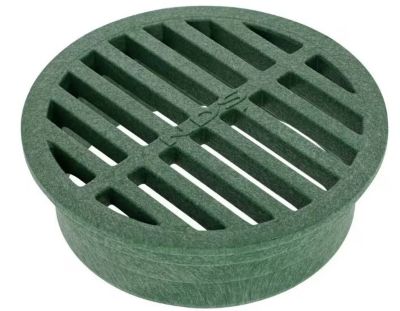
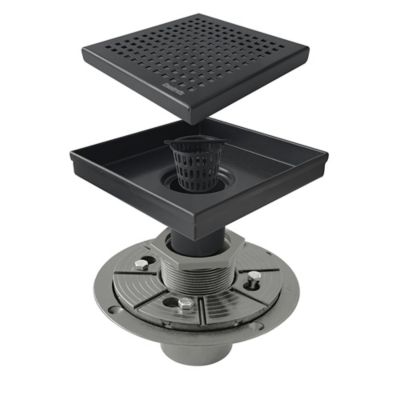
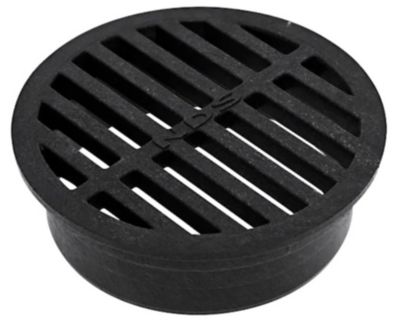
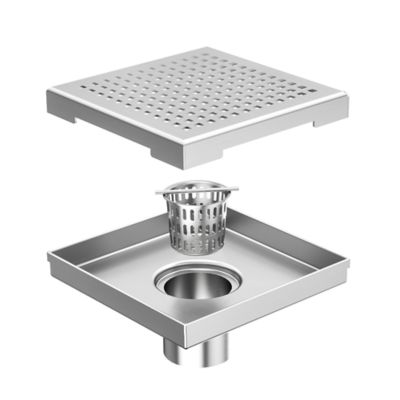
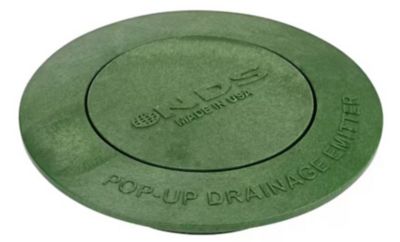
Six inch drain covers help finish a drainage setup while keeping leaves, gravel, mulch, and other debris from collecting in the pipe below. They are commonly used on lawns, garden beds, walkways, patios, driveways, livestock areas, and other places where surface water needs a clear path away from buildings or low spots. A cover may sit over a catch basin, sewer pipe, corrugated drain pipe, or similar connection, so the first step is checking the opening and connection type rather than relying on the outside measurement alone. In many cases, “6 inch” refers to the nominal pipe or fitting size, and the actual inside or outside dimensions can vary by drainage system. Measure the opening, check whether the cover needs to drop in, snap on, or attach with screws, and look for a matching shape. Round covers are often used with round pipe and risers, while square grates can provide a finished look over a square basin or surface drain. For a farm lane, garden path, or low spot beside a shed, a properly matched cover can make the drainage area look tidy and help prevent a boot heel, mower wheel, or bicycle tire from catching in an open pipe. Before choosing, consider where water is coming from, how much runoff the area receives, and whether the cover will be walked or driven over. A cover intended for light-duty lawn drainage should not automatically be used in a driveway or work area with vehicle traffic. Read the load rating and installation instructions, and make sure the supporting basin or pipe is strong enough for the same conditions.
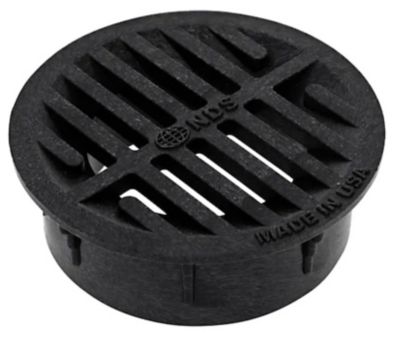
Material makes a difference in how a 6 inch drain cover handles weather, foot traffic, and everyday wear. Plastic grates are a practical choice for many outdoor drainage jobs because they are light, easy to handle, and generally resist rust. Look for outdoor-rated plastic that can stand up to sunlight and changing temperatures, especially when the drain is in an exposed spot beside a fence, barn, porch, or garden. Many outdoor grates use narrow, heel-proof openings that help keep walking surfaces safer while still allowing water to pass through; however, the spacing and load rating should always match the location. Metal covers, including cast iron, stainless steel, brass, or nickel-finished options, may be better suited to indoor utility areas, garages, commercial floors, kitchens, restrooms, and other places where a more substantial finish or added resistance to heavy traffic is needed. Some metal drain covers use screws or hinged hardware to help hold them in place and discourage tampering. A secure cover is especially useful around a busy shop, kennel, wash area, or public-facing space where the grate may be stepped on repeatedly. Surface style matters, too. A grate with a simple pattern can blend into concrete or pavers, while a more decorative finish may suit a porch, courtyard, or entryway. When comparing options, check the listed flow rate if one is provided. Standard six-inch outdoor grates may handle roughly 28 to 32 gallons per minute under suitable conditions, but actual drainage depends on the pipe, slope, basin size, grate openings, and how much dirt or plant material has collected around it. More open designs can move water quickly but may let in larger debris, while smaller openings offer a little more protection from leaves and stones.
Installation and upkeep are just as important as selecting the cover itself. Set the drain at a sensible low point, maintain enough slope for water to move away, and surround the basin or pipe with compacted material so the cover does not settle, tilt, or sit above the surrounding surface. For a lawn or garden, the grate should generally be level with the finished ground so a mower can pass nearby and water can reach the openings without creating a trip hazard. Around a patio or walkway, keep the cover flush with the surface and avoid leaving loose gravel or paver edges around it. In an area that sees heavy rain, washing, or runoff from a roof, use a basin and pipe arrangement sized for the amount of water rather than expecting the grate alone to solve a drainage problem. During warmer weather, grass clippings, soil, and mulch can build up quickly around the openings. As the weather cools and leaves begin to fall, clearing the top and checking the inside of the basin can help keep water moving before wet weather settles in. A stiff brush, gloved hand, or garden hose is often enough for routine cleaning, while a blocked underground line may need a drain snake or professional service. Inspect plastic for cracking after hard freezes or impacts, and check metal covers for loose screws, corrosion, or sharp edges. Homeowners, gardeners, property managers, contractors, and small farm operators can all find a use for this size of drain cover, whether they are finishing a new drainage run or replacing a missing grate beside an old outbuilding. Browse the broader
Drain Grate selection to compare shapes, materials, connection styles, and duty ratings before choosing a cover that fits the opening and the job.