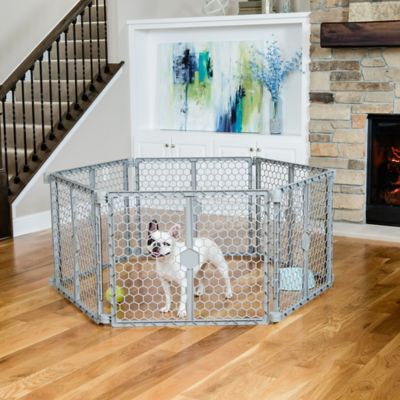
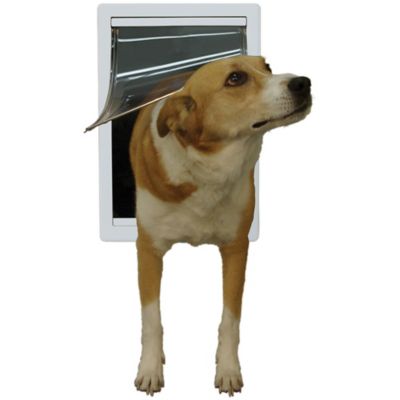
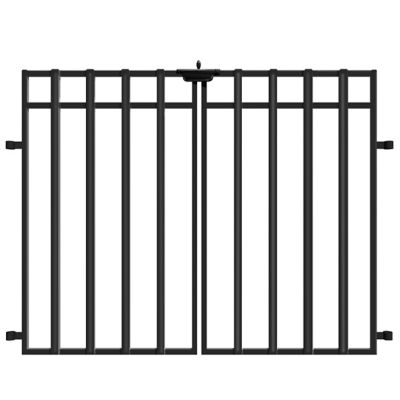
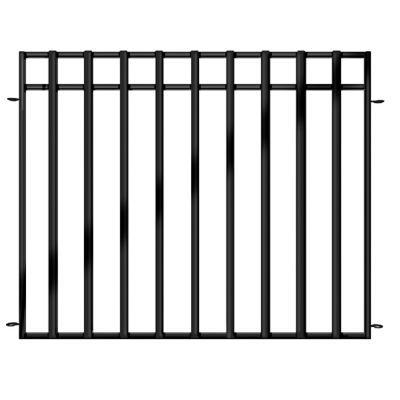
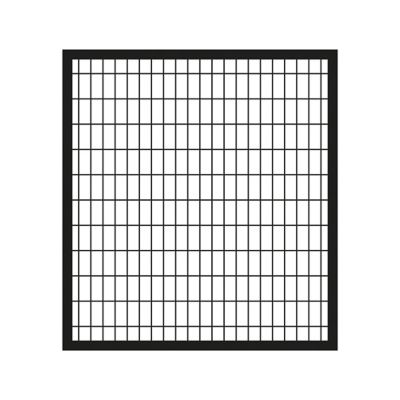
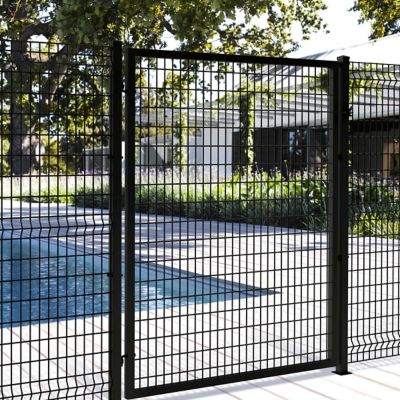
Plastic gates are barriers made with molded plastic, vinyl or other polymer materials to control access through doorways, hallways, fence openings and other passages. The category covers everything from lightweight indoor pet gates to outdoor yard gates with reinforced frames, so the intended setting matters as much as the material. Inside a farmhouse, a plastic pet gate can help keep muddy paws in the entryway while boots come off and towels come out. In another home, a child safety gate may help separate a play area from a room that needs to stay off limits. Those jobs call for different safety features: a pet barrier is not a substitute for a gate specifically designed and labeled for children. Outdoor plastic gates serve a different purpose, providing a working entrance through a fence around a yard, garden or other enclosed space. Vinyl, commonly made from polyvinyl chloride, or PVC, is one type of plastic found in outdoor fencing. High-density polyethylene, or HDPE, is another material that may appear in gate panels, with performance depending on its formulation, thickness and construction. Plastic surfaces do not rust like exposed steel, but a finished gate can still have metal hinges, latches, fasteners or internal supports that need attention. The appeal often comes down to manageable weight, surfaces that wipe clean and styles that work with everyday surroundings. Open-grid panels let people see through the barrier, while solid panels provide more screening. Neither style tells the whole story about strength or suitability. Frame design, panel spacing, latch placement and mounting method all help determine whether a gate fits the job. For households with children, pets or both, the best match starts with the gate’s stated purpose rather than its appearance alone. A low barrier that suits a small, calm pet may do little to stop an athletic jumper, and plastic panels are not the right answer for every animal that chews, pushes or paws at a boundary.
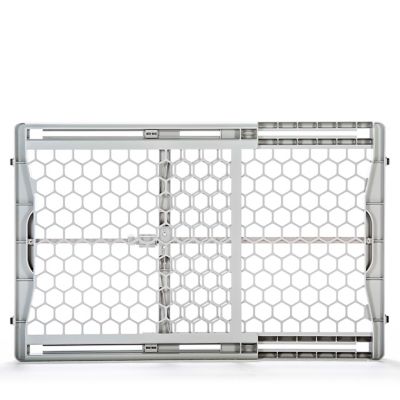
Indoor plastic gates need to fit both the opening and the way a household moves through it. The listed width range should account for the complete installation, including any manufacturer-approved extensions, rather than just the center panel. Baseboards, uneven trim and door hardware can affect how a gate sits, even when the doorway measurement looks straightforward. Height matters, too, along with the size of openings in the panel and the clearance below it. For pet households, those details help determine whether an animal could slip through, squeeze underneath or find a foothold. Pressure-mounted gates brace against the sides of an opening and can suit some level-floor locations when the manufacturer permits that use. Hardware-mounted gates attach with fasteners to suitable supporting surfaces and offer a different installation approach. At the top of stairs, a child safety gate must be specifically approved for that location and hardware-mounted according to its instructions; a pressure-mounted barrier is not an appropriate substitute. Child gates also have stated age and use limits, and a child who can climb over or operate the gate has outgrown its protection. For everyday access, a walk-through opening can make trips between rooms easier when someone is carrying a laundry basket or bringing in groceries. Threshold bars may present a trip hazard, while swing direction and opening width affect passage through a narrow hall. A latch should engage fully without forcing the panel into place, and any closing feature needs regular checks rather than assumptions. Smooth plastic surfaces are handy around pet hair, splashed water and tracked-in dirt, though hinges, seams and grid openings still collect grime. Cleaning should follow the manufacturer’s directions, typically with a soft cloth and a suitable mild cleaner. Scratches, cracked joints, loose fittings and tooth marks deserve a closer look because damage can change how well the barrier holds. A gate helps manage a space, but it does not replace supervision, training or a safe room layout.
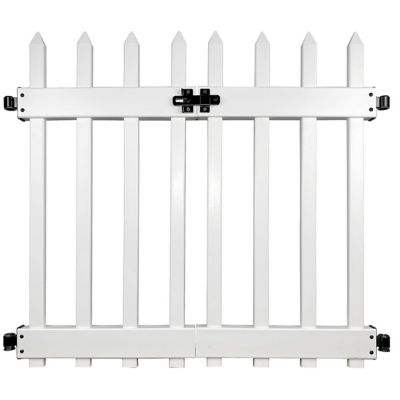
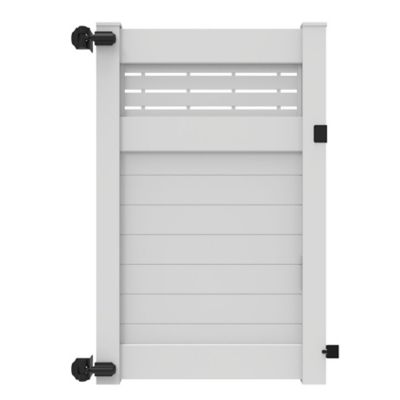
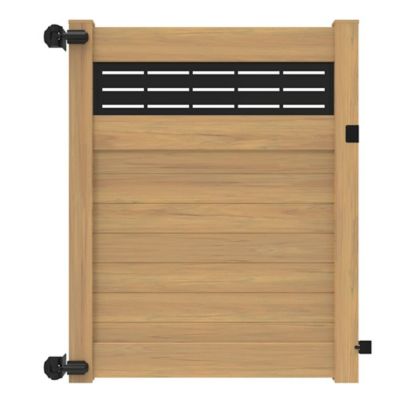
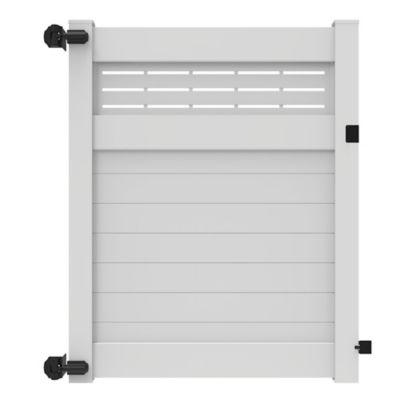
Outdoor plastic gates need to work as part of the whole fence, not simply fill a gap between two posts. The opening width, gate height, post strength and hinge arrangement all affect how smoothly the entrance operates. A narrow garden entrance might only need room for a person carrying a bucket, while a working backyard passage may need clearance for a wheelbarrow, mower or loaded garden cart. Swing space matters on both sides, especially where a gravel path slopes, grass grows thick or leaves collect along the bottom edge. Posts need appropriate support for the soil and gate design, and hinges and latches must suit the weight and construction of the assembly. Some vinyl gates include reinforcement to help support the frame; the presence and type of that reinforcement should be confirmed in the specifications. Solid panels offer screening, but they also catch more wind than open pickets, making proper posts, hardware and installation especially important in exposed yards. For fence openings where screening is the main goal,
Vinyl Privacy Gates are a related gate category to consider alongside the surrounding fence’s height and panel style. Outdoor-rated materials are essential because an indoor plastic barrier is not automatically suited to sunlight, rain or freezing temperatures. Sun exposure can affect color and material strength over time, and temperature changes can cause plastic components to expand or contract. Some plastics also become more brittle in cold conditions, so outdoor ratings and climate guidance matter during the cooler months. Routine care often involves rinsing away dirt, clearing debris from the swing path and checking hardware for loosening or corrosion. Plastic panels do not develop wood rot, but that does not make the entire gate maintenance-free. A gate that starts dragging or stops latching cleanly may need attention to its posts, hinges or alignment. Around animals, intended use remains the deciding factor: a residential vinyl yard gate should not be assumed suitable for livestock containment or a determined escape artist. Matching the gate to the fence, the traffic through the opening and the pressure it will face helps keep an everyday entrance working as it should.