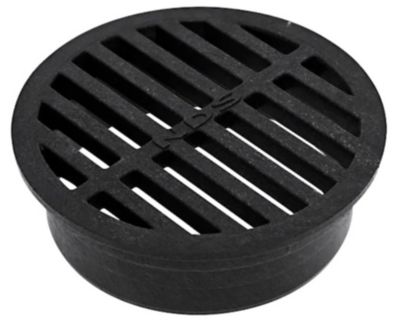
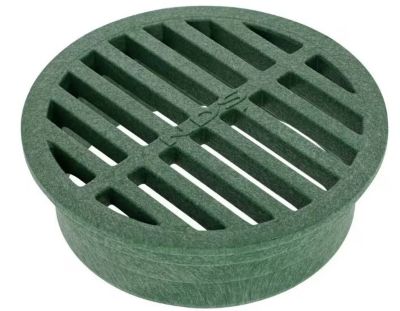
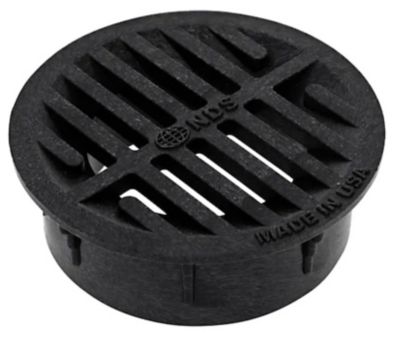
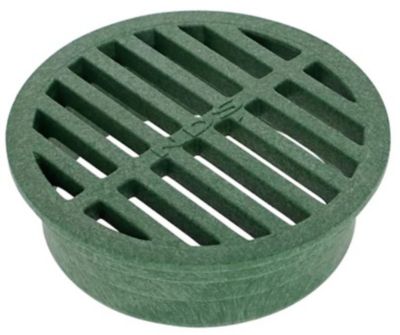
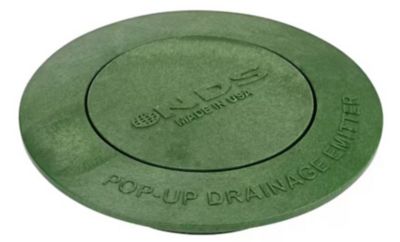
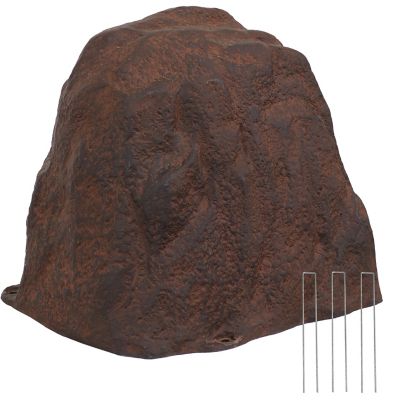
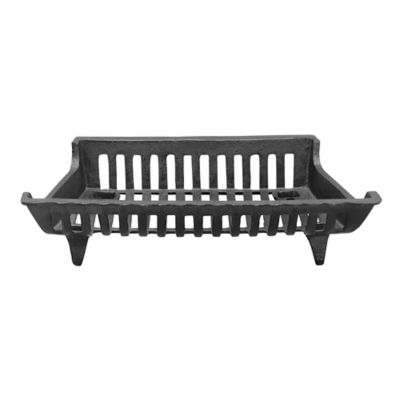
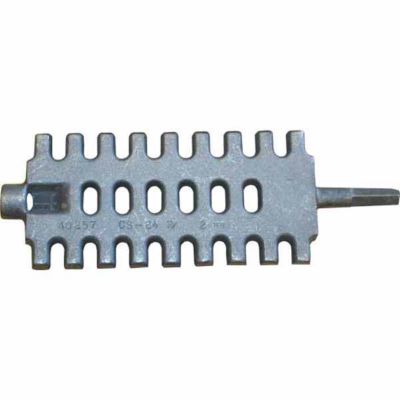
Yard drain covers help keep outdoor drainage systems working when runoff, leaves and everyday yard debris start moving across the ground. A properly fitted grate sits over a drain opening, letting rainwater and wash water pass through while helping block larger bits such as leaves, twigs, mulch, gravel and grass clippings. That simple barrier can make a big difference around a home, barn, shop, kennel, garden path or low spot in the yard. Without a cover, an open drain can collect debris quickly, become difficult to see in tall grass or dim light, and create a tripping or fall hazard for people, pets and livestock. A cover also gives the finished area a cleaner look, whether the drain is set into a concrete pad, gravel drive, paver walkway, patio or landscaped bed. When choosing a yard drain cover, start by measuring the existing opening, pipe fitting or drain box carefully. Check the inside and outside dimensions, the shape of the opening and how the grate is meant to rest or attach. Round, square and rectangular styles are common, but even two covers with the same general shape may not be interchangeable. Look for a close fit that stays level with the surrounding surface and does not leave wide gaps around the edges. A cover that is too small may shift underfoot, while one that is too large may not sit securely or allow the drainage assembly to work as intended. It also helps to compare the grate’s slot pattern and open area. Narrower slots can catch more leaves and larger debris, while wider openings may allow water to move faster during a hard downpour. The right balance depends on the location, the amount of runoff and the type of material likely to wash toward the drain. In a tree-lined yard, for example, a design that resists leaves and seed pods may save plenty of clearing later. Around a gravel drive, a grate that helps hold back loose stone can keep the drain from filling as quickly. For more drainage-related options and sizing information, browse the
Drain Grate selection.
Material and traffic rating are especially important when a drain cover will be used outdoors. Lightweight plastic or high-density polyethylene grates are often a practical choice for yards, patios, walkways and other areas used mainly by people, bicycles, lawn equipment or pets. They are easy to handle during installation and can be a good fit where a rigid, corrosion-resistant cover is needed without adding much weight. For outdoor use, look for plastic made with UV inhibitors or other protection against sun exposure. Constant sunlight can make some plastics brittle over time, particularly in an exposed driveway or open pasture setting. Composite covers offer another option, combining a relatively manageable weight with a sturdy feel and resistance to common yard conditions. In driveways, garage approaches, concrete floors and other places where vehicles or heavier equipment will pass, a heavy-duty metal grate may be more appropriate. Cast iron covers are built for demanding use, but the correct load class still matters. A pedestrian-rated cover should not be placed where a pickup, tractor, trailer or other vehicle will cross. Check the manufacturer’s rating for foot traffic, bicycles, passenger vehicles or heavier loads, and consider occasional traffic rather than only everyday use. A quiet farm lane may see only boots most days, then carry a loaded feed cart or utility trailer during a busy weekend. Choosing for the heaviest expected load helps prevent bending, cracking or a cover that rocks out of place. Finish and color can matter as well. Black, gray, green, sand and other neutral shades may blend into landscaping, concrete or gravel, while a visible contrast can make the drain easier to spot around a walkway. For any location near animals or children, choose a cover with openings small enough to reduce the chance of a paw, hoof, toy or shoe becoming caught. Keep the grate flush with the surrounding surface, and avoid raised edges that can snag feet, mower wheels or cart tires. A secure, level cover is useful in every season, especially as wet leaves build up during the cooler months and freeze-thaw cycles can shift soil around a drain.
Installation depends on the drain assembly and the surface around it. Some yard drain covers are designed to fit directly into a compatible drain box, channel, pipe fitting or frame, while heavier styles may need a solid base, fasteners or mortar to remain level and secure. Before setting a cover in place, clear away dirt, roots, old mortar and loose stone so the frame can sit evenly. The surrounding ground should slope toward the drain enough to guide runoff without creating a puddle beside the grate. In a landscaped area, keep mulch, soil and decorative stone below the top of the cover so they do not wash over it during heavy rain. A drain that looks clear at the end of a dry spell can fill quickly once leaves start falling, so regular inspection is part of keeping the system useful. Lift the cover only when it is safe to do so, remove accumulated debris, and check for cracks, rust, shifted frames or blocked pipe openings. Use care around deep catch basins and never reach into an unfamiliar drain without knowing its depth and condition. For a farm, rural property or home with lots of trees, a quick walk after strong weather can catch problems before water backs up toward a foundation, shed, driveway or animal area. Yard drain covers can also be a practical gift for a new homeowner, someone improving a garden or patio, or a neighbor preparing a muddy property for wetter weather. They are the kind of useful improvement that may not draw attention when working properly, yet makes a noticeable difference when rain is running across the yard. Choose the shape, dimensions, material, load rating and slot design for the location, keep the installation secure, and match routine clearing to the amount of debris your property receives.