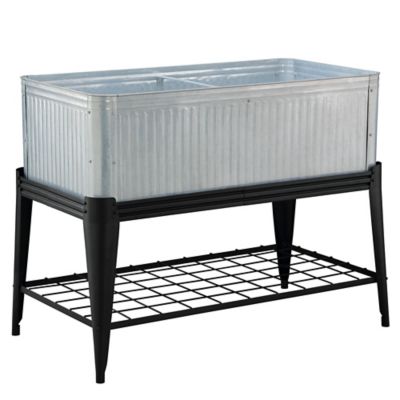
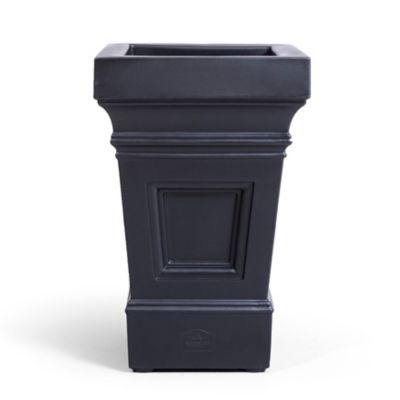
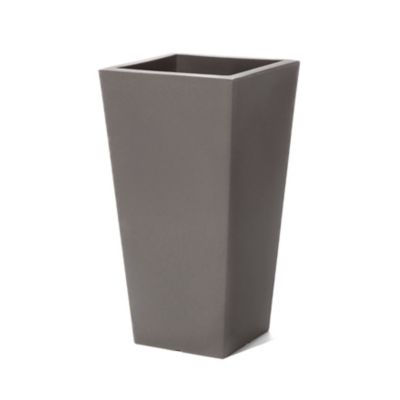
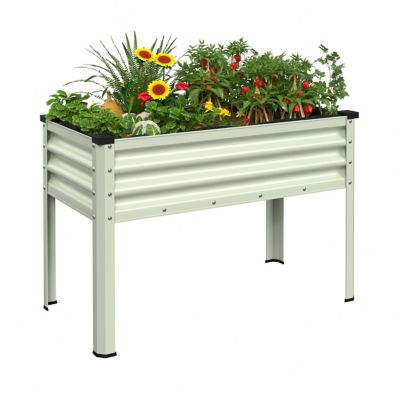
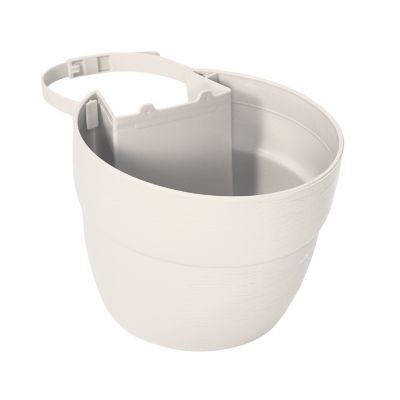
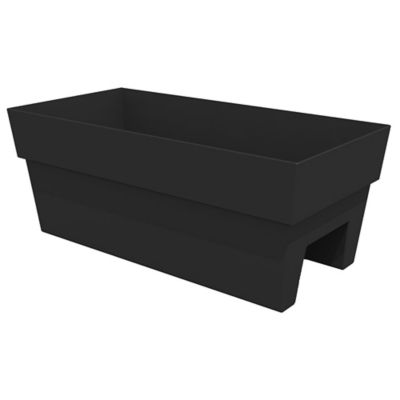
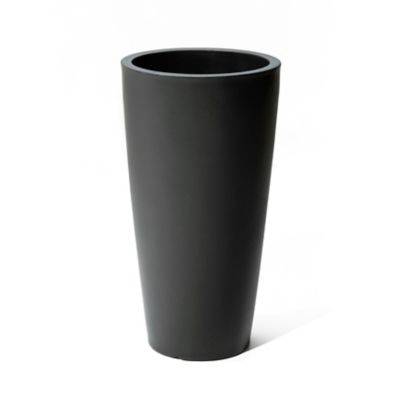
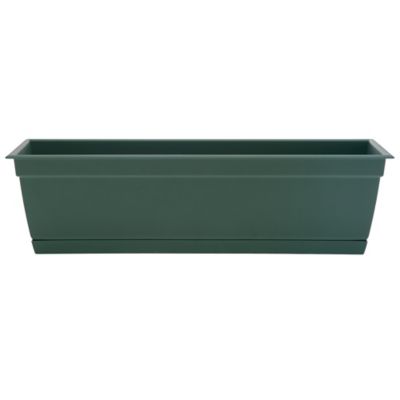
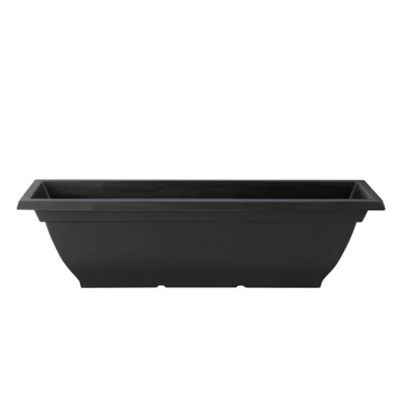
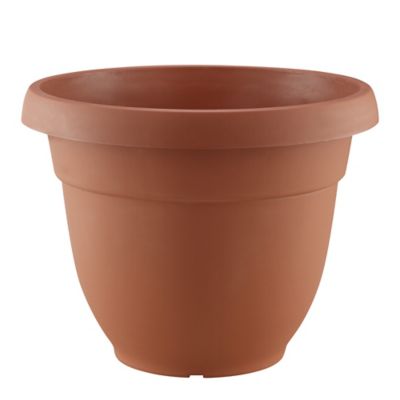
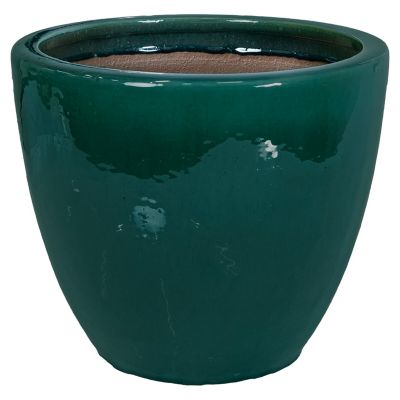
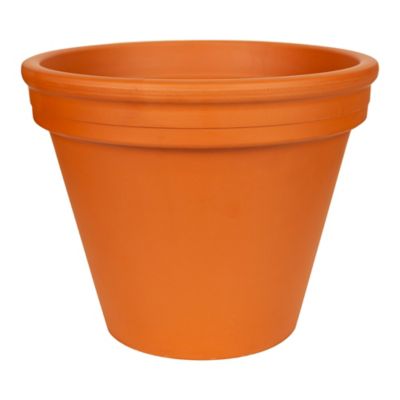
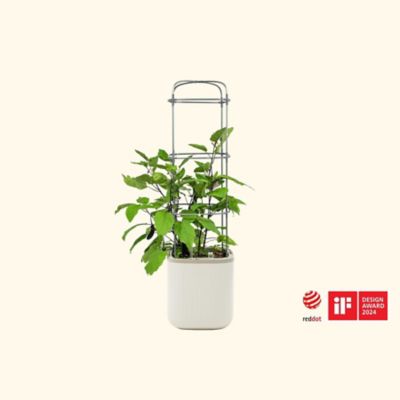
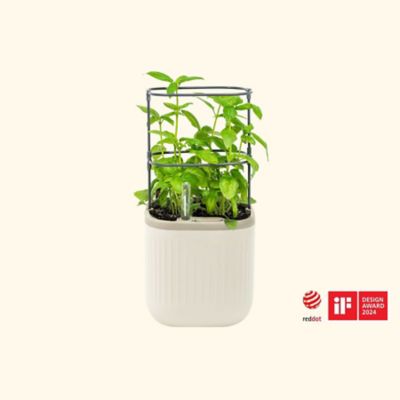
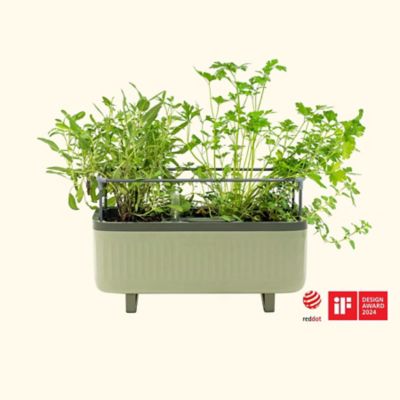
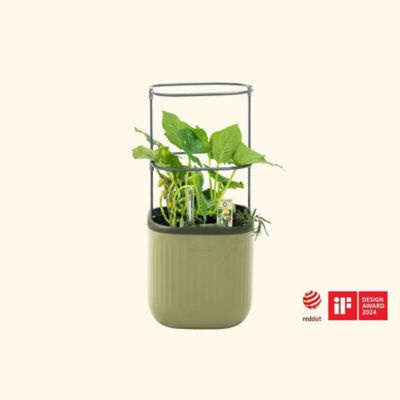
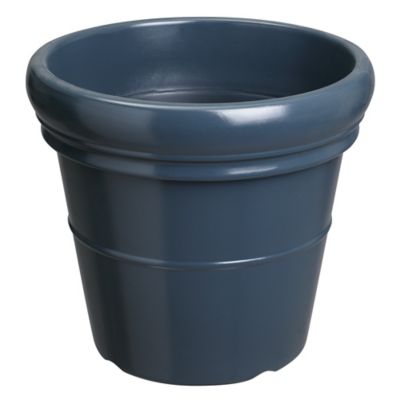
Planters with drainage holes give excess water a way out, helping protect roots from the soggy conditions that can lead to root rot. Those openings work with a suitable potting mix to keep the root zone moist without leaving it waterlogged, so roots have access to both water and oxygen. For anyone tending plants on a farmhouse porch, beside a kitchen window or across a small backyard patio, that’s a practical feature worth putting near the top of the shopping list. A planter may look just right next to the back steps, but what happens underneath the soil matters just as much as its shape or color. Water should be able to travel through the mix and escape through unobstructed holes at the bottom. That flow also helps carry away excess fertilizer salts, which can build up over time and harm sensitive roots. Drainage alone won’t prevent every plant problem, and a pot with holes can still stay too wet if the soil is dense or watering is too frequent. Still, it provides an outlet that a closed-bottom container simply doesn’t offer. Gardeners who have watched rain settle over the porch for several days know how handy that outlet can be. Indoors, it makes thorough watering possible without leaving roots sitting in the water that collects below. A removable saucer can catch runoff, but it needs enough room to collect that water and should be emptied rather than left full. When comparing planters with drainage holes, look at the whole setup: the container, its base, the growing mix and the place where the plant will live. A sound fit between those pieces makes everyday plant care less of a guessing game, whether you’re keeping one houseplant by the sink or tending a row of containers along the fence. Drainage can also help limit persistently wet conditions that favor fungus gnats, though it isn’t a substitute for sensible watering and pest care.
Material, size and construction all influence how a planter performs after it comes home. Plastic and resin containers tend to weigh less than similarly sized clay or ceramic pots, which is helpful when plants move between a sunny outdoor spot and sheltered quarters during the cooler months. Weight matters even more once a container holds damp potting mix and a well-established plant. Unglazed terracotta is porous, allowing moisture to evaporate through its walls as well as from the soil surface; that can suit plants that prefer drying between waterings, but it may mean checking moisture more often in sunny or breezy locations. Glazed ceramic generally loses less moisture through its sides, while offering the heft some gardeners prefer for a sheltered porch or indoor plant stand. No material makes drainage unnecessary, and outdoor suitability depends on the individual container’s specifications. Where freezing weather is a concern, look for a stated frost-resistance rating and follow the maker’s care directions, since trapped moisture can expand and crack some materials. Dimensions deserve a close look, too. Interior width and depth determine how much growing space a plant actually gets, while the outside measurements tell you whether the container will fit the step, shelf or corner you have in mind. For many houseplants, moving up only a modest amount from the existing root ball helps avoid a large pocket of soil that stays wet long after watering. Larger plants and seasonal container plantings may need more root room, so match the size to the planting rather than appearance alone. Wide bases can add stability around tall foliage, although exposed locations still call for care in windy weather. Bottom openings also need clearance: a hole pressed tightly against a flat surface may not drain freely. Feet or a suitable stand can help maintain that space. For a broader look at container options,
Planters for Container Gardening offers another place to compare choices for your growing space. If a container has a drainage plug, check whether it can be removed for planting; self-watering designs need separate consideration because their reservoirs and overflow openings serve a different purpose than a standard pot’s bottom holes.
The best fit often comes down to how you spend time with your plants. A gardener who enjoys checking the porch every morning may be comfortable with containers that dry more quickly, while someone managing chores, work and a busy household may prefer a setup that holds moisture longer without trapping excess water. Planters with drainage holes suit both routines when their size and material match the plant and its surroundings. They’re useful for houseplant growers, folks raising kitchen herbs and gardeners making the most of a patio where there’s no bed to dig. They can also make a thoughtful gift for someone settling into a new home or bringing a little greenery into a workshop office, especially when the container has a matching saucer and manageable weight. Think about the recipient’s available space and the kind of plants they enjoy rather than choosing by looks alone. Indoors, a watertight catch tray helps manage runoff, but moisture beneath it can still mark wood, so surface protection matters. Outdoors, consider where the water will land; runoff across a walkway or over a porch edge can create a mess. A small piece of drainage mesh can help keep loose mix from washing through larger openings without blocking them. A layer of gravel at the bottom isn’t a replacement for drainage holes and can leave less usable rooting space while keeping the soil above it wetter than expected. As daylight shortens and temperatures cool, many plants take up water more slowly, making open drainage and moisture checks especially helpful. Containers brought under cover still need attention to light, airflow and watering, even when rain is no longer part of the picture. Whether the setting is a mudroom window or a quiet spot beside the porch rocker, a well-chosen planter supports the plant without making care feel like another big chore. Look for room to grow, an outlet for excess water and a shape you’ll be comfortable tending season after season.