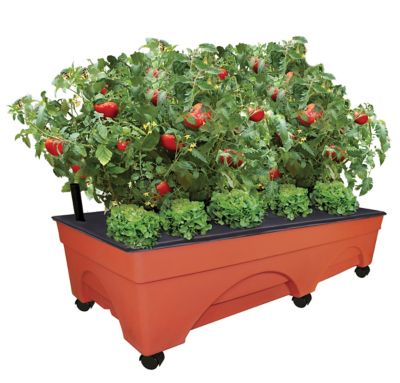
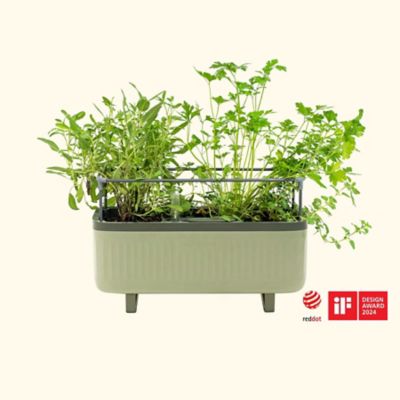
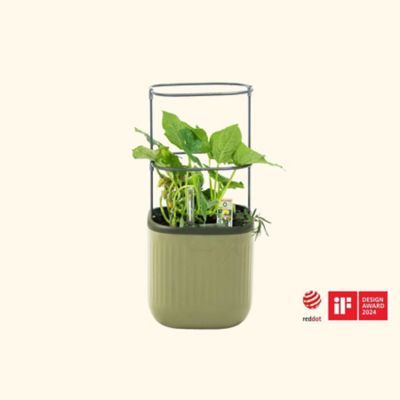
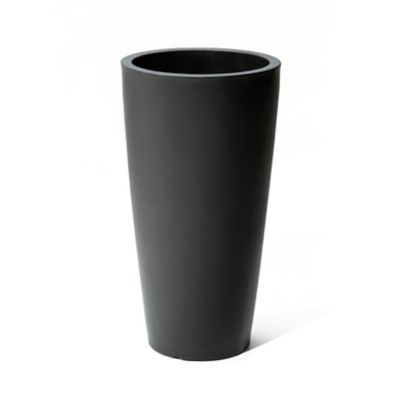
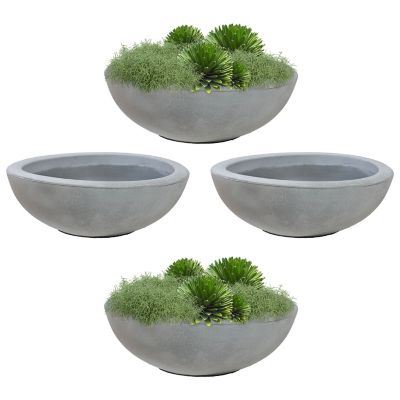
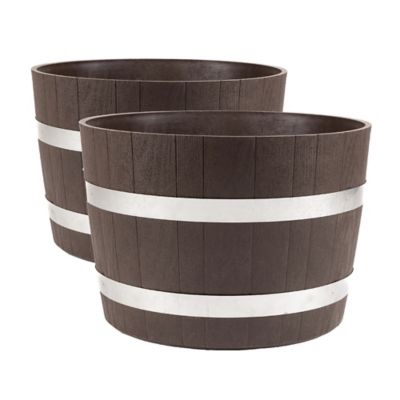
Large self-watering planters are containers with a built-in water reservoir that supplies moisture to the growing mix through capillary action, helping reduce how often plants need watering. Depending on the design, a wick, soil column or similar connection draws water upward from the reservoir toward the roots. That stored supply can make a sizable planting easier to manage, whether it holds flowers beside the porch steps, basil near the kitchen door or a tomato plant on the patio. Self-watering doesn't mean maintenance-free, though. The reservoir still needs refilling, and water demand changes with the plant's size, its growing stage and its surroundings. A larger reservoir may stretch the time between refills, but reservoir capacity alone doesn't determine how long the water will last. The amount of growing mix, the number of plants and the moisture they draw all matter. A roomy planter can give roots more space while supporting a fuller planting, provided its depth and width suit what will grow there. Tomatoes, for example, need room for substantial roots and may also need a cage or other support. A mixed flower arrangement needs enough space for each plant to fill out without crowding its neighbors. Many plants that prefer evenly moist growing mix are good candidates for this type of container; plants that need the root zone to dry thoroughly between waterings may be a less suitable match. The best fit comes from matching the reservoir system to the plant rather than assuming every plant wants the same setup. Growing capacity and water capacity are separate measurements worth comparing, since a tall container can devote part of its interior to stored water rather than root space. Those details make a difference when choosing between a broad planter for several smaller plants and a deeper container for one substantial planting.
Materials and construction affect how a large planter fits into everyday life around the house. Plastic and resin containers generally weigh less than similarly sized ceramic or concrete containers, which can make placement and cleaning more manageable before soil and water go in. Thicker walls, reinforced rims and a solid base are useful details to compare when a planter will hold a substantial load. Fiberglass and composite constructions offer other combinations of weight, finish and strength, while heavier materials may suit a location where the container will stay put. No material tells the whole story by itself; the container's construction, care requirements and intended indoor or outdoor use matter, too. For shoppers weighing a lighter container against the demands of a bigger planting,
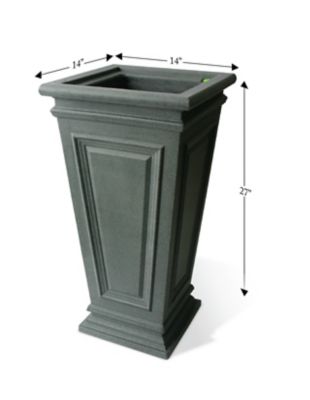
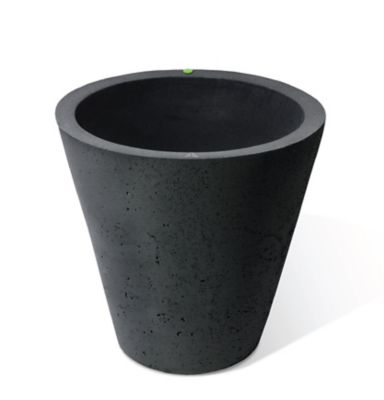
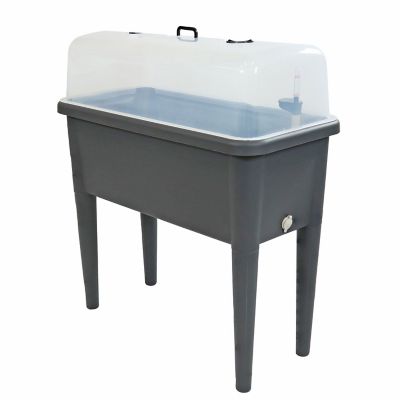
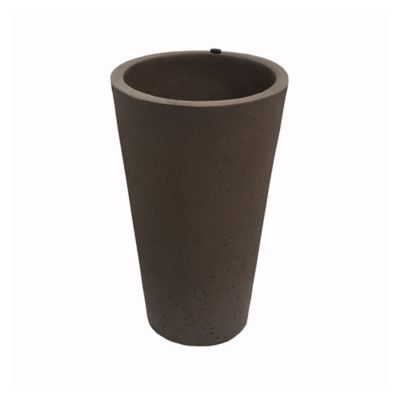
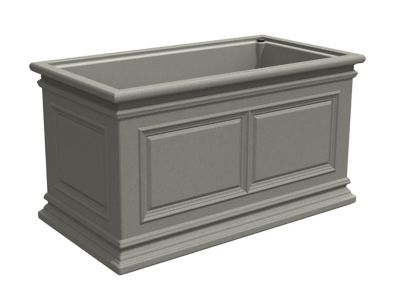
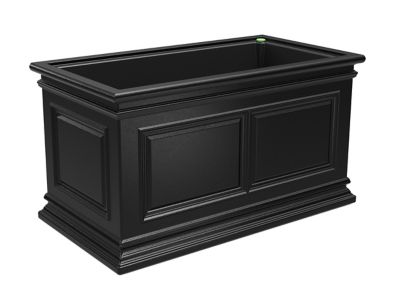
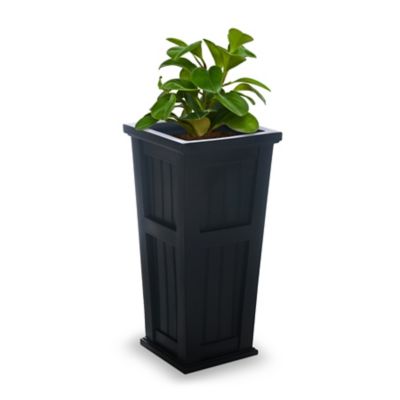
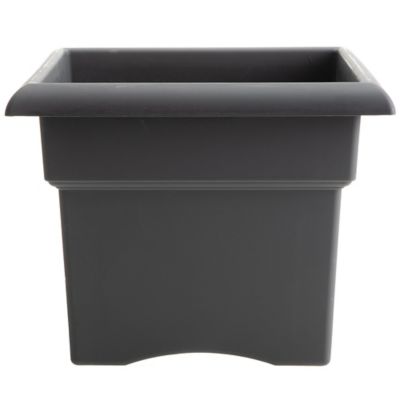
Large Plastic Outdoor Planters offer another way to compare shapes, dimensions and material features. A wide, low profile can leave room for spreading plants, while a narrower footprint may fit beside a doorway without taking over the walkway. Tall planters bring foliage closer to eye level, but their exterior height doesn't always reflect the depth available to roots. Interior measurements are especially helpful when moving an established plant into a new container. Placement deserves the same attention as appearance: a planter needs room around its fill opening, enough clearance to read a water-level indicator if it has one, and access for routine plant care. The full weight includes the container, growing mix, plants and stored water, so a filled planter can be much harder to shift than an empty one. A level, supported surface helps keep it steady, and any stand or rolling base needs a weight rating suited to the entire load. On a porch or balcony, the structure's load limits also matter. Beside a busy entry, leaving a clear path for boots, grocery bags and everyday traffic keeps the planting from becoming an obstacle.
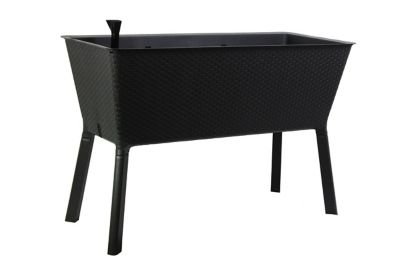
The features that make a self-watering planter convenient are often the small ones noticed during regular care. A clearly marked fill opening can make topping up the reservoir less awkward, especially once leaves spill over the rim. A water-level indicator helps show when the stored supply is running low, although checking the growing mix still matters because a full reservoir doesn't necessarily mean moisture is reaching the roots as intended. Overflow outlets, where included, help limit excess water in the reservoir; their location and operation should match the planter's intended setting. Indoor placement calls for particular attention to drainage outlets and protection for floors or furniture. The growing mix also plays an important part in performance. A container mix suited to the reservoir system needs to move moisture while leaving space for air around the roots; dense garden soil can interfere with that balance. Newly planted containers may need watering from above while roots settle in and the wicking connection becomes established, according to the planter's directions. Fertilizer needs depend on the plants and growing mix, and a reservoir isn't a reason to add more than the recommended amount. Keeping fill tubes, indicators and overflow openings clear helps the system work as intended. Removable reservoir components can make cleaning easier, while access to the lower chamber is worth considering before a large container is filled. These practical details suit gardeners managing several containers, folks who find repeated trips with a watering can tiring, and households sharing plant-care duties. For someone who enjoys growing flowers or a few vegetables close to home, a generously sized self-watering planter can also make a thoughtful gift. Its value is in a sensible combination of root room, manageable upkeep and a water supply that supports the planting between refills—not in a promise that the plants can be left entirely on their own.