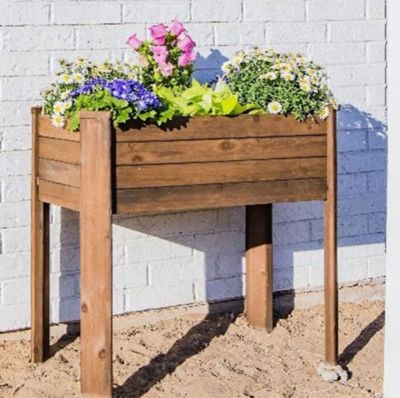
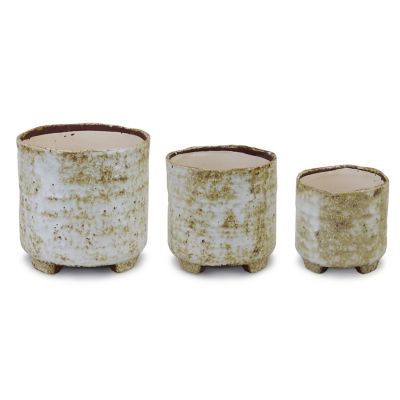
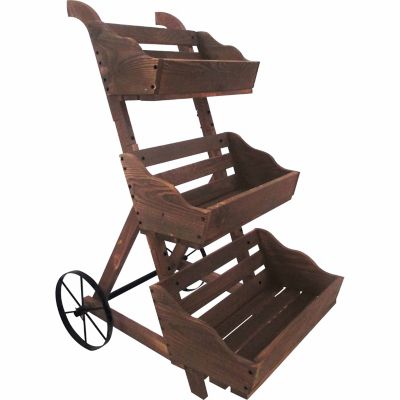
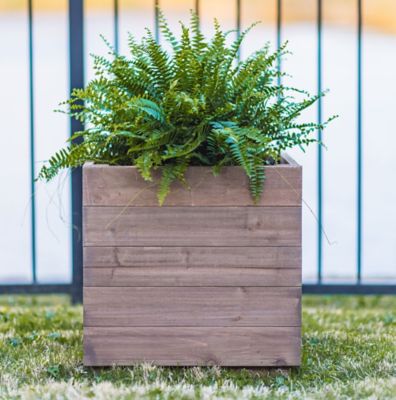
Rustic planters bring an easy, lived-in feel to outdoor spaces, whether they sit beside a farmhouse porch, line the steps to a barn, or add a little green to a backyard patio. Their appeal comes from the mix of natural texture and practical function: weathered finishes, earthy colors, aged-looking surfaces and simple shapes blend right in with wood siding, gravel paths, split-rail fencing and other country-style surroundings. They can also soften newer spaces, giving a freshly built deck or concrete entryway a warmer, more settled look. During the warmer part of the year, rustic planters are a handy way to display flowering plants, herbs and leafy greenery near the places where family and guests gather. As cooler weather moves in, they can hold hardy seasonal plants, ornamental grasses or arrangements of branches, pinecones and other natural accents. For anyone who enjoys changing up the look of a porch without taking on a large landscaping project, a few well-placed containers make a noticeable difference. They are also a thoughtful gift for a gardener, new homeowner, neighbor or host who likes to make the most of outdoor living areas. An empty planter gives the recipient room to choose a favorite plant, while a planted container can make a ready-to-enjoy gift for birthdays, housewarmings or casual thank-yous.
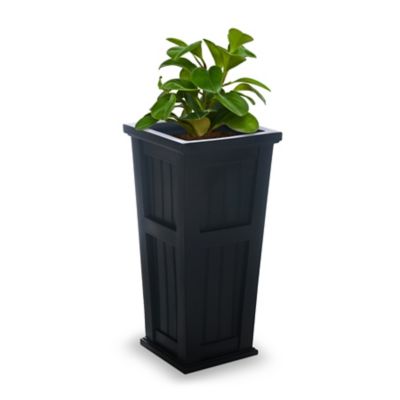
When choosing a rustic planter, start with the spot where it will live and the kind of plant it needs to support. Measure the available space, including the room needed to walk around it, open a door or reach nearby plants with a hose. A tall container can frame an entryway or help draw attention to a corner, while a wider, lower style works well along a porch rail, garden path or outdoor dining area. Check the inside dimensions as well as the outside, since a deep-rooted plant needs more room for healthy growth. Drainage is another important detail. Containers with drainage holes help excess water escape after rain or watering, which can protect roots from staying soggy. If a planter does not have built-in drainage, consider whether it can be used with a liner or inner pot, and place a saucer or other protective layer underneath when setting it on wood, painted concrete or finished decking. Material matters, too. Wood-look containers can add warmth and pair naturally with rustic surroundings, while
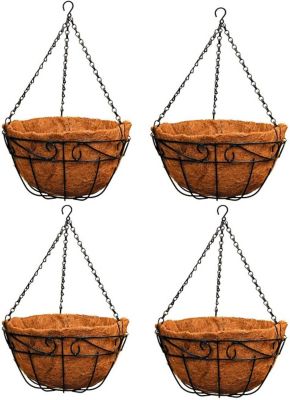
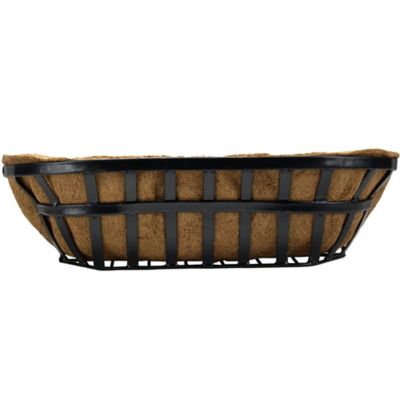
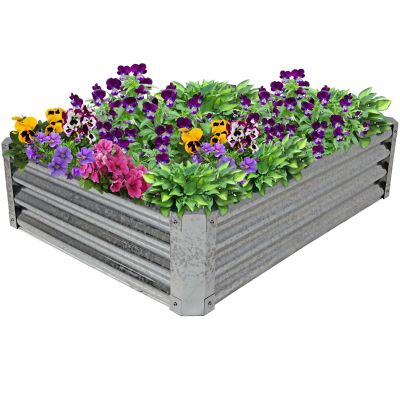
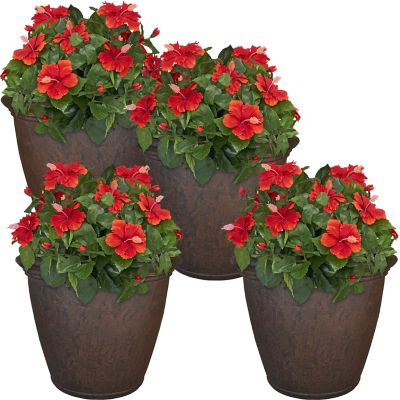
Metal Garden Planters bring a sturdy, weather-ready look that works especially well with farm-style décor. Clay and stone-inspired finishes can provide an old-fashioned garden feel, though heavier materials may be best kept in a permanent location. Lightweight options are easier to move when it is time to refresh the porch or protect plants from strong weather. Look for sturdy construction, stable bases and finishes suited to outdoor use, especially if the planter will be exposed to sun, rain, wind or changing temperatures. A container should feel like part of the setting rather than something that needs constant fussing.
Rustic planters are useful far beyond flower display. Set one near the kitchen door for basil, mint, parsley or other handy herbs, or use a grouping of different heights to create a small container garden where digging a full bed is not practical. They can help define the edge of a seating area, add color beside an otherwise plain wall or make a wide porch feel more inviting without blocking the walkway. For a country-inspired arrangement, combine plants with different textures instead of relying on one type alone: trailing greenery can spill over the edge, upright grasses can add height, and compact blooms can fill the space between. Keep plants with similar light and water needs together, and remember that containers usually dry out faster than garden soil, especially when placed in full sun or on a breezy porch. A quick check of the soil with a finger is often enough to tell whether watering is needed. During the cooler months, move portable planters to a sheltered spot when conditions call for it, and empty containers that could collect water and freeze. Rustic planters also make an easy starting point for seasonal decorating. Fill them with mums, evergreen branches, dried grasses or simple natural materials for a look that feels at home from late summer through fall. Whether used to welcome visitors at the front door, brighten a workshop entrance or give a gardener more room to grow, these containers combine everyday usefulness with the relaxed character of the countryside.