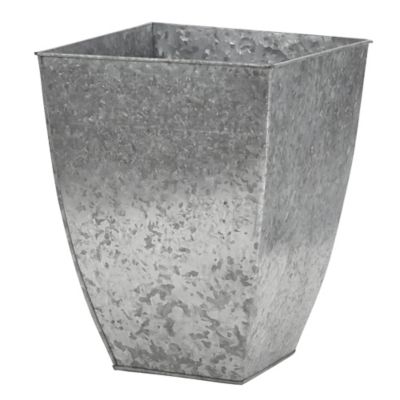
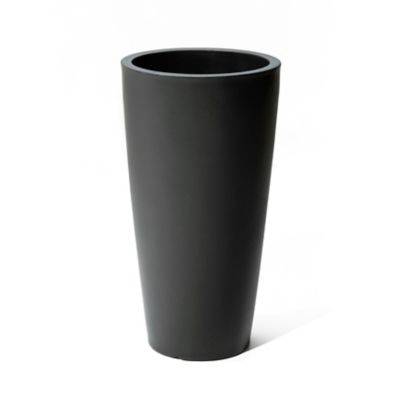
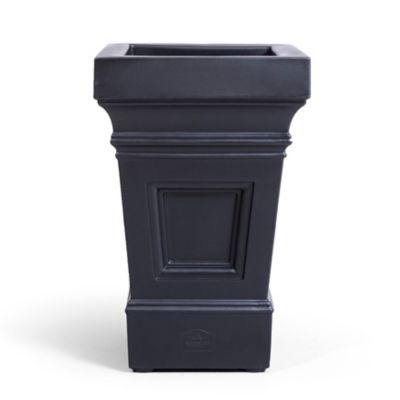
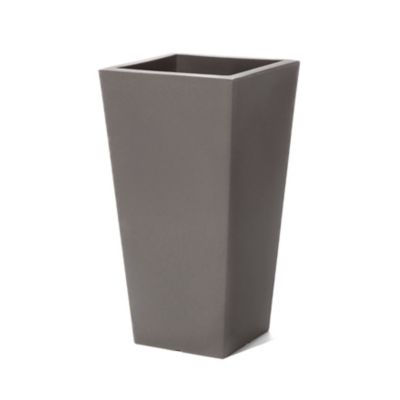
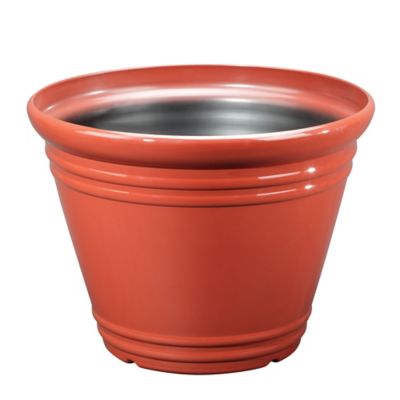
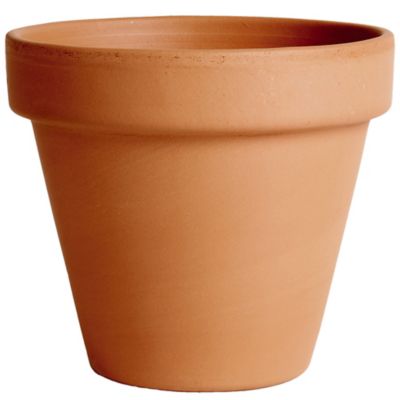
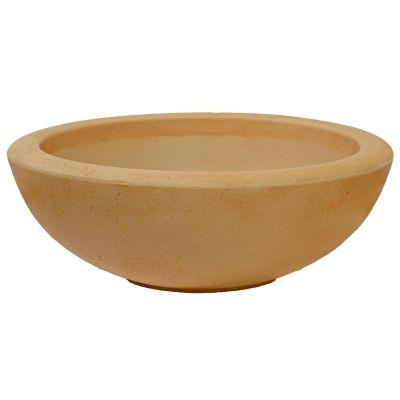
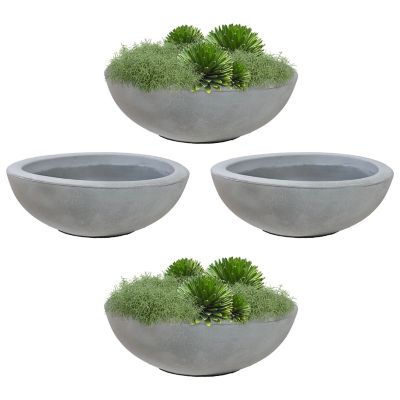
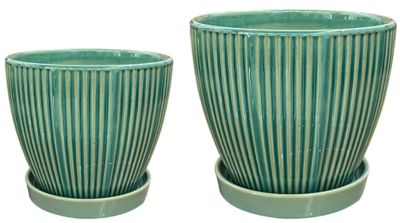
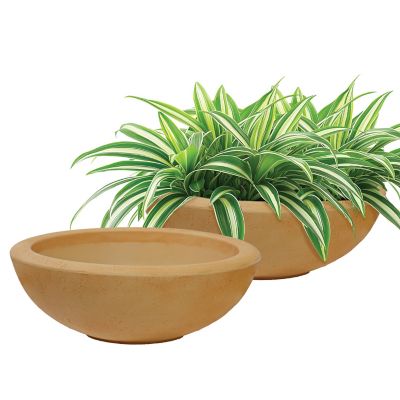
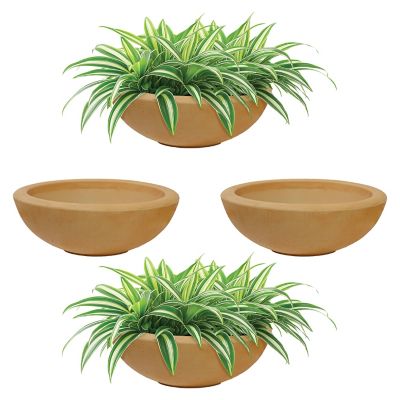
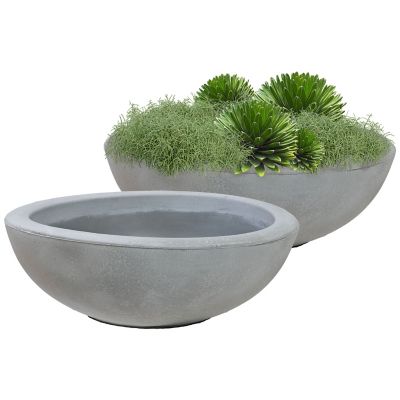
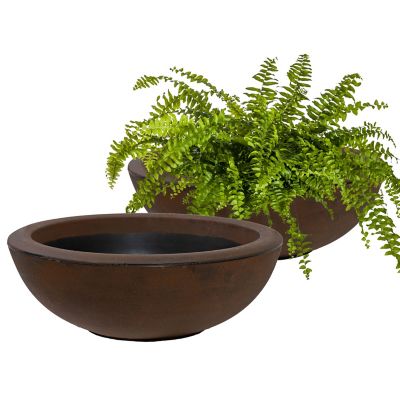
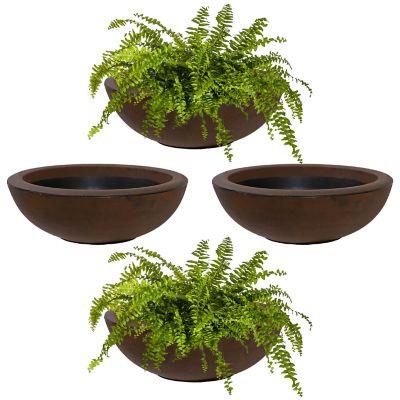
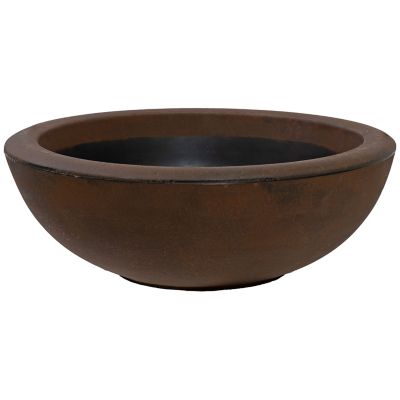
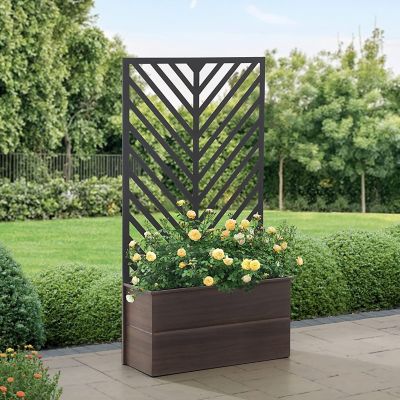
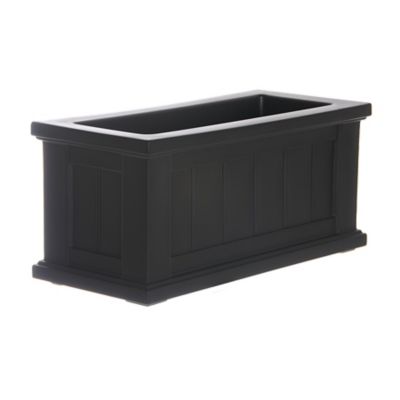
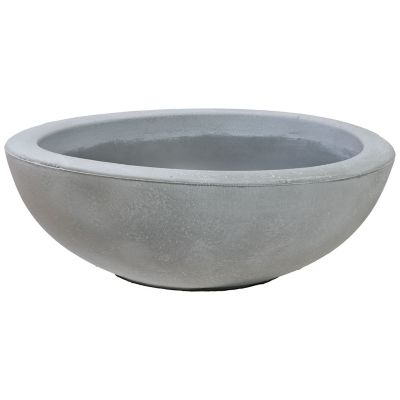
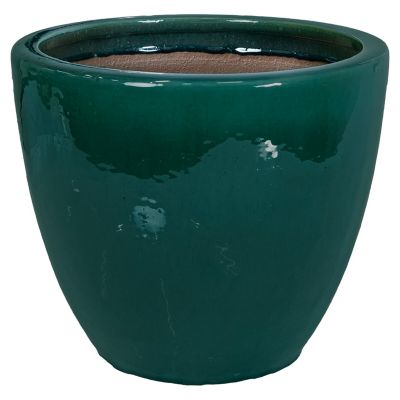
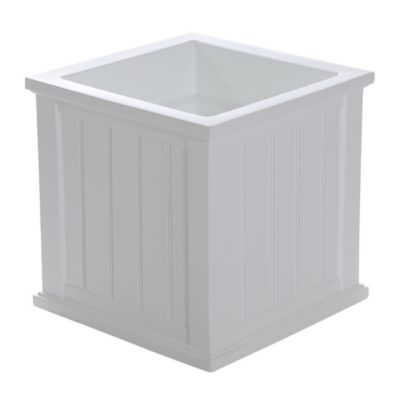
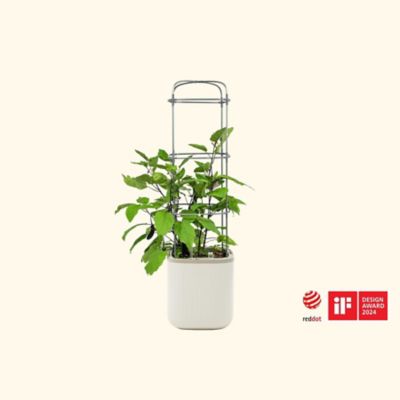
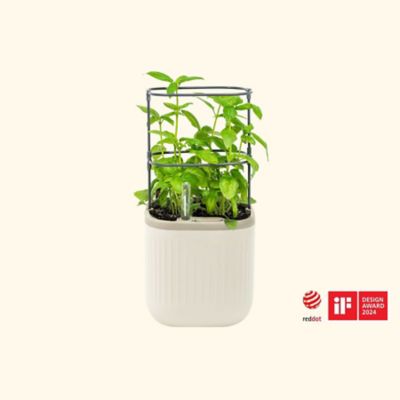
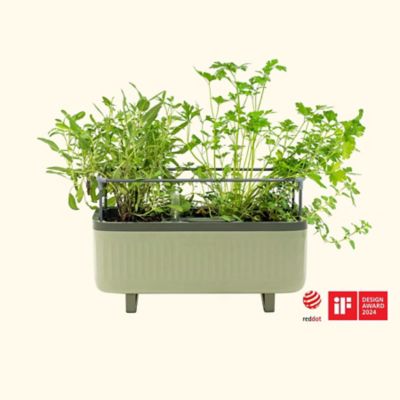
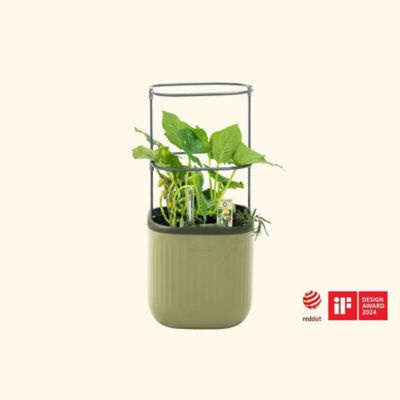
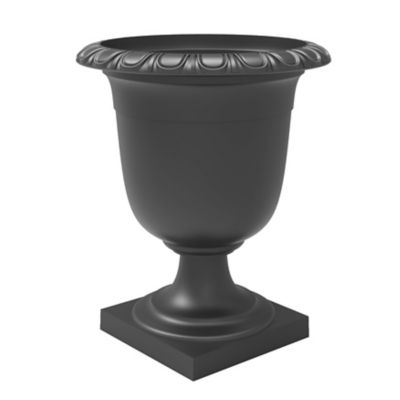
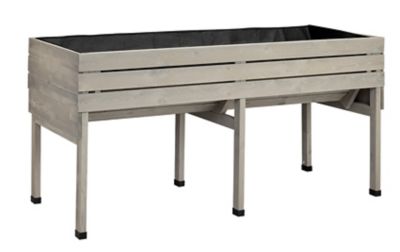
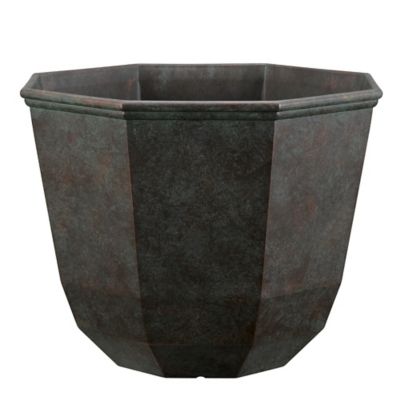
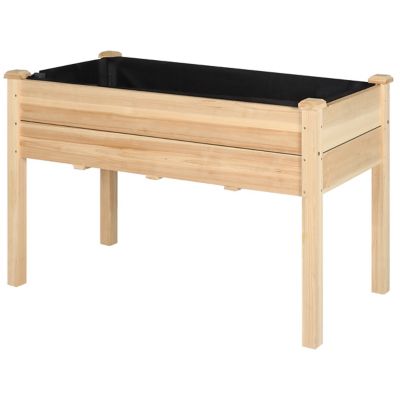
Planters for snake plants give one of the easiest houseplants a neat, dependable place to grow while adding a little character to a room, porch, entryway, or office. Snake plants are known for their upright, sword-shaped leaves and steady growth, but the right container still makes a noticeable difference. Start by choosing a planter that is only about 1 to 2 inches wider than the plant’s current root ball when it is time to repot. A container that is much larger may hold more damp soil than the roots can use, leaving moisture around the roots for too long. Snake plants generally do well when they are slightly snug in their containers, so there is no need to move them into an oversized pot as soon as they fill out. A wider, shallower shape is often a better fit than a deep planter, especially for plants with a spreading root system. Before adding soil, check that the container has a drainage hole in the bottom. That opening gives excess water a way out and helps lower the risk of root rot, which is one of the most common problems caused by overwatering. If a decorative planter does not have a hole, it can still be used as an outer cover pot with the plant kept in a separate, draining nursery container inside. Leave enough room to lift the inner pot out for watering and allow it to drain fully before placing it back.
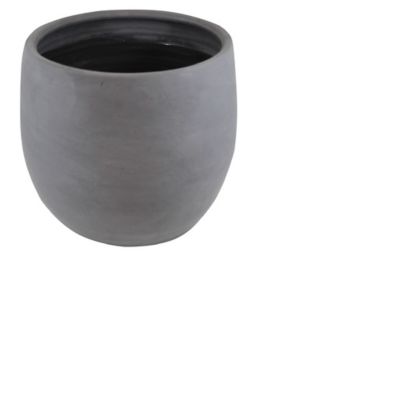
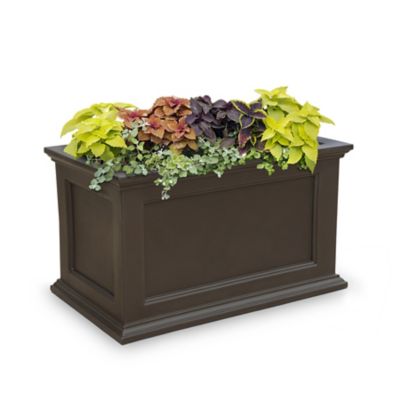
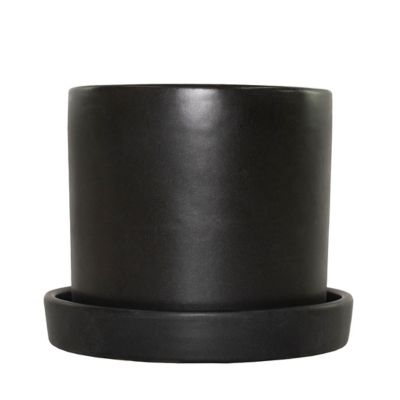
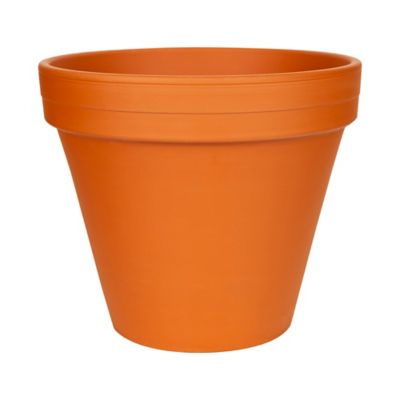
Material and weight are also worth considering when choosing planters for snake plants. Tall varieties can become top-heavy as their leaves rise, particularly when the plant is placed in a bright window and grows toward the light. Heavy terracotta, clay, or ceramic containers can provide helpful stability and keep the plant from tipping when a pet brushes past it, a child bumps the stand, or a breeze moves across a porch. Terracotta is porous, so it can allow some moisture to evaporate through the sides and may suit homes where watering tends to be a little generous. Ceramic planters offer a broad range of finishes and shapes, along with enough weight for many upright plants. Lightweight plastic is easy to move and may be a practical choice for larger plants, hanging arrangements, shelves, or anyone who rearranges their space often. When using a lightweight planter, place it inside a heavier outer container or set it on a stable surface to improve balance. Look for a sturdy rim, a level base, and enough room around the plant to water without spilling soil. A matching saucer can help protect wood, tile, and painted surfaces, while a plant stand can lift the leaves into view and keep the container away from cold floors during the cooler months. As the weather warms, a well-chosen planter can make it easier to move a snake plant outdoors into bright, indirect light; when temperatures cool, a manageable size and reliable drainage make bringing it back inside less of a chore.
The best planter also depends on where the snake plant will live and how it will be cared for. A compact container can fit on a kitchen counter, bathroom shelf, desk, or bedside table, while a wider, heavier option may work better beside a sofa, near an entry door, or in a sunny corner. Snake plants tolerate a range of indoor light conditions, though brighter indirect light can encourage stronger, fuller growth. Avoid placing a newly watered plant where water may collect beneath the pot, and let the soil dry between waterings rather than following a strict schedule. During cooler, darker stretches of the year, the soil may dry more slowly, so a planter with good drainage becomes especially important. Containers with simple lines can suit a farmhouse, workshop, or office, while textured finishes and earthy colors bring warmth to a porch or living room. Planters for snake plants can also make thoughtful housewarming, birthday, thank-you, or hostess gifts because the plant is attractive, long-lasting, and generally forgiving for busy plant owners. A sturdy planter paired with a young snake plant gives a new homeowner an easy way to add greenery without taking on a demanding care routine. The same sizing and drainage considerations apply to other popular indoor plants, including the options found with
Planters For Christmas Cactus. Whether the goal is to refresh a work area, dress up an empty corner, or give a practical gift, choose a container that supports the plant’s roots, keeps the leaves upright, and fits naturally into the space where it will be enjoyed.