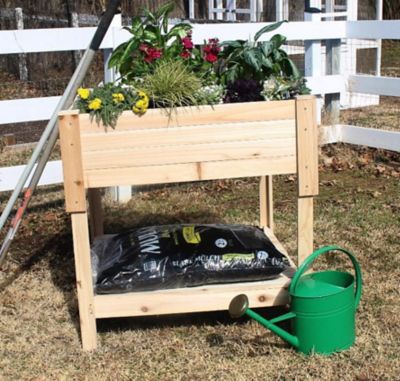
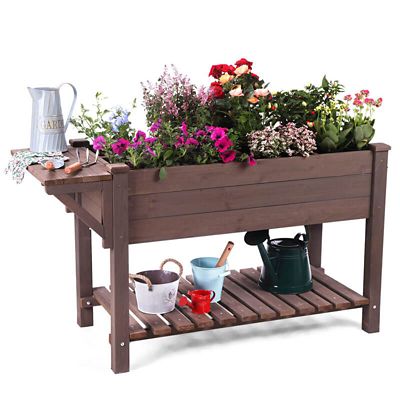
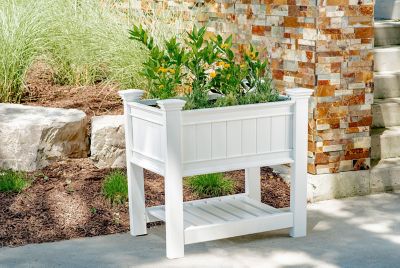
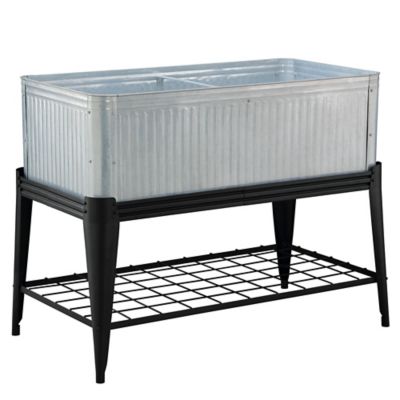
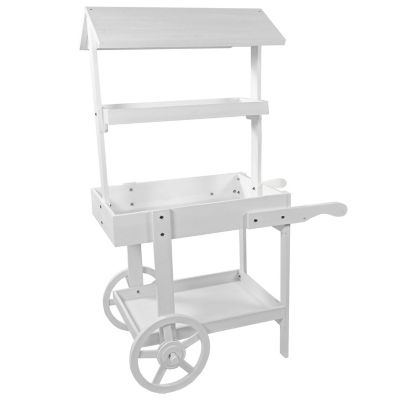
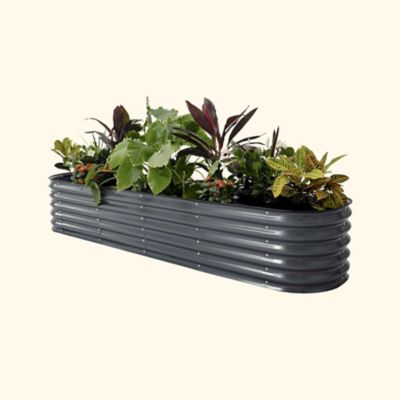
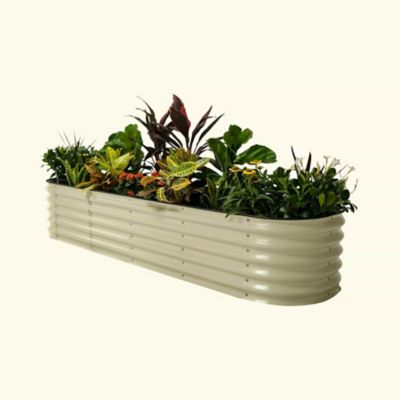
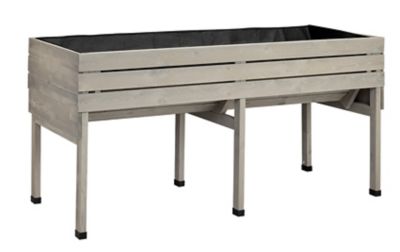
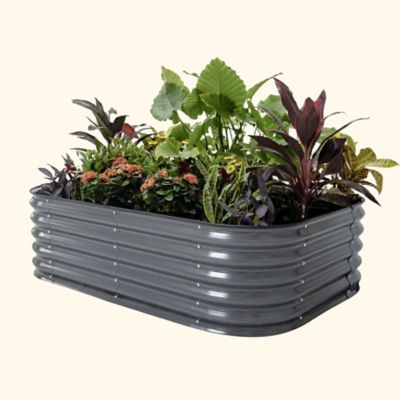
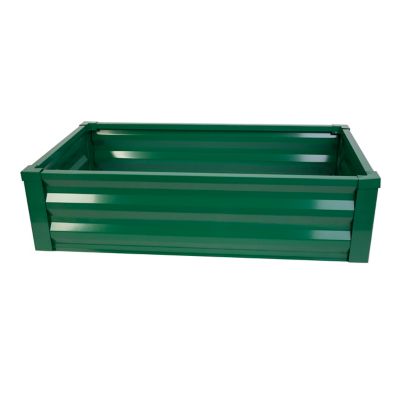
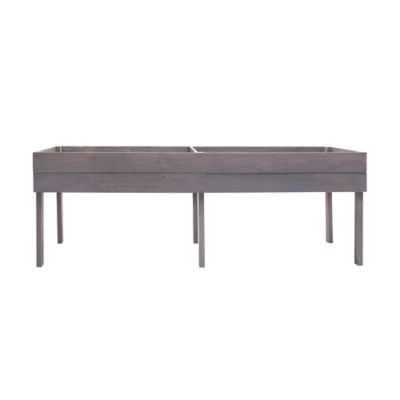
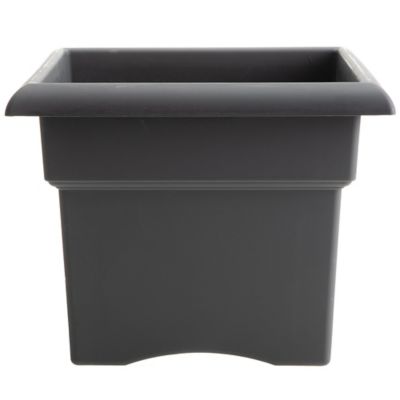
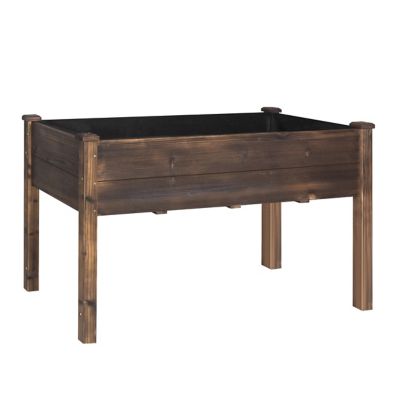
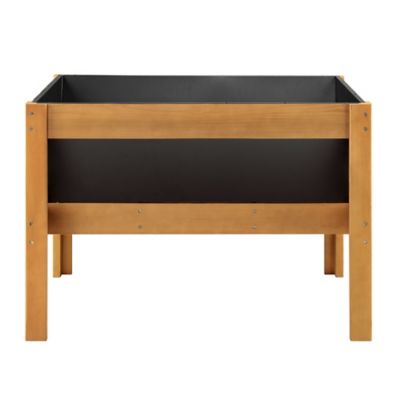
A storage planter brings two useful jobs together: it gives flowers, herbs, vegetables, or other plants a home while helping keep gardening supplies close at hand. Depending on the design, storage may be an open shelf beneath the planting bed, a covered cabinet, or a divided compartment built into a planter bench. That extra space can hold hand tools, gloves, plant ties, seed packets, watering accessories, and other small items that tend to wander around a porch or shed. Some gardeners use the lower area for potting soil, empty containers, or hose fittings, while others keep it open for baskets, firewood, or seasonal décor. This makes a storage planter a handy choice for a patio, deck, front porch, balcony, greenhouse, or small backyard where every bit of space matters. Elevated styles can also make planting and tending easier by raising the growing area closer to a comfortable working height, which may be helpful for anyone who prefers less bending or kneeling. Ground-level designs offer a familiar look and may suit larger plants or a lower garden layout. When choosing one, start with the available space and measure the area carefully, including room to open cabinet doors, walk around the planter, or reach the plants without brushing against walls and railings. Consider the mature size of what you plan to grow, too. Compact herbs and flowers may do well in a shallow basin, while vegetables with deeper roots need more room for healthy growth. A storage planter can be especially useful for renters, apartment gardeners, busy households, and anyone trying to make a small outdoor area feel organized and welcoming. It can also make a thoughtful gift for a new homeowner, a gardening friend, or a family member who enjoys growing fresh herbs but has limited yard space. Paired with gloves, hand tools, or a few packets of seeds, it becomes a practical present that can be put to work through the warmer growing season and kept useful as the weather turns cooler.
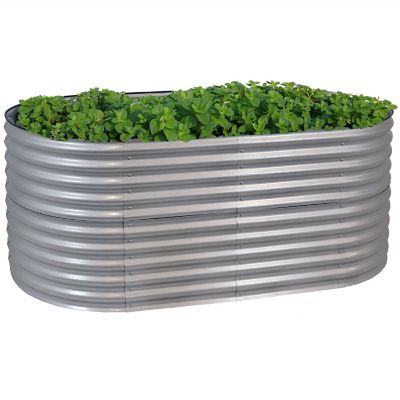
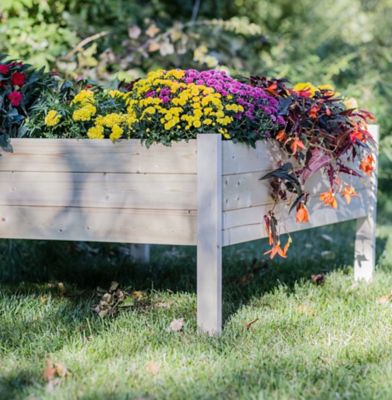
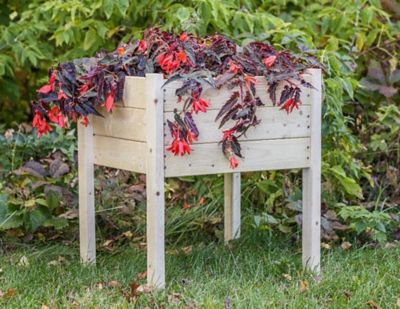
Material plays a big part in how a storage planter looks, feels, and holds up outdoors. Wood offers a warm, natural appearance that fits easily with farmhouse porches, garden paths, and rustic settings. Look for sturdy construction, smooth edges, well-secured joints, and a finish suited to outdoor use. Wood may develop a weathered look over time, especially when exposed to sun, rain, and changing temperatures, so placement and routine care matter. Metal can bring a clean, modern profile and may stand up well to regular outdoor use when it has a protective coating. Resin and plastic options are often easier to move and clean, which can be helpful for balconies, seasonal rearranging, or households that want a lower-maintenance setup. Think about weight before filling the planter, especially for elevated models or containers placed on decks and balconies. Damp soil is heavy, and a fully planted box can be much harder to shift than it was in the store or during assembly. A stable base, level placement, and sturdy legs help prevent wobbling, while anchors or a sheltered location may be useful in areas exposed to strong wind. Drainage deserves close attention. Excess water should have a clear path out of the planting area so roots do not stay soggy and the storage compartment below does not collect drips. Drainage holes, an inner liner, or a separated planting tray can help protect the lower section, but the planter should still sit where water can escape without pooling against a wall or wood surface. If the storage area has doors, check for a secure latch and enough ventilation for the items being stored. Open shelves make frequently used tools easy to grab, while covered compartments help keep supplies hidden from view and offer some protection from weather and dust. Match the storage style to your habits: an open shelf works well for a watering can used every day, while a cabinet is better for keeping gloves, small bags of soil, or garden accessories tucked away between chores.
A storage planter can serve as a hardworking growing station, a tidy accent near the front entry, or a simple way to bring more life to a small outdoor corner. Use it for basil, parsley, mint, lettuce, and other kitchen favorites near a back door, or fill it with flowers that welcome guests along a porch or walkway. Keep plants with similar light and watering needs together, and check the location throughout the day so sun-loving varieties receive enough light without leaving shade-friendly plants scorched. During the warmer part of the growing season, the storage compartment can keep pruners, plant markers, and a pair of well-used gloves within easy reach. As cooler weather arrives, it can hold empty pots, frost covers, hand tools, or decorations waiting for their next turn outdoors. A liner or tray may make cleanup easier when watering, while a layer of suitable potting mix helps prevent compacted soil and supports good root growth. Avoid overfilling the planting area, and remember that plants need room for air movement as they mature. For families, a storage planter can give children a manageable place to grow flowers or snack-size vegetables while teaching simple routines such as checking soil moisture and putting tools away. For experienced gardeners, it can create a dedicated spot for culinary herbs, pollinator-friendly blooms, or starts waiting to move into the larger garden. Gardeners interested in growing berries can also explore a
Strawberry Planter for a planting setup suited to those sweet, spreading plants. Before buying, compare the overall dimensions, planting depth, storage capacity, material, drainage design, assembly needs, and weight limit. Check whether the unit arrives ready to use or requires hardware and basic tools, and consider how easily it can be cleaned at the end of the season. With the right size and placement, a storage planter helps turn scattered supplies and an unused corner into a useful little garden station—one that keeps everyday tools handy, plants growing strong, and outdoor spaces looking cared for through changing seasons.