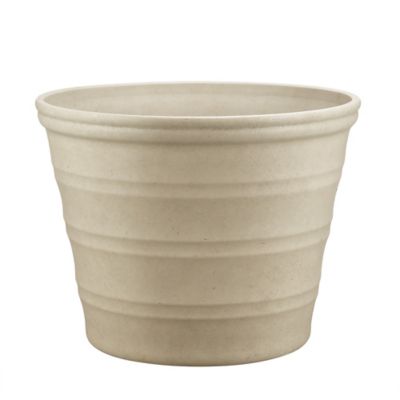
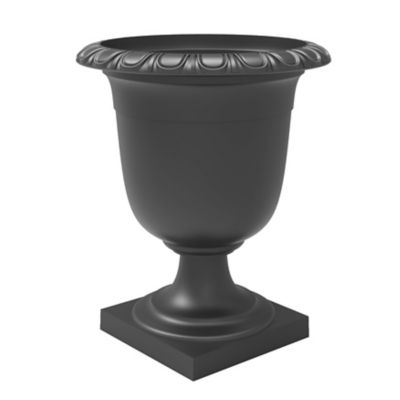
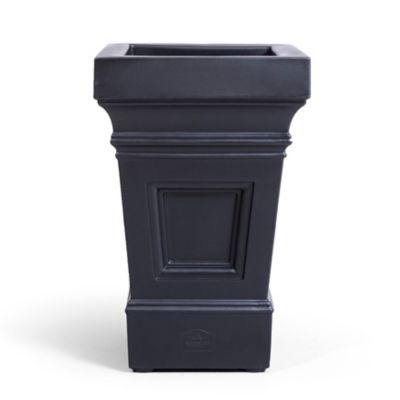
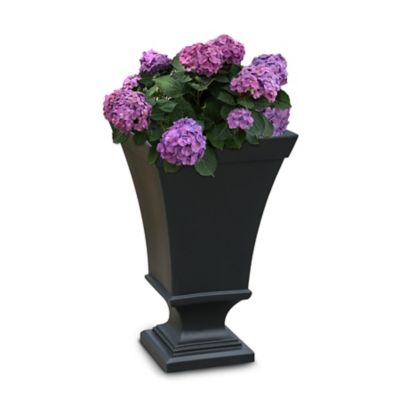
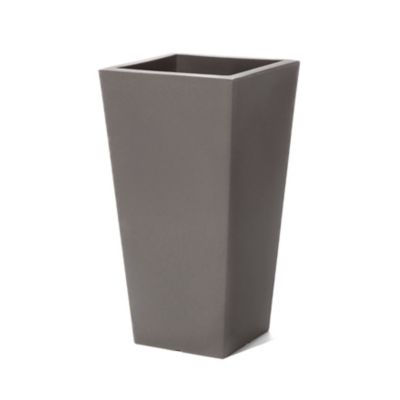
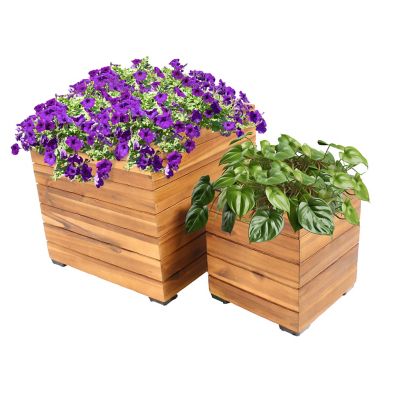
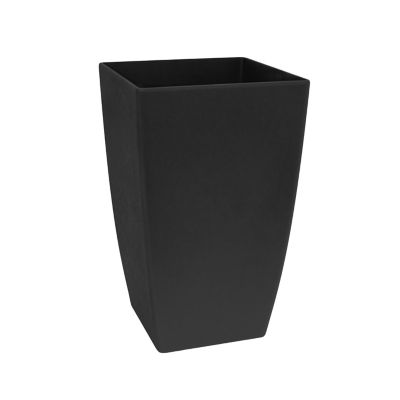
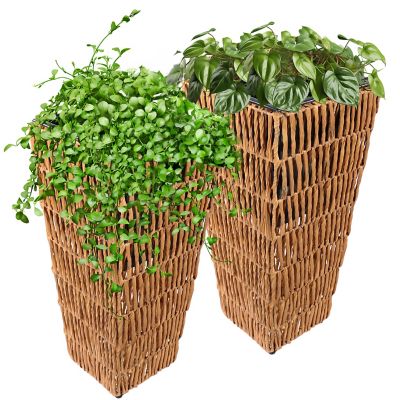
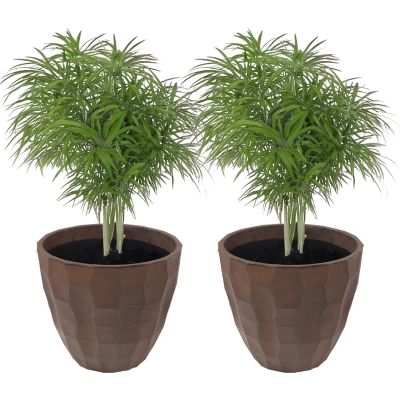
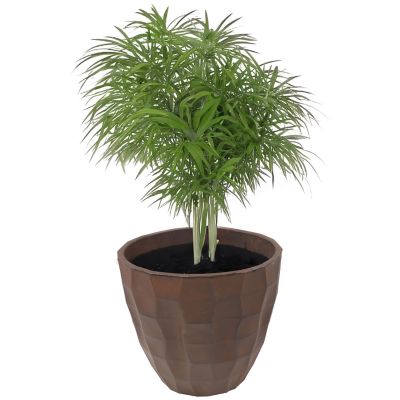
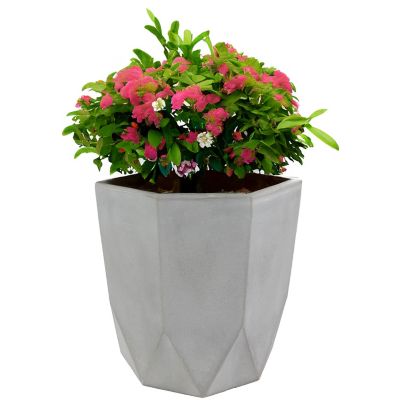
Planters for indoor trees bring a little green life into rooms that might otherwise feel plain, from a sunny kitchen corner to a quiet spot by the front door. They give tall houseplants a finished look while helping keep roots contained and floors protected. Indoor trees such as fiddle leaf figs, palms, citrus, dracaena, rubber plants and other larger houseplants can become a real part of a room’s character, especially when their leaves catch the light near a window. The right planter should suit both the tree and the place where it will live. Start by checking the diameter of the tree’s current nursery pot and choose a new planter about 2 to 3 inches wider. That bit of extra room gives the roots space to grow without leaving a large pocket of wet soil around them. A pot that is much too large can hold moisture longer than the roots can use it, which may lead to root problems. The planter should also be tall and sturdy enough to support the tree’s height and leafy canopy. A broad base helps prevent tipping when a tree leans toward the light or gets bumped by a curious pet, a child, or a basket of laundry. Before buying, measure the open space, doorways and nearby furniture so the planter will fit comfortably after the tree and soil are in place. Remember that a large pot filled with damp soil can be surprisingly heavy, even before the plant is added. If the tree will stay in one spot, ceramic, fiberstone, cement-style and other weightier materials can provide welcome stability. Lightweight plastic or resin planters are easier to shift when cleaning, rearranging furniture or turning the tree so it grows evenly. They can also be a practical choice for renters, seasonal decorating and anyone who likes to move plants between rooms as the light changes during the year.
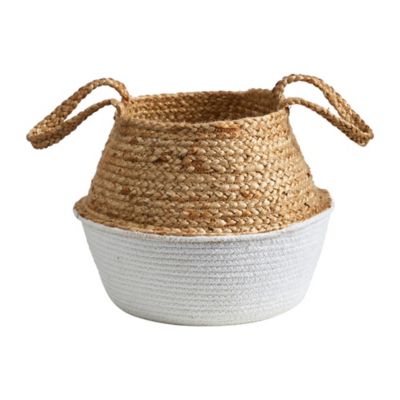
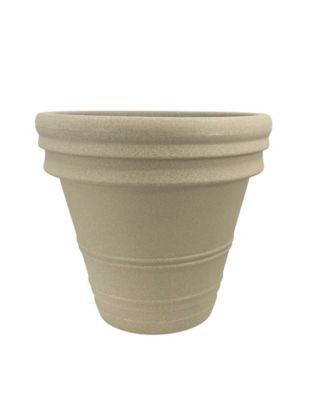
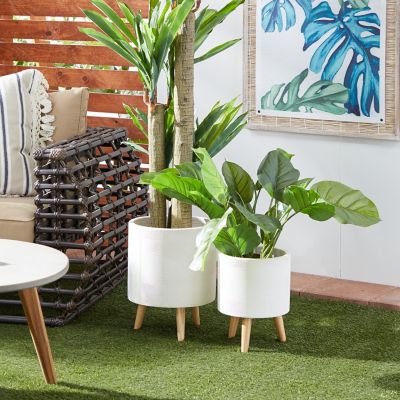
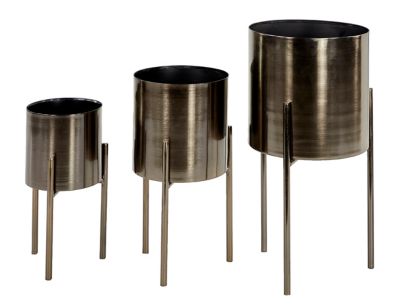
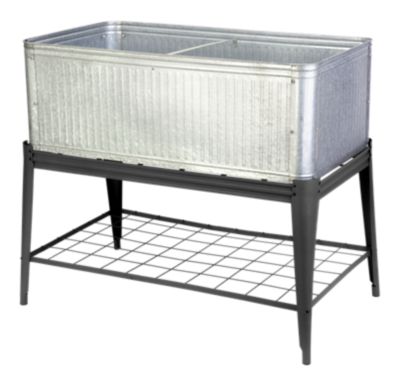
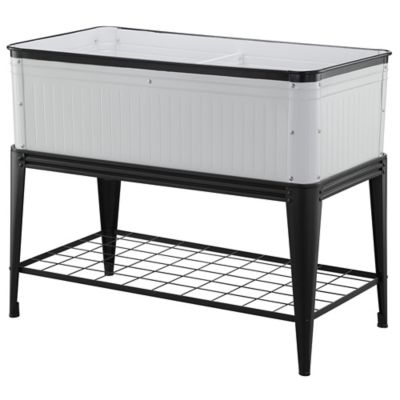
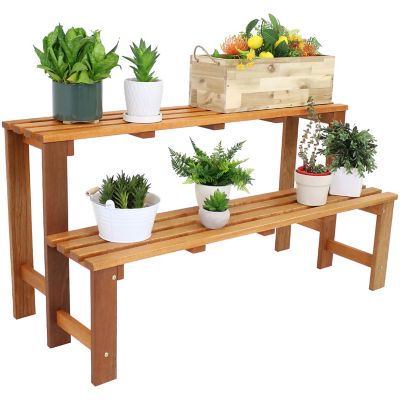
Drainage deserves just as much attention as color and shape. Look for an indoor tree planter with a drainage hole so excess water can escape instead of collecting around the roots. A saucer placed beneath the planter helps catch runoff and keeps moisture from marking wood, tile or finished flooring. For a decorative cachepot without a drainage hole, keep the tree in a properly draining plastic grow pot inside the outer container. After watering, allow the inner pot to drain fully before setting it back in place, and empty any standing water from the cachepot or saucer. This simple routine can save a floor and help prevent soggy soil. Planter material can affect watering, too. Unglazed clay allows moisture to evaporate through its sides and may suit plants that prefer a quicker dry-down, while glazed ceramic, resin and plastic generally hold moisture longer. No matter the material, check the soil with a finger before watering rather than following a strict schedule. Indoor conditions change with sunlight, heating, air conditioning and the cooler months, so a tree near a bright window may dry at a different pace than one across the room. A planter’s opening should be wide enough to make watering, pruning and occasional soil checks easy. Tall, narrow styles can look handsome with slender trees, but a wider design may be better for a top-heavy plant. A simple neutral finish can blend with farmhouse furniture, woven baskets and wood accents, while a stone-look or textured surface adds interest without competing with broad green leaves. If you want to lift the planter off the floor, create a little more visual height and make sweeping easier, browse
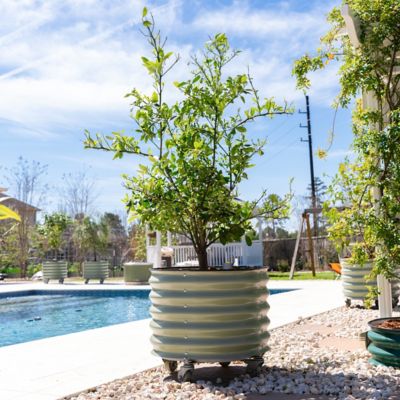
Indoor Planters With Stands. A raised setup can be especially handy beside a sofa, in a bright hallway or near a window where the tree needs to sit above low furniture.
These planters work well for plant lovers furnishing a new home, refreshing a porch-to-living-room transition or adding warmth to an office, entryway or guest room. They also make a thoughtful gift for someone who has brought home a young indoor tree and needs a better-looking home for it as it grows. For gifting, a versatile size and classic finish are usually safer than a highly specific style, especially when you do not know the recipient’s furniture or decorating taste. A planter can also be paired with a saucer, a small hand trowel or a simple care note, though the most important details remain size, drainage and stability. Keep newly repotted trees out of harsh direct sunlight for a short settling period if they show signs of stress, then place them where they receive the light their variety prefers. Turn the planter occasionally so the trunk and branches do not grow heavily toward one direction. Wipe dust from broad leaves with a soft, damp cloth, and check beneath the planter from time to time for moisture or scratches. During warmer stretches, indoor trees may use more water and put on new growth; during cooler months, growth often slows and the soil may stay damp longer. That is a good reason to choose a planter that makes inspection and careful watering easy rather than relying on appearance alone. With the right fit, a steady base and dependable drainage, an indoor tree planter can serve for years as the sturdy, good-looking home beneath a favorite plant. Whether the room calls for a clean modern shape, a rustic texture or a simple pot that lets the foliage do all the talking, choosing a planter with everyday care in mind helps the tree settle in and keeps the whole space feeling comfortable and lived-in.