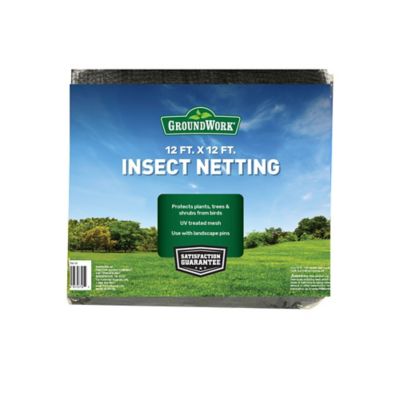
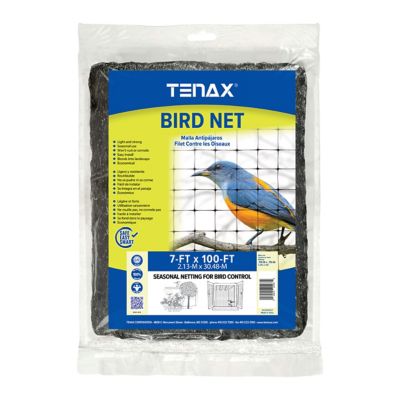
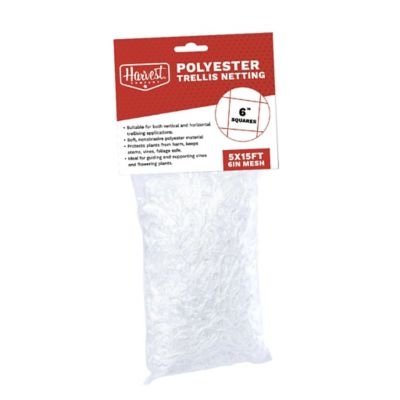
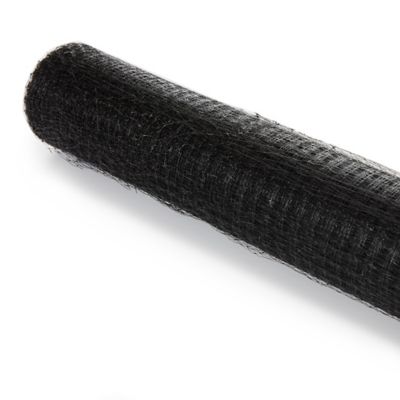
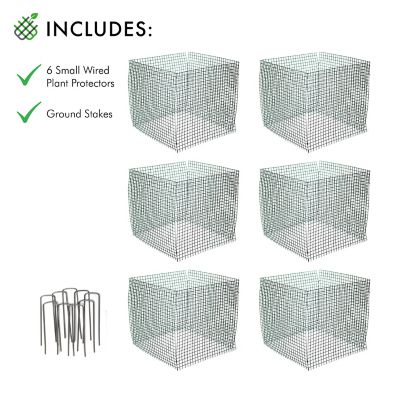
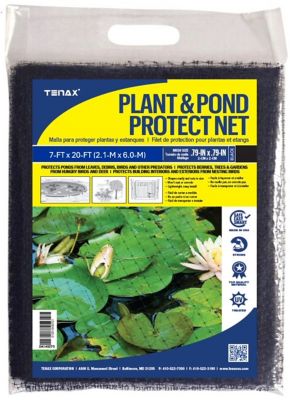
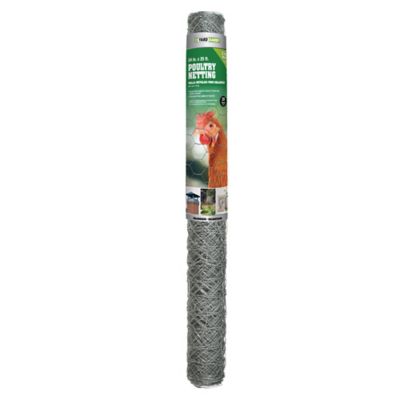
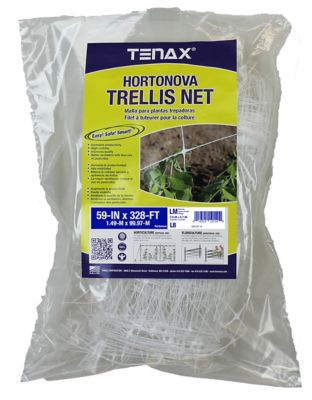
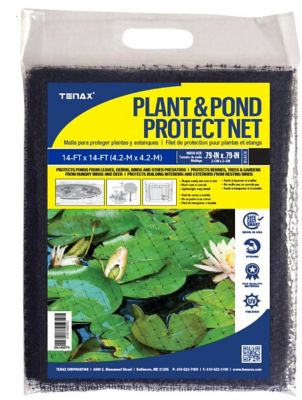
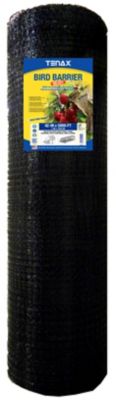
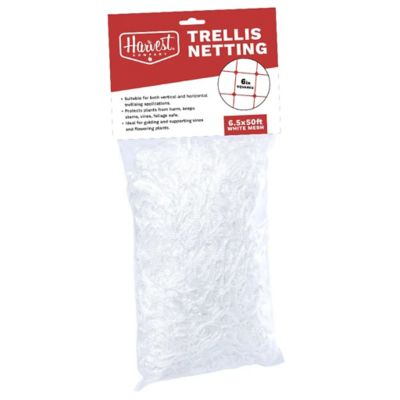
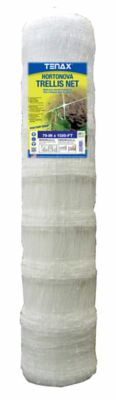
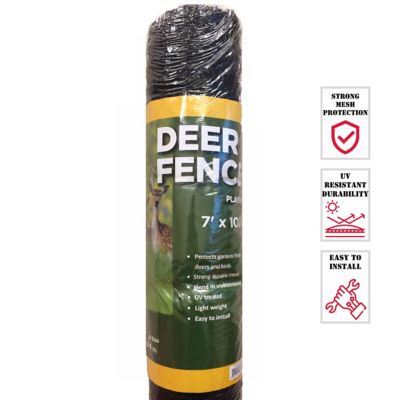
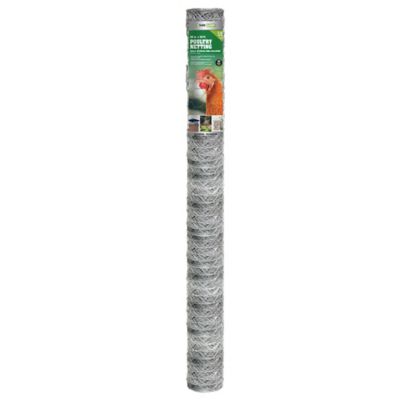
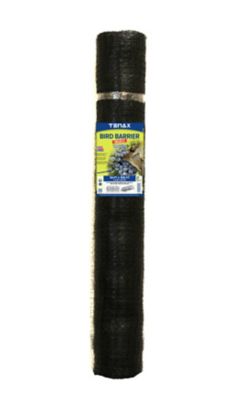
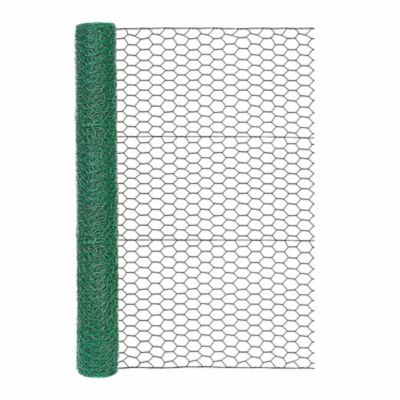
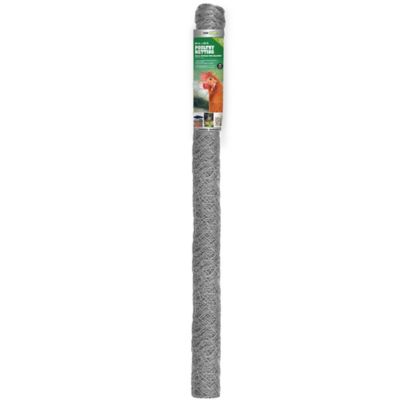
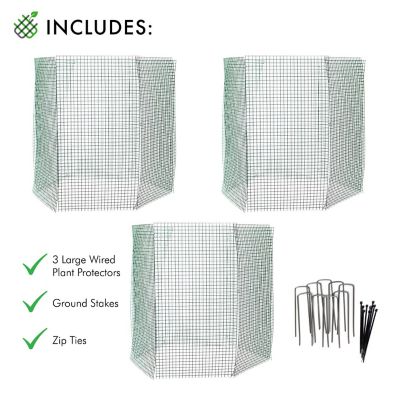
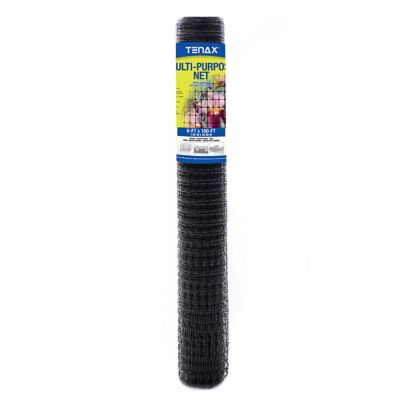
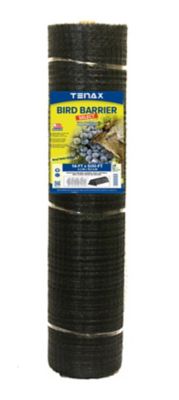
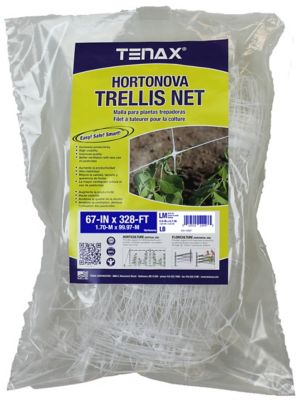
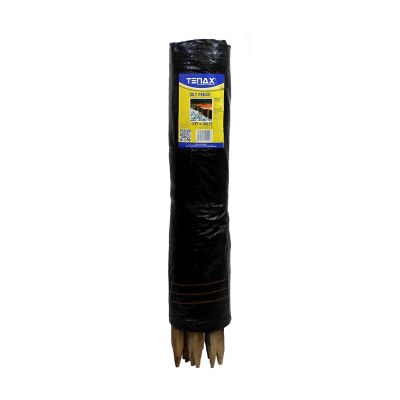
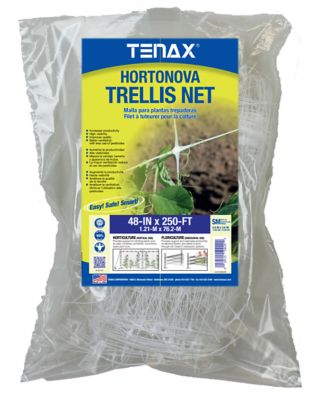
Plant protection nets offer a simple, dependable way to help shield garden crops, herbs, fruit trees and ornamental plants from birds, insects and small animals. Instead of spraying harsh chemicals over every row, a properly chosen net creates a physical barrier while still allowing sunlight, rain and fresh air to reach the plants underneath. Gardeners use netting over raised beds, in-ground rows, berry patches, container gardens and young trees, while homesteaders may use it to cover greens, root crops and other tender plantings that attract hungry visitors. A fine insect mesh can help block small pests such as aphids, flea beetles, cabbage moths and carrot flies, while a wider bird net is better suited for keeping birds and squirrels away from ripening fruit or newly planted seedbeds. The right choice depends on what you are growing and what you are trying to keep out. Tiny insects require a much finer weave than larger wildlife, and the net should be large enough to cover the full growing area with room to secure the edges. For more ways to organize a garden defense plan, browse
Plant Protectors alongside other helpful garden supplies.
Before choosing plant protection netting, take a careful look at the plants, pests and space involved. Measure the length and width of the bed, row or tree canopy, then allow extra material for draping and anchoring. A tight, undersized cover can leave gaps at the corners, while a little extra coverage makes it easier to tuck the edges into soil or fasten them around a frame. Mesh size matters just as much as overall dimensions. Ultra-fine insect netting is made to stop small flying and crawling pests while permitting light and air to pass through, making it useful for vegetables and herbs that are vulnerable early in the growing season or after fresh growth appears. Standard bird netting has larger openings designed to deter birds and small animals without weighing heavily on mature plants. If pollination is important, install insect netting after flowers have been pollinated, or lift the cover during the time beneficial bees and other pollinators need access. Always check plants regularly beneath the net, since a cover can make it easier to miss wilting leaves, disease or fruit that is ready to pick. During the cooler months, netting can also help protect late-season greens and hardy garden plants from nibbling wildlife, though it should not be treated as a substitute for a cold frame or other weather protection when freezing temperatures are expected.
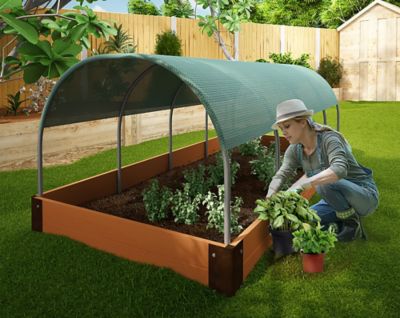
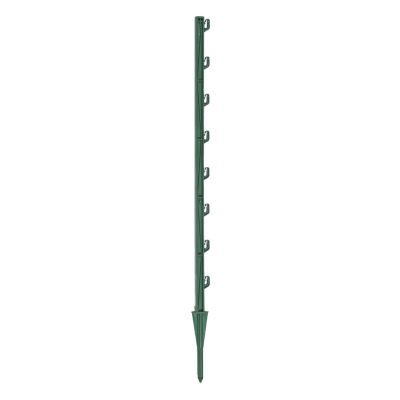
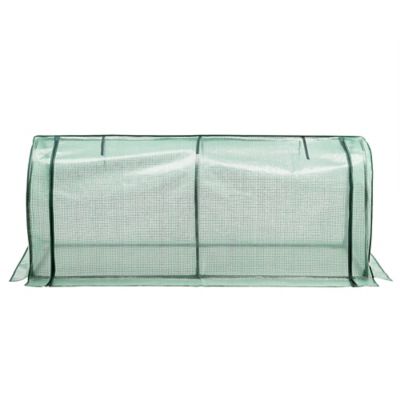
The best installation keeps the netting from resting directly on delicate leaves and gives pests no easy path underneath. Garden hoops, low frames, stakes or other supports can create a tunnel over a bed, allowing plants room to grow and keeping the mesh from rubbing against stems. Drape the material evenly, smooth out loose folds and secure the bottom edge all the way around with garden staples, soil, bricks, boards or other suitable weights. Even a small opening can invite a determined rabbit, squirrel or insect inside, especially where the cover meets the ground. For fruit trees and shrubs, fasten the net around the trunk or supporting structure without trapping branches or creating a snagging point. It is also smart to inspect the net after strong wind, heavy rain or handling around the garden, repairing tears before they become larger openings. Plant protection nets make a practical gift for a new gardener, a backyard grower, a homesteader or anyone who enjoys putting up a little extra produce for the table. They are useful during the transition between seasons, when gardens may still be producing while wildlife becomes more active around remaining food sources. Choose a durable, easy-to-handle material that suits the size of the planting area, the type of pest pressure and the amount of daily access needed for watering, harvesting and garden care.