Garden mesh helps protect plants, support climbing crops and create barriers around growing spaces, from a few raised beds beside the house to a vegetable patch beyond the barn. The right type depends on the job: fine insect netting limits access by certain pests, larger openings give vines something to climb, and metal mesh adds a barrier against chewing or burrowing animals. Those differences matter more than appearance alone. A loose trellis net will not stop flea beetles, and lightweight insect fabric is not a substitute for a rabbit fence. Opening size, material, strength and overall dimensions all play a part in matching garden mesh to the plants and animals involved. For insect protection, check the actual opening measurements and the pests listed in the material’s specifications. Mesh count generally describes the number of openings along an inch, but thread thickness also affects the space an insect could pass through. A screen that excludes a larger moth may still admit much smaller insects, so a higher mesh count alone does not tell the whole story. Fine netting also varies in how much light, air and water it lets through. Across a bed of leafy greens, a lightweight cover supported above the foliage can provide protection without resting heavily on tender leaves. Enough width to reach over the supports and down to secured edges helps close off gaps where insects could enter. Access matters, too: a cover needs room to lift for thinning, checking leaves and picking vegetables without snagging stems. Crops grown for leaves or roots often fit enclosed setups well, while squash, melons and many cucumber varieties need insect pollination to produce fruit. Covers over those crops call for access for pollinators or another pollination method. Mesh keeps a barrier between plants and pests; it does not remove insects already beneath it. Healthy starting plants, closed seams and regular checks all contribute to how well that barrier performs.
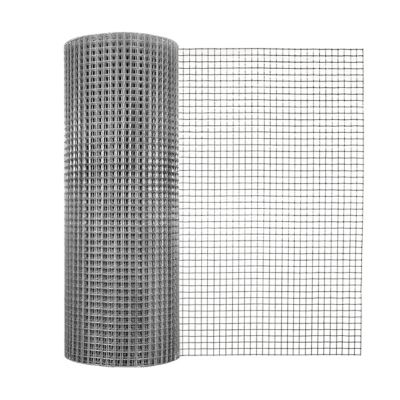
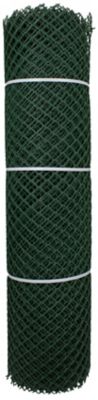
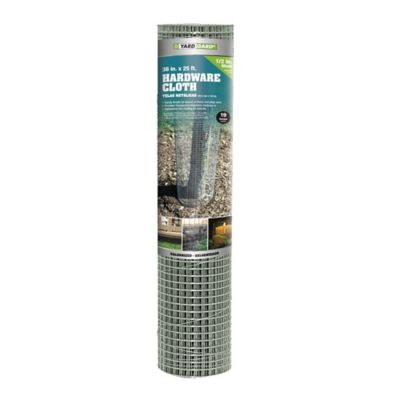
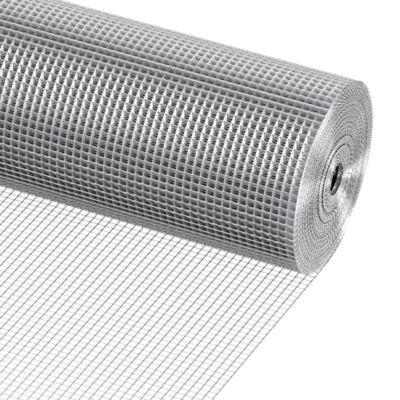
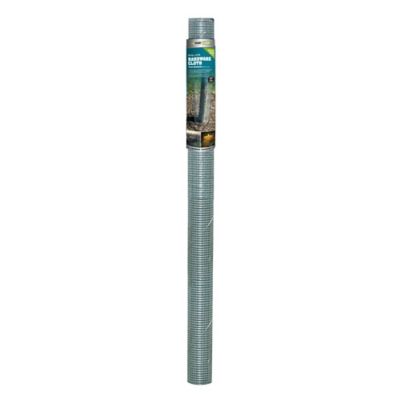
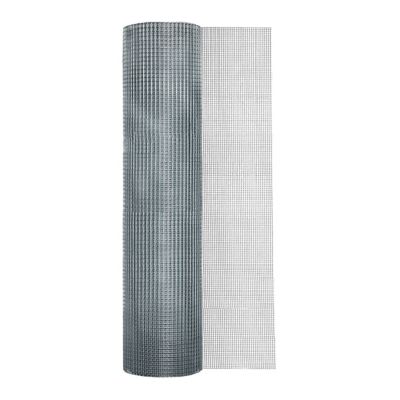
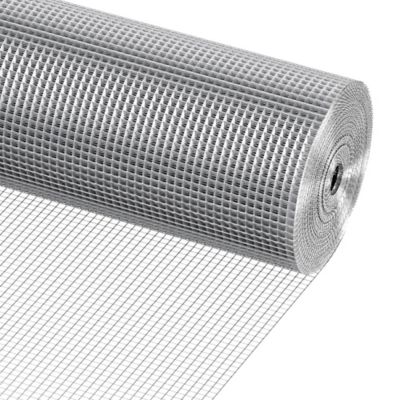
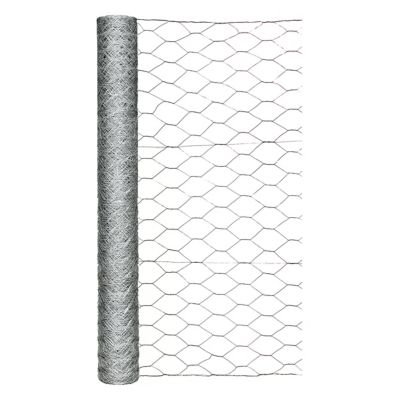
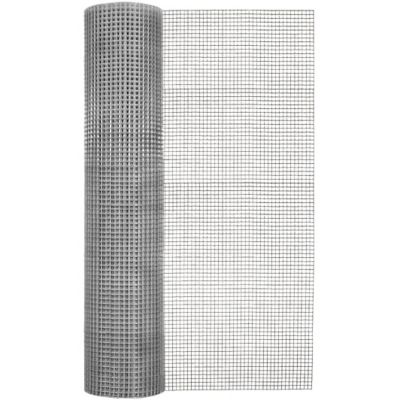
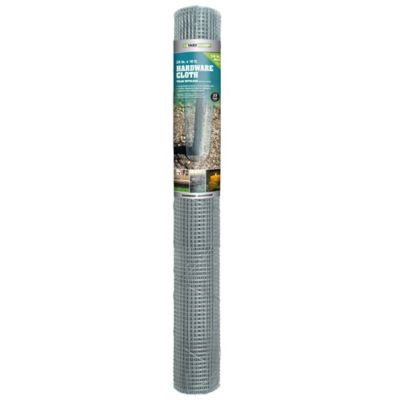
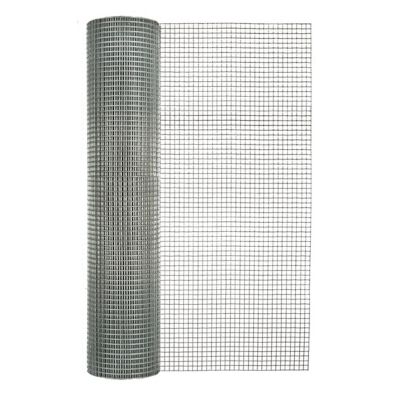
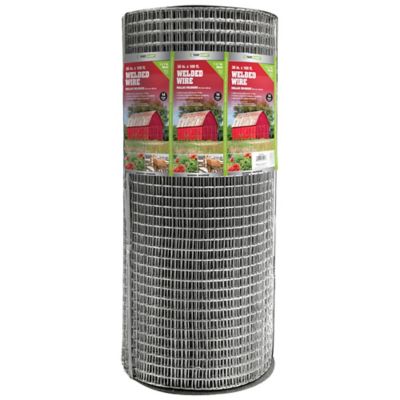
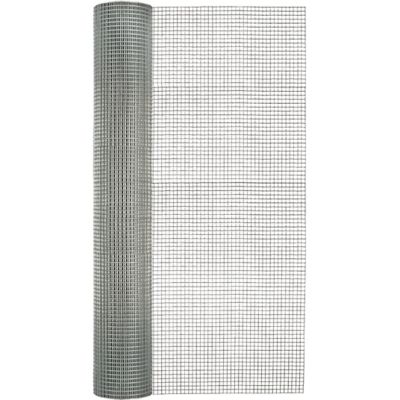
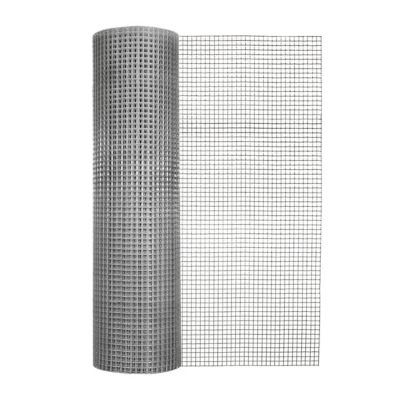
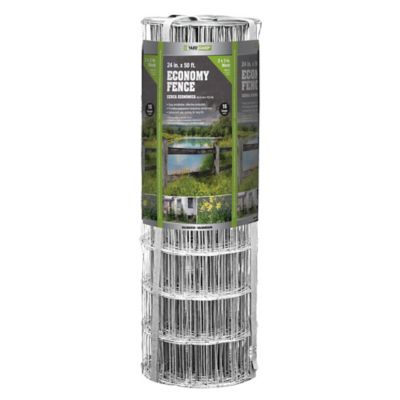
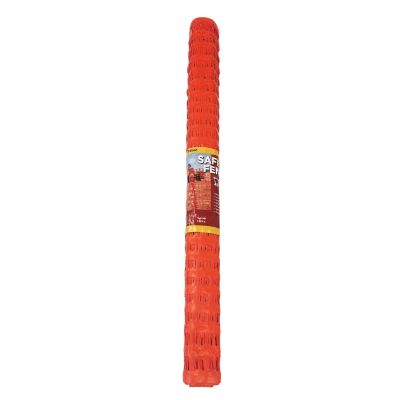
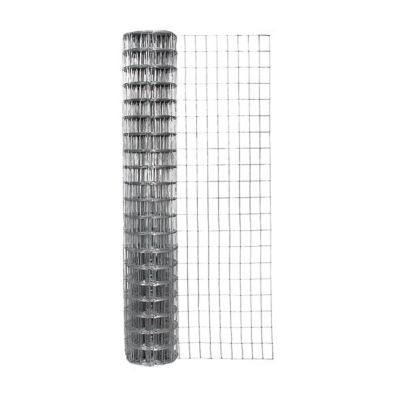
Material makes a big difference when garden mesh needs to stand between a hungry animal and a row of vegetables. Plastic mesh is lightweight and easy to handle across a broad area, though it is not the best match for animals that can gnaw through it. Woven synthetic insect fabric serves a different purpose, with small openings and a flexible feel suited to supported crop covers. Metal mesh offers a firmer barrier, with welded intersections or woven wire construction affecting how it bends, holds its shape and attaches to a frame. Galvanized wire has a zinc coating that helps resist corrosion, while coated wire adds a covering whose condition matters at cut ends and attachment points. Wire thickness is another consideration: with many common wire gauge systems, a lower gauge number indicates thicker wire, but the stated diameter is the clearest basis for comparison. For a more defined boundary around beds or planting areas,
Garden Wire Fences offer related options for building a perimeter. The animal determines the needed opening size, height and ground-level protection. Rabbits can squeeze through surprisingly small gaps, while deer require a much taller barrier than a low border around lettuce. Squirrels climb, and an open top leaves a route into an otherwise enclosed space. Mesh beneath a raised bed may help deter burrowing animals when the openings suit the target pest and adjoining sections meet securely. Along a fence, a secured bottom edge, buried section or outward-facing apron may help address digging, depending on the layout. No single mesh pattern handles every animal or every yard. Gate gaps, corners and connections to posts deserve as much attention as the main span. Exposed wire ends also need careful placement or a finished edge, especially beside narrow paths where a sleeve, hand or pet could brush against them. Gloves and suitable cutting tools make handling metal mesh more manageable.
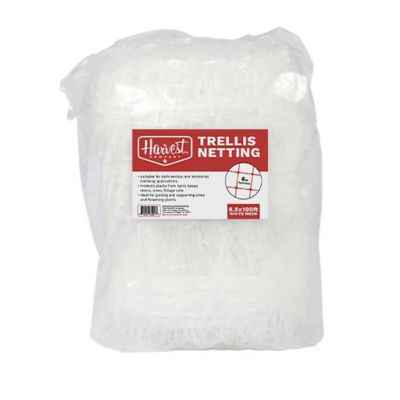
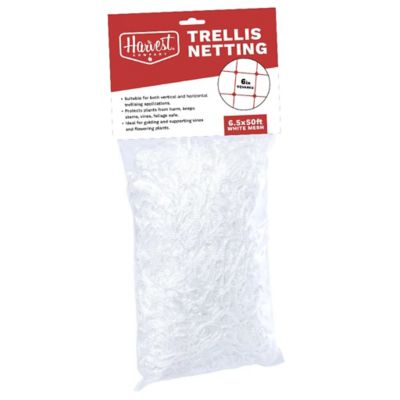
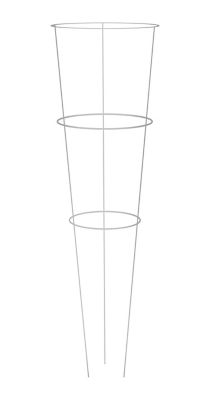
For climbing plants, garden mesh puts growing space above the soil rather than taking up another stretch of ground. Peas and pole beans can grip an open grid, while cucumbers often benefit from support that keeps vines organized and fruit within reach. Heavier crops need more than a loosely stretched net: the frame, anchors and attachment points must carry the weight of the plant and its fruit. Tomatoes generally need ties or clips rather than a surface alone, and large fruit may need separate support. Opening size affects everyday access as much as plant growth. A grid that allows a hand through can make picking beans easier, while smaller openings may mean reaching around the panel instead. Height should match both the crop’s growth habit and the gardener’s reach, especially beside a narrow walkway or a bed approached from only one side. Roll width, panel dimensions and the amount needed for overlaps help determine fit before anything is fastened down. A little room for securing edges is useful; a loose heap of netting along the ground is not. Well-supported, properly tensioned mesh is easier to work around and reduces loose pockets that could entangle birds or other wildlife. That matters around berry patches, where fruit protection should not leave slack netting trailing into nearby shrubs. For gardeners tending several beds, manageable sections can make access and storage simpler than one oversized cover. Care needs depend on the material, but routine checks for broken strands, split ties, rusted sections and pulled fasteners help catch weak spots before they become larger gaps. Removing clinging soil and plant debris, following the material’s cleaning directions and letting mesh dry before storage can help keep it ready for another planting. Plastic and fabric options benefit from protection from prolonged sunlight when not needed, while wire rolls need storage that contains sharp ends. From a backyard kitchen garden to a larger farmstead plot, a good fit means mesh that suits the crop, addresses the actual challenge and leaves enough room to tend the plants comfortably.