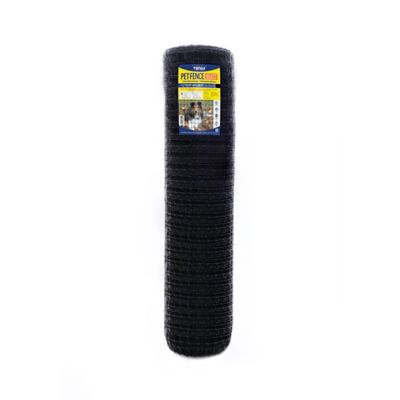
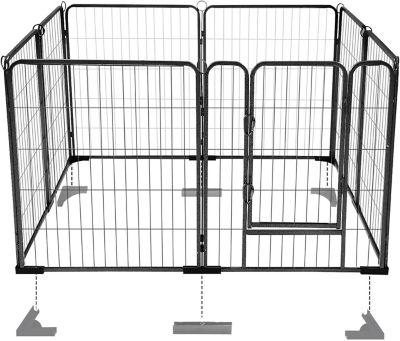
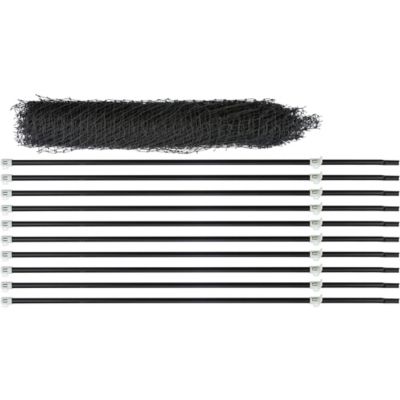
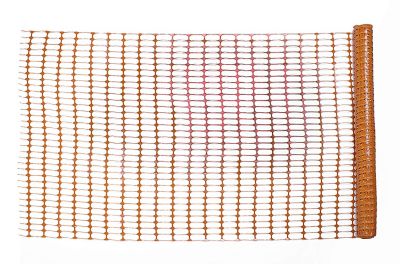
Pet fences create defined spaces for dogs and other household animals, with options ranging from permanent yard fencing to portable exercise pens and electronic boundary systems. Physical fencing provides a visible barrier, while electronic systems pair a boundary signal with a compatible receiver collar and training rather than enclosing the space with panels. The right setup depends on the animal, the property and how that space fits into everyday life. A fenced run beside the house can give a dog room to stretch while keeping the main driveway clear for feed deliveries. A portable pen can provide a supervised spot for a puppy near the back porch or a resting area away from foot traffic. Larger enclosures offer more room for movement, but square footage alone does not determine whether a fence suits a particular pet. Panel strength, fence height, opening size and the way the enclosure meets the ground all matter. Metal pet fencing commonly includes welded wire, chain-link mesh or rigid panels, with galvanized surfaces or protective coatings that help limit corrosion. Welded wire offers a relatively open view across the yard, while closely spaced panels can help restrict small animals from slipping through. Polymer mesh is lighter to handle, though its suitability depends on the animal’s chewing, pushing and climbing habits. A determined chewer may need a more substantial physical barrier than a calm dog that stays close to the house. Portable exercise pens often connect in different arrangements, making them handy for supervised activity in spaces where a permanent fence would get in the way. Their portability also means they need attention to stability, especially when a pet leans against the sides. Indoor enclosures need feet or contact surfaces suited to the flooring, while outdoor setups need support appropriate to the ground and the enclosure’s design. Across these styles, smooth edges, secure connections and accessible entry points make a difference in everyday handling.
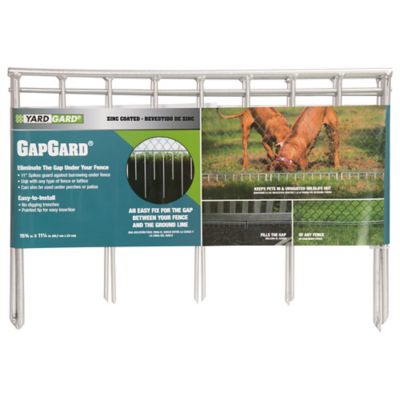
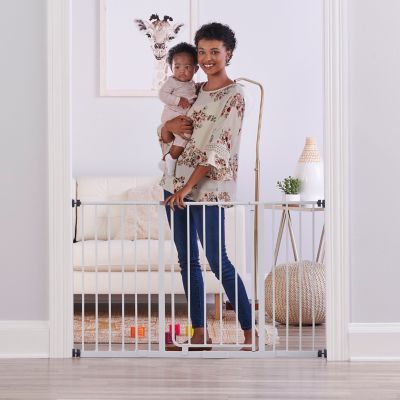
A pet fence needs to fit the animal’s behavior as well as its body. Small dogs and puppies need openings that keep their heads and bodies from passing through, including spaces beneath panels and beside gate frames. Growth matters, too: an enclosure that suits a young puppy may not provide enough height, room or strength a few months later. Tall, athletic dogs can challenge a fence by jumping or climbing, and nearby benches, stacked supplies or other raised surfaces can become launch points. Fence height should reflect that behavior rather than breed size alone. Dogs that dig need particular attention along the bottom edge, where a properly installed ground barrier or another compatible containment feature may help close off escape routes. Uneven ground can leave gaps even when the upper fence line looks straight, so dips, corners and gate openings deserve a close look. Secure latches are especially important around dogs that nose, paw or push at doors. A gate wide enough for a mower or wheelbarrow makes yard chores easier without requiring a section of fence to come apart. For doorways, hallways and other smaller openings,
Pet Gates offer a separate way to manage access between spaces. Cats and climbing pets may need a purpose-built enclosure with a secure top rather than an open dog run. Small animals also need protection from animals outside the enclosure; a fence that keeps a pet inside does not automatically keep predators out. Routine care helps preserve the barrier’s strength and function. Loose fasteners, bent wire, damaged coatings, sharp edges and worn latches can turn a sound enclosure into an escape route or injury hazard. Cleaning methods should match the material and finish, with attention to dirt collecting around hinges and joints. Portable panels need inspection after moving or folding, and chewing damage calls for attention before the next outing. A comfortable enclosure also leaves room for fresh water, a resting spot and movement without crowding the entry.
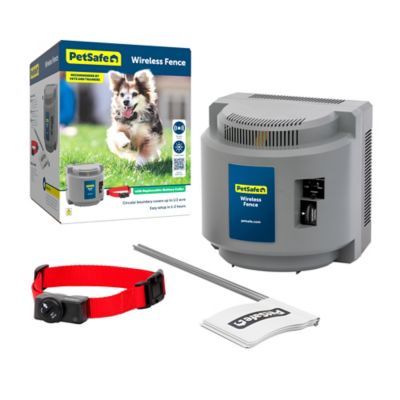
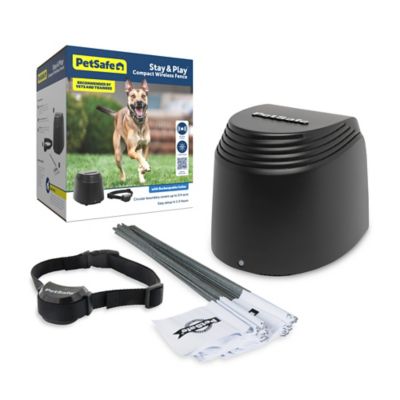
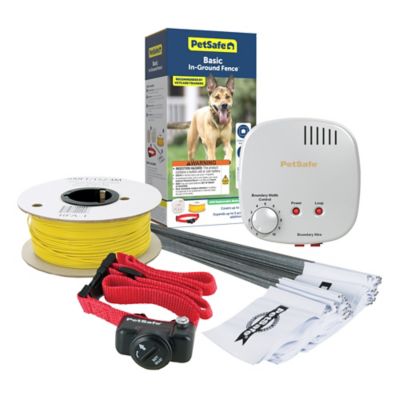
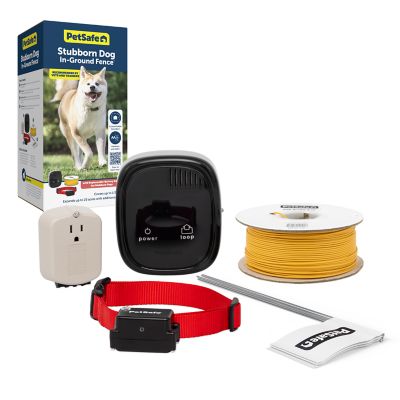
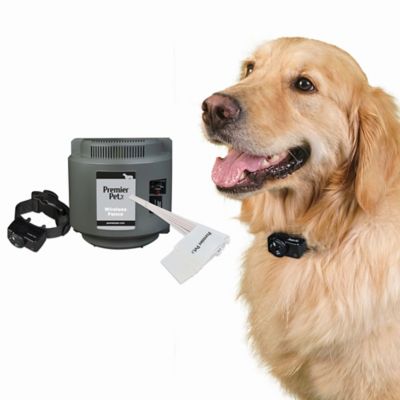
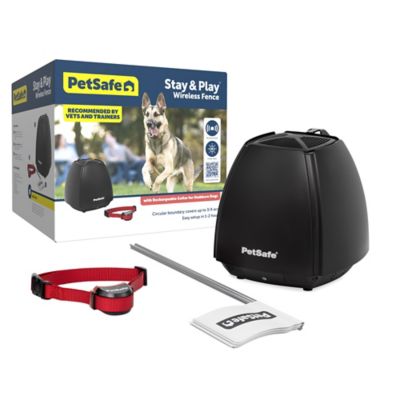
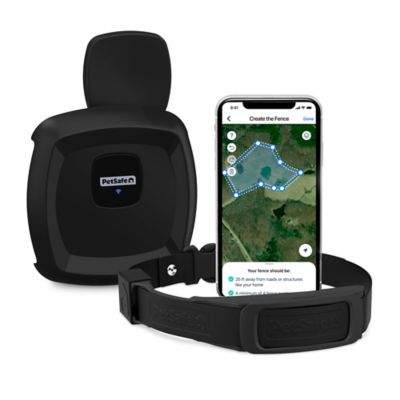
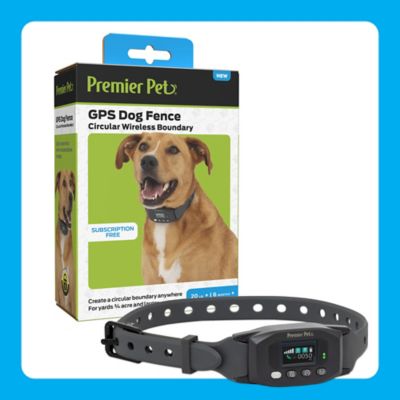
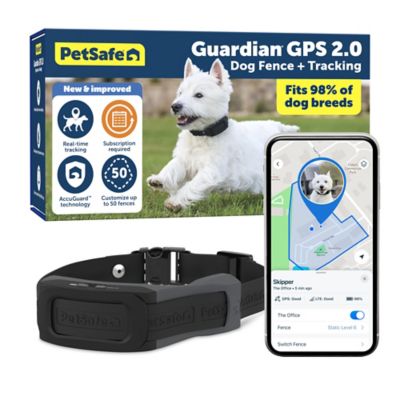
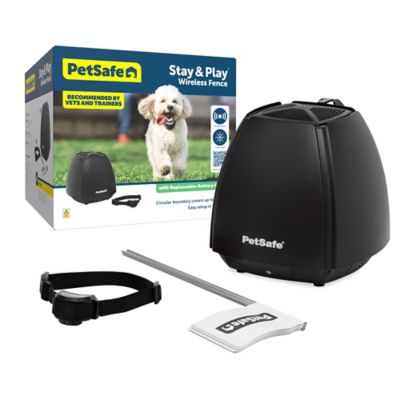
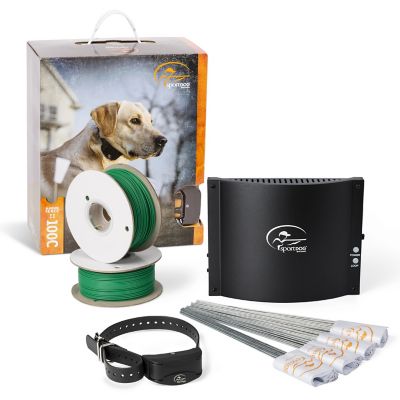
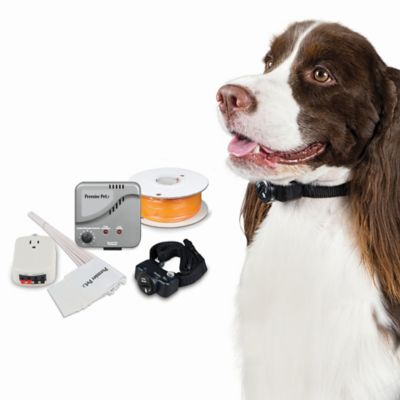
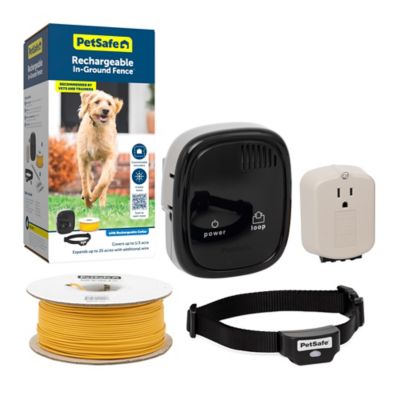
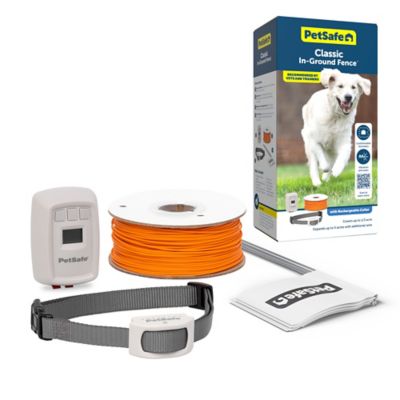
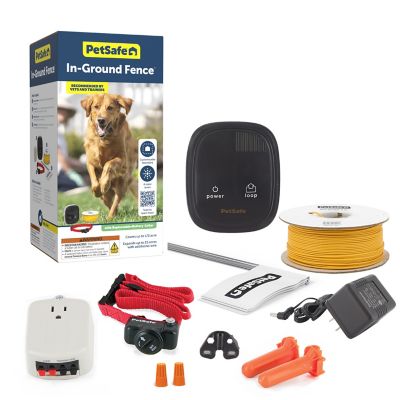
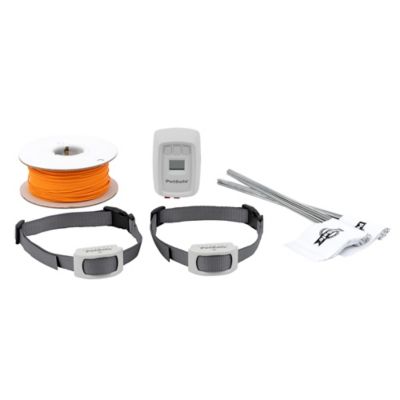
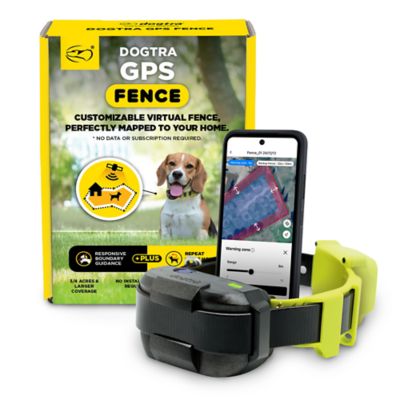
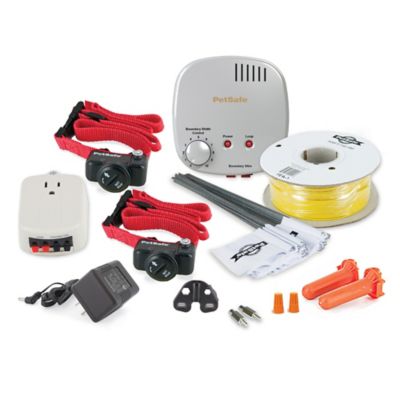
Electronic pet fences serve a different purpose from physical panels and mesh, and that distinction matters when comparing containment options. In-ground systems typically define a boundary with buried wire, while wireless systems establish a signal area from a transmitter. GPS-based systems use satellite positioning to establish a boundary, with operating requirements that vary by system. These approaches can leave the yard visually open, but they do not place a physical barrier between a pet and the road, neighboring property or visiting animals. They also do not keep other dogs, wildlife or people from entering the boundary. A dog following a scent or chasing an animal may cross despite the collar’s warning or correction, so electronic containment should not be treated as a guaranteed substitute for a secure physical enclosure. Property shape and surroundings affect suitability. Some wireless boundaries offer less flexibility around irregular lots, and buildings, terrain or other obstructions can affect performance depending on the technology. A boundary should leave a generous buffer from traffic and other hazards rather than run directly along them. Receiver collars also have fit, age and weight requirements, and compatibility matters when a household has more than one dog. The collar needs the fit specified by its manufacturer, along with regular skin checks and attention to wear-time limits. Training is part of the system, not an optional extra: dogs need gradual, supervised practice to understand where the boundary lies. Fearful dogs or animals with a strong chase response may need a different containment approach, with help from a veterinarian or qualified behavior professional when appropriate. Batteries, charging needs, wire continuity and signal checks add ongoing care that physical fencing does not share in the same way. Whether the goal is a supervised puppy space, an enclosed dog run or a defined yard boundary, pet fencing works best as part of everyday attention to the animal. Enough room to move, secure access, regular checks and a setup matched to the pet’s habits help make the space practical for both chore time and time spent together.