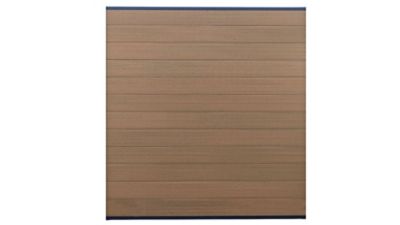
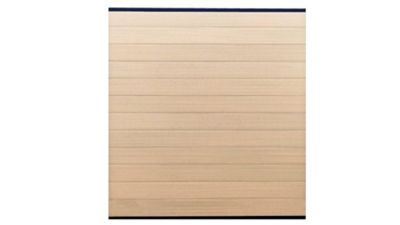
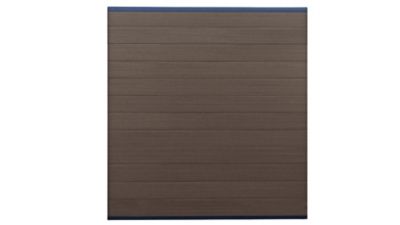
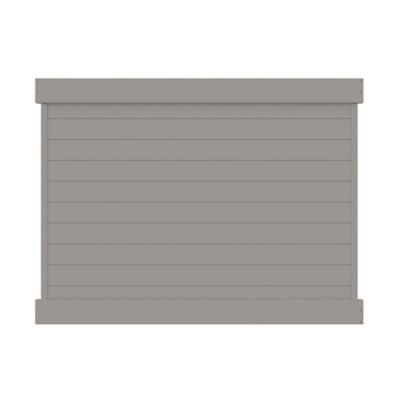
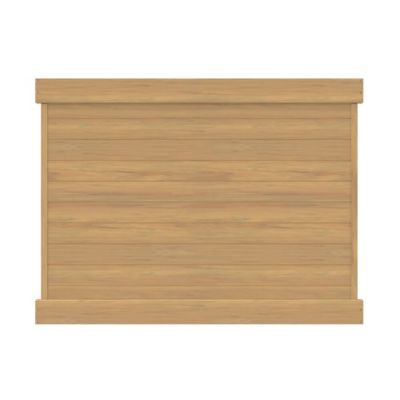
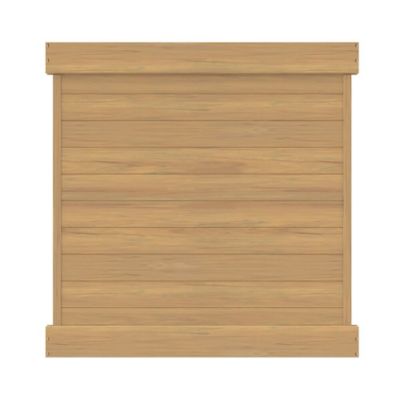
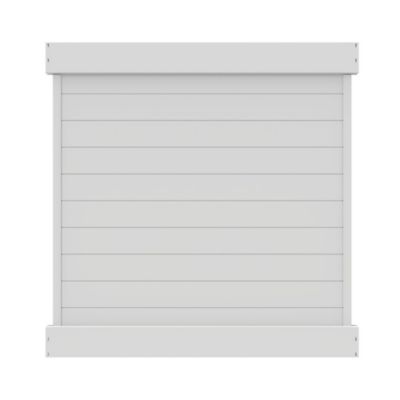
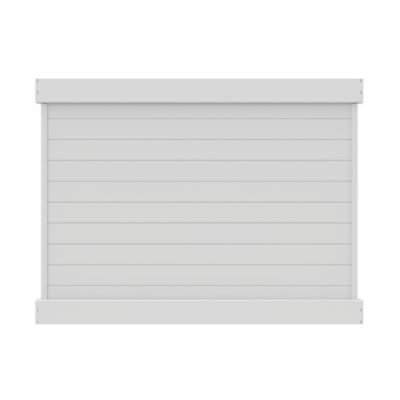
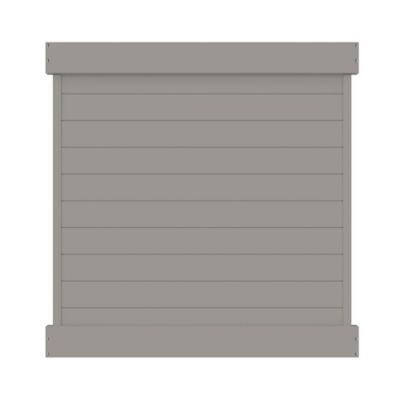
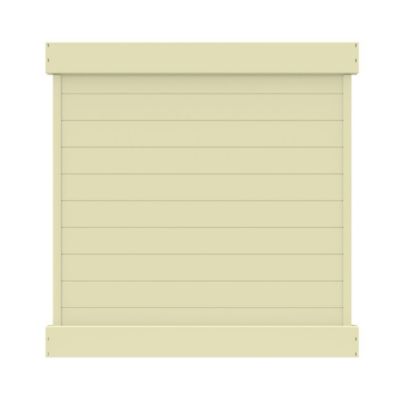
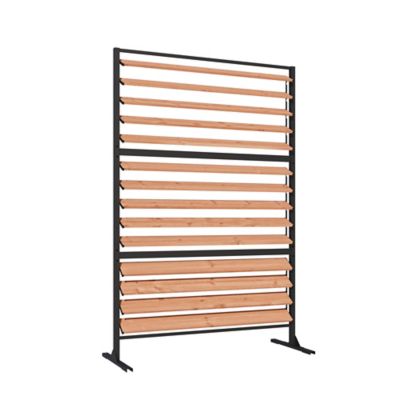
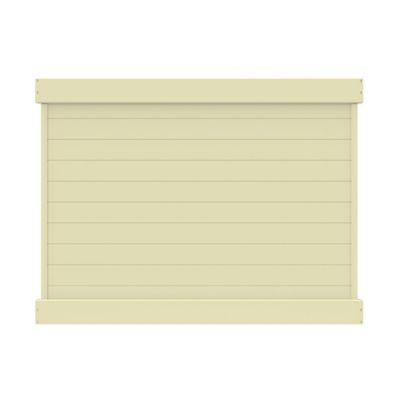
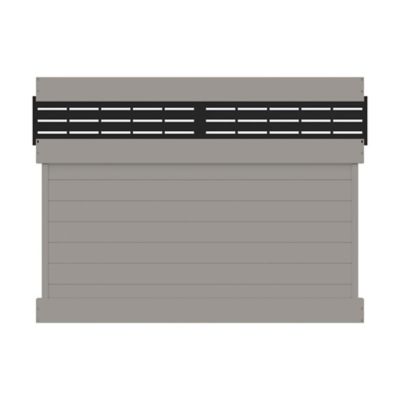
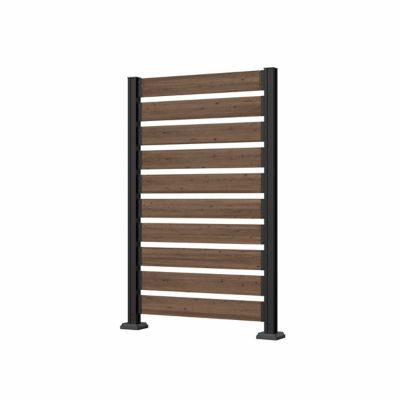
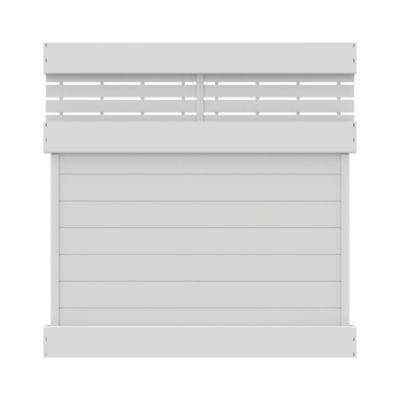
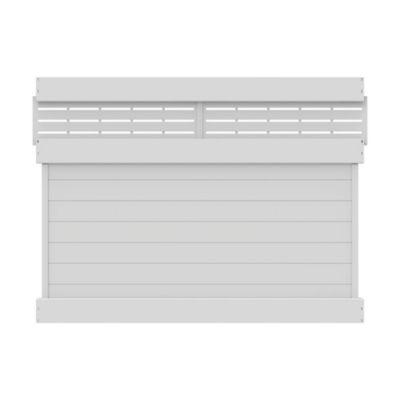
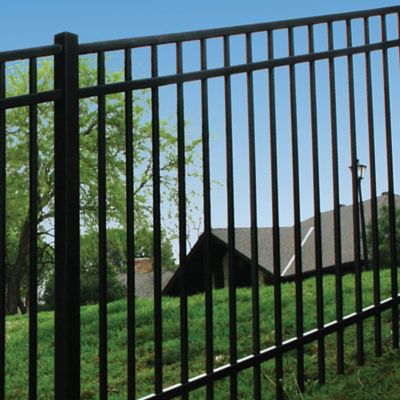
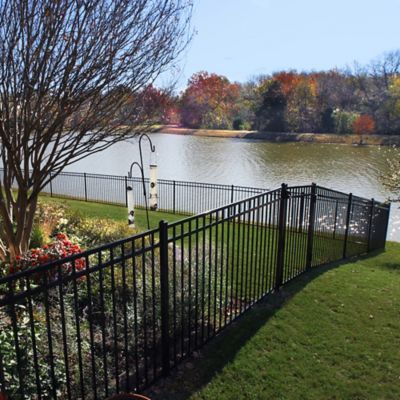
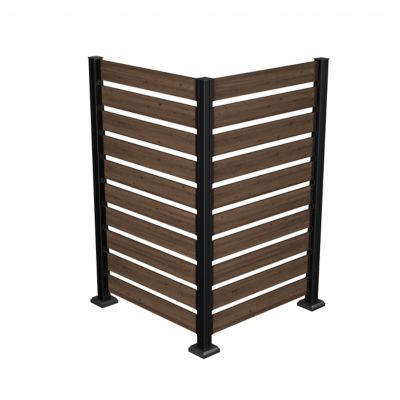
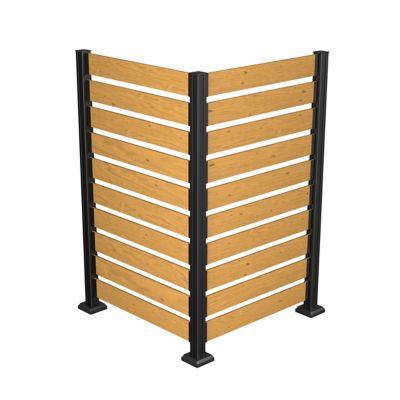
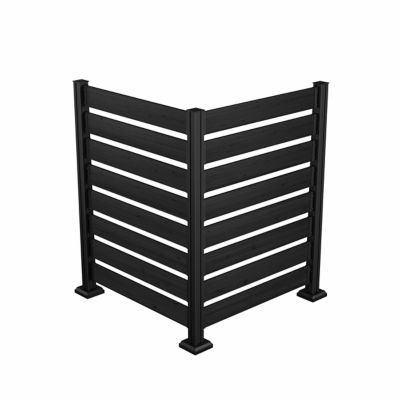
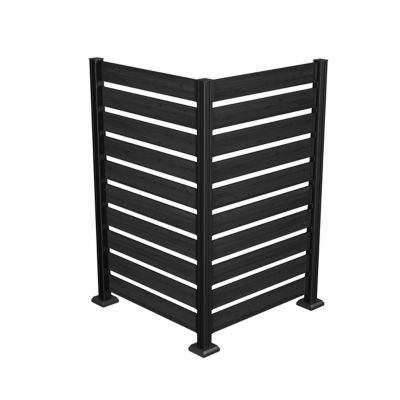
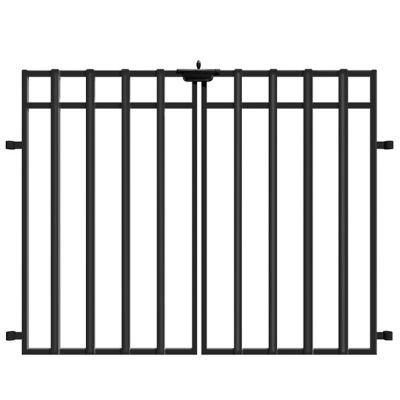
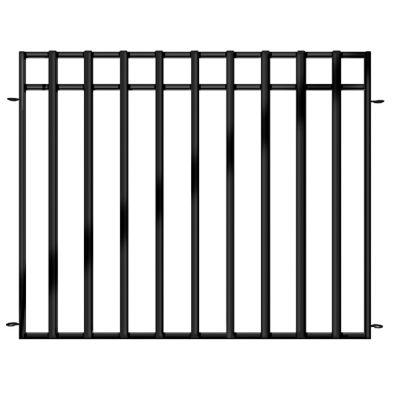
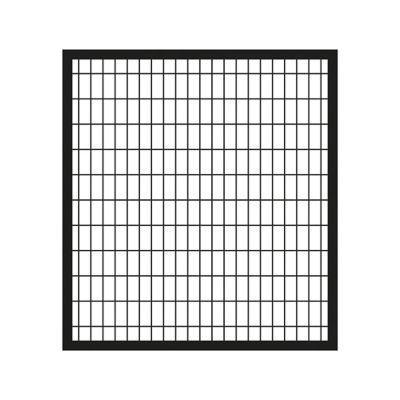
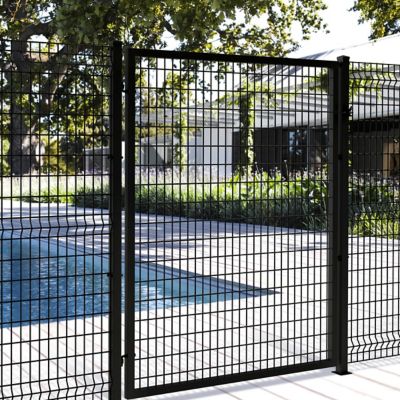
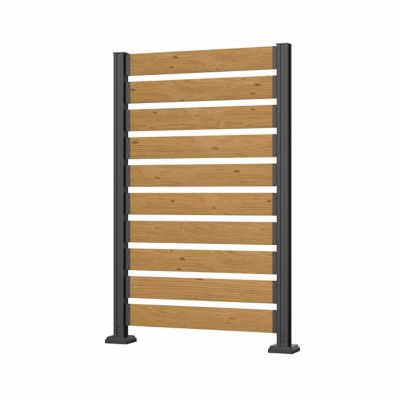
Private fences, often called privacy fences, create seclusion by blocking direct views into a yard, patio, or other outdoor space. They also help define property boundaries and separate everyday activities, whether that means keeping a backyard gathering out of sight of the road or screening a seating area beside the house. Unlike open rail or widely spaced picket fencing, privacy fencing relies on closely fitted boards, overlapping pickets, or solid panels to limit sightlines. The layout makes a difference in how enclosed a space feels. Tongue-and-groove panels have interlocking edges that help close the spaces between boards. Board-on-board fencing overlaps pickets to reduce views through the fence, though visibility still depends on spacing and viewing angle. Horizontal fencing runs boards from side to side for a clean, broad-lined appearance, while vertical boards give a familiar look alongside farmhouses, detached garages, and backyard sheds. Semi-private designs leave some openings between slats or include lattice sections, offering a middle ground between a solid enclosure and an open boundary. Those openings let light and air pass through, but they also allow more visibility. For a patio beside a neighboring driveway, a closely fitted panel may provide the separation that matters most. Along a garden edge, a more open upper section may feel less boxed in. Fence height, board spacing, and the elevation of nearby ground all affect the result; a solid fence does not necessarily block views from an uphill property or an upper-story window. Privacy fences commonly stand around six to eight feet tall, but permitted heights depend on local rules and placement. A taller fence is not automatically the better fit, especially where it could crowd a small yard or interrupt a view worth keeping. The right balance gives the space a clear purpose without making the whole property feel closed off.
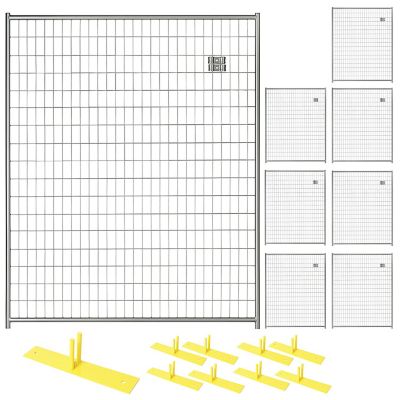
Material plays a big part in the appearance, upkeep, and service life of privacy fencing. Wood brings natural grain and a familiar feel that sits comfortably beside a gravel drive, garden plot, or backyard porch. Cedar and pressure-treated pine are common choices, though they have different treatment and care requirements. Cedar has natural resistance to decay, while properly treated pine can suit applications where protection against decay and insects is important. Posts that touch soil need material rated for ground contact; a board intended for an aboveground section is not an interchangeable substitute. Wood can change color, develop small checks, or move as its moisture content changes, so finish requirements and board spacing belong in the overall plan. Stain, paint, or a suitable sealer may help maintain the intended appearance, with preparation and reapplication based on the material and finish directions. Vinyl privacy fencing offers a consistent appearance without routine staining or painting. It does not rot like wood, but it still benefits from cleaning, sound connections, and care around equipment that could strike or gouge a panel. Composite fencing typically combines wood fibers with plastic, giving it a wood-like appearance with different upkeep needs than solid lumber. Its weight, expansion allowances, and support requirements vary by system, making compatible posts and rails important. Metal privacy fencing can include solid or closely arranged panels, with corrugated steel providing a distinctly practical look beside workshops and outbuildings. Not every metal fence blocks views; open aluminum pickets, for example, serve a different purpose unless paired with an appropriate screening design. Protective finishes, covered edges, and compatible fasteners matter with metal construction. Across materials, the strongest-looking panel is only one part of the assembly. Posts, rails, brackets, and gates need to work together so the fence stays aligned and functions as intended. Matching components by size and design helps avoid loose connections, unsupported spans, and gates that put more strain on a post than it was built to carry.
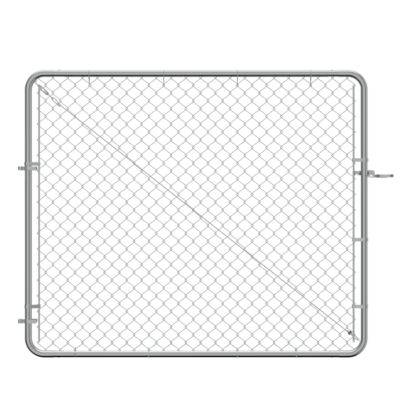
A privacy fence also needs to fit the way a property gets worked and enjoyed. A narrow walk-through gate may suit the path from the back door, while access for a riding mower, garden cart, or small trailer calls for more clearance. Gate openings need room for the equipment itself, its attachments, and a comfortable turning path on both sides. Hinges, latches, post support, and clearance beneath the gate all affect everyday operation. On sloped ground, stepped panels create a different bottom edge than sections designed to follow the grade, and that difference can leave openings that matter around pets. A yard shared with animals may also call for
Pet Fences, since visual screening and animal containment are different jobs. A solid appearance alone does not establish that a fence will contain a particular dog, and ordinary backyard privacy fencing should not be assumed suitable for livestock. Height, climbable rails, gaps, digging behavior, and latch placement all deserve attention when animals share the space. Property lines, easements, utility access, and local requirements matter just as much as the fence style, particularly beside roads, shared drives, and neighboring lots. A property survey helps establish boundaries, and underground utilities need to be located before post holes are dug. Pool enclosures have separate requirements that a general privacy layout may not meet. Once the fence is in place, a clear strip along its base makes mowing, trimming, and inspection easier. Soil piled against boards, vines pulling on panels, and stored materials leaning against a section can shorten its working life or put stress where it does not belong. Routine attention to loose hardware, damaged finishes, shifting posts, and gate alignment helps keep small problems from spreading. For homeowners, acreage owners, and anyone making a little more room for private outdoor time, well-matched fencing brings together seclusion, practical access, and a boundary that feels at home on the property.