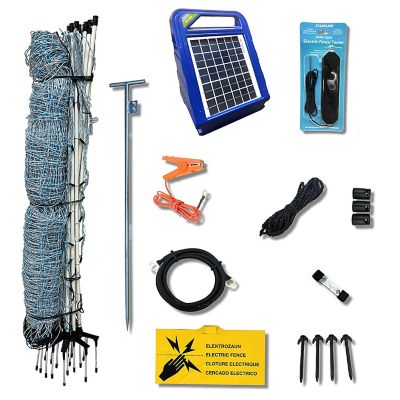
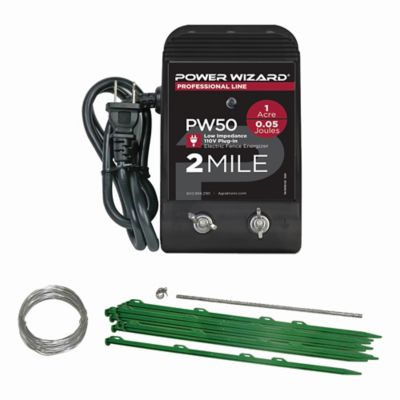
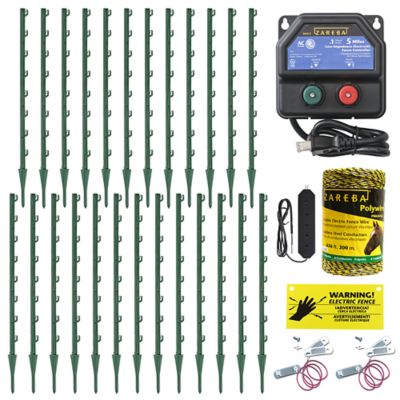
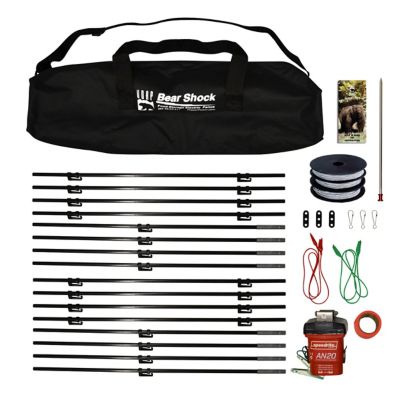
Electric fences are livestock-containment and animal-deterrent systems that send brief electrical pulses through conductive wire, tape, rope, or netting. When an animal touches an energized conductor while also contacting the ground, the completed circuit delivers a shock that discourages further contact. Unlike a solid physical barrier, an electric fence depends on animals learning to respect the boundary, along with a layout and power source suited to the job. The main components include a fence energizer, conductors, posts, insulators, grounding equipment, and gate connections. Each part has a role: the energizer supplies the pulse, insulators keep electricity from escaping through posts, and the grounding system provides a return path through the soil. Plug-in energizers suit fence lines within reach of an appropriate electrical supply, while battery-powered and solar-powered fence chargers serve areas away from an outlet. Solar setups pair a panel with a battery, making panel placement and battery condition important considerations. Energizer selection involves more than the distance around a pasture. The number of energized strands, contact with vegetation, soil conductivity, and the type of animal all affect the demands on the system. A long fence line with several conductors presents a different load than a short, clear paddock boundary. Output joules describe the energy delivered in a pulse, while advertised mileage ratings generally reflect favorable conditions rather than every working farm layout. Manufacturer recommendations help connect those ratings to the actual fence. Planning for an additional paddock or a longer grazing lane also matters when comparing equipment. A charger that suits a small holding pen may not suit an expanded pasture network. For cattle owners, horse keepers, and folks managing smaller livestock, the goal is a balanced system with compatible parts, enough energy for the intended application, and a power source that fits the property’s daily routine.
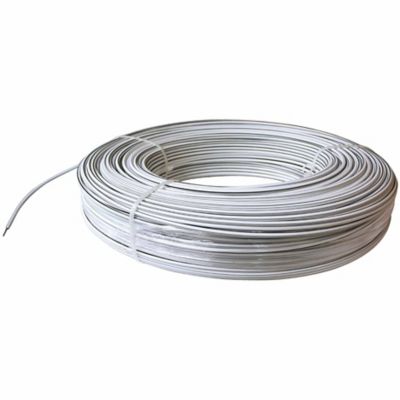
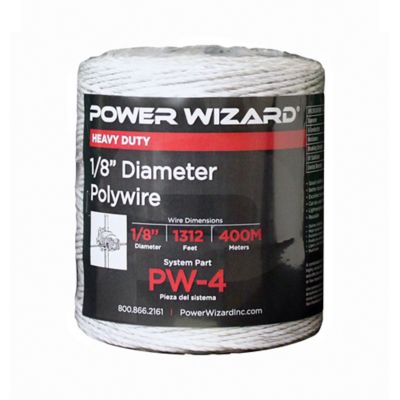
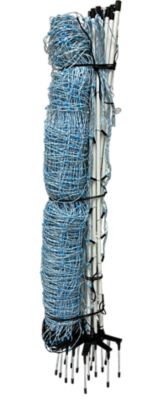
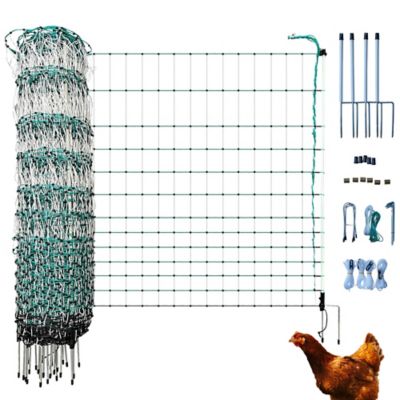
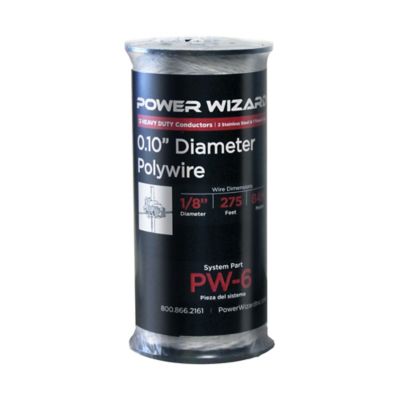
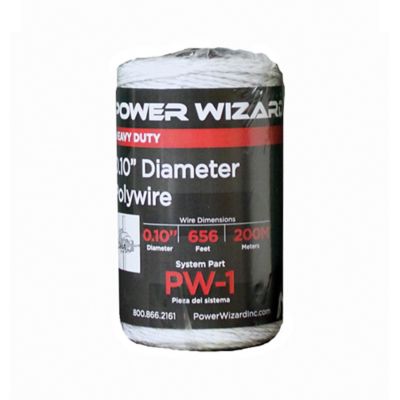
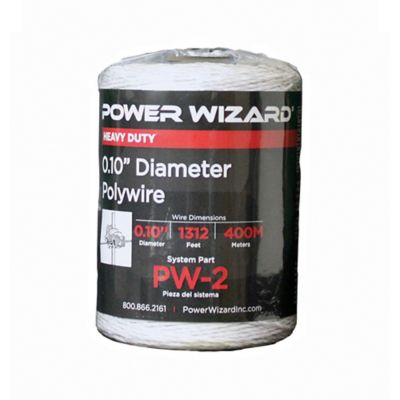
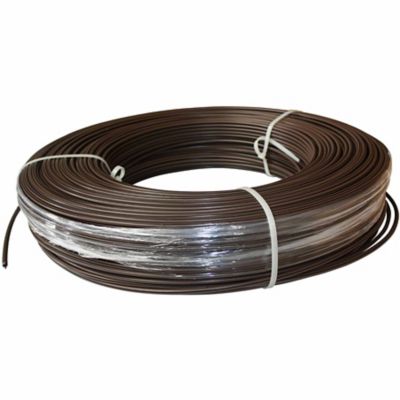
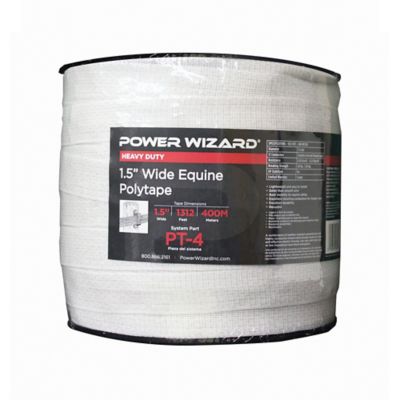
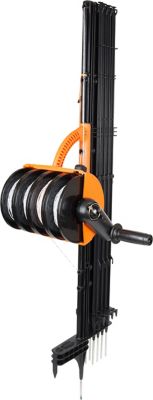
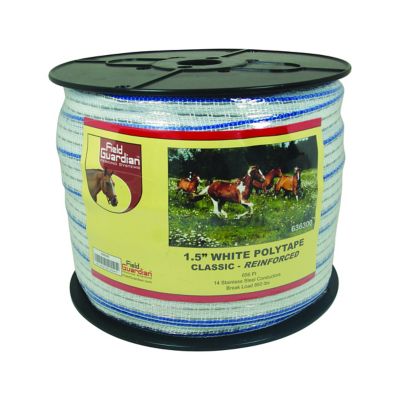
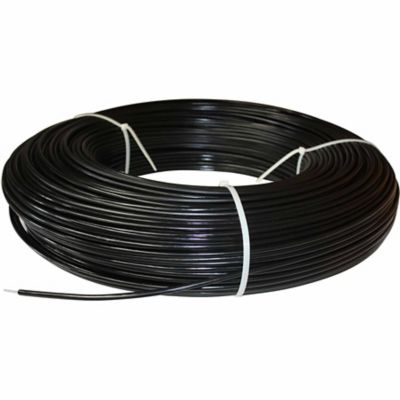
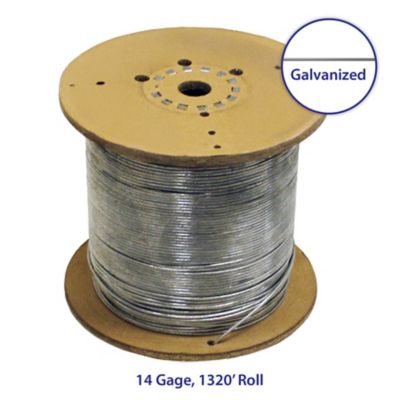
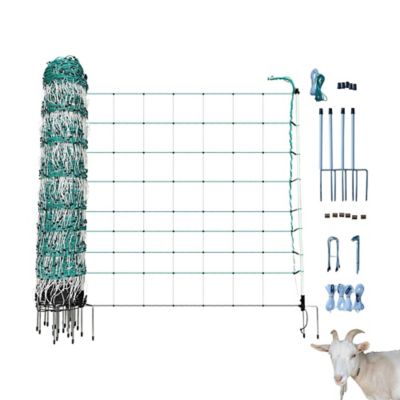
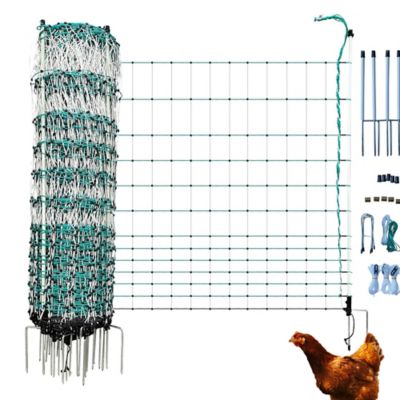
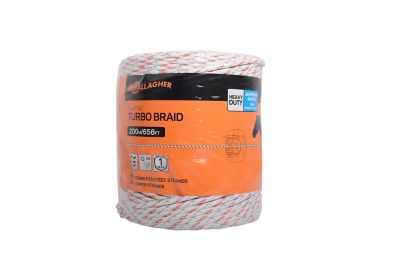
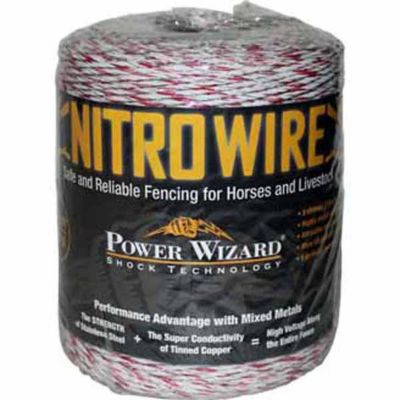
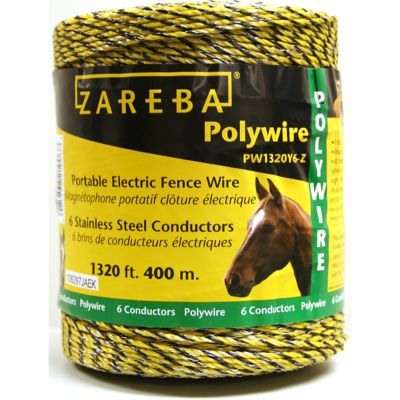
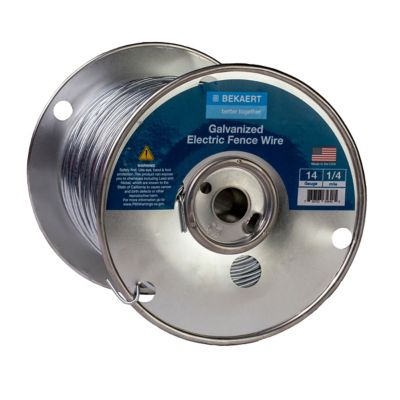
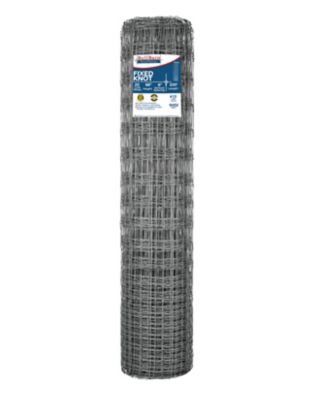
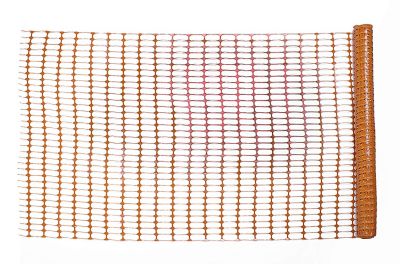
Fence materials shape how an electric boundary looks, handles, and performs around animals. Galvanized steel wire offers strength and conductivity for fixed installations, while high-tensile wire requires posts, braces, and tensioning hardware suited to the load. Polywire, polytape, and polyrope combine lightweight synthetic material with metal conductors, making them practical choices for movable paddocks and grazing divisions. Wider tape gives horses a more noticeable boundary than a thin wire, though visibility alone does not make a fence suitable for every horse or enclosure. Conductor thickness, metal content, breaking strength, and compatible connectors all deserve attention. Connections between different materials must follow equipment guidance because a poor match can lead to corrosion or reduced electrical performance. Cattle often learn to respect a clearly established electric boundary, while sheep and goats can present different challenges because of wool, hair, smaller body size, and a tendency to test openings. Strand height and spacing need to fit the animals rather than follow a single pattern for every pasture. Young animals may require a different arrangement from mature stock, and animals unfamiliar with electric fencing need an appropriate introduction in a secure enclosure. Poultry and small-livestock netting combines closely spaced horizontal conductors with upright supports, creating a movable boundary for suitable applications. Netting still calls for careful selection around animals that might become tangled, particularly those with horns. Step-in posts and reels suit frequently moved divisions, while permanent corners and gates call for more substantial support. A narrow grazing strip beside a barn lane has different requirements than a perimeter along a property line. Where a stronger physical barrier is part of the plan, woven-wire options in
Field Fences can complement a separate electric offset when the overall fence design permits. That combination can help discourage animals from leaning or rubbing against the main fence. Electric fencing can also help deter certain wildlife, but results depend on the species, placement, maintenance, and surrounding conditions; no single arrangement keeps every animal in or out.
Everyday upkeep plays a big part in electric fence performance. Grass leaning against a lower strand, a cracked insulator on a corner post, or a loose connection near a gate can draw energy away from the rest of the line. A compatible fence tester helps distinguish an energized fence from one that is delivering enough voltage for its intended purpose; a visual check alone cannot show that difference. Grounding problems can also limit performance even when the energizer appears to be operating, so ground rods, clamps, and connections need to match the manufacturer’s requirements and local electrical rules. Grounding arrangements must remain separate from building electrical grounds as directed by the equipment instructions. Along the fence itself, smooth conductors, sound posts, secure connectors, and appropriate tension help maintain a consistent boundary without sagging loops or unnecessary strain. Insulated gate handles and properly designed gate connections support everyday access for feeding, hauling, and moving livestock. Gates deserve particular attention because repeated opening and closing can loosen hardware or damage flexible connections. Portable fencing benefits from orderly storage, with reels keeping conductors manageable and netting put away without knots or trapped debris. Battery terminals, charging equipment, and solar panels also need routine inspection according to their care instructions. Around homes, lanes, and shared property edges, visibility and required warning signs help people recognize an energized boundary. Children, visitors, pets, and animals unfamiliar with the enclosure need appropriate separation and supervision. Barbed wire should not be electrified, and electric fencing is not a substitute for a suitable physical barrier where escape could put animals or people in danger. Fence wire requires a purpose-built fence energizer, never a direct connection to household current. With the right combination of conductors, supports, grounding components, and access points, an electric fence can serve anything from a movable grazing division to a working pasture boundary while fitting the chores and livestock on the place.