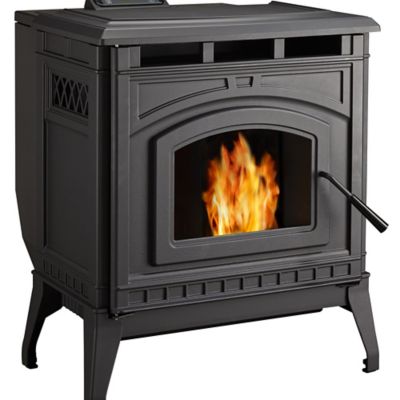
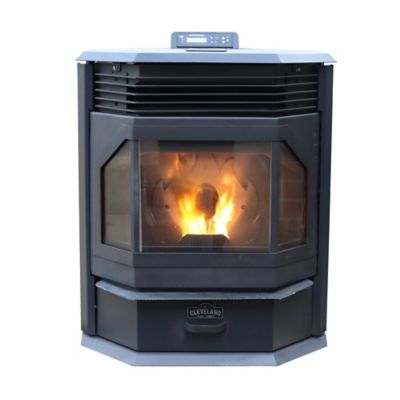
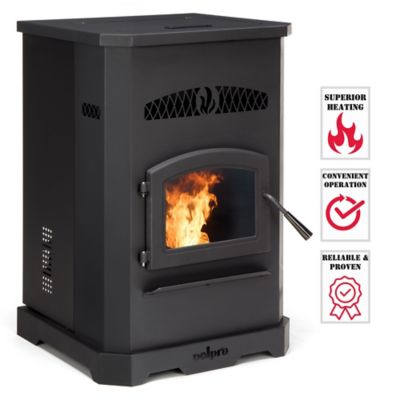
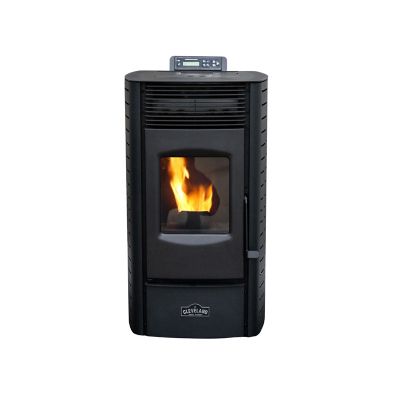
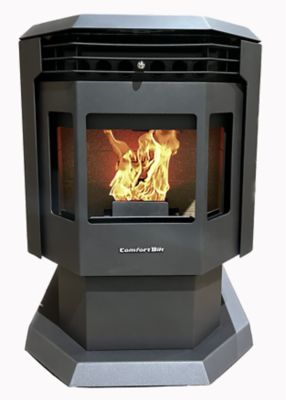
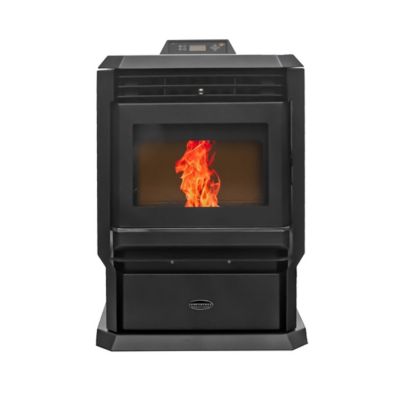
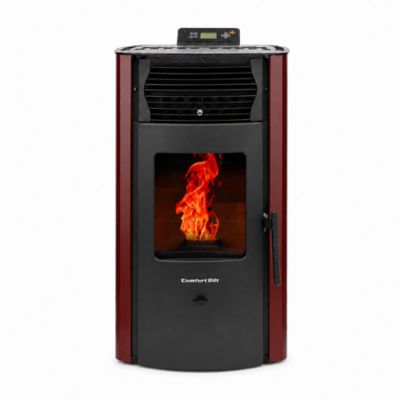
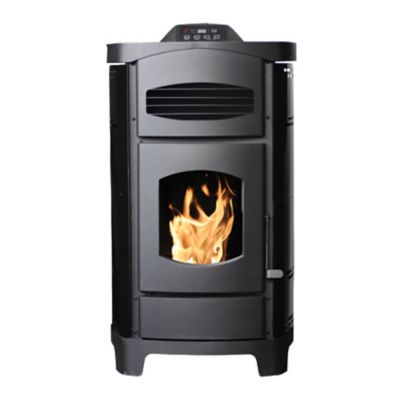
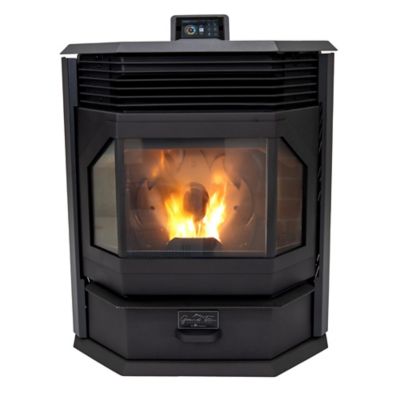
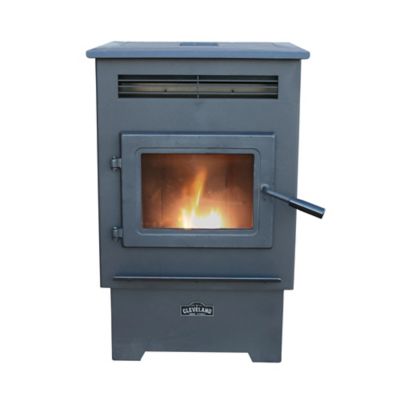
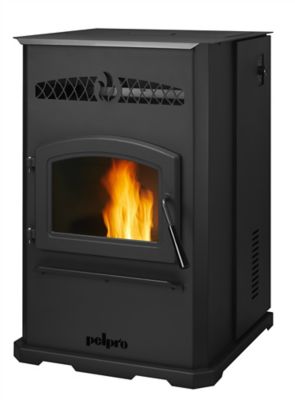
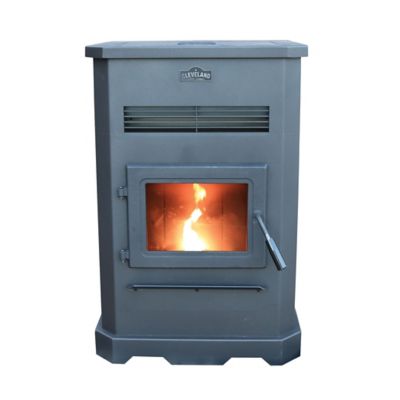
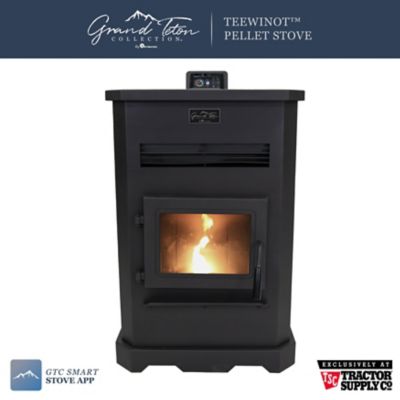
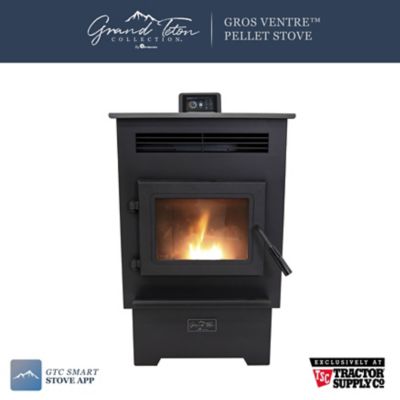
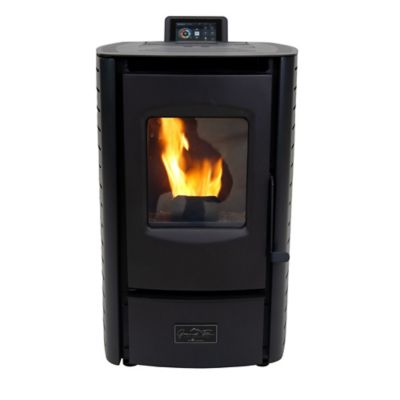
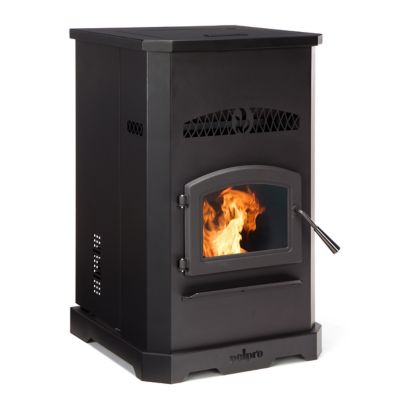
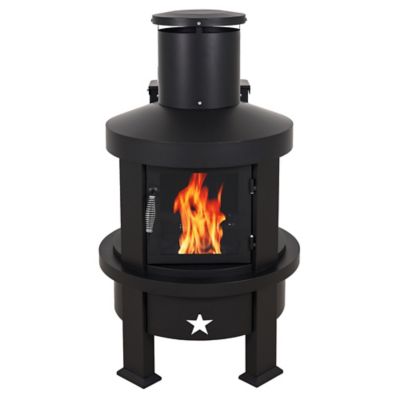
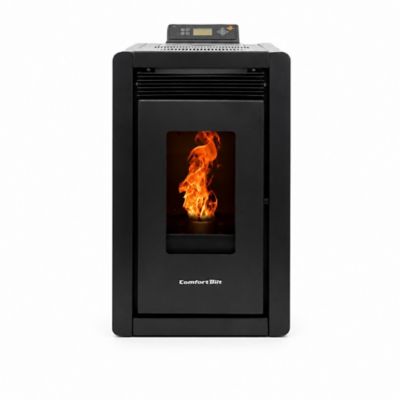
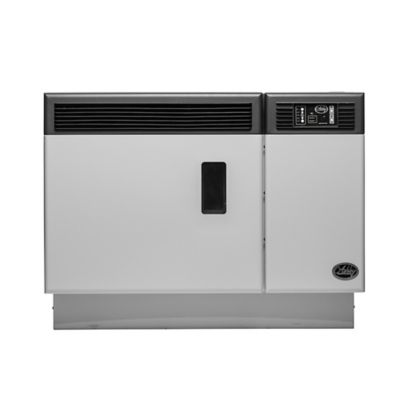
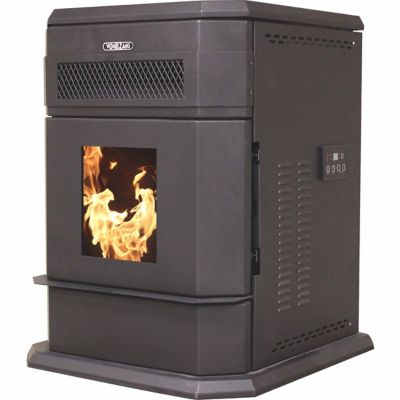
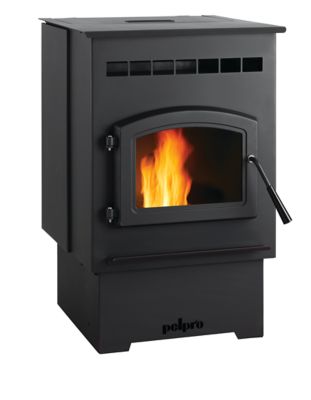
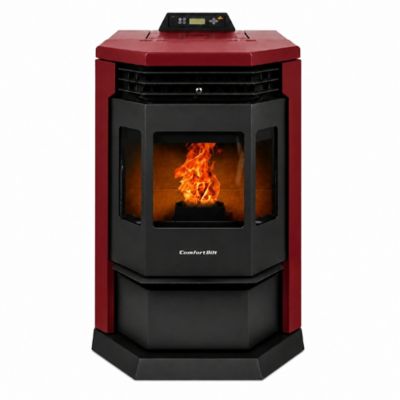
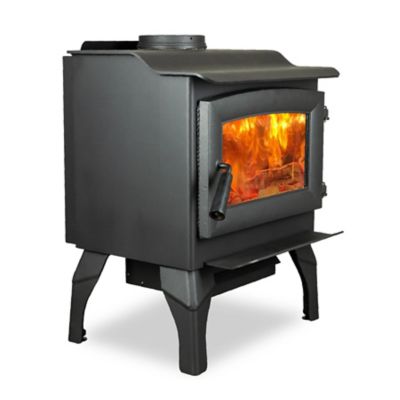
A pellet stove with top vent is a pellet-burning heating appliance with an exhaust connection at the top of the stove rather than directly out the back. That upper connection lets the vent pipe rise above the appliance before following an approved route outdoors. For a farmhouse living room, a cabin gathering space, or a downstairs sitting area, this arrangement can give the installation a tidy, upright profile similar to a traditional wood stove. It can also simplify certain vertical vent layouts, though a top outlet does not automatically mean the stove can sit closer to a wall. Required clearances depend on the appliance, the vent system, nearby materials, and the manufacturer’s installation instructions. Some pellet stoves have a true top exhaust outlet, while others have a rear outlet that connects to an approved adapter or an upward-running pipe. Those arrangements may look similar once installed, but they are not interchangeable, and an upward pipe alone does not make a stove a top-vent model. The outlet location and approved vent configurations are worth checking when comparing pellet stoves for a particular room. Inside the appliance, a hopper holds pellets, an auger meters fuel into the burn pot, and powered fans support combustion and move heated air into the room. Many models offer electronic controls, adjustable heat settings, or thermostat operation to help manage comfort as outdoor temperatures change. The appeal is easy to picture: a visible flame behind the glass, steady warmth near the chairs, and less frequent fuel loading than tending a cordwood fire. Pellet heat still involves carrying fuel, emptying ash, and regular cleaning, but it can suit households that want a fire’s warmth without hauling split logs indoors. During the cooler months, that makes these stoves a practical consideration for everyday living spaces where folks spend time after chores, supper, or a long day outside.
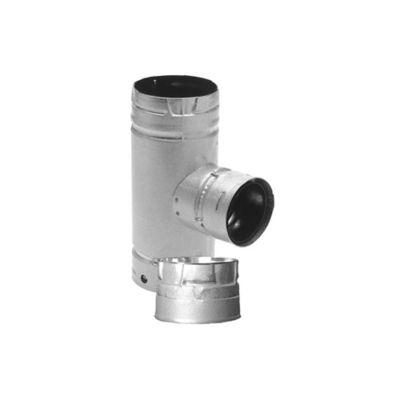
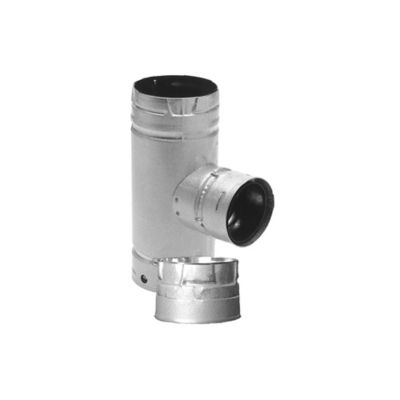
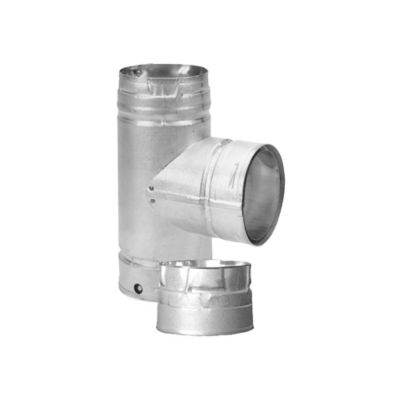
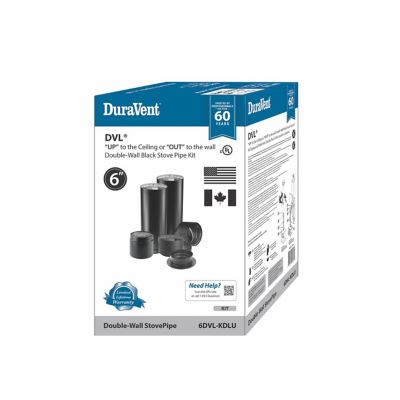
The right fit involves more than finding an open patch of floor. A top-vent pellet stove needs room for the appliance, its required clearances, floor protection, hopper access, and the full vent route. A corner that looks roomy at first may become tight once the pipe, nearby trim, and space for service are taken into account. An upper exhaust connection can reduce the need for certain fittings directly behind the stove, but the final footprint still comes down to the listed installation requirements. Depending on the model and approved system, venting may rise through the ceiling and roof or include a turn toward an exterior wall. Pipe diameter, total height, horizontal sections, elbows, and termination placement all affect what is permitted. Pellet exhaust requires vent components approved for the appliance, with the specified joints, supports, and protection wherever the system passes through a wall or ceiling. Ordinary stovepipe is not a substitute for a listed pellet vent system. A qualified installer can evaluate the route, local requirements, combustion air needs, and any limitations of an existing chimney. Heat output deserves the same attention as pipe placement. Published heating-area figures provide a starting point, not a promise that warm air will reach every bedroom down a hallway. Insulation, ceiling height, drafts, floor plan, and outdoor conditions all influence results. A broad, open living area generally allows heat to circulate more freely than several rooms divided by narrow doorways. Both the stove’s higher output and its lower operating range matter; a stove that can ease back during milder weather may be a better match than one selected only for maximum output. Hopper capacity affects how much fuel fits inside, while actual burn time changes with the heat setting and pellet characteristics. Most pellet stoves also need electricity for their auger, fans, and controls, so power-outage expectations belong in the decision rather than coming as a surprise on a cold evening.
Construction and everyday upkeep help separate a stove that fits a household’s routine from one that becomes a chore. Steel bodies and cast-iron components are common, with heat-resistant finishes and viewing glass made for stove temperatures. A sturdy door, sound gaskets, accessible ash collection, and serviceable internal parts all matter over seasons of heating. The shape of the stove matters, too: a narrow body may suit a smaller hearth, while a wider viewing window can make the fire more visible across the room. Controls should be easy to read from a comfortable position, and the hopper lid needs enough overhead space for pouring pellets without an awkward reach around the vent pipe. Fan and auger sounds are another consideration for a quiet sitting room or a space near sleeping areas. Fuel choice should follow the appliance manual, including any specified pellet grade, size, or composition. Pellets need dry storage off damp floors and away from weather; a bag that absorbs moisture can swell, crumble, and create feeding trouble. A covered, dry storage spot within a manageable carrying distance makes refilling easier when boots are muddy and the wind is biting. Routine care typically includes clearing the burn pot, removing ash, cleaning the glass as directed, and keeping heat-exchange surfaces and exhaust passages free of buildup. Cleaning frequency varies with operating hours, fuel, and the stove’s design. Ash belongs in a covered metal container on a noncombustible surface away from buildings and anything that can burn, since embers may stay hot long after the flame is gone. Periodic inspection of the vent system, door seals, and moving parts supports continued operation, while smoke and carbon monoxide alarms remain essential household safeguards. For a different heating arrangement, a
Pellet Stove Boiler category relates to appliances designed to transfer pellet heat into water-based heating systems rather than simply warming room air. A top-vent room stove, by comparison, is best considered around its approved location, usable heat range, and daily care needs—the details that help it fit comfortably into life at home.