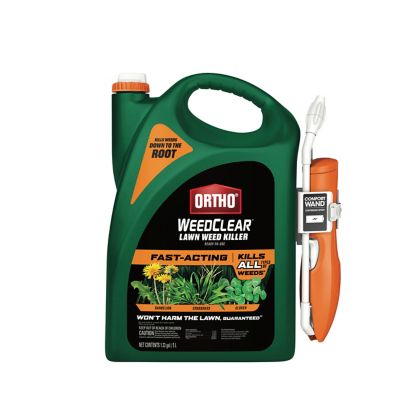
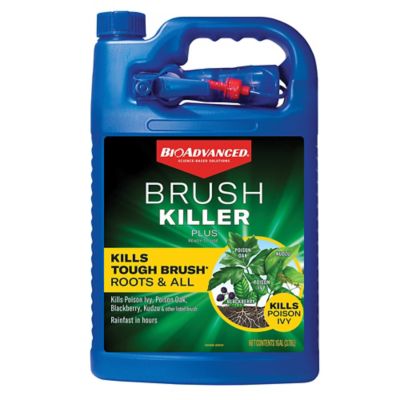
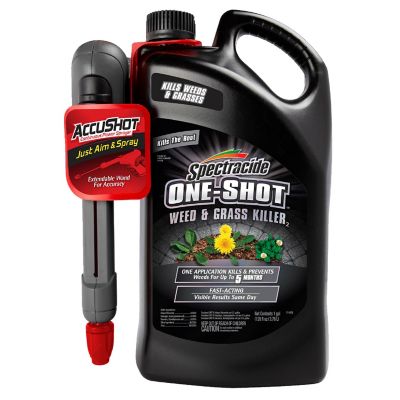
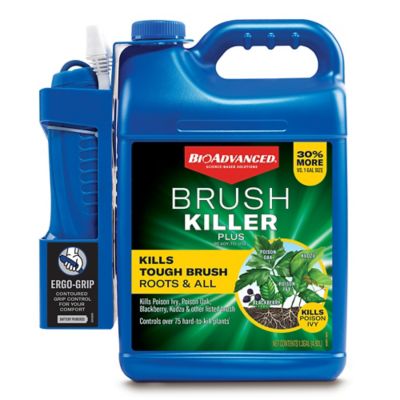
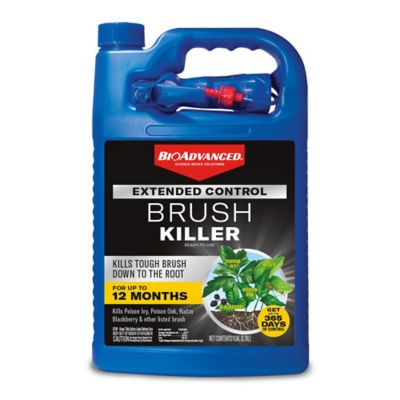
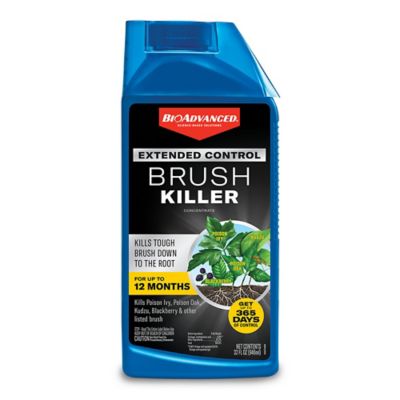
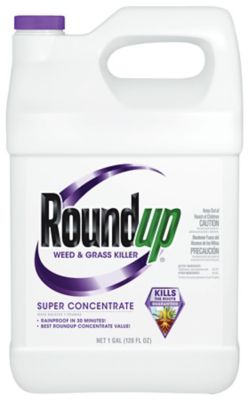
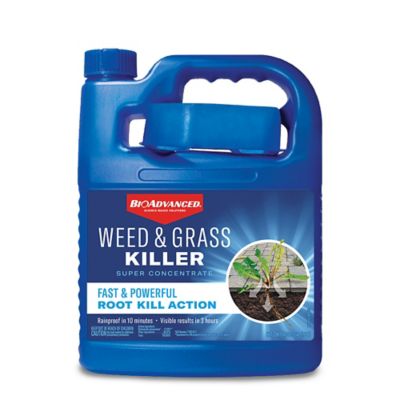
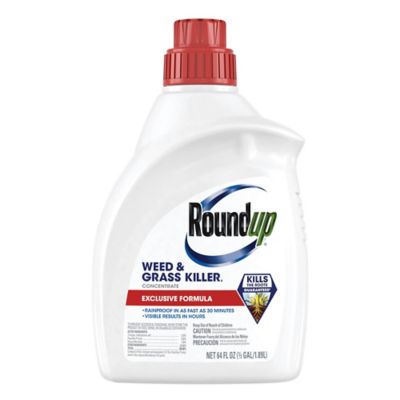
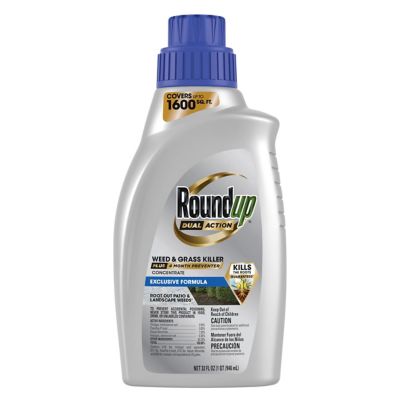
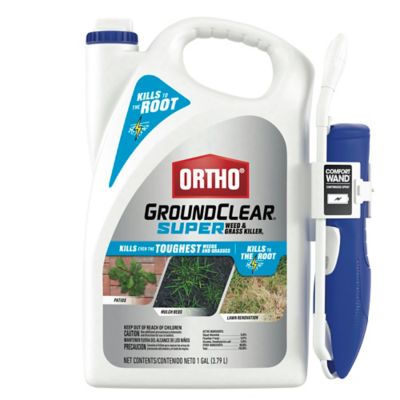
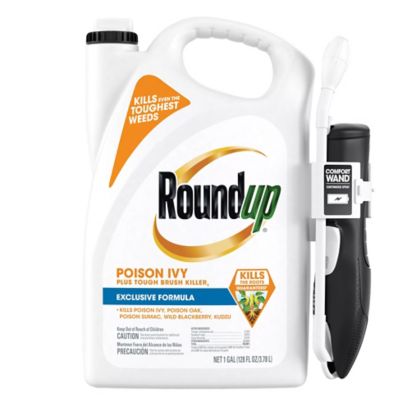
Keeping your fence lines clear of weeds isn’t just about looks—it’s about making your chores easier and protecting your investment in fencing, whether you’re running cattle, keeping pets safe, or just marking the edge of your property. As the weather shifts from the heat of summer into those cooler, shorter days of fall, weeds can still find a way to creep up along fence posts and wire, making regular maintenance a never-ending job. Folks who’ve spent a season or two fighting stubborn thistle, bindweed, or ragweed know how quickly a tidy fence row can turn into a mess, clogging up electric lines, hiding broken wire, and even giving critters a place to sneak through. That’s why long-lasting weed control is such a game-changer—saving you time, sweat, and a whole lot of frustration, especially when you’ve got better things to do than run the trimmer every weekend.
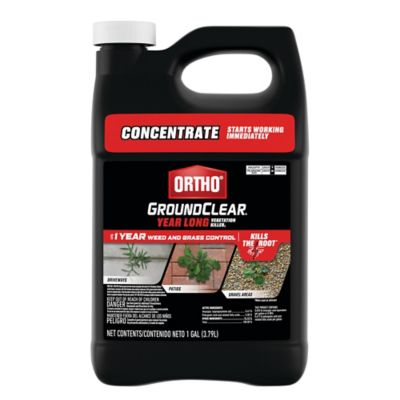
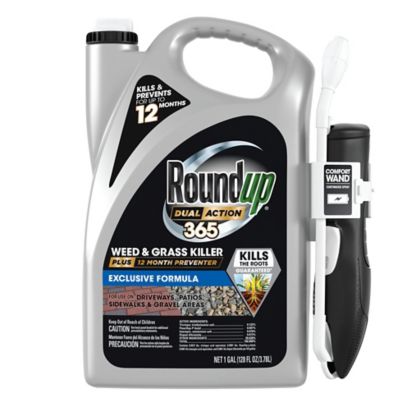
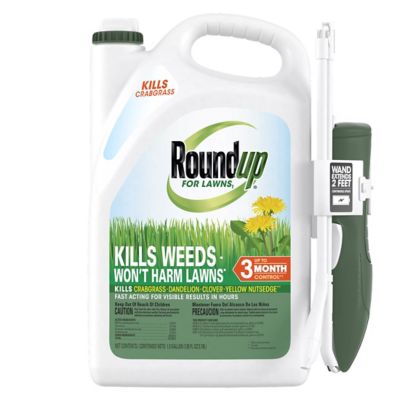
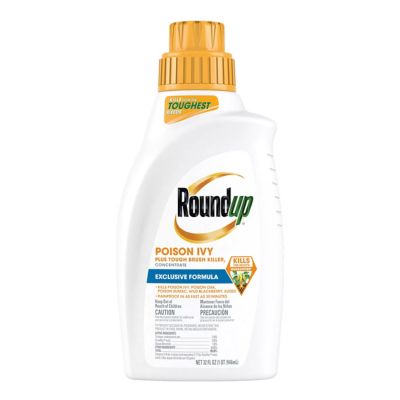
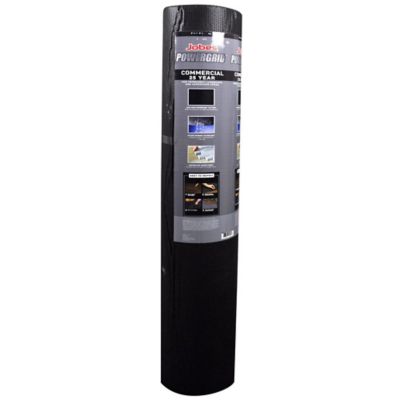
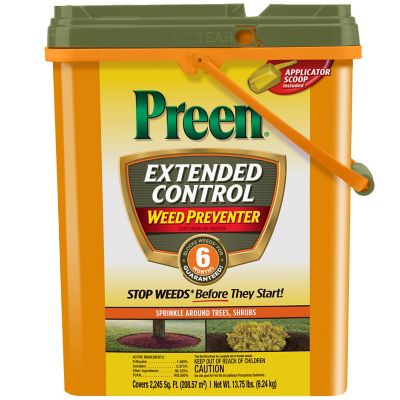
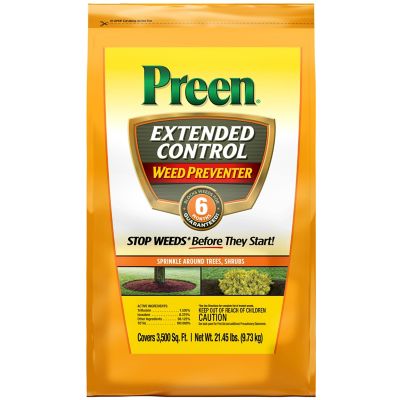
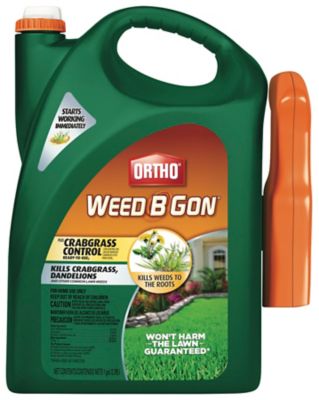
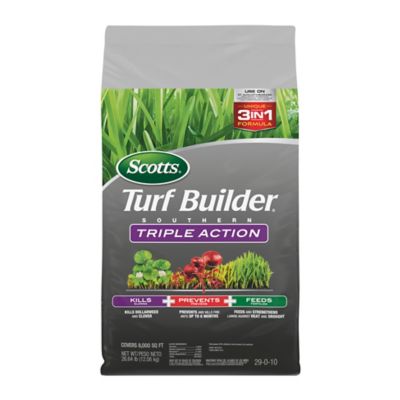
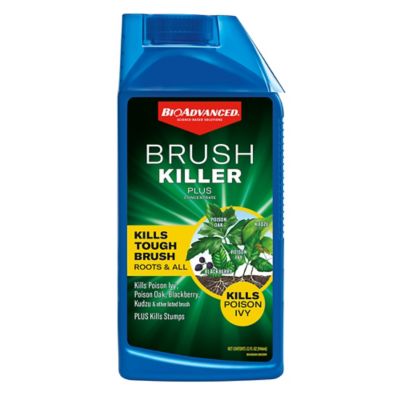
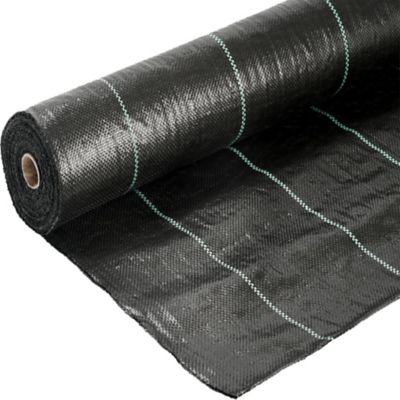
Choosing the right weed control for your fence line depends a lot on your setup and what you’re looking to accomplish. If you’ve got livestock or pets that graze close to the fence, you’ll want to pay close attention to safe application and product selection. Folks with long stretches of wire or electric fencing often lean toward solutions that offer season-long results, like a combination of pre-emergent and post-emergent herbicides that knock out existing growth and keep new weeds from sprouting up for months at a time. These are handy for big jobs—think multi-acre pastures, field edges, or those hard-to-reach corners behind the barn. For folks who prefer to skip chemicals, heavy-duty landscape fabric or rubber fence guards can be laid right along the fence line, blocking out sunlight and giving weeds nowhere to grow. These physical barriers are especially popular for folks with pets, gardens, or play areas nearby, and they’re a solid choice for anyone looking to cut down on ongoing maintenance. There’s also the quick-and-satisfying method of using a propane weed torch—a favorite among folks who like to see instant results and don’t mind a little hands-on work every few weeks during the growing season. Each approach has its place, and sometimes a combination is just what’s needed to get the job done right.
No matter if you’re shopping for yourself or picking up supplies as a thoughtful gift for a neighbor, family member, or that friend who’s always talking about their never-ending battle with fence line weeds, long-lasting weed control products are practical, reliable, and sure to be appreciated. They help keep your fences standing tall and your property looking sharp, all while freeing up precious time for the things you’d rather be doing. For more information on picking the right solution for your setup—whether you’ve got barbed wire, chain link, wood, or vinyl fencing—check out our detailed guide on
Herbicide For Fence Lines. With a little planning and the right products, you can keep your fence rows clear and your chores list just a little bit shorter, season after season.