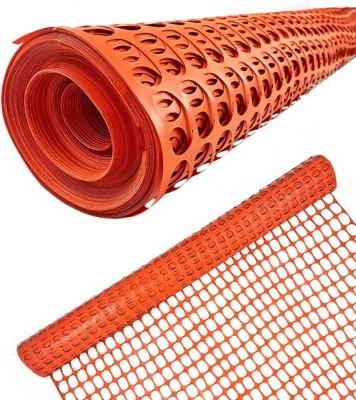
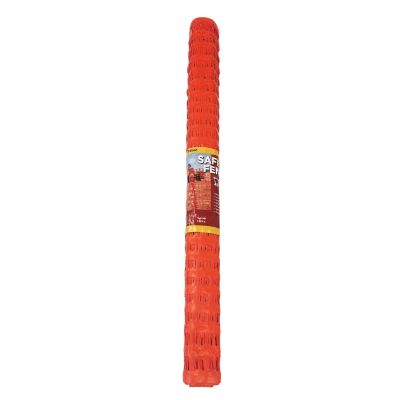
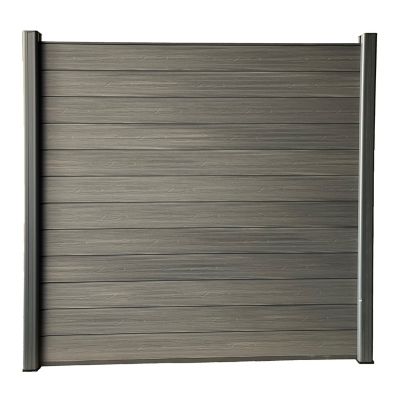
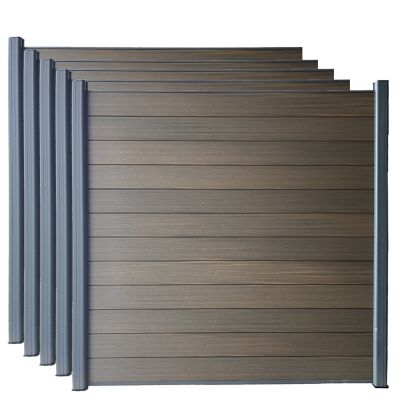
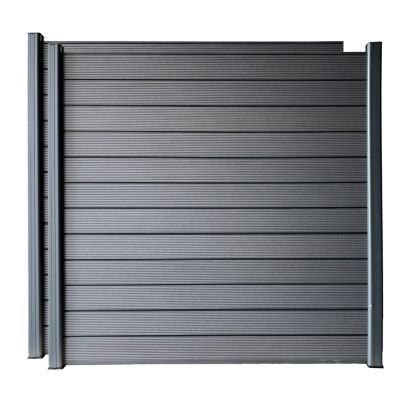
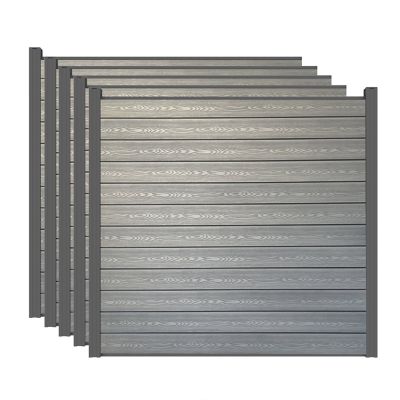
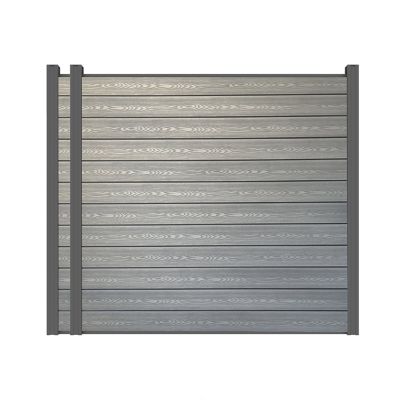
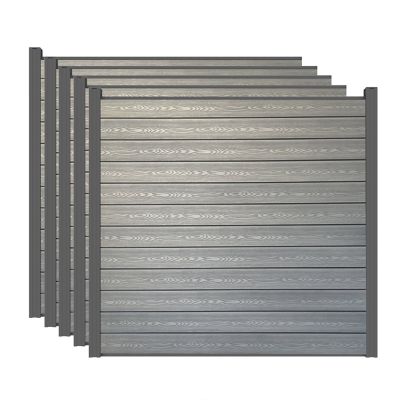
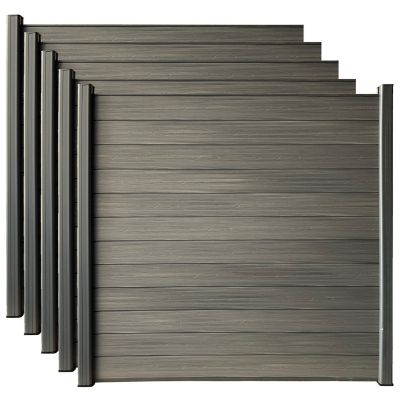
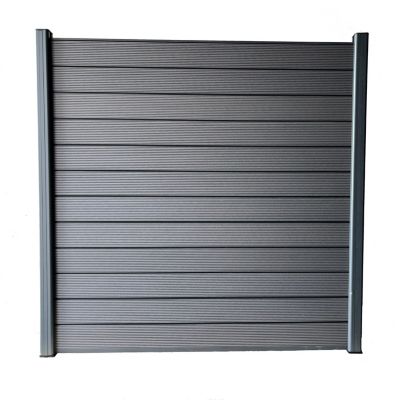
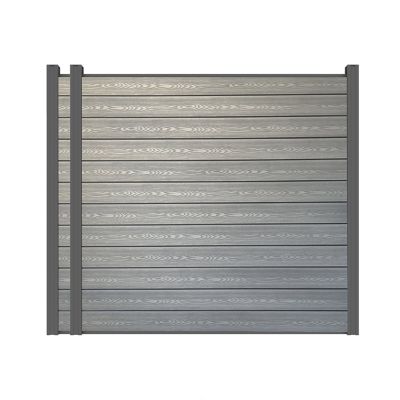
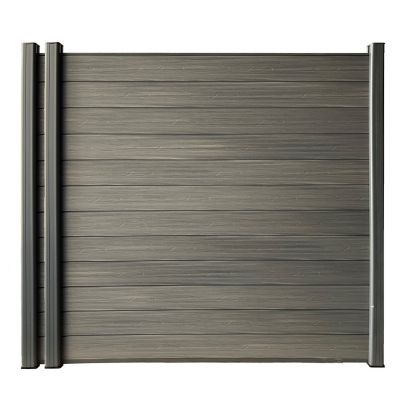
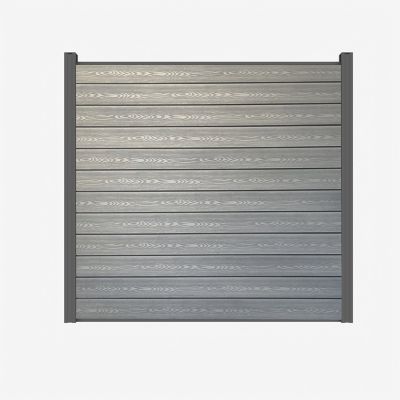
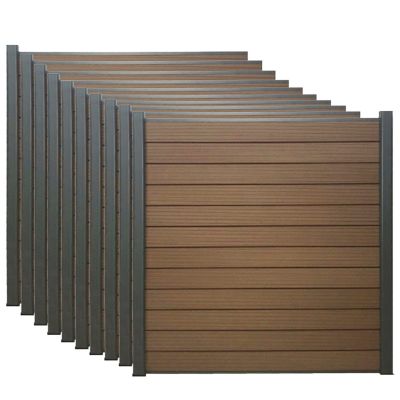
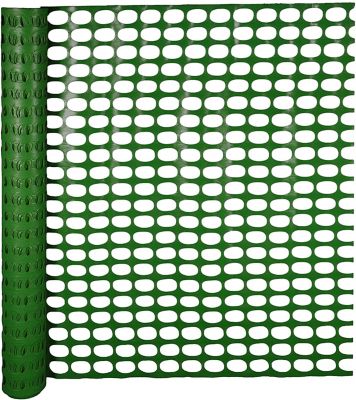
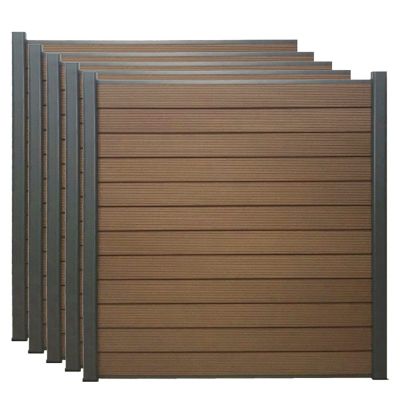
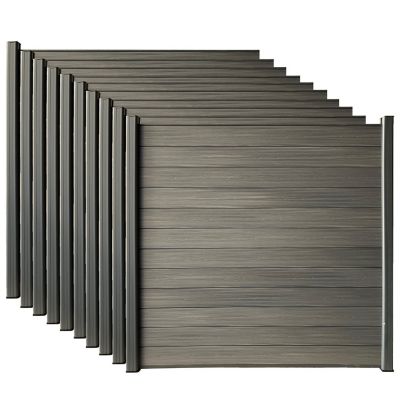
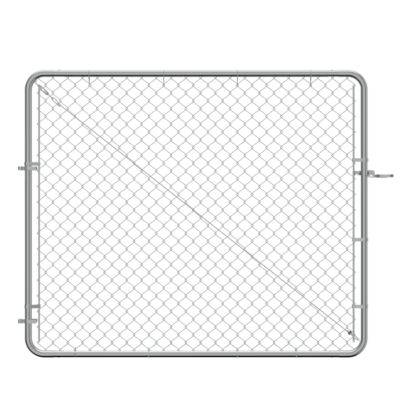
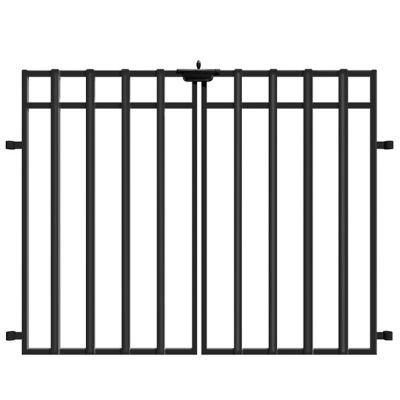
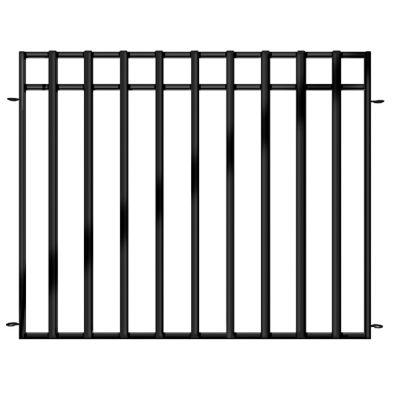
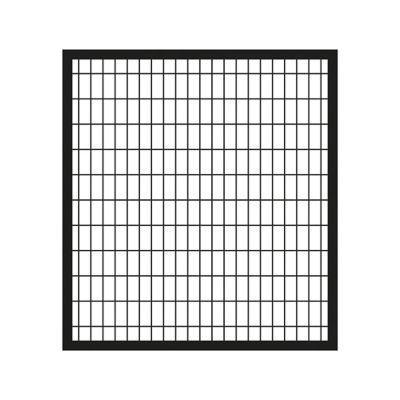
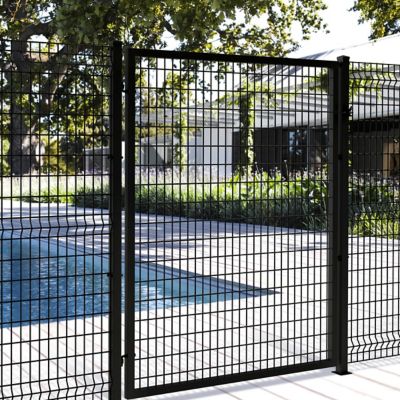
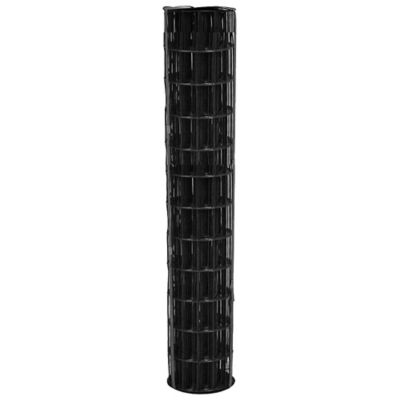
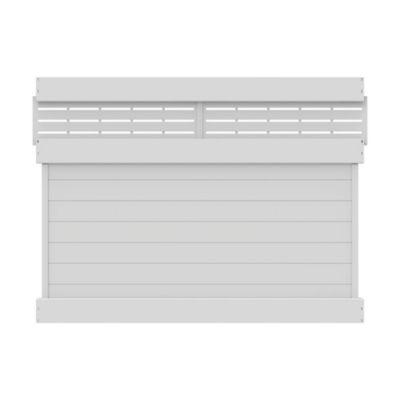
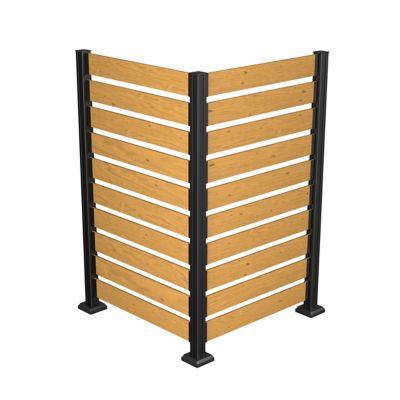
Weatherproof fences are built around materials and finishes that help resist rain, snow, sun exposure, and everyday moisture. Vinyl, composite, galvanized steel, coated metal, and properly treated wood each bring different strengths to a property line, backyard, garden, or pasture. No fence is completely immune to weather, but the right material, sound installation, and routine care can help reduce problems such as rust, rot, fading, and loose connections. Vinyl fencing does not rot or rust and generally needs no painting, making it a practical choice around yards where a clean appearance matters. Its resistance to impact varies by construction and temperature, so thickness and manufacturer guidance deserve attention in places with hard freezes. Composite fencing combines plastic with wood fibers or other reinforcing materials, offering a woodlike appearance with less routine finishing than many wood fences. Its resistance to fading, staining, and moisture depends on its formulation and protective surface. Aluminum naturally resists corrosion, while steel gets much of its weather protection from galvanizing, paint, powder coating, or a combination of finishes. Scratches and exposed edges can still become trouble spots, especially on steel. Pressure-treated wood can serve well where a traditional farm fence fits the setting, provided its treatment rating matches the exposure. Cedar has natural resistance to decay, but that does not make every board suitable for ground contact or eliminate the need for care. These differences matter whether the fence borders a front lawn, follows a gravel drive, or stretches between a barn and a muddy paddock. Appearance is only part of the choice. A solid privacy fence blocks sightlines but also catches more wind, while open rails and wire allow more air through. That balance between coverage and exposure helps shape which weatherproof fencing makes sense for the spot, along with how much upkeep fits your regular rounds around the property.
A fence also has to fit the job on both sides of the line. Around a backyard, the main concerns may be privacy, a clear boundary, and a gate that swings freely after a soaking rain. Along a pasture, animal size, behavior, and pressure against the fence become just as important as resistance to the elements. Woven wire, welded wire, board fencing, and electric fencing serve different purposes, and none should be treated as a one-size-fits-all answer for every animal. Opening size matters around smaller animals, while height, visibility, strength, and smooth contact surfaces deserve attention around larger livestock. Horse enclosures call for particular care with visibility and openings that could catch a hoof. Garden fencing has a different set of demands, including the animals likely to push through, climb over, or dig beneath it. Weather resistance helps the barrier stay in service, but it does not replace a design suited to those pressures. Ground conditions make a difference, too. Clay that holds water, sandy soil that shifts, and uneven ground each affect how posts and panels behave over time. Post depth, footing design, and drainage need to match local soil and frost conditions rather than a single general measurement. On a slope, stepped panels can leave gaps beneath sections, while fencing designed to follow the grade may offer a closer fit. Gates need enough clearance for their intended setting without leaving an opening that defeats animal containment. A wide equipment entrance also puts different demands on hinges, latches, and support posts than a narrow garden gate. Matching panel dimensions, post spacing, brackets, and hardware helps the whole fence work as a system. Local setback rules, height limits, and utility locations belong in that same planning picture, especially near roads, shared boundaries, and buried lines. Those details can matter more to long-term performance than a bold weather-resistance claim on its own.
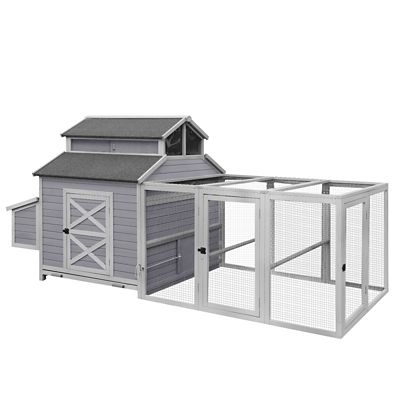
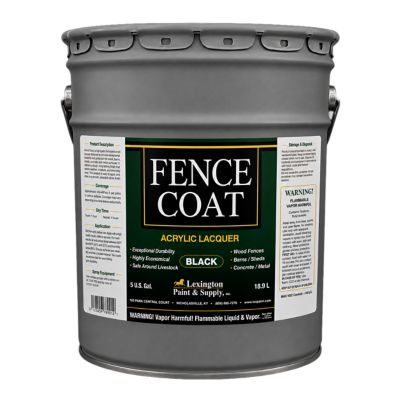
Care requirements are worth considering before a long fence line becomes part of your chore list. Vinyl and composite surfaces often clean up with water and a mild cleaner approved by the manufacturer, though abrasive tools and harsh chemicals can damage some finishes. Metal fencing benefits from occasional checks around fasteners, welds, gate hardware, and areas where the coating has been scraped. Compatible touch-up treatments can help protect exposed steel before corrosion spreads. Wood needs attention to drainage, loose boards, checking, and the condition of its protective finish; cleaning and recoating intervals depend on the wood, exposure, and finish rather than a fixed schedule for every property. Even a low-maintenance fence needs a look after strong winds, heavy ice, or a fallen limb. Leaning posts, sagging gates, slack wire, and missing fasteners are easier to address before they put extra strain on neighboring sections. Wet leaves piled against a fence, soil banked against rails, and vegetation crowding the bottom can hold moisture where it is least welcome. Salt spray near a treated road can also influence the finish and hardware that make sense for that location. For a chicken yard, weatherproof fencing works alongside a sheltered coop rather than taking its place. The enclosure needs openings and connections suited to the predators in the area, with attention to digging and overhead access where needed;
Weatherproof Chicken Coops are another part of planning a sheltered space for the flock. Across the rest of the property, a well-matched fence can keep a garden boundary tidy, divide grazing areas, or give a yard more privacy without calling for constant attention. The best fit comes down to the job, the ground beneath it, and the amount of care you are prepared to give it. Weather-resistant materials get that work off to a good start, while compatible components and sensible upkeep help the fence keep doing its job through rain, frost, sunshine, and the daily traffic of country life.