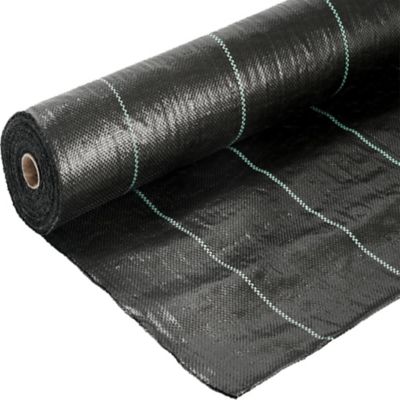
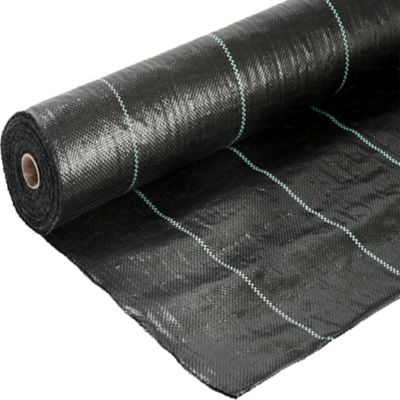
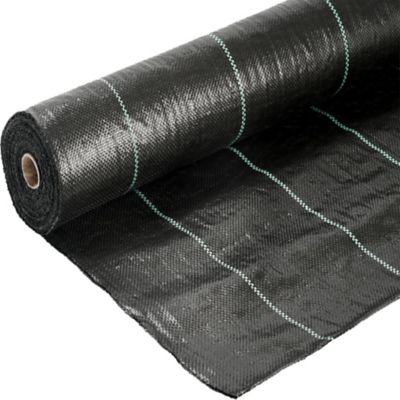
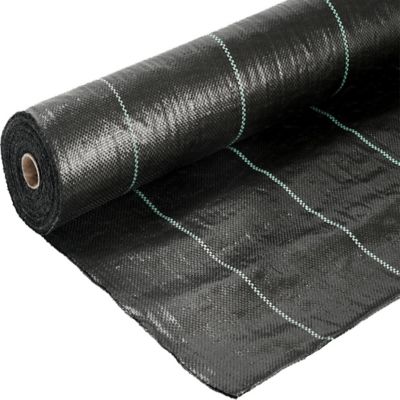
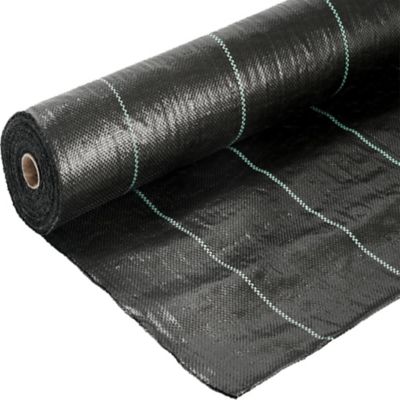
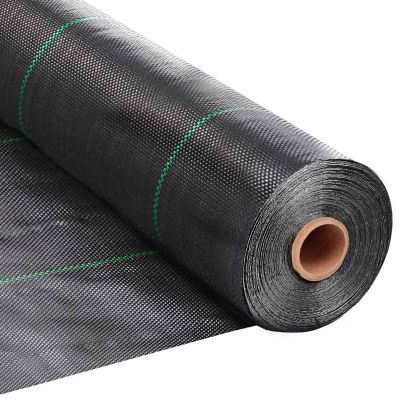
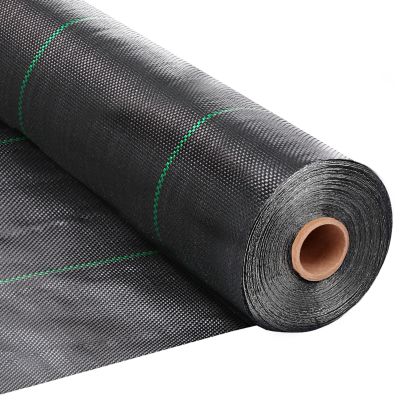
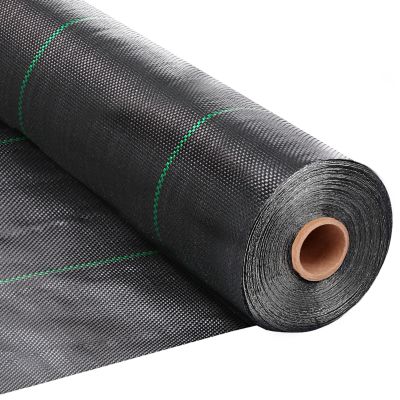
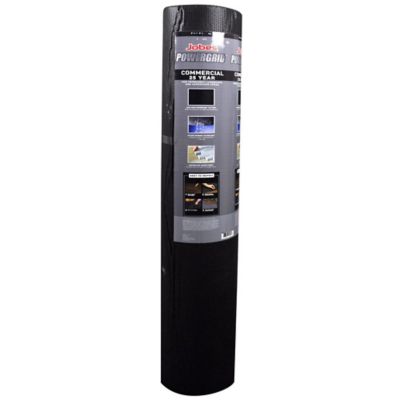
Heavy duty weed barriers are made for jobs where ordinary garden fabric may not hold up to rough ground, heavy foot traffic, gravel, or persistent weeds. These thick landscape fabrics are commonly made from woven polypropylene or a needle-punched hybrid material, giving them the tear resistance needed for long-term use around the homestead, farm, rental property, or commercial landscape. A quality barrier blocks sunlight from reaching weed seeds while still allowing water and air to move through to the soil below. That balance matters under mulch, stone, and planted beds, where you want to slow weed growth without creating a sheet of plastic that traps water on the surface. Heavy duty weed barriers can be used beneath gravel paths, stone patios, driveways, sheds, raised walkways, playground areas, artificial turf bases, and perennial flower beds. They are also useful around barns, outbuildings, fence lines, and equipment areas where mowing is awkward and weeds tend to take over. For areas that see regular traffic or will stay covered for several seasons, look for a heavier fabric in the range of about 3.2 to 5 ounces per square yard or more. Woven fabric is a dependable choice for many landscape and farm applications, while heavier hybrid materials can offer added resistance against punctures from stones, roots, and everyday wear. Permeability is another key feature: the fabric should let rain and irrigation soak into the ground rather than leaving puddles across the surface. UV resistance helps the material stand up to sunlight during installation and around uncovered edges, although covering the barrier with mulch, gravel, or another finished surface will generally help extend its useful life. If you are comparing roll sizes, measure the full area and allow extra material for overlaps, borders, curves, and cuts around posts or plants. It is usually better to have a little fabric left over than to come up short beside a fence or at the far end of a long path. For related outdoor covering and weather-protection needs, you can also browse
Heavy Duty Poly Tarps.
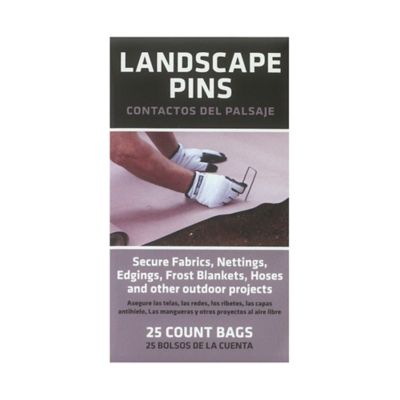
Good preparation makes a noticeable difference in how well a weed barrier performs. Start by removing existing weeds, grass, large roots, sharp sticks, and loose debris from the area. Aggressive weeds left underneath may continue to push against the fabric, and a stray branch or broken stone can create a weak spot that grows into a tear during installation. Smooth the soil as much as practical, then roll the fabric out flat without stretching it so tightly that it pulls loose when the ground settles. Where two sections meet, overlap the edges by at least 6 to 12 inches to keep weeds from finding a narrow strip of sunlight. In areas with stubborn growth, sloped ground, or frequent foot traffic, a wider overlap can provide extra peace of mind. Secure the fabric with heavy duty landscape staples, placing them along the edges and through the center at roughly 1- to 3-foot intervals, depending on soil firmness, wind exposure, and the weight of the covering that will go on top. Firm, closely spaced anchoring keeps the fabric from shifting while gravel is spread or mulch is raked into place. When planting through an existing bed, make a small X-shaped cut instead of removing a large circle of fabric. Fold the flaps back, set the plant in the opening, and keep the cut snug around the stem or root ball. A smaller opening leaves less room for weeds to emerge. Finish by adding an even layer of mulch, stone, or gravel deep enough to hold the fabric in place and protect it from constant sunlight. Heavy duty weed barriers are especially handy for landowners who are tired of clearing the same overgrown strip, gardeners laying out a new perennial bed, and homeowners building a low-maintenance path from the house to the barn or garden. They can also be a practical gift for someone settling into a new home, improving a rural property, or taking on a landscaping project with help from family and neighbors.
The right barrier depends on what will be placed above it and how much use the area receives. A fabric under decorative mulch in a flower bed may face less stress than one under sharp gravel along a driveway, so thicker, more puncture-resistant material is a sensible choice for rock, vehicle areas, play spaces, and paths. In a planted bed, consider how often you expect to add new flowers or shrubs; a barrier with carefully spaced planting cuts can save time, but it should not be treated as a substitute for good soil preparation or regular maintenance. Weed seeds can still land in the mulch or gravel on top, and windblown dirt can eventually create a thin layer where new weeds take root. Pulling small weeds while they are easy to remove helps preserve the finished area and keeps roots from working down into seams or openings. Edges deserve attention as well. Tuck the fabric beneath a border, secure it beside a fence, or extend it slightly beyond the planned covering before trimming so weeds do not creep in from uncovered soil. During the warmer part of the season, check for lifted corners after heavy rain or strong wind, especially before adding a permanent layer of stone. During the cooler months, a properly covered barrier can remain in place with little fuss while reducing the amount of dormant weed growth waiting for the next growing season. Heavy duty weed barriers are not meant to replace every form of weed control, but they can make a big difference in large, hard-to-maintain spaces by blocking light, separating soil from landscape material, and cutting down on repeated handwork. Whether the project is a tidy walkway, a gravel parking area, a fresh garden bed, or a cleaner perimeter around farm buildings, choosing a durable, water-permeable fabric and installing it with solid overlaps and dependable anchoring sets up the ground for easier care.