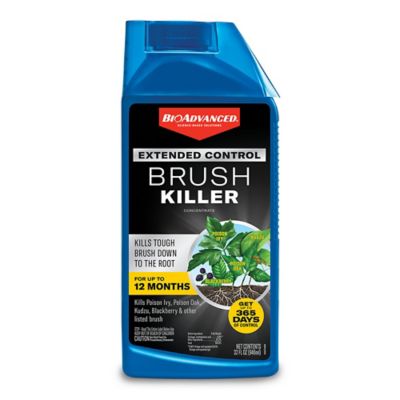
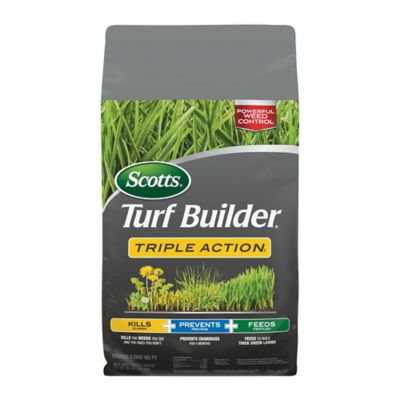
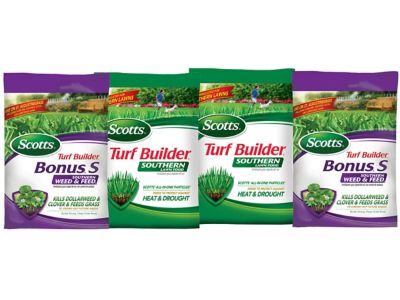
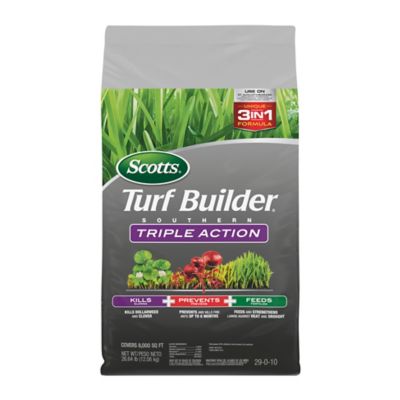
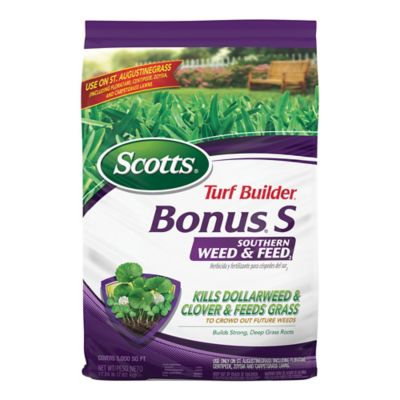
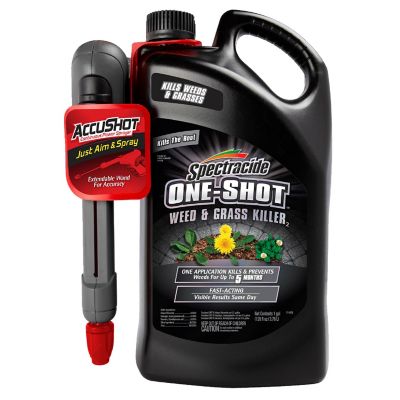
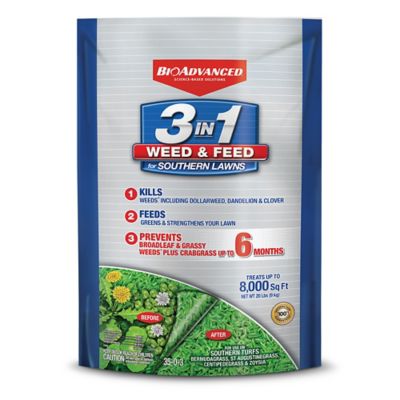
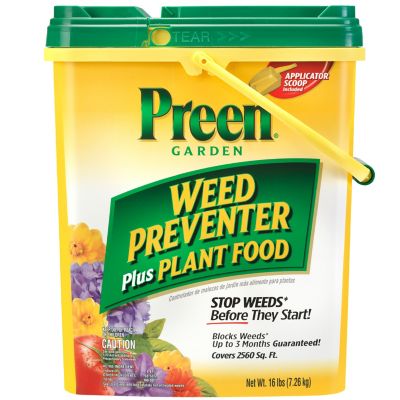
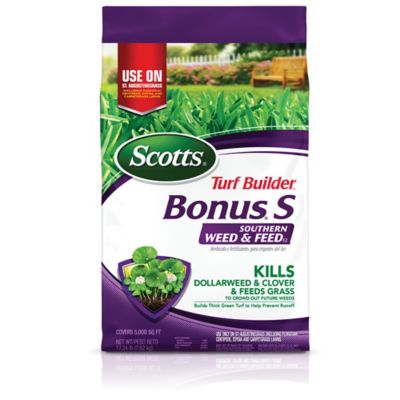
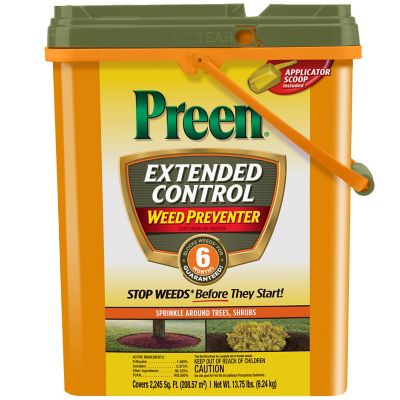
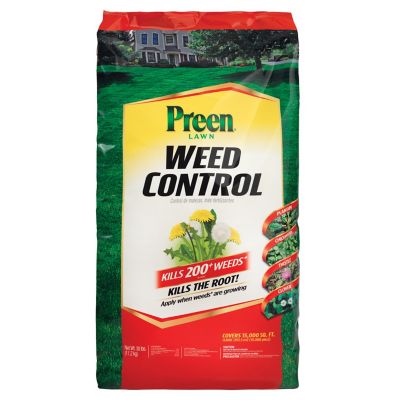
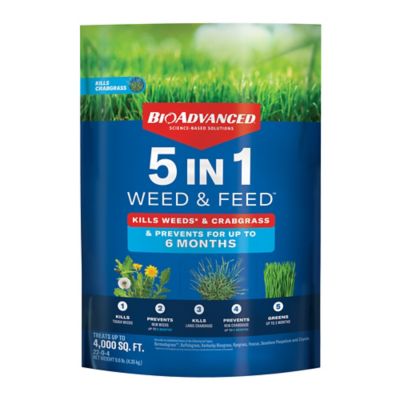
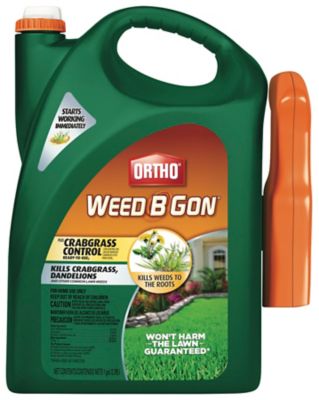
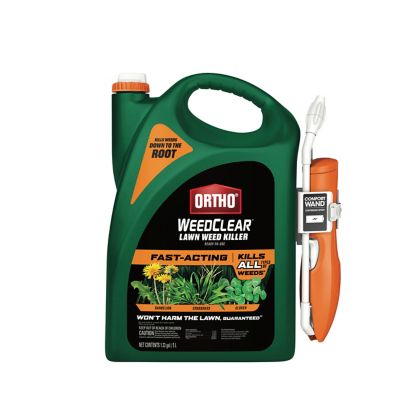
Season-long weed control products help keep lawns and managed outdoor spaces looking cleaner through changing weather, especially when they combine post-emergent and pre-emergent action in one treatment. Post-emergent ingredients target weeds that are already showing above the soil, while pre-emergent ingredients create a barrier that helps stop new weed seeds from germinating. Depending on the formula, this type of treatment may help control common broadleaf weeds such as dandelion, clover, chickweed, plantain and ground ivy, along with grassy weeds such as crabgrass. Results and protection periods vary by product, weather, weed pressure and application rate, but some season-long formulas are designed to provide several months of control. That extended coverage can be especially useful for homeowners who are tired of pulling a fresh crop of weeds every time rain softens the soil, as well as property managers, landlords, rural homeowners and anyone caring for a larger lawn. For a broader look at lawn treatments that combine weed management with feeding, visit
Weed Control Fertilizers. Before buying, identify the weeds and turfgrass you are working with, then read the product label to confirm that the treatment is intended for your lawn type and the weeds you want to control. Northern grasses such as Kentucky bluegrass, perennial ryegrass and tall fescue may have different tolerances than warm-season grasses such as bermudagrass, centipedegrass, St. Augustinegrass and zoysiagrass. A product that works well on one established turf may not be suitable for another, and some formulas are not intended for newly seeded lawns, recently sodded areas, drought-stressed grass, ornamental beds, vegetable gardens or areas near waterways. Season-long weed control is most effective when it is matched to the space instead of used as a one-size-fits-all solution.
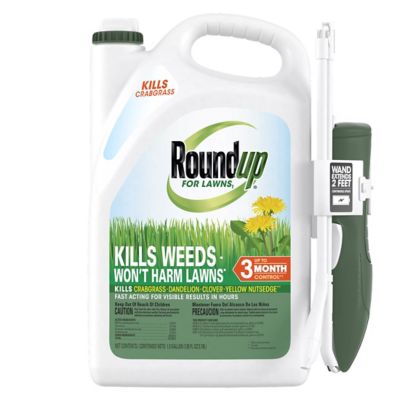
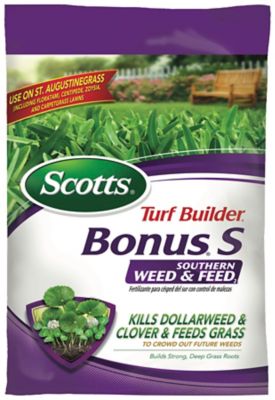
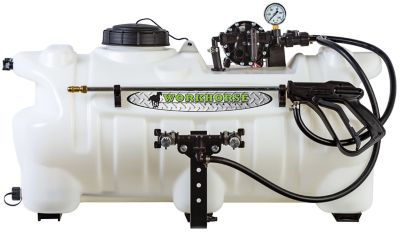
Choosing between a liquid spray and a granular treatment usually comes down to the size of the area, the weeds present and the equipment already on hand. Liquid formulas can be useful for treating visible weeds or covering a broad lawn with a pump sprayer, hose-end sprayer or other approved application tool. They can also make it easier to spot-treat weeds along fence lines, around outbuildings and beside driveways, where grass meets gravel and weeds often find a foothold. Granular formulas are a practical choice for larger lawns and can be spread evenly with a broadcast or drop spreader, provided the spreader is calibrated according to the label. Coverage matters just as much as the active ingredients: measure the lawn, compare the package coverage rate and avoid stretching a treatment beyond the area it is designed to cover. Applying too little may leave untreated patches, while applying too much can stress turf and increase the chance of runoff or injury to nearby plants. During the cooler months, select a calm, dry period when weeds are still actively growing and the grass is not under severe stress. Many weed control treatments perform best when air temperatures are between 50 and 90 degrees Fahrenheit, but the label for the specific formula should always take priority. Applying in the early morning or later in the day can help avoid intense heat and direct sunlight, while calm conditions reduce drift onto flowers, shrubs, gardens and neighboring property. Avoid treating when rain is expected unless the label states that rainfall will not affect performance. Some products become rainfast after about an hour, while others need a light watering to activate a preventative barrier, so check the directions rather than relying on a general rule. For post-emergent treatments, avoid mowing for roughly one to two days before and after application when the label recommends it. Leaving enough leaf surface in place gives the treatment time to move through the weed and down toward the root, where it can do more lasting work.
Good preparation and follow-up make a noticeable difference in season-long weed control. Mow the lawn at the recommended height, remove toys and equipment from the treatment area, and keep children, pets and livestock away until the product has dried or the label says the area is safe to use. Wear the protective clothing and equipment listed on the package, and wash hands, gloves and application tools after use. Do not spray in windy conditions, on waterlogged soil or across pavement where the treatment could wash into storm drains. Take care around trees and shallow-rooted shrubs, since some herbicides can move through root zones or injure plants that were not meant to be treated. Keep unused product in its original container, tightly closed and stored in a dry location away from feed, seed, pet supplies and extreme temperatures. Season-long control is not a promise that every weed will disappear permanently; heavy rain, irrigation, disturbed soil, bird activity and new seed blown in from surrounding fields can all create fresh growth. Still, the right treatment can take much of the daily chore out of lawn care. A homeowner may use it to keep a small front yard presentable through fall cleanup and the first cold snaps, while someone managing acreage may use it around established turf near a barn, driveway or workshop. These products can also make a useful gift for a new homeowner, a neighbor who takes pride in a tidy yard or a family member maintaining a rural property, especially when paired with a spreader, sprayer, gloves or other basic lawn-care supplies. Apply only as directed, give the treatment time to work and continue sound lawn practices such as proper mowing, watering and overseeding when appropriate. Healthy, established turf forms a dense stand that naturally leaves fewer open spaces for weeds to take root, helping a season-long weed control program work harder as the weather shifts from mild days to colder conditions.