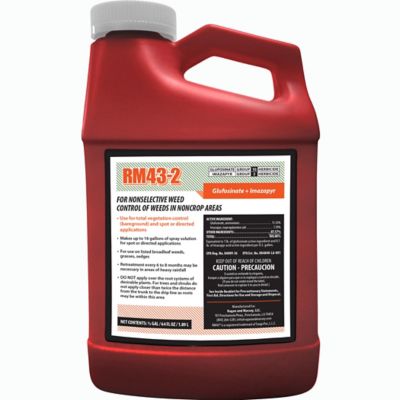
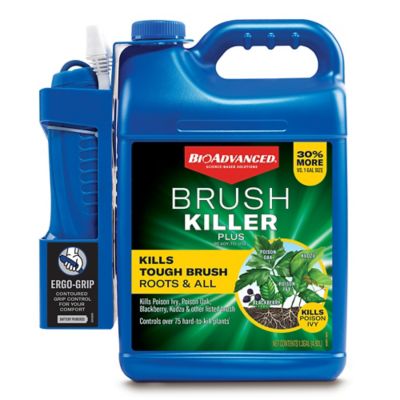
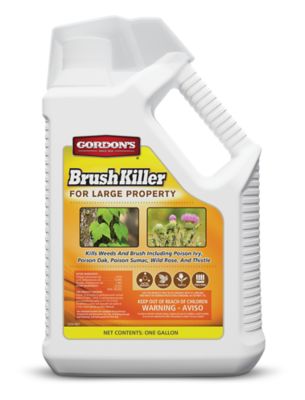
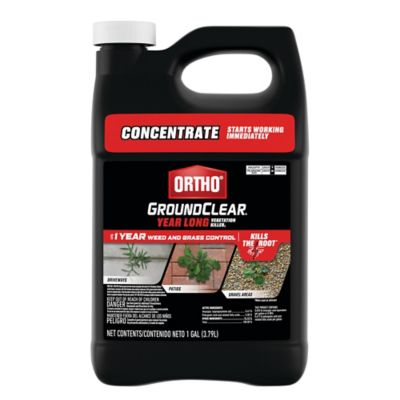
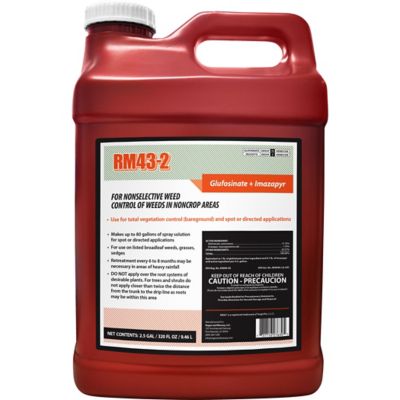
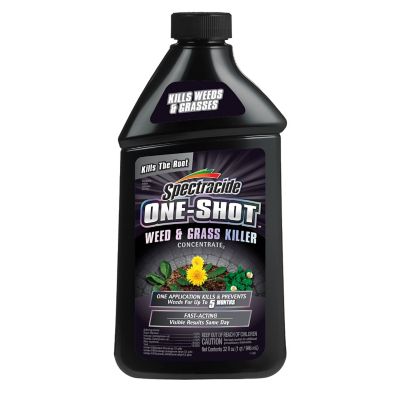
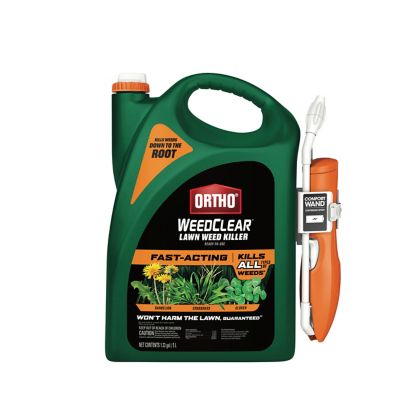
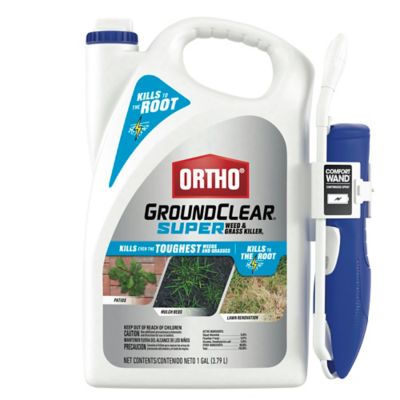
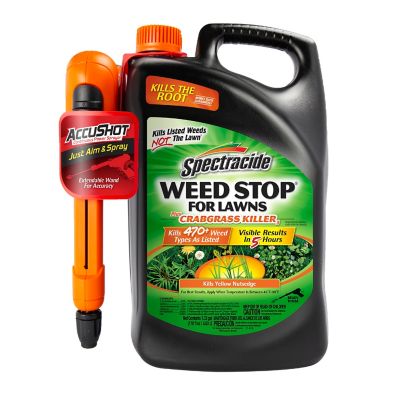
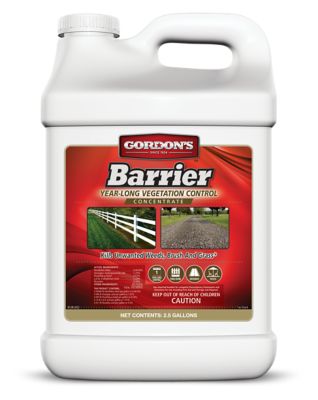
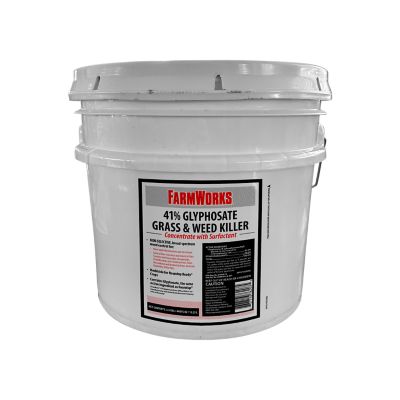
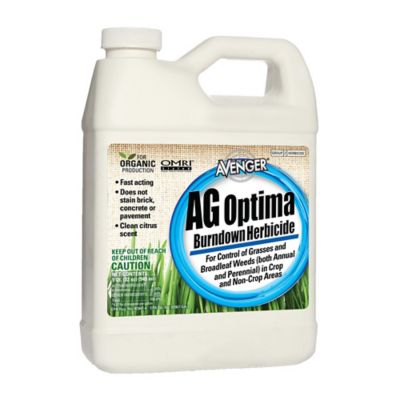
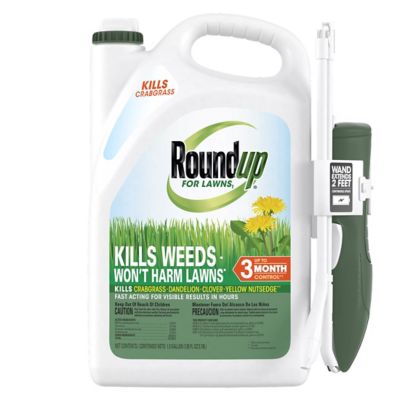
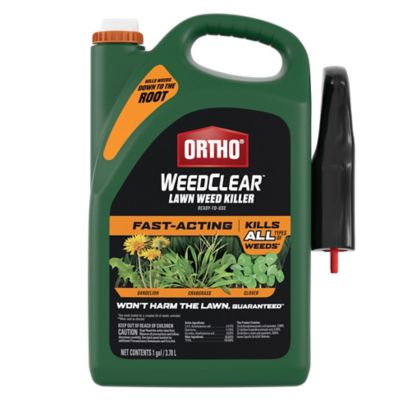
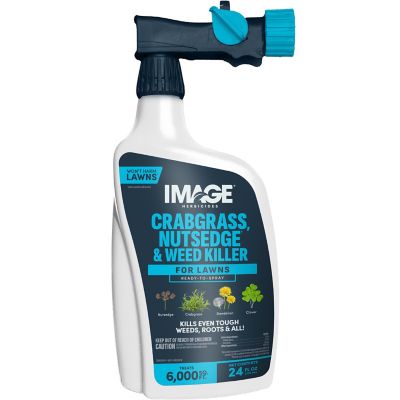
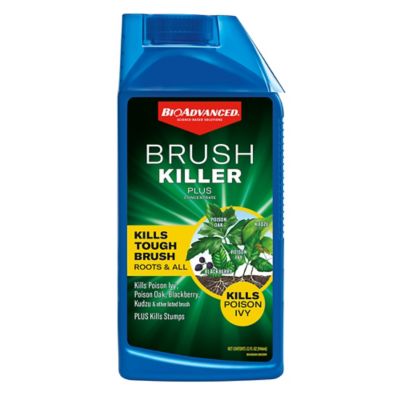
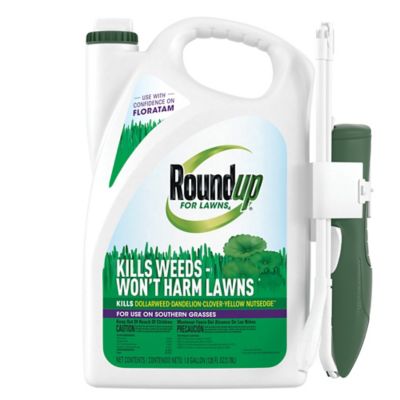
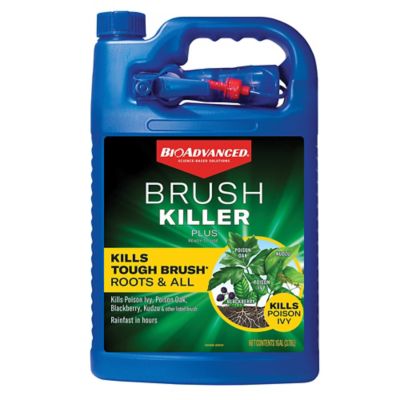
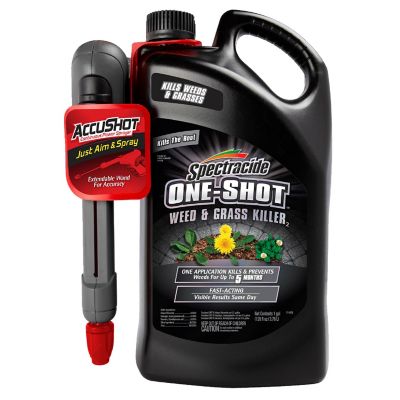
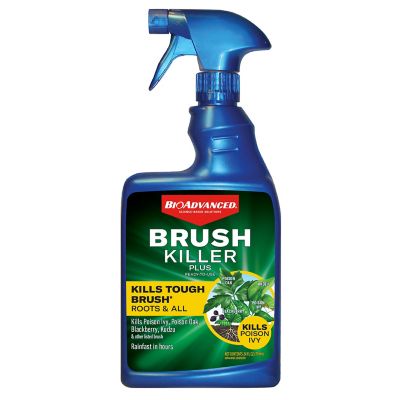
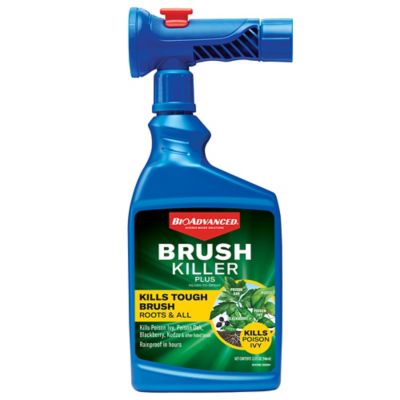
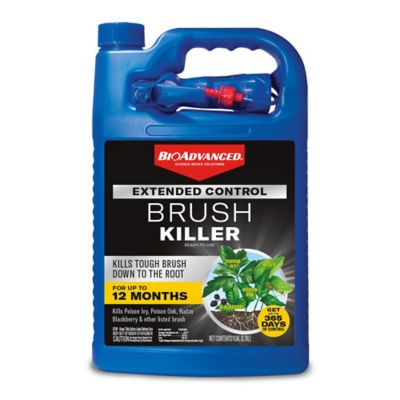
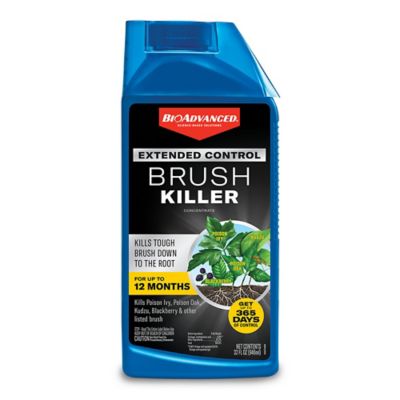
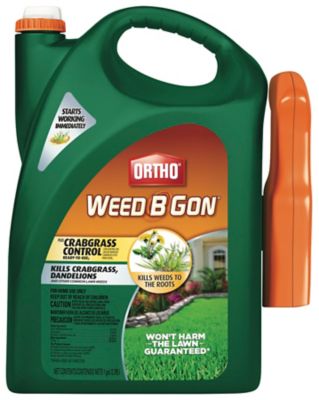
Keeping a fence line cleared takes more than trimming back what you can see. Grass, thistles, broadleaf weeds, briars and woody vines can grow through wire, wrap around posts and loosen soil around the base of a fence. A suitable herbicide for fence lines can help tidy up those hard-to-reach strips and make routine mowing, inspection and fence repairs easier. These products are useful for homeowners with privacy or chain-link fencing, livestock owners caring for pasture boundaries, property managers maintaining gravel drives, and rural landowners keeping brush from taking over an old fence row. When choosing a formula, start by looking at the kind of growth you need to control and the ground around the fence. A systemic herbicide moves into actively growing plants and down toward the roots, making it a practical choice for many grass and broadleaf weeds. Contact products work on the foliage they touch and may provide a quick visible knockdown, though deep-rooted weeds can require follow-up treatment. Brush and woody-vine formulas are made for tougher growth such as briars, poison ivy and small saplings. Products labeled for residual or bare-ground control can help prevent new weeds from emerging for an extended period, which may suit a gravel fence line or an area where vegetation is not wanted at all. That same lasting action can be a poor fit beside a lawn, garden, pasture grass or ornamental planting, so read the label carefully before buying. For more ways to compare weed management options around the property, browse
Weed Control Fertilizers and consider how each product’s use directions match the job at hand.
The fence itself is only part of the decision. Take a close look at what lies on both sides of the fence before mixing or applying anything. A wire fence beside a gravel lane may allow for broader vegetation control, while a fence bordering a hayfield, garden, pond or neatly maintained lawn calls for a more careful, targeted approach. Even a small breeze can carry spray onto nearby plants, and runoff after rain can move treatment beyond the strip you intended to clear. Some formulas control nearly all green growth they contact, while others are designed for narrower categories of weeds, so check whether the label lists the plants you are trying to manage and whether it permits use near livestock areas, water, edible crops or grazing land. A hand sprayer with an adjustable nozzle can help treat a narrow line without soaking the surrounding ground, and a visible lawn or turf marker dye may make it easier to avoid spraying the same section twice. Use clean equipment, measure concentrates accurately and never guess at the mixing rate. Protective clothing, gloves, eye protection and closed-toe footwear are sensible basics, and the label may call for additional precautions. Keep children, pets and livestock away from treated areas for the stated interval, and store unused concentrate securely. Avoid spraying during strong wind, extreme heat or when rain is expected soon. Calm, mild conditions give the spray a better chance to land where it belongs. Around a pasture fence, many folks find it helpful to move animals first, mark gates and water sources, and walk the whole stretch before starting. That few minutes of preparation can prevent a long afternoon of correcting overspray or discovering a missed section after the plants have already grown back.
For a heavily overgrown fence row, clearing the area in stages often gives better results than trying to coat a wall of weeds all at once. Tall growth can shield the lower leaves, and thick grass or tangled vines may keep the spray from reaching the plant surfaces needed for absorption. Mowing or cutting back the worst of the growth can open the line up, but avoid treating freshly cut woody stumps unless the product label specifically gives directions for that use. New leafy growth may be easier to treat once it has had time to develop, and established weeds sometimes need a second application according to the label. During the warmer part of the growing season, plants are generally more active, while cooler weather can slow visible results; either way, follow the product’s instructions rather than judging success by the first day or two. As the weather shifts toward cooler months, a clean fence line is easier to inspect for loose staples, leaning posts, broken wires and animal damage before the next round of fast growth. Keep in mind that herbicide is only one part of fence-line maintenance. Regular mowing, hand-pulling around desirable plants, mulching where appropriate and repairing gaps that let weeds or brush spread can reduce the work over time. Choose the smallest treatment area and the least aggressive control that will handle the problem, especially when the fence crosses different types of ground. With the right formula, careful application and a little follow-up, a weedy fence row can become a manageable boundary instead of a yearly tangle.