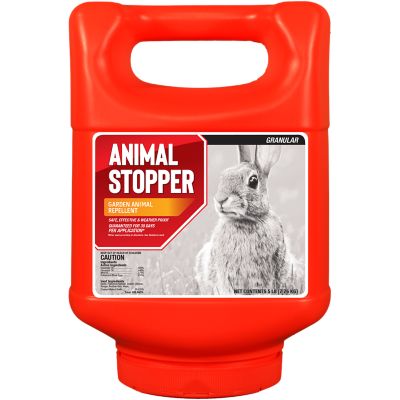
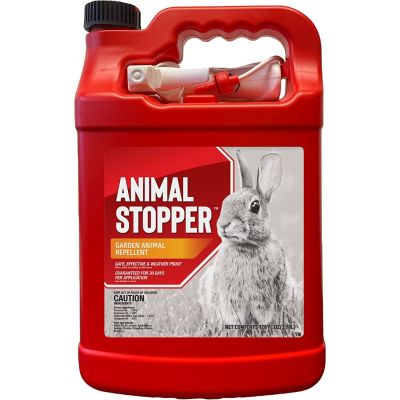
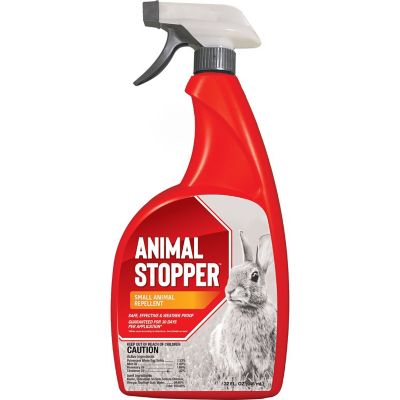
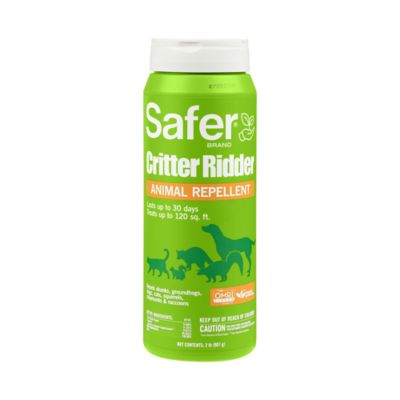
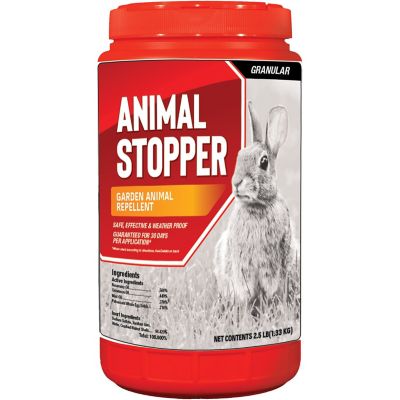
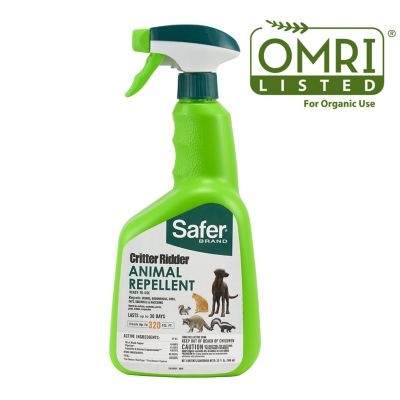
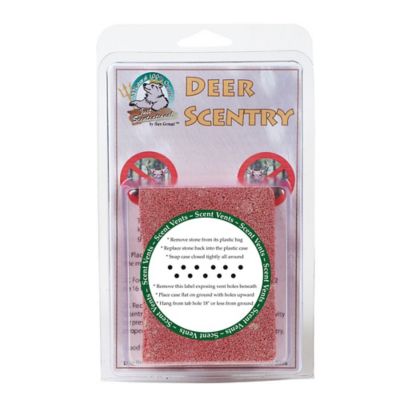
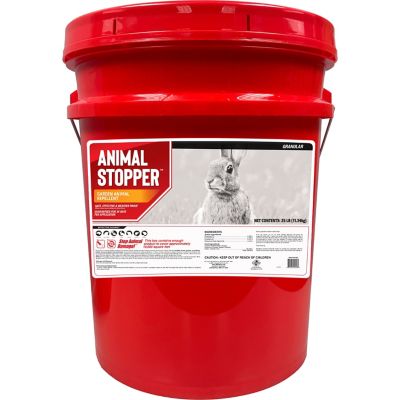
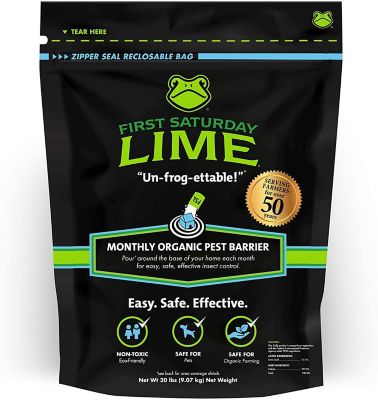
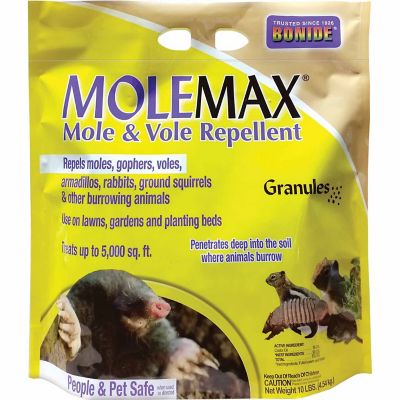
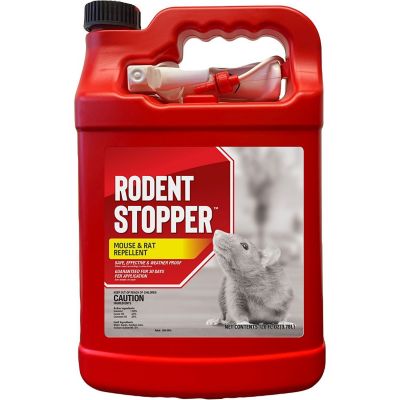
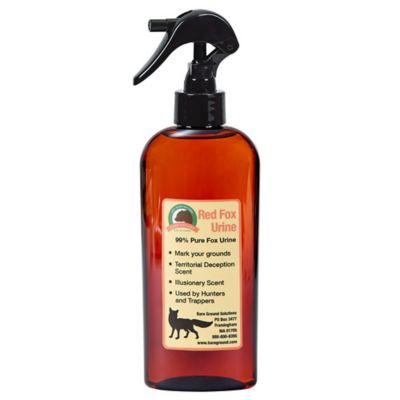
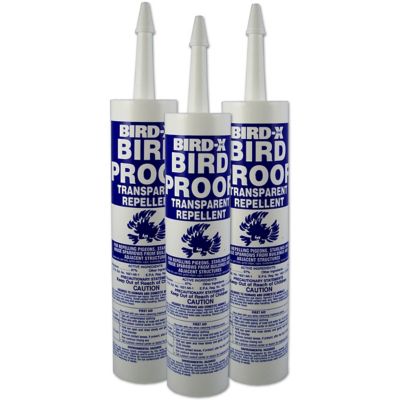
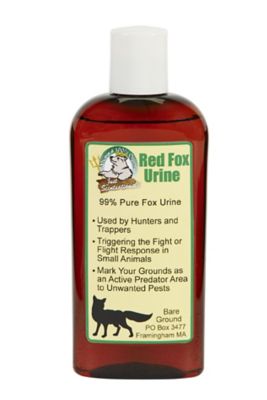
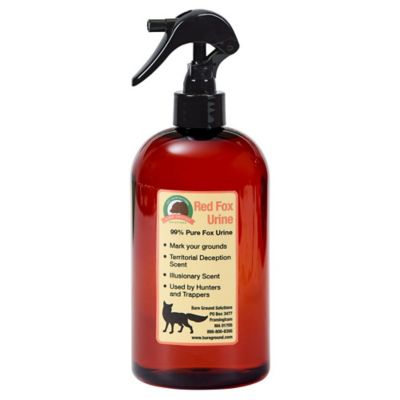
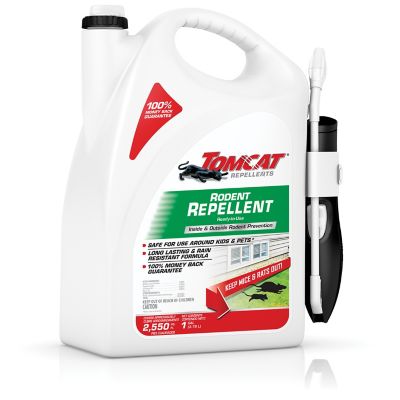
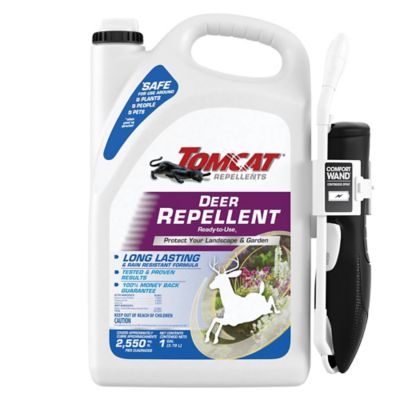
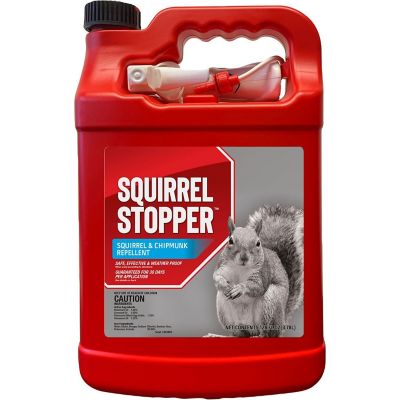
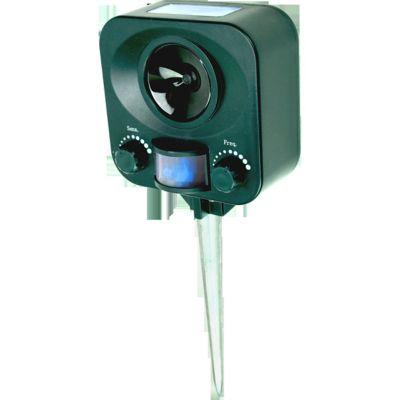
When you’ve worked hard to plant a garden or keep your property looking sharp, dealing with groundhogs can be a real headache. These critters are notorious for burrowing under sheds and fences, munching on fresh veggies, and leaving big holes all over your yard or pasture. Folks living in the country, especially those with a bit of land, know that once groundhogs settle in, they can be tough to move along. That’s where groundhog repellents come in handy—giving you a way to protect your crops, flowers, and even livestock feed without resorting to harsh measures. Whether you’re a backyard gardener, a hobby farmer, or just someone who likes to keep the place tidy, having a good repellent on hand can save you a lot of frustration as the weather warms up and critters start exploring for food and shelter. Repellents are also a thoughtful gift for anyone who’s just moved to a rural area or started a new garden—nothing says “welcome to country living” like a little help keeping the wildlife at bay.
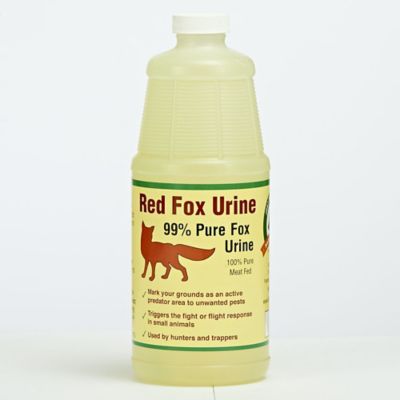
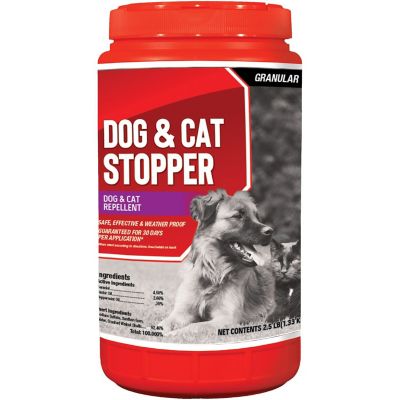
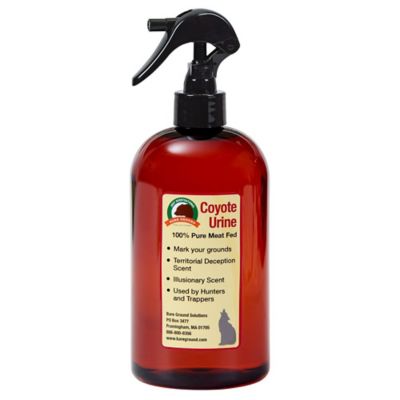
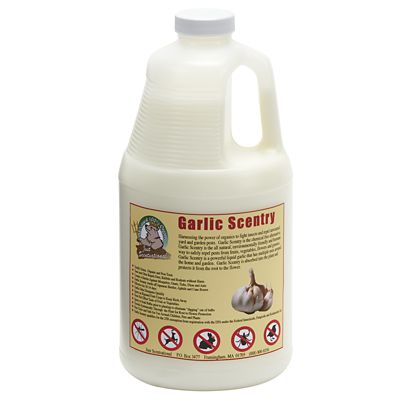
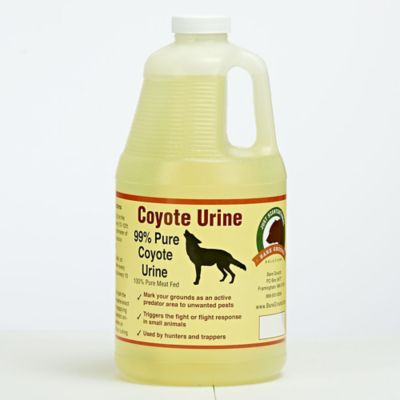
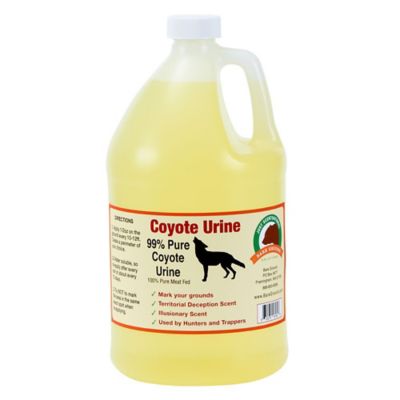
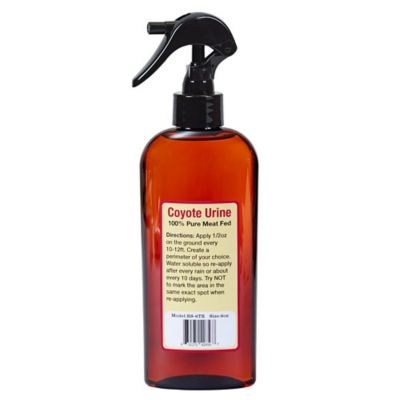
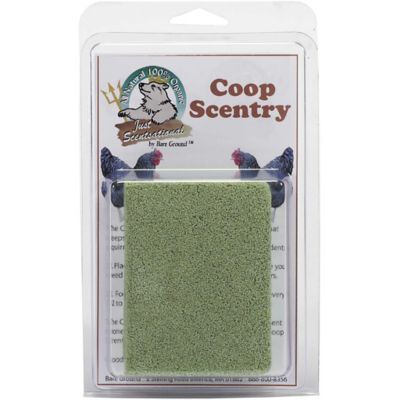
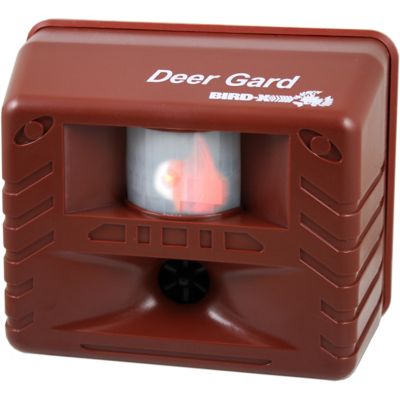
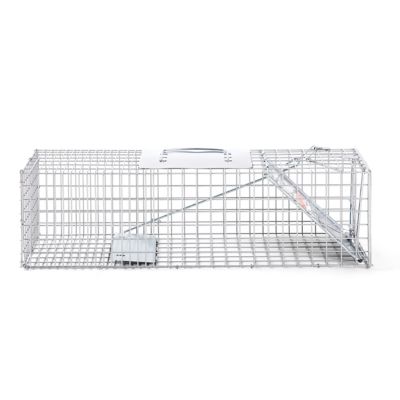
Groundhog repellents come in a range of options, from ready-to-use sprays and granules to motion-activated devices and even natural DIY blends. Most folks look for products that use strong scents or tastes—think spicy peppers, garlic, or castor oil—to make their property less appealing to groundhogs without harming them or the environment. These scent-based solutions are especially popular because they’re easy to apply around burrow entrances, garden borders, and anywhere else groundhogs might sneak in. If you’ve got a bigger problem or want extra peace of mind, you might layer your defenses by combining repellents with physical barriers like underground fencing or motion-activated sprinklers. Just remember, rain and watering can wash away some repellents, so it’s smart to reapply after a good soaking. Folks with pets or livestock should always check labels to make sure products are safe for use around animals, and those with young kids running around the yard will want to keep an eye out for non-toxic, plant-based choices. No matter your property size or setup, there’s a groundhog repellent to fit your needs—helping you keep your gardens, barns, and sheds safe from burrowing pests all season long.
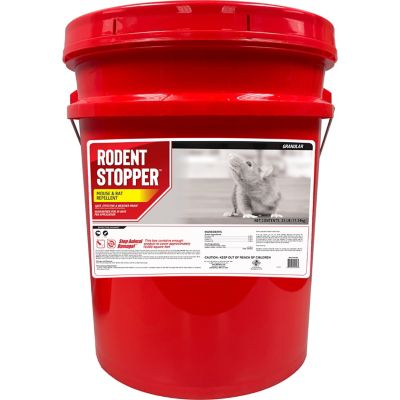
If you’re dealing with groundhogs, you might also be seeing signs of other rodents around your place. Many of the same strategies work for keeping away everything from voles to squirrels, so it’s worth checking out broader solutions as well. For more tips and a full range of products designed to keep all sorts of critters at bay, take a look at our
Rodent Repellents page. With a little planning and the right products, you can enjoy your land and garden without giving up the harvest to hungry wildlife—no matter if it’s the heat of summer or the cool-down heading into fall.