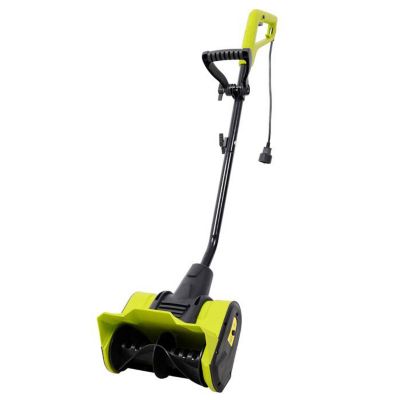
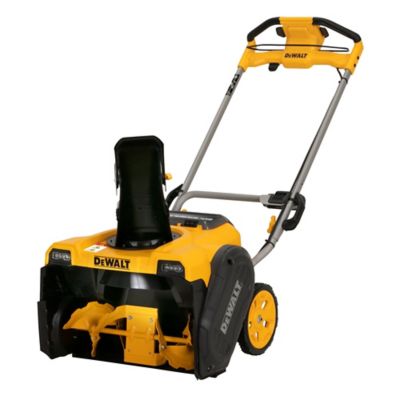
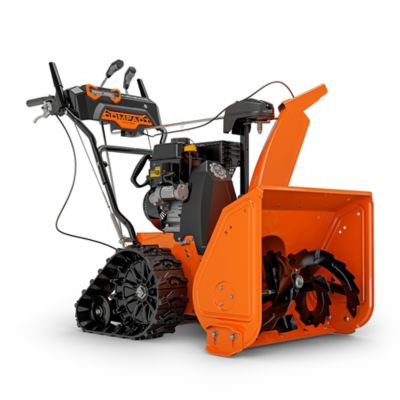
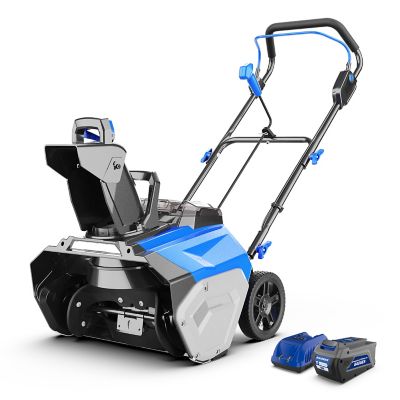
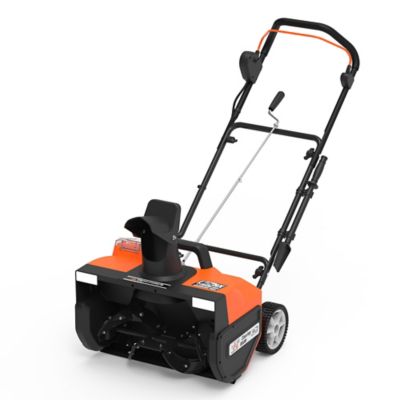
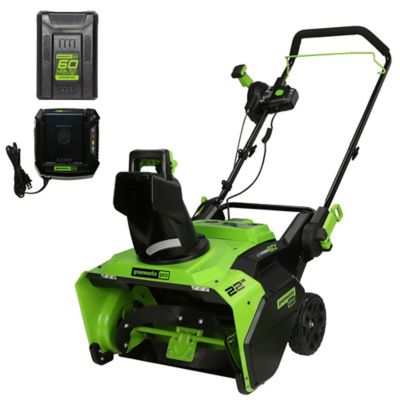
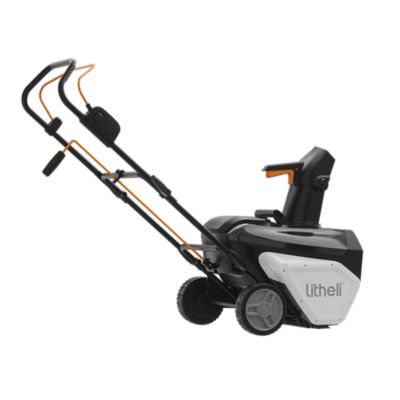
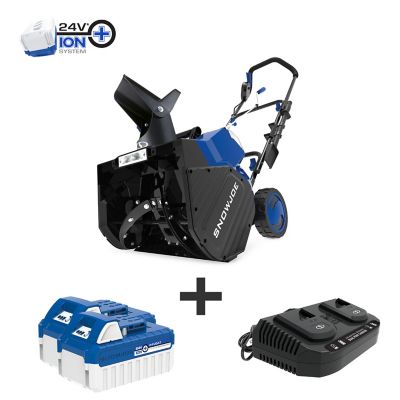
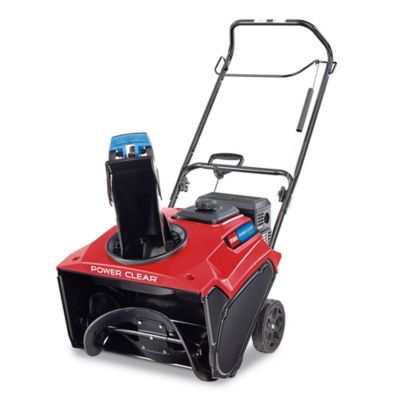
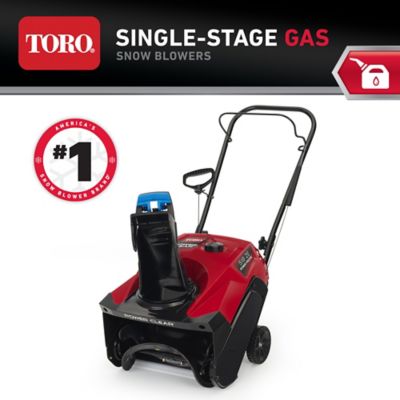
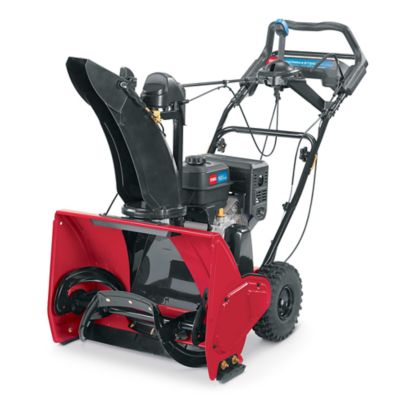
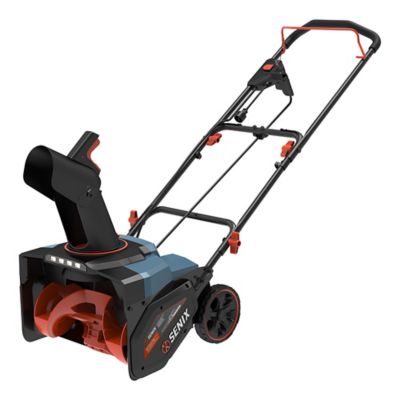
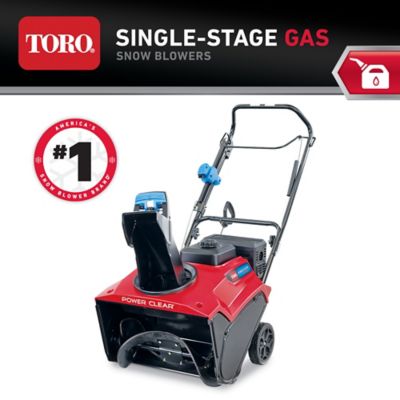
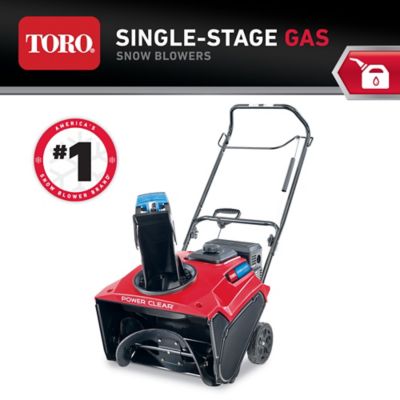
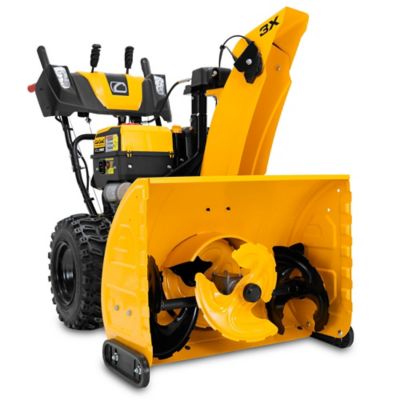
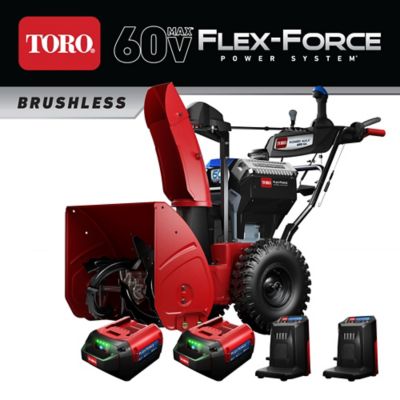
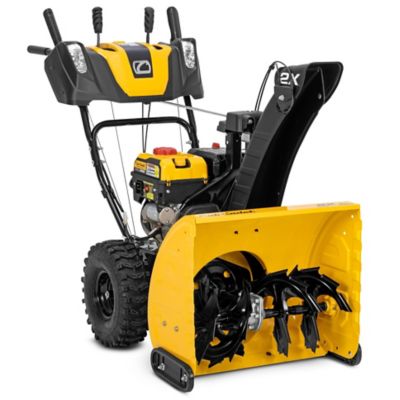
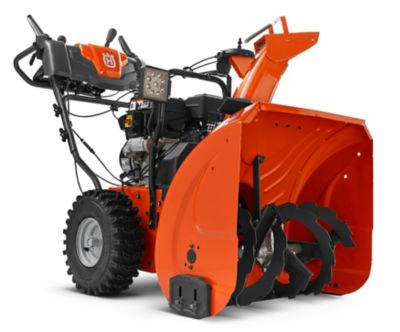
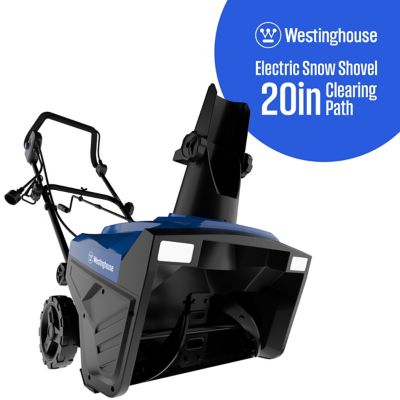
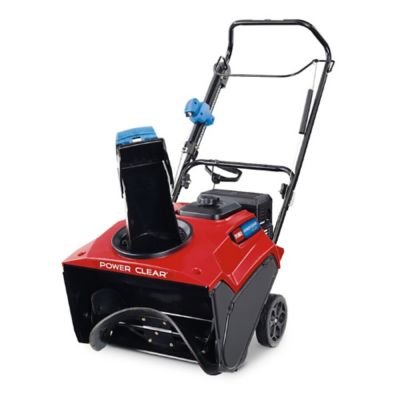
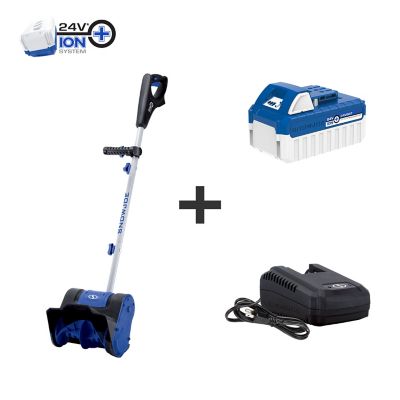
A lightweight snow blower is a compact snow-clearing machine built for manageable handling on sidewalks, short driveways, and other smaller areas. It can take some of the repeated lifting out of clearing the paved path from the back door to the garage, opening a walkway to the feed room, or making room beside a parked pickup. Some compact electric models weigh less than 35 pounds, while powered snow shovels can weigh considerably less; operating weight varies with the machine, battery, and attachments. These smaller machines generally suit light to moderate snowfall better than deep drifts, packed roadside piles, or heavy, wet snow. Fresh, loose accumulation of roughly 6 inches or less is a practical workload for many compact models, but the manufacturer’s clearing-depth rating and surface recommendations always matter. Clearing width describes the swath taken in one pass, while intake height describes the opening at the front; neither measurement alone tells the whole story about performance in dense snow. Most lightweight walk-behind designs have a single-stage system, with an auger that gathers snow and sends it through a discharge chute. Many single-stage machines have an auger or scraper that works close to the pavement, making smooth concrete and asphalt a better match than loose gravel. Decks and other finished surfaces need equipment specifically approved for that surface. Weight also tells only part of the handling story. Handle height, balance, wheel size, and the effort needed to turn at the end of a walkway all affect how a machine feels. A narrow body can fit between a fence and a parked vehicle, while a wider clearing path can reduce passes across an open driveway. Polymer housings help keep weight down, and steel frame components provide support around handles and other working parts. Replaceable scraper bars and auger paddles can help extend service life as those contact points wear.
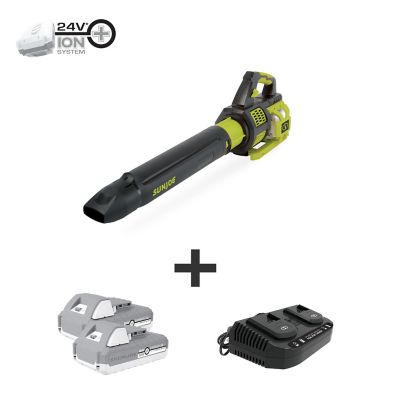
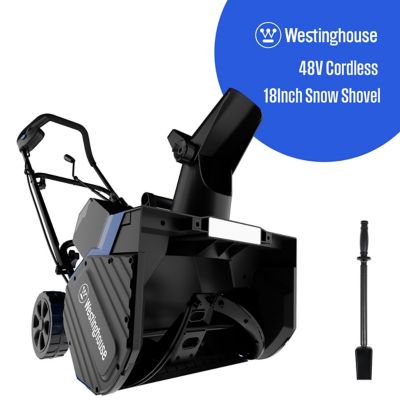
Corded and battery-powered snow blowers offer different ways to keep a small clearing job moving. A corded electric snow blower draws power from an outlet, so there is no battery charge to manage, but its working area depends on the permitted extension-cord length and access to a suitable electrical connection. The cord must be rated for outdoor operation, sized for the machine’s electrical requirements, and kept clear of the auger and travel path. Manufacturer directions for outlet protection and wet-location precautions are especially important around melting snow. A cordless snow blower leaves the cord behind, which can make turns around a garage apron or a stretch of sidewalk less awkward. Battery voltage, capacity, motor design, snow density, and clearing technique all influence performance. A fixed runtime claim does not describe every job: pushing through damp accumulation takes more energy than moving a shallow layer of fluffy snow. Battery weight also belongs in the comparison, since a machine’s listed weight may or may not include its power pack. Compatible spare batteries can support a longer job, provided the equipment allows battery changes and the packs are charged and stored according to their instructions. Some households already have outdoor power equipment on a battery platform, making compatibility worth checking rather than assuming that packs with similar markings will fit. Compact gas-powered designs are another category, though fuel, engine care, starting method, and overall operating weight bring different considerations. Across power types, chute adjustment and discharge control help place snow beside the path instead of back across it. Throwing distance varies with snow conditions, so a maximum distance is not a promise for every pass. Controls that are easy to reach with gloves, a comfortable handle grip, and lighting for dim conditions can make a noticeable difference when clearing around the garage before morning chores.
The best fit for a lightweight snow blower comes down to the property, the snowfall, and the person handling the machine. A short, level, paved driveway calls for different equipment than a long gravel lane or a sloped approach that turns icy. Smaller machines can be handy for homeowners who prefer equipment that takes less effort to maneuver, as well as anyone with a tight shed or garage. They still require pushing, steering, and sometimes lifting over a threshold, so manageable weight should not be mistaken for effortless operation. Wheels need a sound walking surface, and a snow blower does not replace traction underfoot or treatment for remaining ice. Keeping people and animals away from the discharge area matters around homes, kennels, and outbuildings, where stones or other hidden objects may be under the snow. A chute blockage requires a full stop, disconnection of the power source as directed, and the manufacturer’s recommended clearing tool—never a hand. Routine care centers on removing lingering snow, allowing the machine to dry, and checking the scraper, auger components, fasteners, wheels, and power connections for wear or damage. Battery packs need storage and charging conditions within their specified temperature range, while gas engines need the fuel and storage care outlined in their manuals. Folding handles can free up floor space, although the machine should only be folded or stored in positions the manufacturer permits. In a shared equipment corner, a
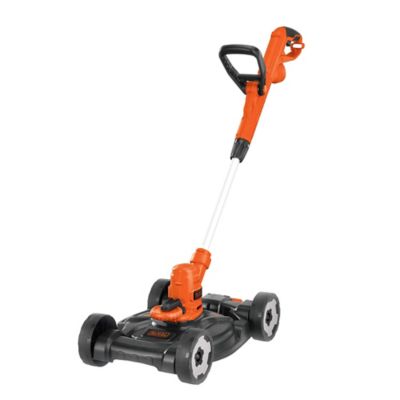
Lightweight Lawn Mower reflects the same interest in manageable equipment for routine property work. A snow blower can also be a practical gift for someone maintaining a smaller paved property, especially when the giver knows the recipient’s storage space, preferred power source, and comfort with the controls. Matching those everyday details matters more than choosing by weight alone, and helps keep a compact machine suited to the work waiting outside the door.