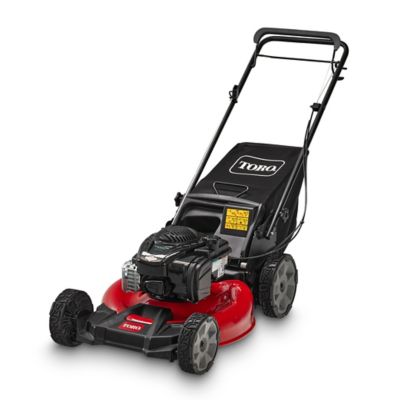
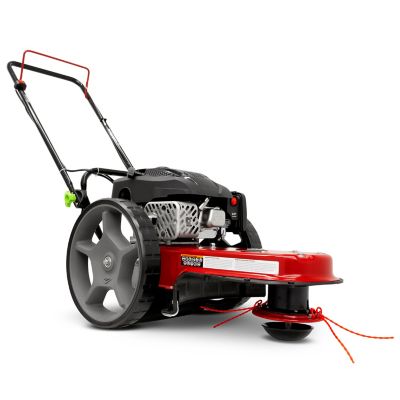
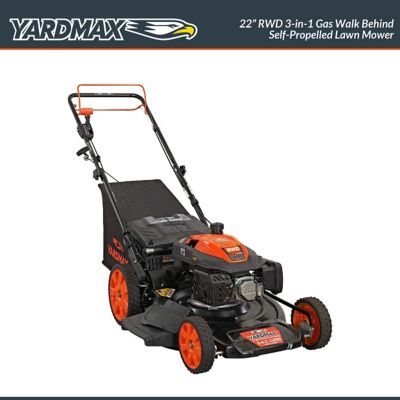
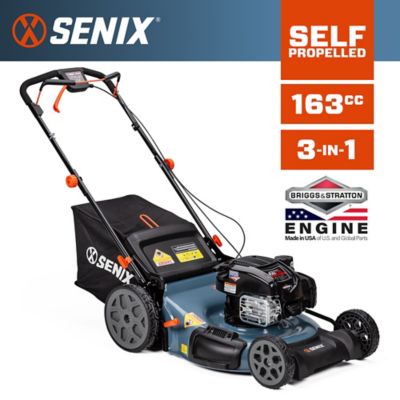
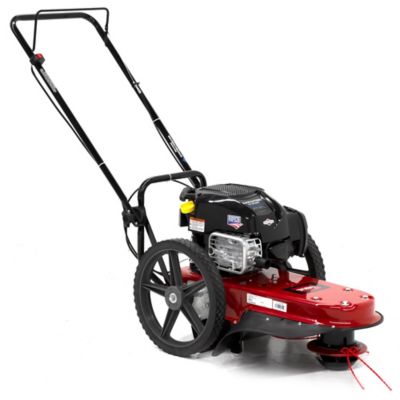
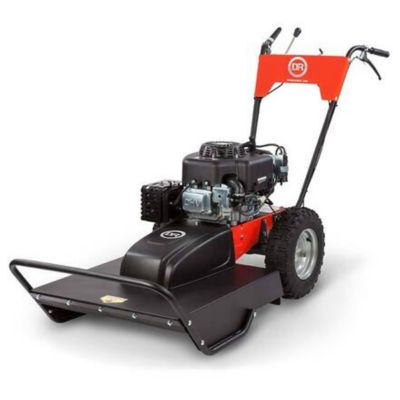
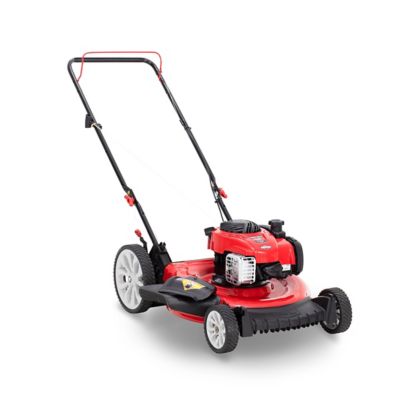
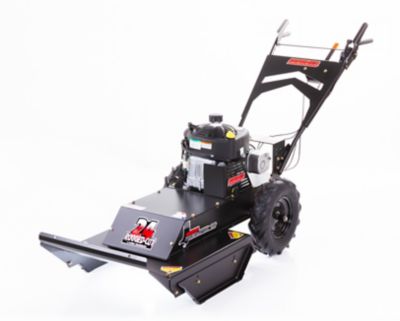
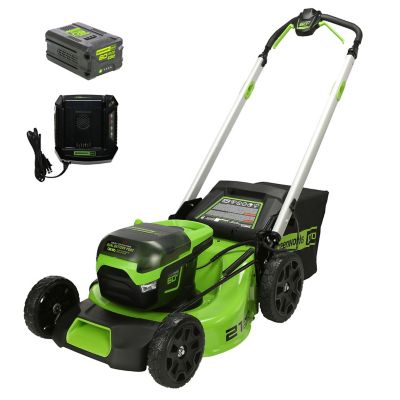
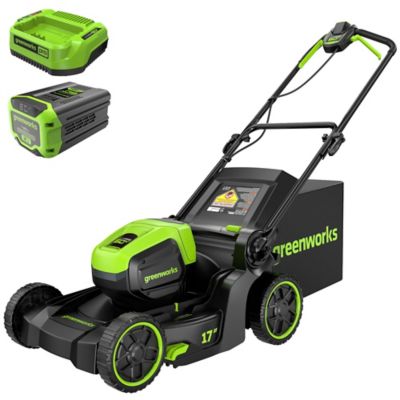
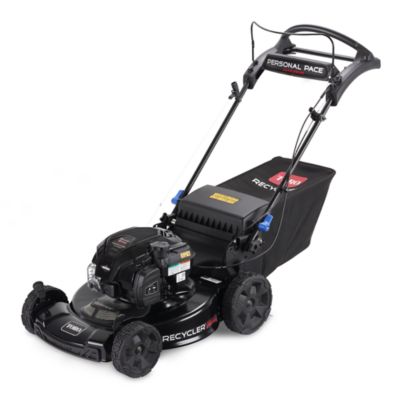
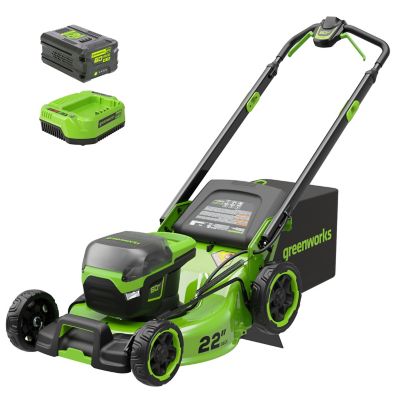
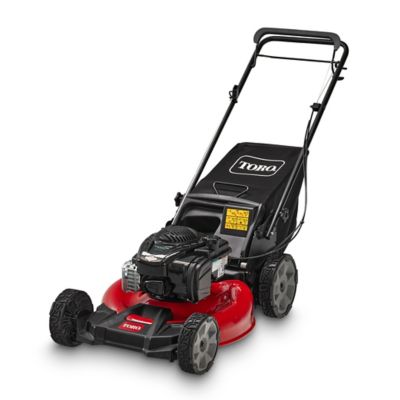
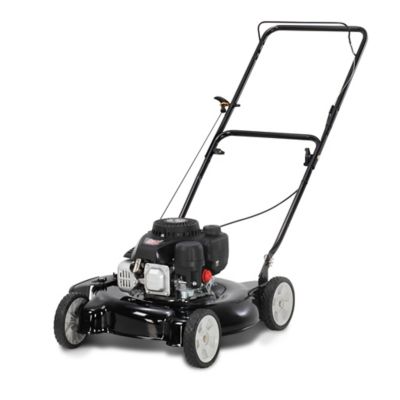
Finding the right lawn mower for uneven ground starts with looking closely at the land you need to cut. A yard with a few shallow dips calls for a different setup than a back field covered in mole hills, exposed roots, tall weeds and rolling slopes. Walk-behind mowers with larger rear wheels can make a noticeable difference on bumpy ground because the wheels roll over small holes and rises more easily than small wheels that may catch or drop into a dip. All-wheel-drive or self-propelled models can also help when the grass is thick, the soil is soft or the property includes an incline. For rougher areas that have grown beyond ordinary lawn grass, a walk-behind flail mower or other heavy-duty rough-cut machine may be a better match, especially around fence lines, drainage areas, orchards and open acreage. These machines are built to handle taller growth and tougher vegetation, though the cutting results may look more like a maintained field than a closely trimmed lawn. Hover-style mowers can be useful on certain steep or irregular areas because they move on a cushion of air rather than relying on wheels to travel over every contour. They are especially handy where dips and uneven patches make a wheeled mower awkward, but the right choice still depends on the slope, footing and size of the area. Before choosing, walk the property and note low spots, loose gravel, hidden stumps, washouts and places where the ground stays damp. A mower that handles a gently rolling lawn may not be suitable for a steep bank or a section with soft, uneven soil. For additional help comparing cutting needs, see
Lawn Mower for Tough Grass.
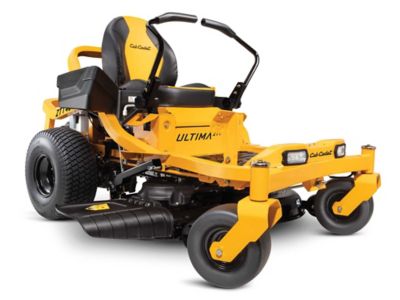
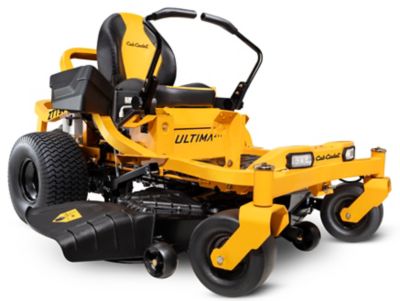
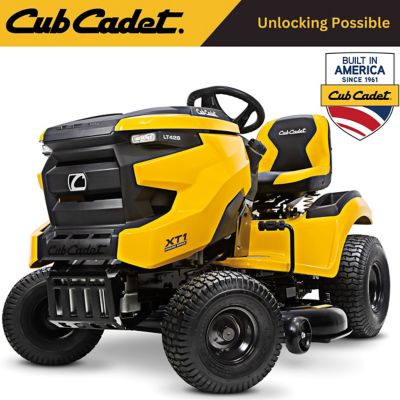
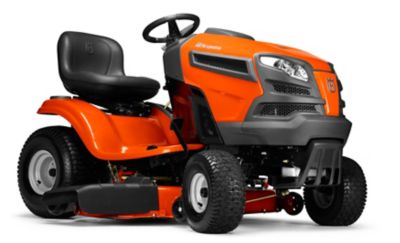
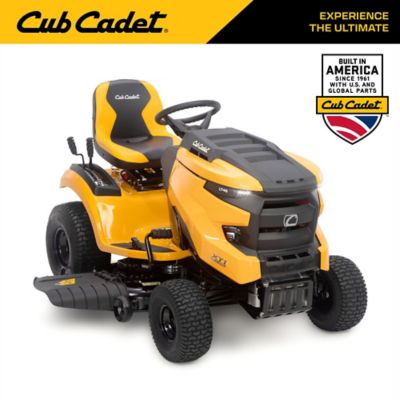
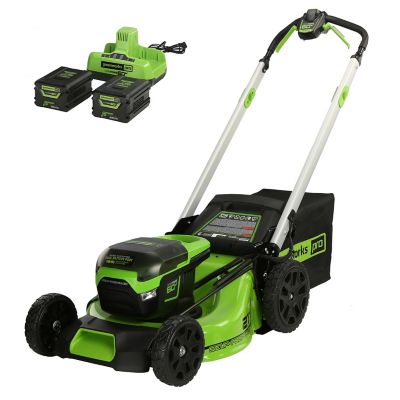
Riding mowers and lawn tractors are often a practical fit for larger, uneven yards where walking behind a machine would take extra time and effort. Look for strong traction, a comfortable seating position and a cutting deck designed to follow the ground without scalping every rise. All-wheel-drive or four-wheel-drive systems can help maintain grip while traveling across sloped or loose ground, while turf-friendly tires may reduce rutting when the soil is firm enough to support the machine. A zero-turn mower can save time around trees, sheds, garden beds and other obstacles, but it needs to be operated with care on slopes. Steering control is excellent on level and gently rolling ground, yet many zero-turn models are intended only for modest inclines. Check the owner’s manual for the permitted slope and keep the machine pointed across a slope only when the manufacturer allows it; steep hills, wet grass and sudden drop-offs can create a serious rollover risk. For any mower, a sturdy deck matters on uneven ground. A well-built deck is less likely to flex when it passes over a mound, helping keep the blades at a more consistent height. Adjustable cutting height is useful, too. Raising the deck slightly can prevent the blades from digging into high spots and can reduce stress on the engine when grass is thick or damp. Consider the engine power, fuel or battery needs, deck width, turning radius and storage space alongside the terrain itself. A wide deck may cover a big open pasture edge quickly, while a narrower deck can be easier to control between trees and along winding paths. Battery-powered options offer quieter operation and less routine fuel handling, while gas-powered machines may provide longer run time for expansive properties when a full charge is not convenient. Look for easy access to the air filter, oil fill, blade area and washout points, since uneven properties often bring extra dust, clippings and debris.
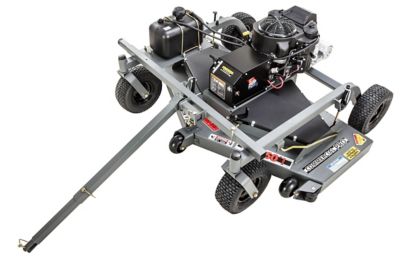
A mower for uneven ground can be a useful purchase for homeowners with sloping lots, rural acreage, wooded clearings, pasture edges or large lawns that regular neighborhood equipment cannot comfortably manage. It may also be a thoughtful gift for someone caring for a small farm, hunting property, family homestead or country rental, particularly when the machine matches the size and condition of the land. The best fit is less about choosing the biggest mower and more about matching the equipment to the work. A homeowner who trims a few rough banks may appreciate a maneuverable walk-behind mower with dependable traction, while someone maintaining several acres may get more value from a riding mower with a durable deck and enough power for long stretches of cutting. For properties that need occasional cleanup rather than weekly lawn care, a rough-cut or flail-style mower can help reclaim overgrown paths and keep brushy edges from closing in. Robotic mowers may suit some maintained yards with uneven sections, especially models designed for slopes and equipped with stronger traction, but the property should be mapped carefully and cleared of branches, toys, wire and other obstacles before operation. No mower should be treated as a brush cutter unless it is specifically designed for that job. During the warmer growing season, mow when the ground is dry enough to support the machine, keep blades sharp and avoid removing too much grass at once. As the weather cools, clear leaves and debris from the cutting area, inspect belts and tires, and follow the manufacturer’s storage recommendations. Wear sturdy shoes, eye protection and hearing protection as appropriate, keep bystanders and pets away from the mowing path, and shut the machine off before clearing a clog or checking beneath the deck. Taking a little time to match mower style, traction, deck design and power to the ground can make uneven property easier to maintain and help the equipment perform reliably season after season.