Tools for leaf removal range from leaf rakes and hauling tarps to powered blowers, lawn sweepers, and leaf vacuums, with each type suited to a different part of the cleanup. A small yard with a few shade trees calls for a different setup than a long gravel drive bordered by mature oaks. The amount of ground, the surface underfoot, and whether leaves are dry or packed down after rain all affect how equipment handles the job. Manual tools make sense around garden beds, porch steps, and tight fence corners where a broad blast of air could scatter mulch along with the leaves. A
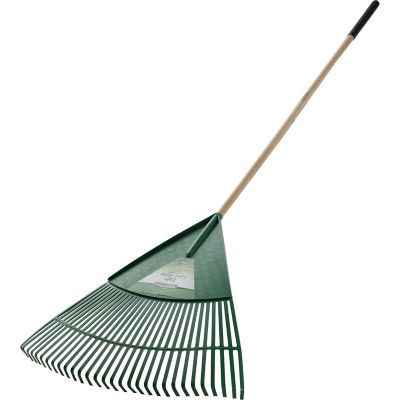
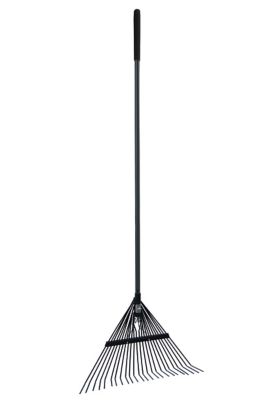
Lightweight Rake for Leaves can be a good fit for gathering loose leaves without carrying much extra weight between the house, shed, and garden gate. Wide fan-shaped heads cover open grass, while narrower heads reach between shrubs and along edging. Flexible plastic tines generally keep weight down and work well with loose leaves; springy metal tines offer a firmer feel when working through heavier layers. Handle length matters as much as head width, since a comfortable reach helps limit bending during a long afternoon outside. Wood handles have a familiar feel but benefit from dry storage, while fiberglass and metal handles offer other weight and grip options. A secure head connection and a grip that feels comfortable with work gloves are worth considering for repeated cleanup. Leaf scoops, collection bags, and tarps handle the next stage: moving a scattered layer or gathered pile to its destination. Broad scoops help lift leaves into containers, while a hauling tarp lets a load travel across open ground with less carrying. Reinforced edges and well-attached handles matter when leaves must cross rough grass. Even a roomy tarp can become hard to manage once rain adds weight, so manageable loads count for more than sheer capacity.
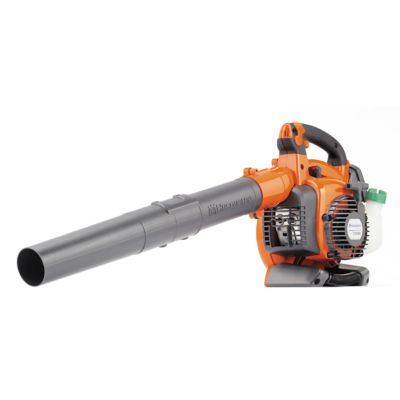
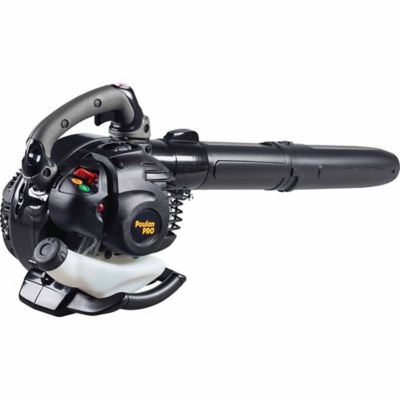
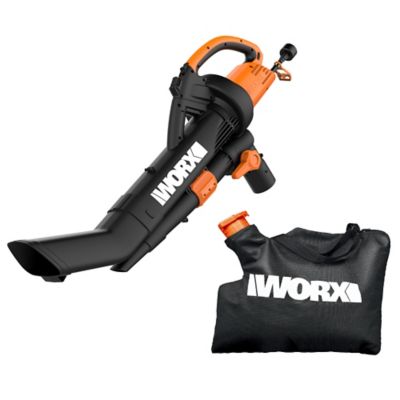
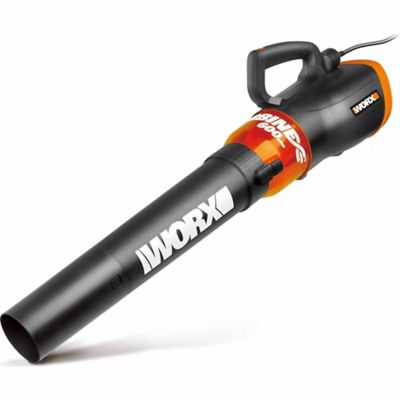
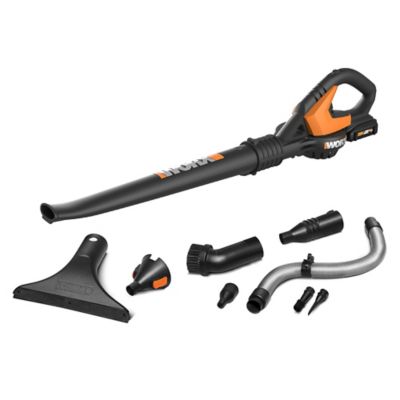
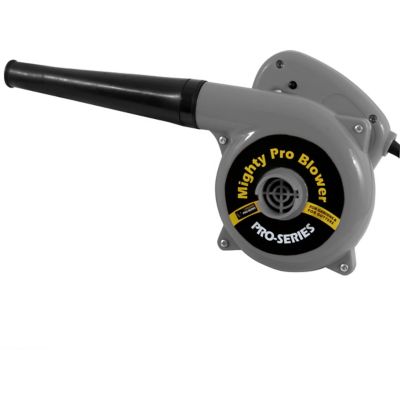
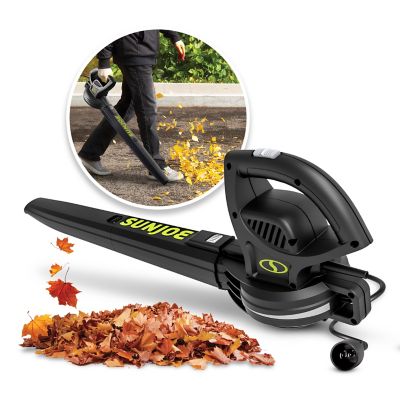
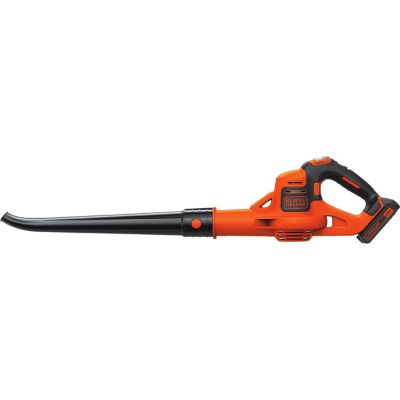
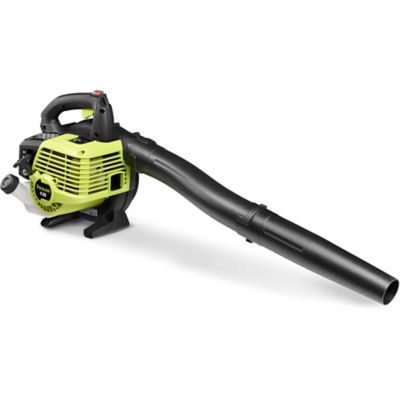
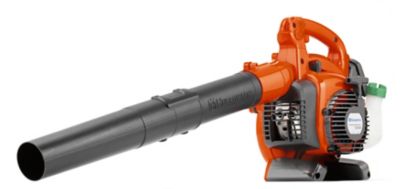
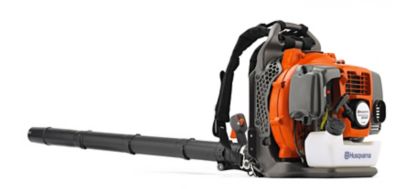
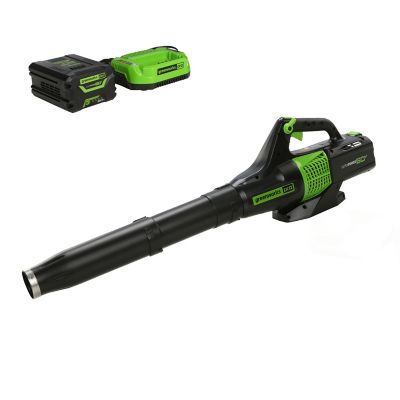
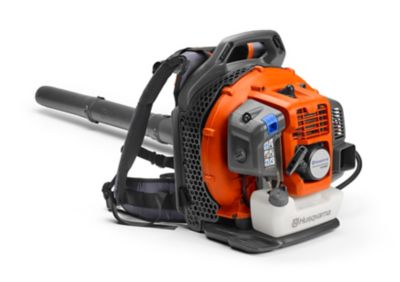
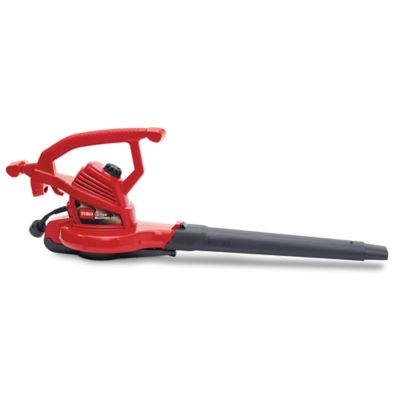
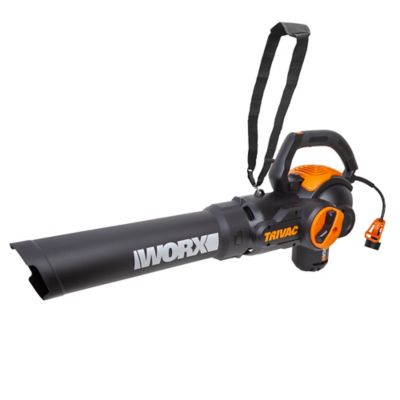
Leaf blowers are built to move leaves across lawns, driveways, patios, and other open areas, and the right power source depends on the distance, workload, and storage space involved. Corded electric blowers suit areas within reach of an appropriate outdoor extension cord and outlet, though the cord becomes part of the job around trees and fence posts. Battery-powered blowers offer freedom from a cord, with working time affected by battery capacity, power setting, and the resistance of the material being moved. Gas-powered equipment is another option for longer cleanup sessions and larger properties, with fuel handling and engine maintenance part of ownership. Handheld designs suit shorter rounds near the house or outbuildings, while backpack designs shift much of the machine’s weight onto the back and shoulders. Harness adjustment, padding, balance, and access to the controls influence comfort just as much as the listed weight. Air volume, commonly measured in cubic feet per minute, describes how much air a blower moves; air speed, commonly measured in miles per hour, describes how fast that air travels. Both matter, but neither number alone tells the whole story. Nozzle design, throttle control, and leaf conditions also affect performance. Dry maple leaves on pavement behave very differently from damp oak leaves caught in grass. Variable-speed controls help match airflow to the surface, especially near gravel, mulch, or plantings that should stay put. Blower-vacuum combinations add a collection function, and some also shred suitable leaves as they enter a bag. Their value is often in reducing loose volume and keeping smaller cleanup areas contained, rather than swallowing every kind of yard debris. Bag weight, strap fit, and the ease of switching functions deserve attention when comparing designs. A blower and rake can also complement one another: airflow gathers scattered leaves across open ground, while flexible tines finish the edges and corners. Eye protection, hearing protection when called for, and consideration for nearby people, animals, and passing vehicles belong alongside any powered setup.
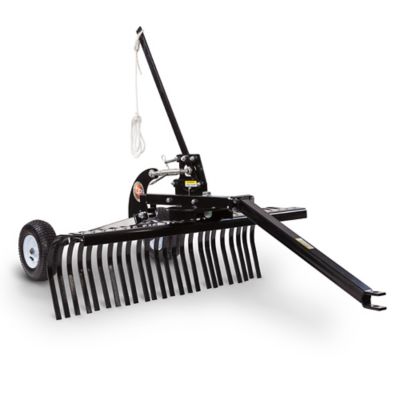
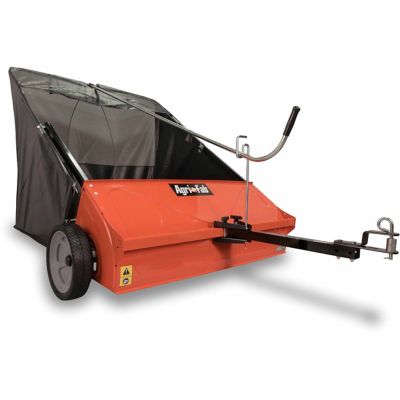
Lawn sweepers, leaf mulchers, and tow-behind collection equipment address larger volumes or a different end goal than simply moving leaves into piles. A push lawn sweeper gathers suitable surface debris with rotating brushes and carries it in a hopper, making it an option for people who prefer a manual collection tool without an engine or power cord. Its performance depends on brush adjustment, terrain, and leaf conditions; a thick, wet mat is a tougher task than a loose layer on an even lawn. Tow-behind sweepers cover more ground behind compatible lawn equipment, while tow-behind vacuum systems collect leaves through a suction system. Hitch compatibility, permitted towing equipment, operating limits, and room to turn all matter around orchard rows, narrow gates, and winding paths between outbuildings. Hopper size affects how often a load needs emptying, but a larger collector also needs clearance for storage and a practical unloading spot. Leaf mulchers serve a separate purpose by shredding suitable material into smaller pieces for collection, composting, or other appropriate landscape use. Some operate as standalone machines, while others are part of a vacuum system. Shredding performance varies with leaf type and moisture, so stated reduction ratios are best understood alongside the manufacturer’s test conditions rather than as a promise for every pile. Sticks, stones, and other hard debris can damage equipment not designed to accept them. For homeowners managing several shade trees, acreage owners maintaining open lawn, or someone helping family keep walkways clear during the cooler months, a useful collection of tools often covers gathering, moving, and containing rather than relying on one machine for everything. Long service life starts with sound construction and continues with routine care: clear tines and brushes, empty collection bags, and let damp fabric dry before storage. Powered equipment needs maintenance matched to its design, including checks of fasteners, intake openings, cords, batteries, or engine components as applicable. Storage footprint matters, too, especially when leaf equipment shares a shed with feed containers, fencing tools, and winter gear. Folding handles, removable bags, and accessible hanging points can make the space easier to manage between cleanup days.