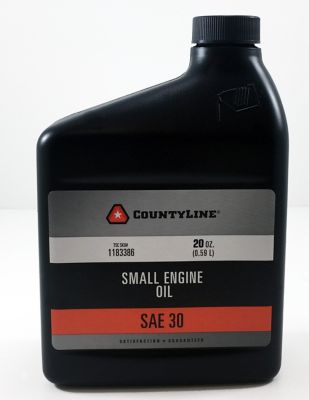
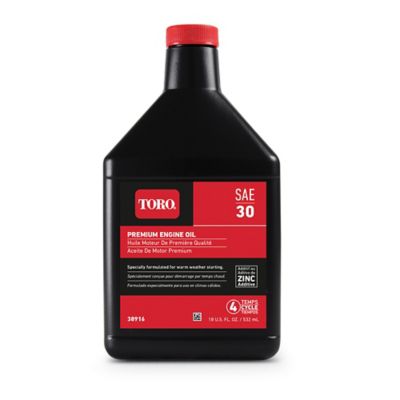
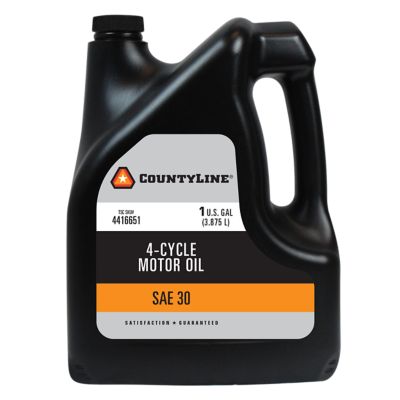
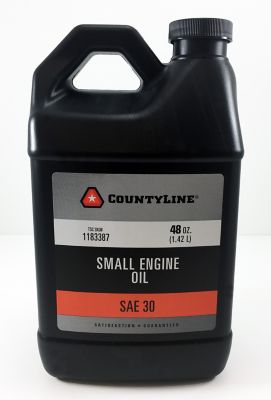
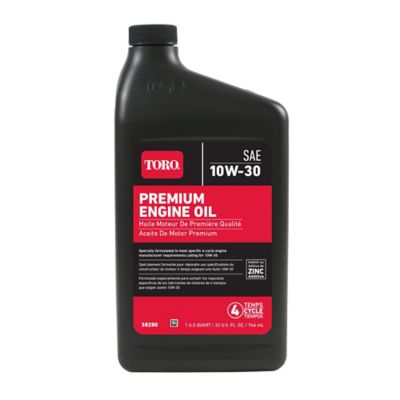
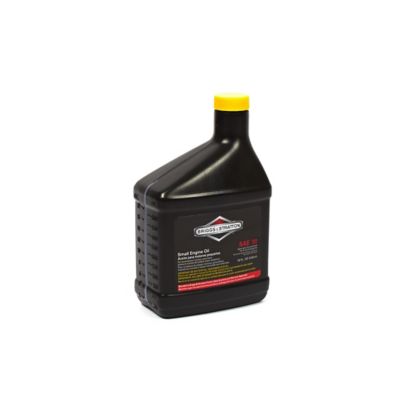
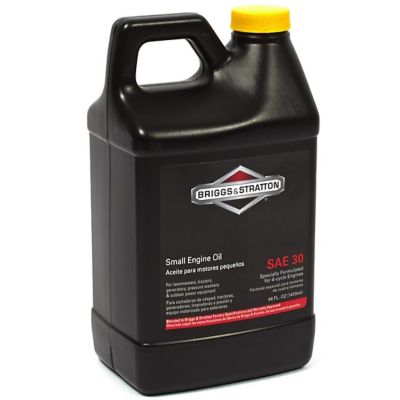
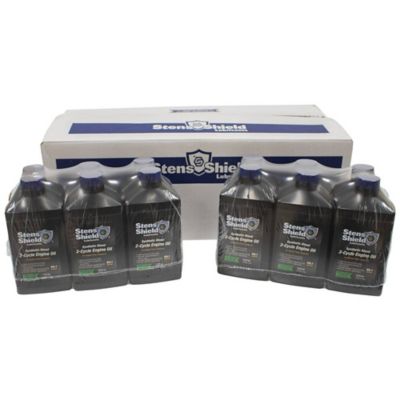
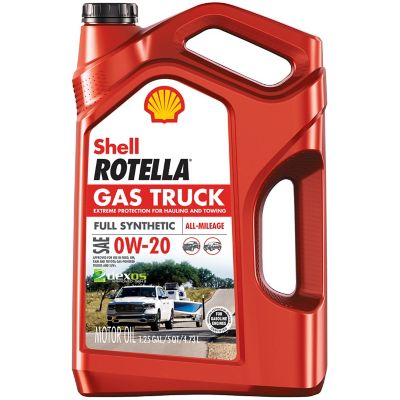
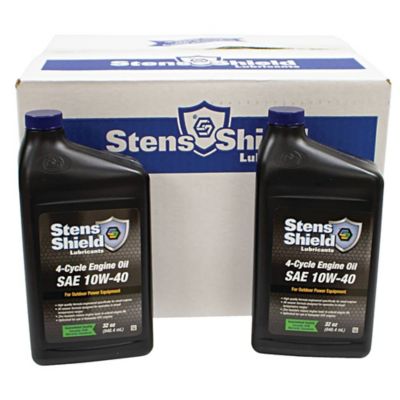
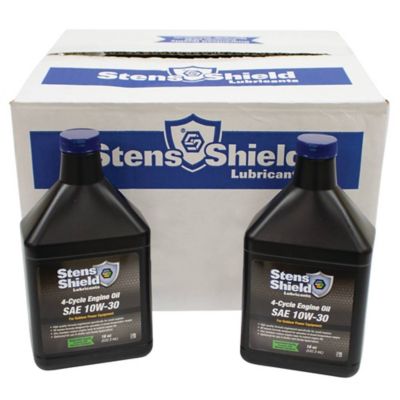
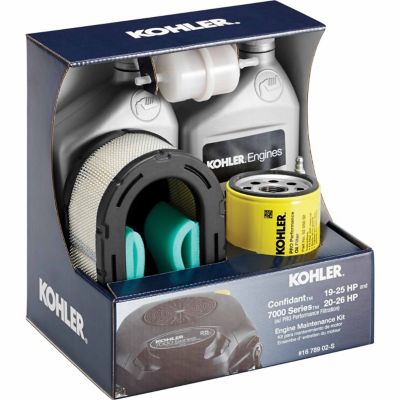
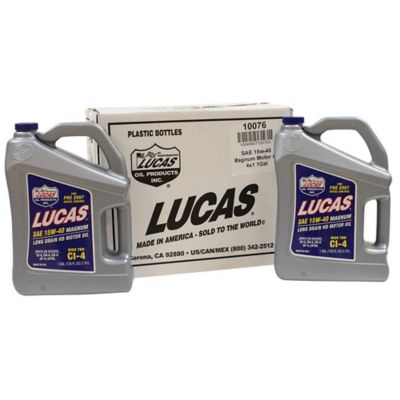
Lawn mower engine oil helps keep the small engine at the heart of your mower running smoothly through regular mowing, hauling, bagging and cleanup work. Whether you care for a compact walk-behind mower, a riding mower, a zero-turn machine or another piece of outdoor power equipment, the right oil supports lubrication, helps manage heat and carries away dirt and engine byproducts as the motor runs. A mower that spends its days cutting thick grass, climbing gentle slopes or working around a large property can put plenty of demand on its engine, especially when the air is warm and the deck is full of clippings. During the cooler months, fresh oil can also be part of getting equipment ready for storage or preparing it for an occasional late-season cleanup. This collection of lawn mower engine oils includes options for routine maintenance and seasonal service, making it easier to keep commonly used equipment supplied with the oil called for by its engine manufacturer. Before choosing a bottle, check the mower or engine manual for the recommended viscosity, oil type, API service classification and fill capacity. Those details can vary from one engine to another, even among machines that look similar. A good maintenance routine starts with a level surface, a cool engine and a clean area around the fill tube or drain plug so dust and grass do not fall into the crankcase. Many walk-behind mower engines hold roughly 15 to 18 ounces, while riding mower engines generally require more, but the manual and dipstick should always be the final word. Add oil slowly, checking the level as you go, since overfilling can be just as troublesome as running low.
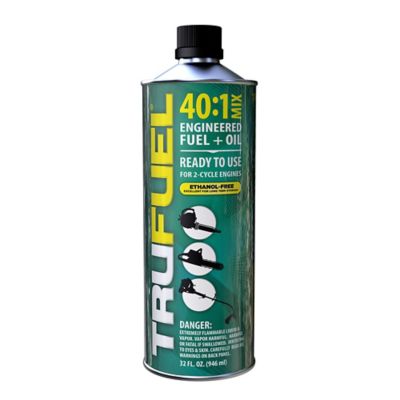
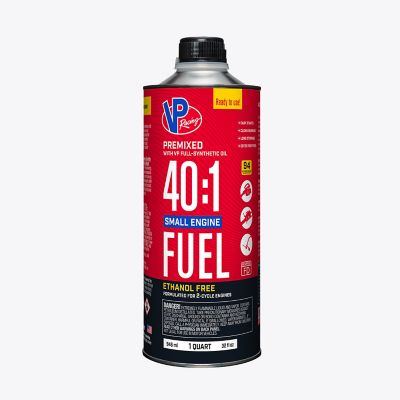
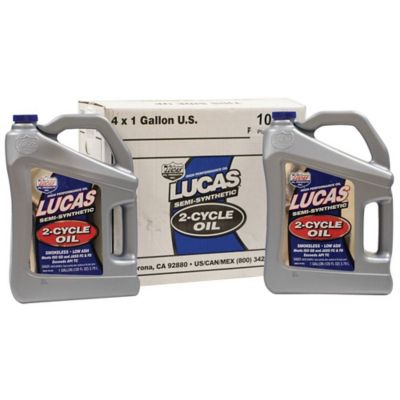
For many standard four-cycle lawn mowers, SAE 30 is a traditional choice for steady warm-weather operation, while 10W-30 can suit equipment that sees a wider range of temperatures and may need easier starting during cooler conditions. Synthetic 5W-30 is another option used in some engines where the manufacturer allows it, offering a broad operating range for equipment that works through changing weather. Viscosity describes how the oil flows at different temperatures, so the number listed in the manual matters more than a one-size-fits-all rule. A mower used mainly during warm, settled conditions may call for a different grade than a machine that gets pulled from the shed on a cool morning to clear a field edge or tidy up leaves. Look for a quality detergent engine oil with an API classification that meets or exceeds the engine maker’s requirements; common small-engine recommendations may call for SF, SG, SH, SJ or a newer classification. It is also important to know whether your equipment uses a two-cycle or four-cycle engine. Most standard walk-behind and riding mowers use four-cycle engines, which keep gasoline and engine oil in separate places. Two-cycle equipment, such as some trimmers, blowers and older small machines, may require oil mixed with gasoline according to a precise fuel-to-oil ratio. Never add oil to the fuel tank or mix it into gasoline unless the equipment instructions specifically call for a two-cycle mixture. Using the wrong oil or fuel arrangement can lead to hard starting, excess smoke, poor performance or engine damage. When in doubt, find the engine model number and review the manufacturer’s instructions before making a purchase. Shoppers comparing options can also browse
Top-rated Lawn Mower Oil for additional help narrowing down suitable choices.
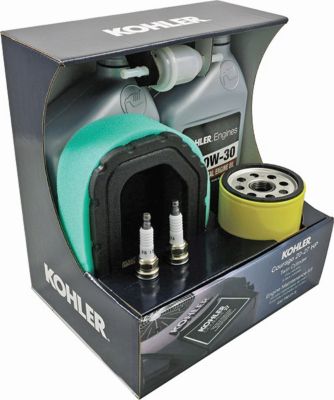
Keeping a container of the correct lawn mower oil on the shelf is useful for homeowners, acreage owners, groundskeepers, property managers and anyone who depends on outdoor power equipment when the grass is growing fast or the property needs a tidy finish. It can be handy for a neighbor who maintains a few acres, a family member who keeps a riding mower ready for weekend chores or a new homeowner learning the care routine for equipment that came with the property. Engine oil can make a practical gift for someone who enjoys working in the yard, especially when paired with other maintenance essentials such as a replacement air filter, spark plug, funnel, drain pan or shop towels. Before storing a mower during a longer stretch of cold or wet weather, follow the equipment manual’s storage instructions and consider whether an oil change is recommended. Used oil can hold contaminants that are better removed before the machine sits, while clean oil helps leave the engine ready for its next scheduled use. If you continue mowing, clearing leaves or handling property upkeep as temperatures drop, inspect the oil level before each use and watch for changes in color, smell or consistency. Oil that appears gritty, unusually dark or contaminated may be due for service, but the manufacturer’s maintenance schedule should guide the interval. Keep new and used oil in sealed containers, store it away from children and animals, and take drained oil to an approved recycling or collection location rather than pouring it onto the ground or into a drain. With the proper viscosity, the correct amount and a little regular attention, lawn mower engine oil helps support dependable starts and steady performance from the first cut of the season through those final cleanup jobs.