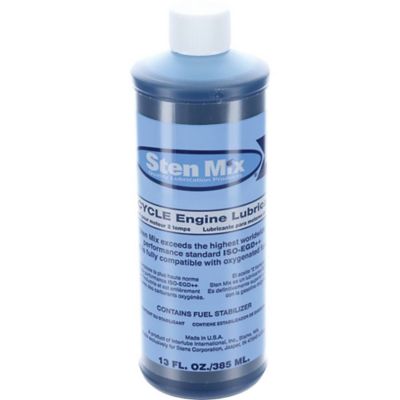
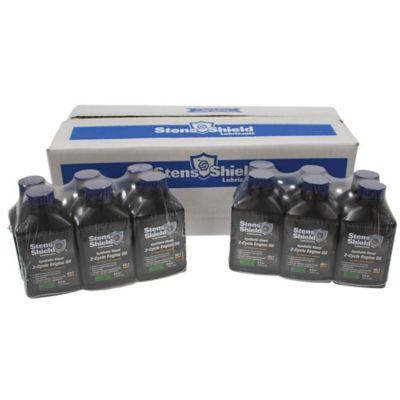
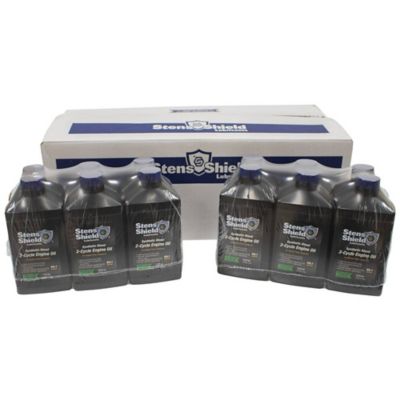
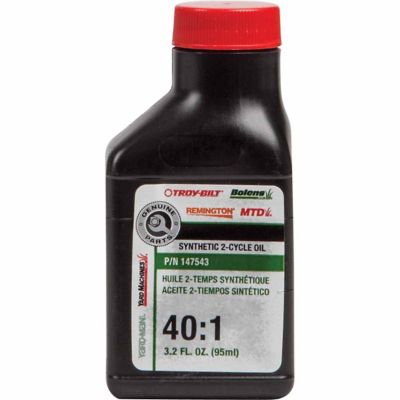
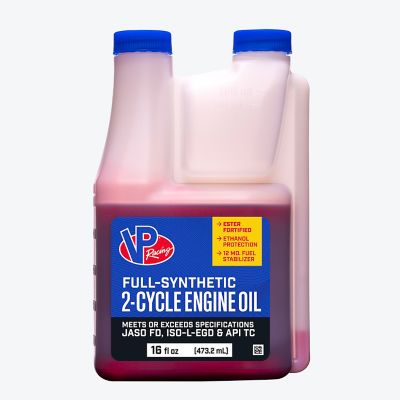
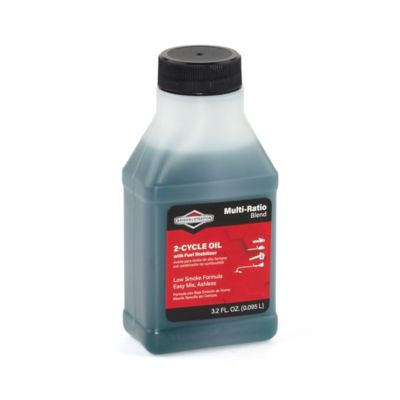
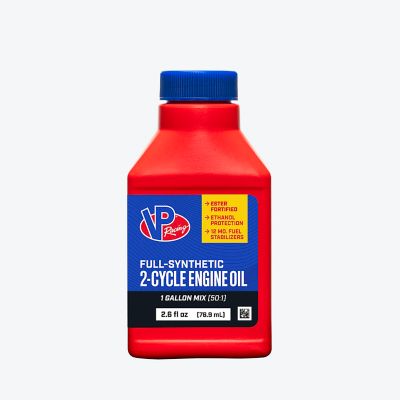
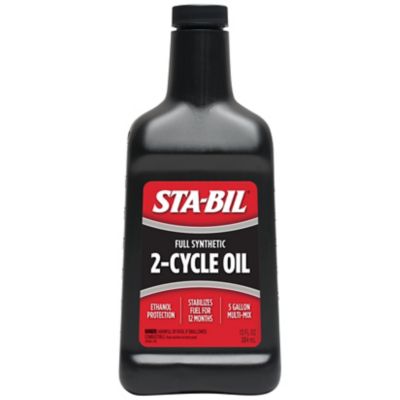
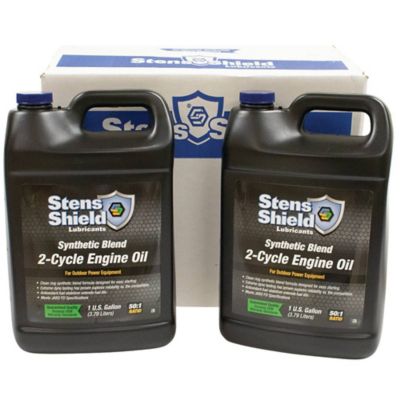
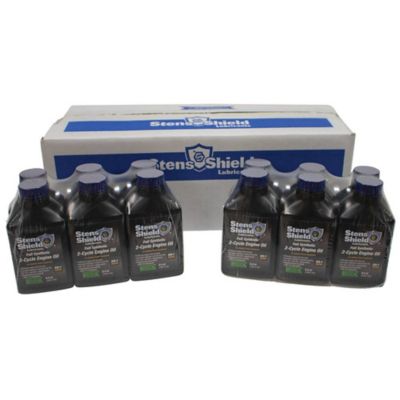
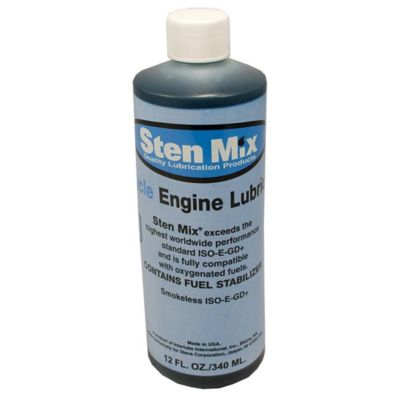
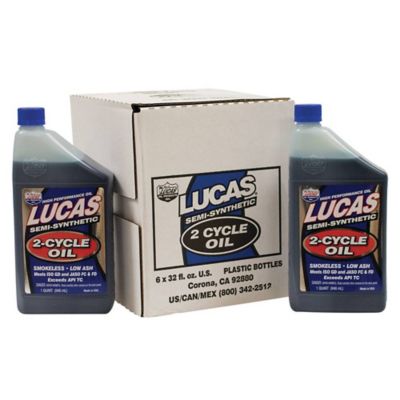
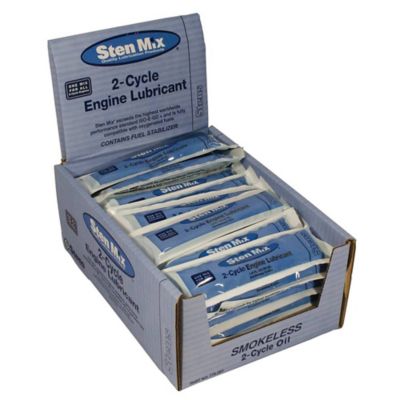
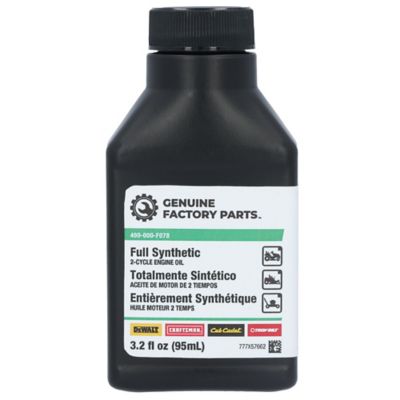
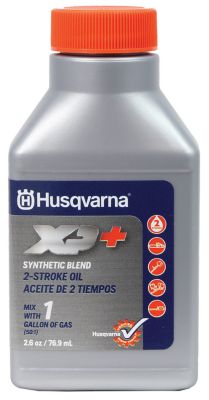
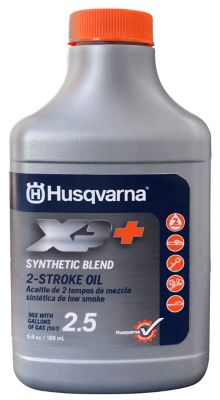
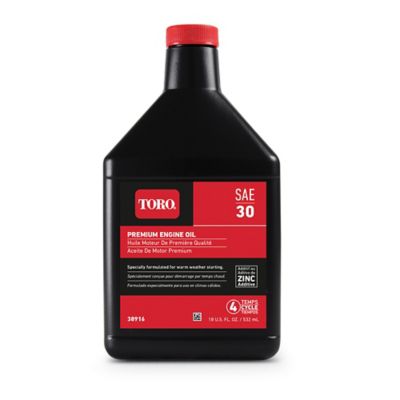
2-cycle engine oil is made for two-stroke engines that use oil mixed into the gasoline for lubrication. Unlike a four-stroke engine, a typical two-stroke engine does not have a separate crankcase oil reservoir. Instead, the oil travels with the fuel through the carburetor and into the engine, coating moving parts such as the piston, cylinder walls, connecting rod and bearings before being burned during combustion. That makes the right oil and the right fuel mixture especially important for dependable starting, steady performance and long engine life. You may use 2-cycle engine oil in equipment such as string trimmers, chainsaws, brush cutters, leaf blowers, edgers, cultivators, small pumps and other outdoor power equipment designed for two-stroke operation. Some mowers and compact utility machines also use two-cycle engines, including equipment found through our selection of
2 Cycle Mowers. Before buying, check the owner’s manual or the label on the equipment for the required oil type and mixture ratio. A common ratio for newer equipment is 50:1, meaning 50 parts gasoline to one part oil, while some older engines or heavy-duty equipment call for 40:1 or 32:1. The difference matters: too little oil can leave internal parts without enough lubrication, while too much can create excess smoke, foul the spark plug, reduce performance or contribute to carbon buildup. A measuring bottle, marked mixing container or ratio chart can make the job easier when you are preparing fuel for equipment around the farm, homestead or hunting camp.
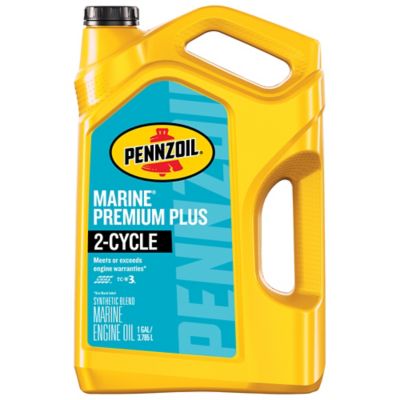
When choosing 2-cycle engine oil, match the oil to the kind of engine it is intended to serve. Air-cooled two-stroke oils are commonly used in handheld outdoor power equipment such as chainsaws, trimmers and blowers, where the engine relies on surrounding air to stay at operating temperature. Water-cooled two-stroke oils are intended for marine engines and personal watercraft, and they may carry a marine performance designation such as TC-W3. These oils are not interchangeable just because they are both labeled for two-cycle engines, so take a close look at the equipment manual and the oil container before mixing. You can also compare conventional, synthetic-blend and full-synthetic formulas based on how and how often you use your equipment. A synthetic or synthetic-blend formula may be a practical choice for frequent cutting, long runs or demanding conditions, while a conventional formula may suit occasional trimming and routine property upkeep when it meets the manufacturer’s requirements. Low-smoke formulas can help reduce visible exhaust during operation, which is handy when you are working near the house, barn or neighbors. Some oils include fuel stabilizers or detergents that help keep mixed fuel in better condition and reduce deposits in the exhaust system, but the mixture should still be stored in a clean, approved fuel container and used according to the oil and equipment instructions. Fresh gasoline is important, too. Old or contaminated fuel can make a healthy engine act stubborn, especially after equipment has been sitting through cooler weather. For the cleanest mix, pour the recommended amount of gasoline into an approved container, add the measured oil, seal the container and gently shake it to blend the contents before filling the tank. Never pour oil into a four-stroke engine, and never run a two-stroke engine on straight gasoline unless the manufacturer specifically describes a different oiling system. Using the wrong fuel or skipping the oil can lead to overheating, scoring and expensive engine damage.
A bottle or container of 2-cycle engine oil is a useful item to keep on hand for anyone who maintains a rural property, acreage, rental cabin, campsite or small landscaping business. It can also make a practical gift for a homeowner who spends weekends clearing fence lines, cutting firewood, grooming trails or keeping the driveway and yard tidy. During the cooler months, many folks are getting chainsaws, blowers and other equipment ready for storm cleanup, firewood work and general property maintenance, while equipment that sees less use may be prepared for storage. In either case, good fuel habits help equipment stay ready when you need it. Label each fuel container with the oil ratio and the date it was mixed, and keep mixed fuel away from heat, sparks, children and animals. Store oil upright in a cool, dry place, and follow the container’s storage guidance so the formula stays in good condition. If several pieces of equipment call for different ratios, keep separate labeled containers rather than guessing at the pump or trying to remember which mix belongs in which tank. A small measuring tool, funnel and spare spark plug can also be handy companions for routine maintenance, though the oil itself should always be selected first according to the engine maker’s instructions. Wear eye and hearing protection when operating powered equipment, keep bystanders clear and allow the engine to cool before refueling. Whether you are clearing fallen limbs after a windy day, trimming tall grass around a pond or keeping a few acres in shape as the seasons change, the correct 2-cycle engine oil and fuel mixture help your equipment run smoothly and give you more confidence with every pull of the starter.