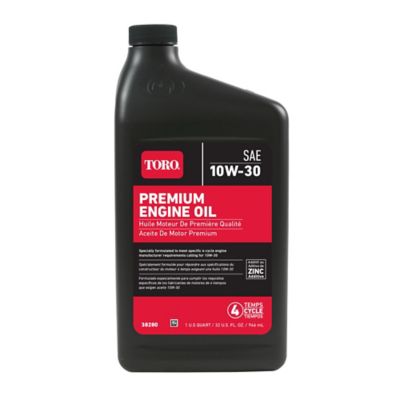
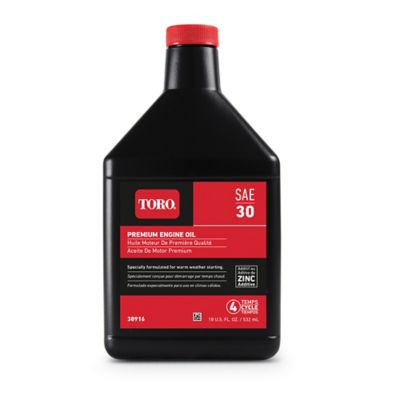
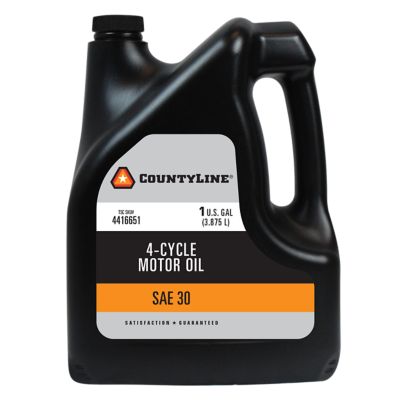
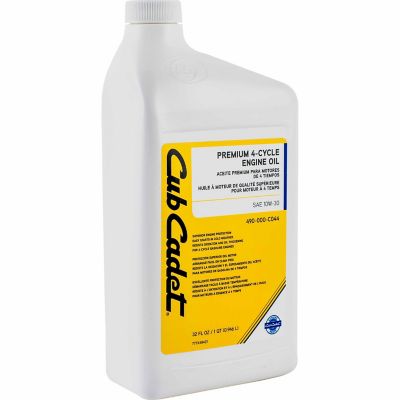
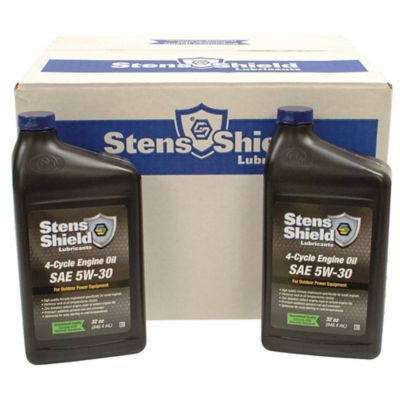
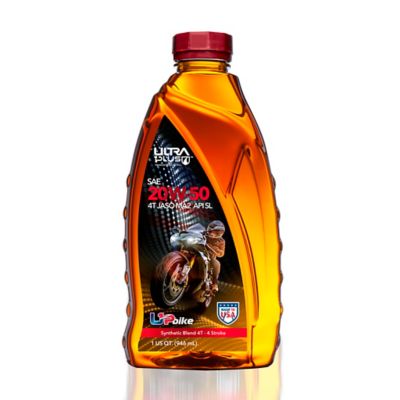
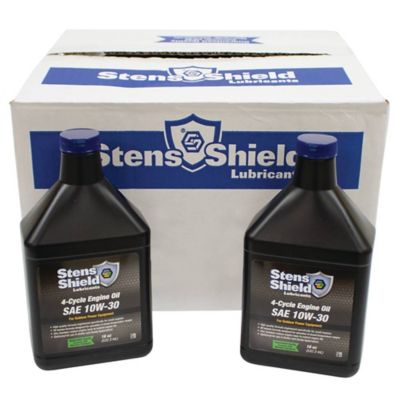
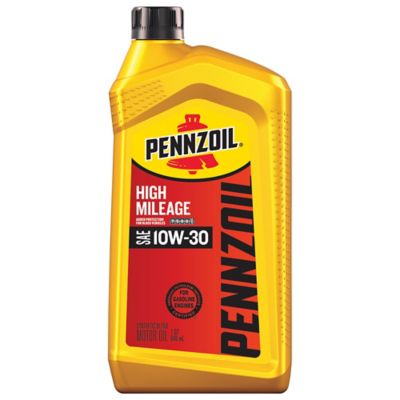
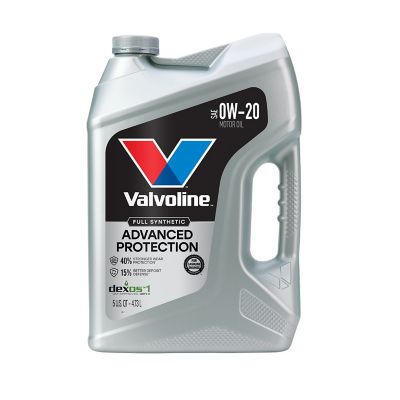
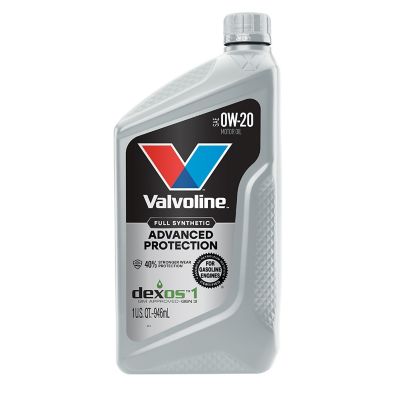
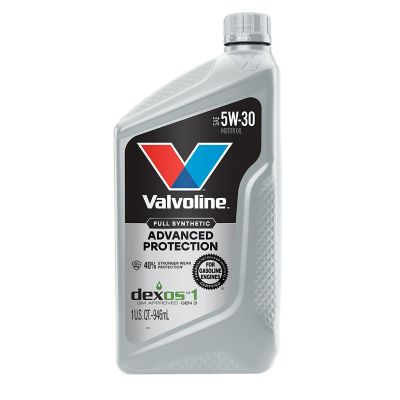
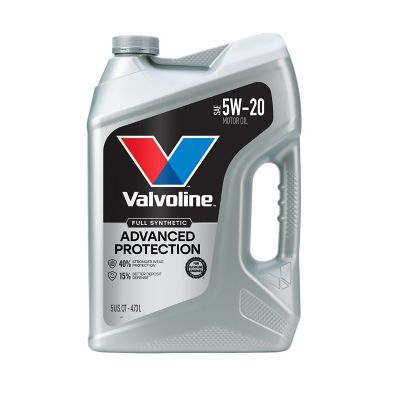
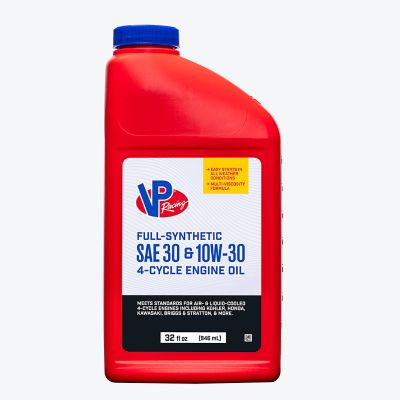
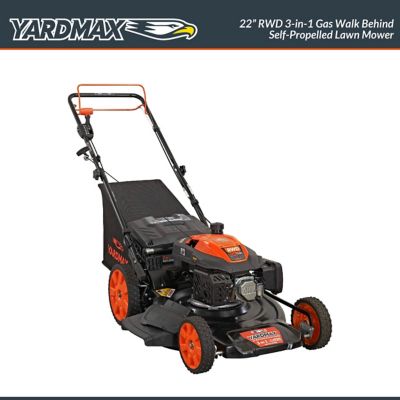
4-cycle lawn mower oil is motor oil that lubricates a four-stroke mower engine from a separate crankcase. It belongs in the engine’s oil reservoir, not mixed into the gasoline, and it needs to meet the viscosity and performance specifications listed in the engine owner’s manual. That distinction matters whether the job is mowing a small yard beside the house or keeping several acres trimmed around the barn. Inside the engine, oil forms a protective film between moving parts, helps carry heat away from working surfaces, and keeps contaminants suspended until an oil change removes them. The crankshaft, bearings, and other internal components depend on that lubrication while the mower works through thick grass or makes repeated passes along a fence line. Four-cycle engines power many push mowers, self-propelled walk-behind mowers, lawn tractors, and zero-turn mowers, but those machines do not all call for the same oil. Engine design, lubrication system, and manufacturer requirements determine the right match—not deck width, mower size, or the fact that two machines both run on gasoline. Common viscosity labels include SAE 30, SAE 10W-30, and SAE 5W-30, though each grade belongs only in engines whose specifications allow it. SAE 30 identifies a single-grade oil, while labels such as 10W-30 identify multigrade oils. Those numbers describe viscosity characteristics; they do not rank one oil as better than another. An oil that suits a walk-behind mower may not meet the requirements of a riding mower parked in the same shed. Checking the engine model and its oil specifications gives a firmer starting point than matching a bottle to the mower’s appearance. For property owners, grounds crews, and anyone responsible for keeping grass cut around gates, outbuildings, and garden edges, the right engine oil is a practical part of keeping mowing equipment ready for its next job.
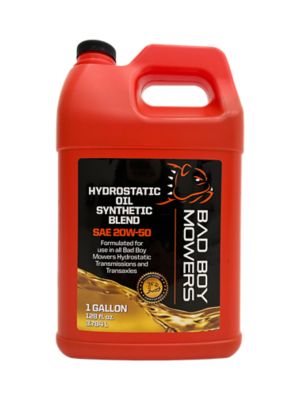
Conventional, synthetic blend, and full synthetic formulations give mower owners several types of 4-cycle engine oil to consider. Conventional motor oil uses refined petroleum base oils, synthetic blends combine conventional and synthetic base oils, and full synthetic formulations rely on synthetic base oils. Each type also contains an additive package designed for particular engine requirements. The formulation matters, but compatibility still comes first: a synthetic label does not automatically make an oil suitable for every small engine, and a conventional formulation is not automatically the wrong choice. The manufacturer’s stated viscosity and performance requirements remain the deciding factors. Many mower engines are air-cooled and work under sustained loads, so resistance to oxidation, control of deposits, and protection against wear are important considerations. Depending on the formulation, detergents help keep internal surfaces clean, dispersants help hold contaminants in suspension, and anti-foam additives help limit foam that can interfere with lubrication. These features support the oil’s job inside a working engine; they do not replace regular checks or scheduled changes. A mower handling long runs beside a pasture fence may have a different workload from one making short passes around flower beds, yet both need oil that meets the engine maker’s requirements. Product labeling can identify the viscosity, intended engine applications, and applicable performance classifications. Those details are more useful than a broad claim on the front of a container. Oil intended for a two-cycle fuel mixture is not a substitute for the crankcase oil specified for a four-cycle mower. Likewise, mower engine oil should not be assumed suitable for a transmission, hydrostatic drive, or gear case, which may require a separate fluid. Keeping those applications straight helps avoid a mix-up when several pieces of equipment share a workbench. Extra oil treatments and additives also deserve caution; an engine’s specified motor oil already has a balanced formulation, and additional treatments should have the manufacturer’s approval.
Container size, spout design, and clear measurement markings can make routine mower care easier, especially when the engine holds less than a full bottle. Oil capacity varies by engine, and an oil change that includes a filter replacement may require a different amount than one without a filter change. A container’s total volume is not a fill recommendation. The engine manual provides the capacity and the correct method for checking the level, including whether a dipstick rests on the fill opening or threads into place during the reading. Too little oil can leave moving parts without enough lubrication, while too much can cause foaming, smoke, or other operating trouble. A clean funnel and a clear view of the fill opening help keep grass clippings, dust, and grit out of the crankcase. For mowers working around gravel drives, dry soil, or livestock areas, keeping the fill cap and surrounding surfaces clean is an important detail. Oil change intervals depend on the engine’s maintenance schedule and operating conditions, not simply on how dark the oil looks. Synthetic oil does not automatically extend that schedule, and topping off a low engine does not take the place of an oil change. Engines with replaceable oil filters also need filter service according to their maintenance requirements. Between jobs, tightly capped oil containers belong upright in a clean storage area, away from dirt and moisture that could contaminate the contents. Keeping oil in its original labeled container also makes it easier to tell one viscosity or fluid type from another when tending several machines. A designated drain pan helps contain old engine oil, which belongs at a collection or recycling location that accepts it, never on the ground or down a drain. For a broader look at formulations and viscosity grades, browse
Lawn Mower Engine Oils with the mower engine’s specifications close at hand. Matching those requirements keeps the focus where it belongs: proper lubrication for the equipment doing the work.