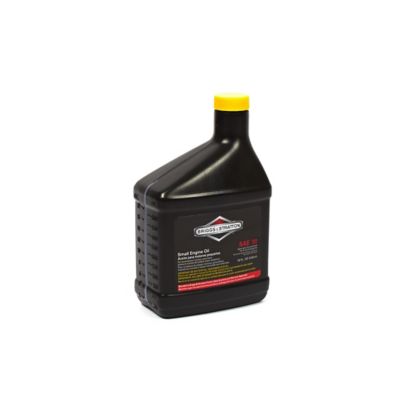
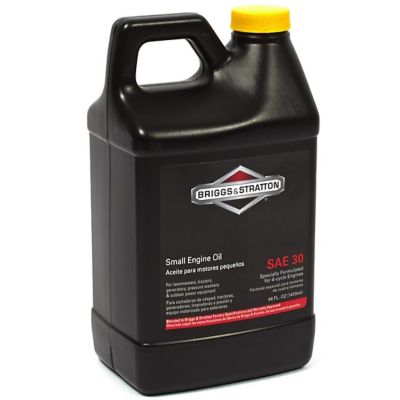
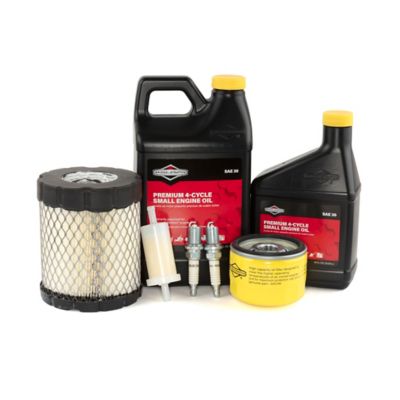
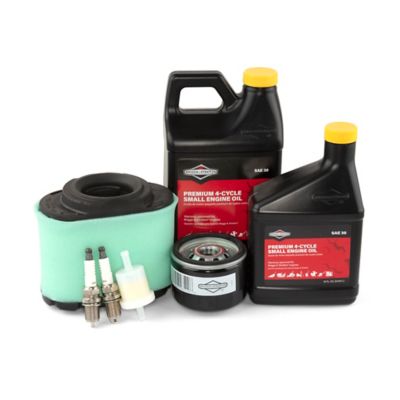
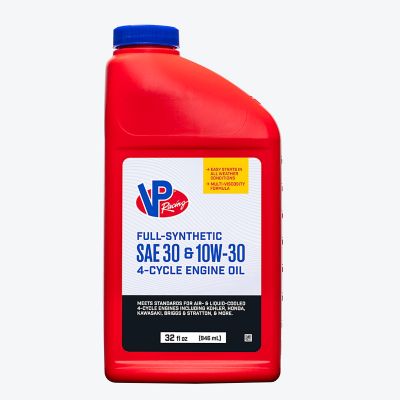
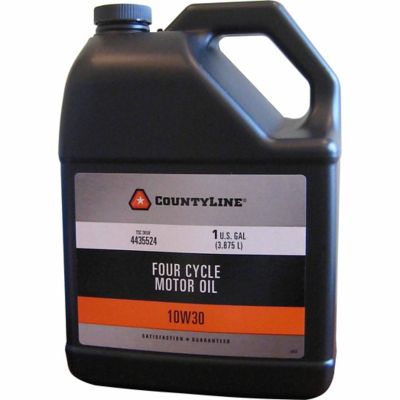
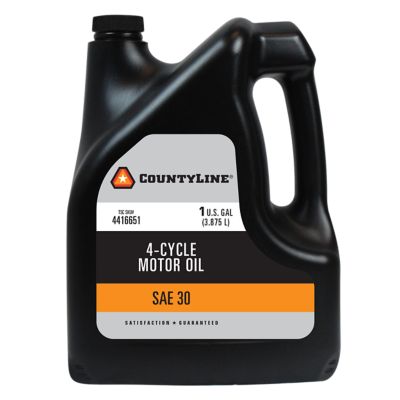
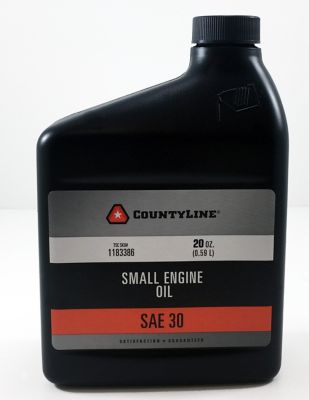
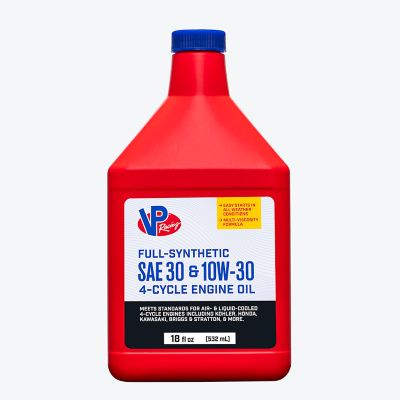
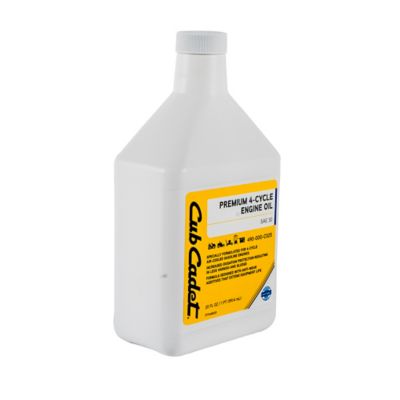
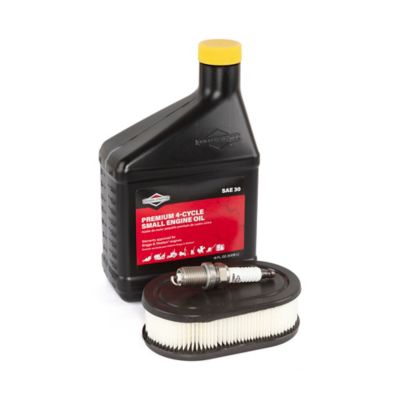
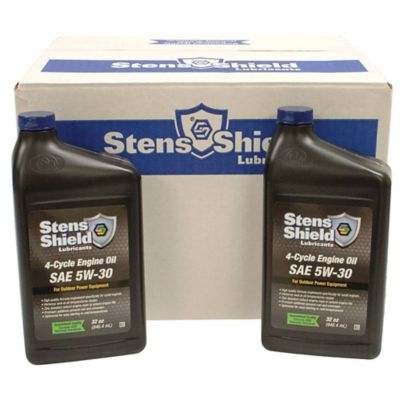
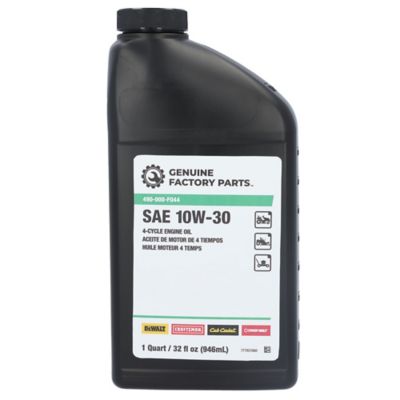
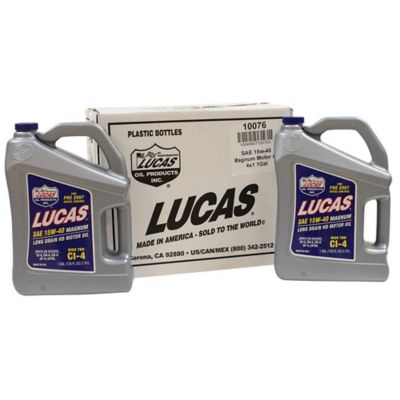
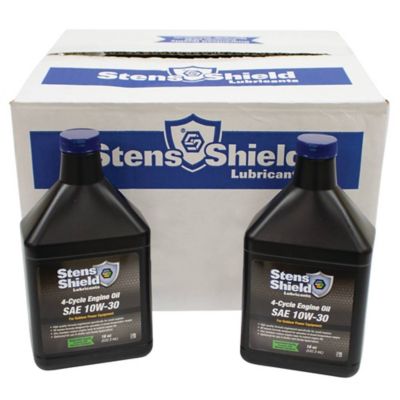
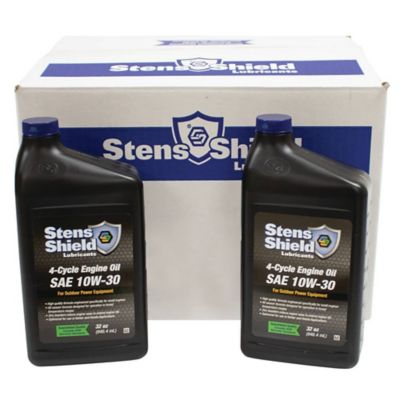
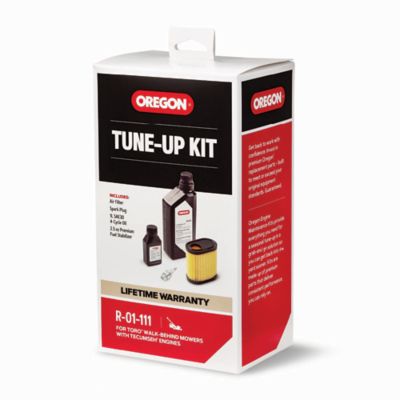
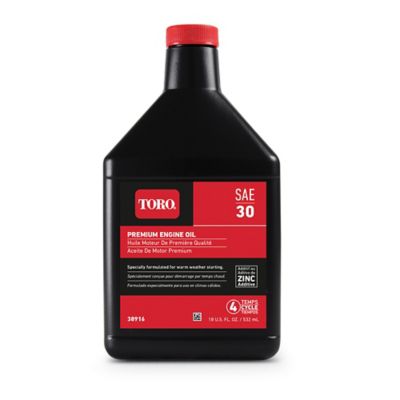
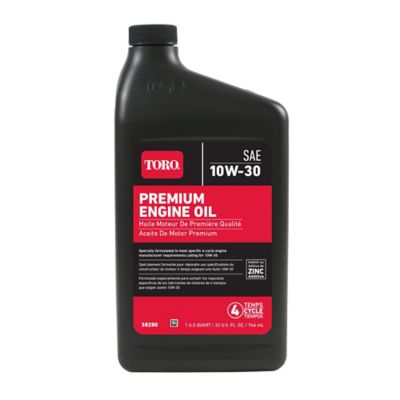
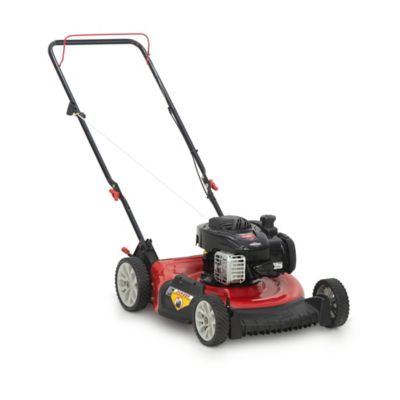
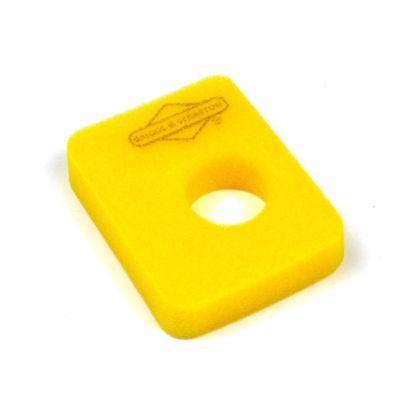
Keeping the right oil on hand is one of the simplest ways to help a gas-powered lawn mower start easier, run smoothly and stay ready for the next cut. Most walk-behind mowers with a four-cycle engine use small-engine oil made for lawn and garden equipment. Unlike a two-cycle engine, a four-cycle mower has a separate oil crankcase, so the oil is not mixed into the gasoline. That means the engine oil needs to be checked and changed on its own schedule. When shopping for oil for a Briggs and Stratton lawn mower, start by looking at the engine model and the owner’s manual, then match the recommended viscosity and service rating. SAE 30 is a common choice for routine mowing in warmer conditions, especially when temperatures stay above 40°F. Synthetic 5W-30 can offer easier starting across a wider range of temperatures and may be a practical choice for equipment used during changing weather. A 10W-30 oil may also suit varying temperatures, while heavier-duty commercial equipment that runs for long stretches may call for a different grade. The oil cap, dipstick or manual will usually provide the best direction, since the correct choice can vary by engine design, age and operating conditions. A bottle of mower oil fits easily on a garage shelf beside spare spark plugs, air filters and fuel treatment, making it a handy item for anyone who takes care of a home lawn, acreage, rental property or small business grounds. It can also make a useful gift for a new homeowner, a neighbor who keeps a tidy yard or the person in the family who always has a mower, trimmer or pressure washer waiting in the shed.
Oil level checks are worth making part of the mowing routine, much like looking over the tire pressure on a tractor before heading out to the field. Check the level before each use, with the mower parked on level ground and the engine turned off and cooled as directed by the manual. Remove and wipe the dipstick, insert it again as specified, then read the level between the add and full marks. If oil is low, add a small amount at a time and check again rather than pouring in a large amount all at once. Overfilling can cause its own set of problems, including foaming, leaks or hard running, so more is not better. Many walk-behind mowers hold roughly 15 to 18 ounces, but capacity is not the same for every engine. Riding mowers commonly take considerably more, often around 48 to 64 ounces, and the exact amount may change based on the engine and oil filter. Always use the stated capacity as a starting point and finish by checking the dipstick. When changing oil, warm the engine briefly if the manufacturer allows it, because warm oil drains more completely, but take care around hot metal and moving parts. Use a drain pan, protect the driveway or shop floor, and dispose of used oil through an approved recycling or collection location. A new engine commonly needs its first oil change after about five hours of operation, followed by changes at intervals such as every 50 hours or once a year, though dusty yards, steep ground, tall grass and frequent heavy use may require more attention. During the warmer mowing season, a quick level check can catch oil loss before a long pass across the back pasture. As the weather cools and mowing becomes less frequent, an oil change can be part of putting equipment away or preparing it for occasional cleanup work.
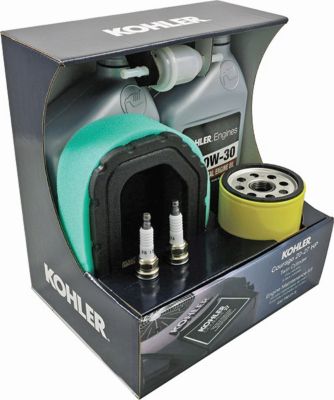
Choosing a suitable oil is only one part of keeping a mower dependable. Fresh oil works alongside a clean air filter, a properly gapped spark plug, sharp blades and clean cooling fins to help the engine handle thick grass and dusty conditions. Before pouring anything into the crankcase, confirm that the container is intended for four-cycle lawn mower engines and that its viscosity matches the expected temperatures. Avoid using leftover automotive oil simply because it is already in the garage unless the engine manufacturer specifically approves it. Some oils can be used in several types of small engines, but the label and manual should agree before the oil goes in. For a mower that sits through cooler months, follow the storage instructions for the machine, including fuel care and the recommended oil-change timing. Starting an engine with old, dirty oil can put unnecessary strain on internal parts, while clean oil helps reduce friction as the mower comes back into service. It is also smart to keep the engine model number nearby when buying replacement supplies; a photo of the identification label saved on a phone can make it easier to confirm oil capacity and service details at the store. For more choices suited to routine mower maintenance, browse
4 Cycle Lawn Mower Oil. Whether the mower handles a small patch behind the house, long rows along a fence line or several properties each week, the right oil and a steady maintenance habit can help keep it working reliably through changing conditions.