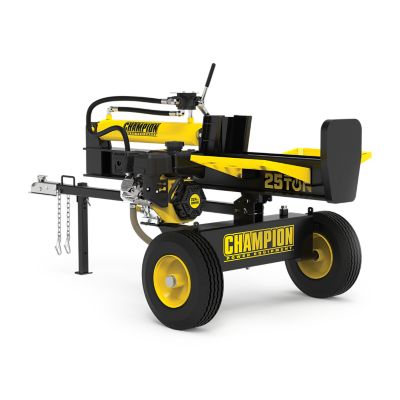
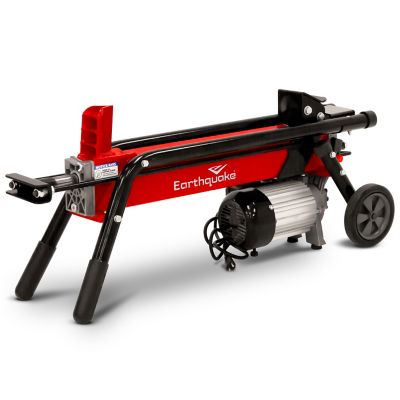
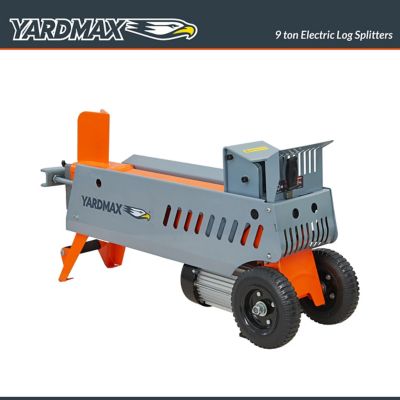
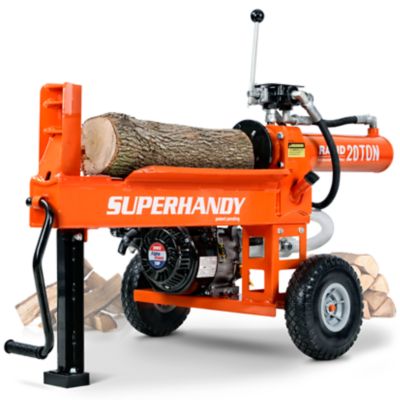
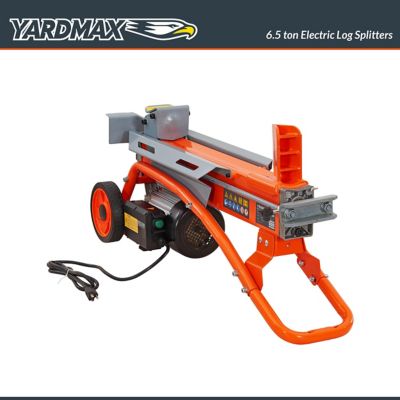
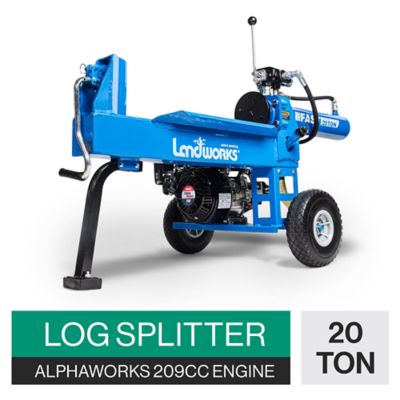
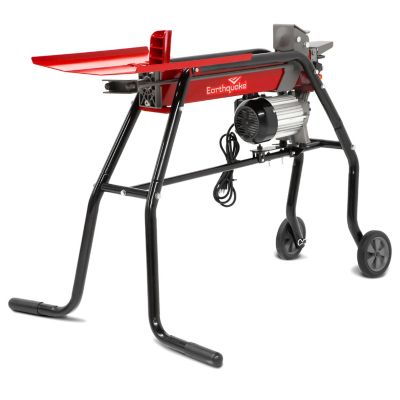
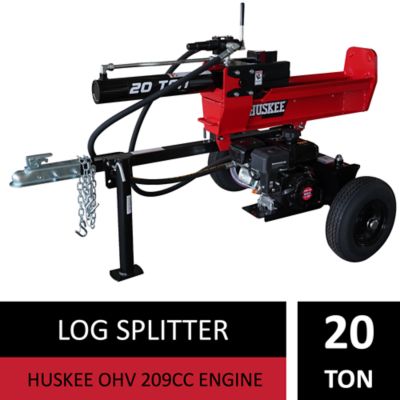
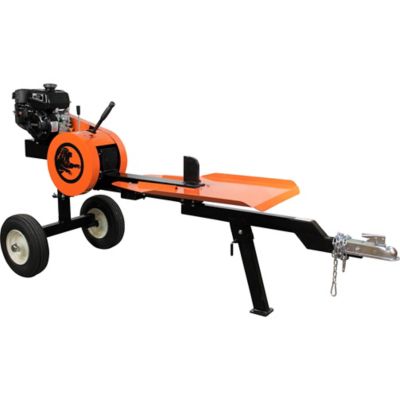
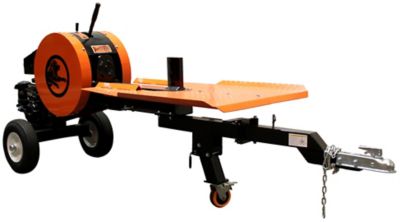
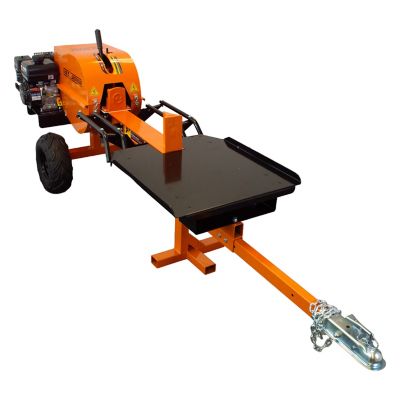
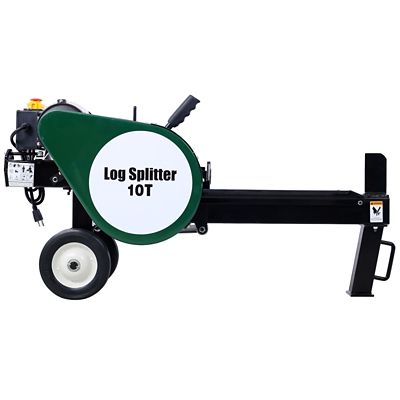
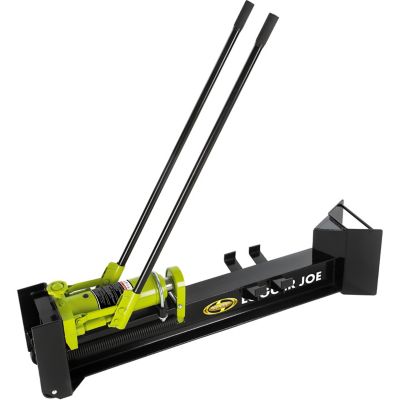
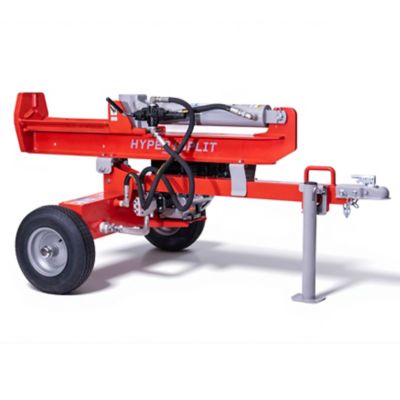
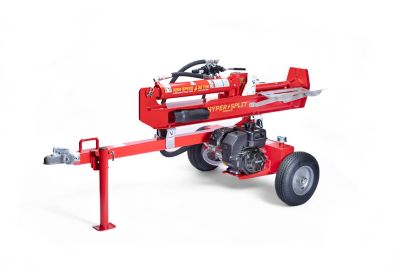
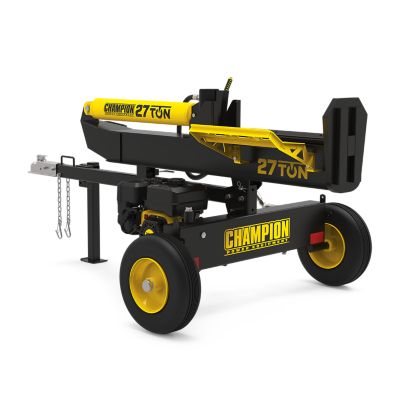
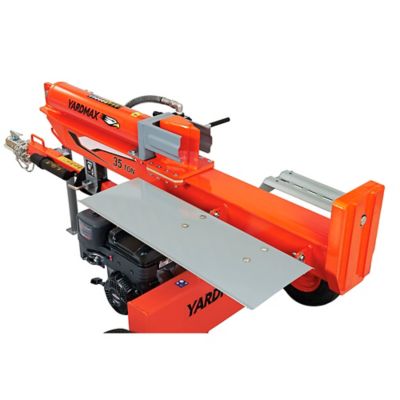
Kinetic log splitters are built for folks who want to turn rounds of firewood into manageable pieces without spending all day waiting on a ram to cycle. Instead of relying on hydraulic fluid, a pump and hoses, a kinetic wood splitter uses a motor to spin heavy flywheels. Those wheels store energy as they turn, then release it through a drive system when the splitting handle is engaged. The stored force sends a steel ram into the end of the log, breaks the wood, and returns the ram quickly so the next round can be placed in position. Depending on the wood and machine, a cycle may take only a few seconds, which can make a noticeable difference when a cord of wood is stacked beside the shed. Kinetic action is especially handy for straight-grained hardwoods and ordinary firewood rounds that need steady, repetitive splitting. Large knots, twisted grain and oversized pieces can still challenge any splitter, so plan to turn a stubborn round, split it from another angle or set it aside for a second pass. These machines are often lighter and simpler than comparable fluid-powered models, making them useful around a homestead, woodlot, hunting cabin or rural property where firewood is part of the regular routine. Since there is no hydraulic oil, pump or pressure hose to maintain, upkeep generally centers on keeping the splitter clean, checking fasteners, inspecting the belt or drive components, and following the owner's instructions for lubrication. A clean work area also matters. Bark, chips and dirt can collect around moving parts, while a firm, level surface helps keep the splitter stable as logs are loaded and removed. Always wear eye protection, sturdy boots and close-fitting work clothing, and keep hands, feet, children and bystanders away from the ram and splitting wedge while the machine is running.
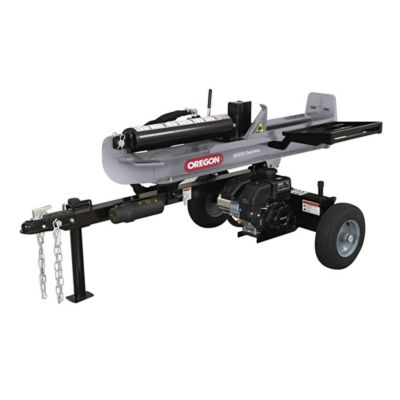
Choosing a kinetic log splitter starts with the kind of wood you handle, the amount you split and the power available where you work. Measure the rounds you commonly bring home rather than choosing only by the largest piece you might split once a year. Diameter, length, moisture level and grain pattern all affect performance. Freshly cut, stringy wood can behave differently from seasoned rounds, and a dense hardwood with a large knot may take more effort than a clean, straight piece of the same size. Gas-powered models are a practical fit for a woodpile out by the barn, hunting land or a property without convenient electrical service. Electric models can be a good match for a garage, covered work area or home lot where an appropriate outlet and extension setup are available. Check the required voltage, outlet capacity and cord recommendations before working, and never use a damaged cord or operate an electric machine in wet conditions. For gas equipment, consider fuel storage, starting effort, ventilation and routine engine care. Portability is another important detail. Handles, wheels and the overall weight affect how easily one person can move the splitter across packed gravel, grass or a wood yard. If towing is part of the plan, review the frame, hitch setup and road-use requirements instead of assuming every splitter is intended for highway travel. Some are best moved short distances around the property and loaded onto a trailer for longer trips. Working position matters, too. Horizontal operation is familiar for many rounds, while a unit that supports upright splitting can reduce the need to lift heavy logs onto a beam. If loading large or awkward rounds is your main concern, browse
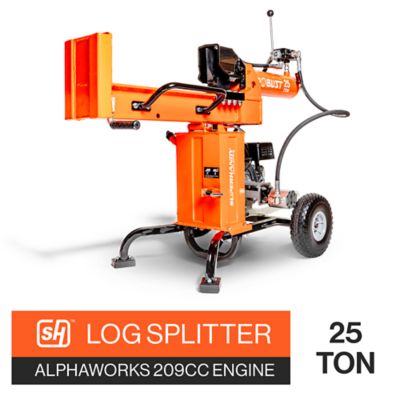
Vertical Log Splitters for another style of setup. Think about storage before bringing one home; a dry, sheltered location helps protect the motor, frame and moving components from weather and keeps the equipment ready for the next load.
A kinetic splitter can fit neatly into the rhythm of heating with wood: cut and haul rounds when conditions are favorable, split them in batches, then stack the finished pieces where air can move through the pile. Many rural households use one during the cooler months to prepare firewood for a stove, fireplace, outdoor boiler or fire pit, while landowners may use it to clean up fallen limbs and storm-damaged trees. It can also be a practical gift for a homeowner with a wooded acreage, a family member who heats with firewood, or a neighbor who spends weekends filling the woodshed. The best gift choice depends on the recipient's available power, storage space, typical log size and comfort with small-engine or electric equipment, so those details are worth checking before purchase. A splitting machine does not replace a saw, maul, wedges or good judgment, but it can take much of the repeated striking and lifting out of the job. Set the machine on stable ground, keep the splitting area clear, and establish a smooth routine: bring rounds within easy reach, place each piece squarely against the wedge, engage the ram only when your hands are clear, and remove split wood before it crowds the work zone. Avoid putting hands into the splitting area to steady a round, and do not use a foot, tool or pry bar to move wood while the ram is cycling. Let the flywheels come to a complete stop before clearing a jam, making adjustments or performing maintenance. With the right size, power source and work position, a kinetic log splitter can help turn a demanding chore into a more organized afternoon of firewood work, leaving a neat stack ready for cold evenings and the simple comfort of a warm home.