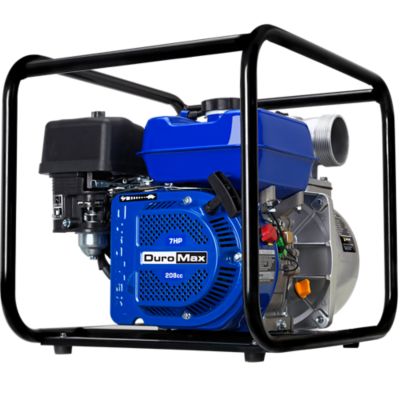
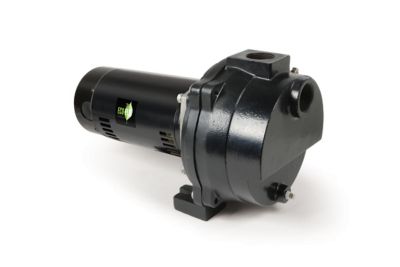
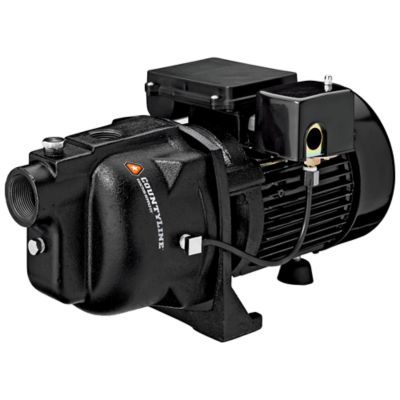
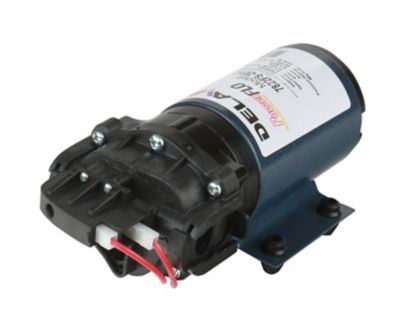
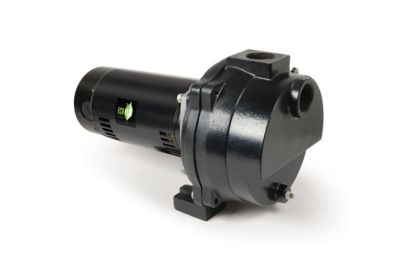
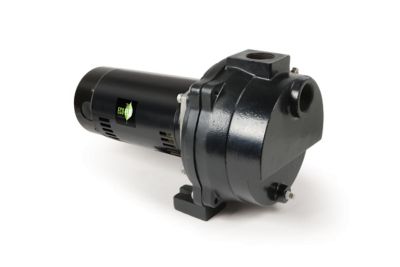
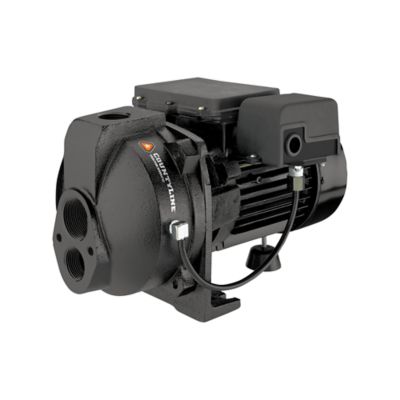
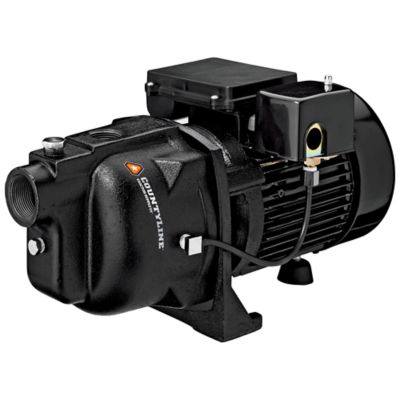
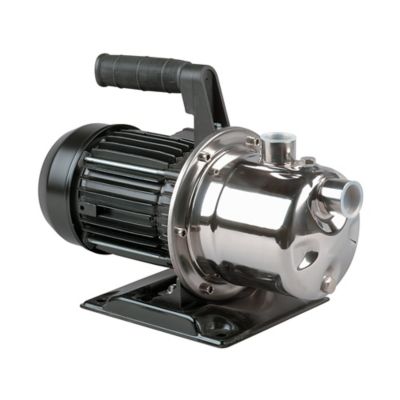
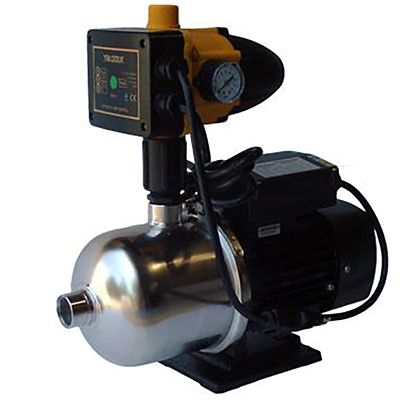
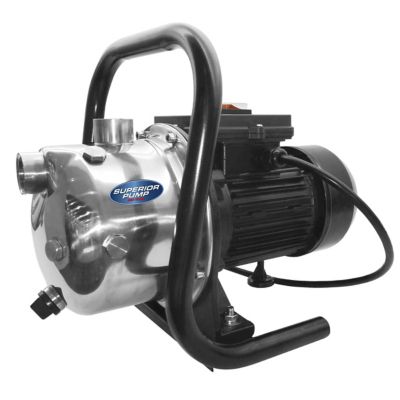
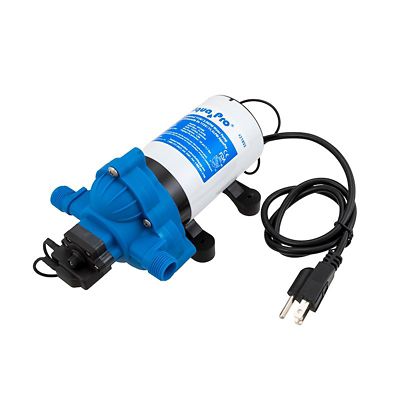
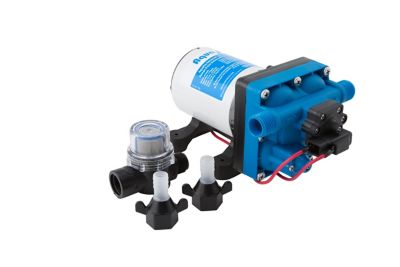
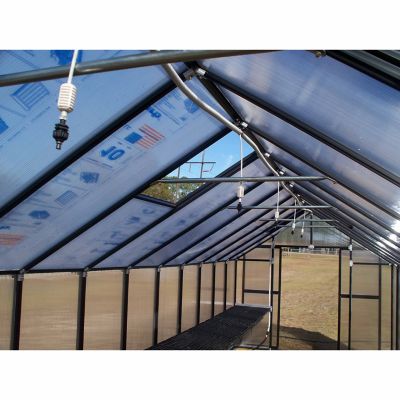
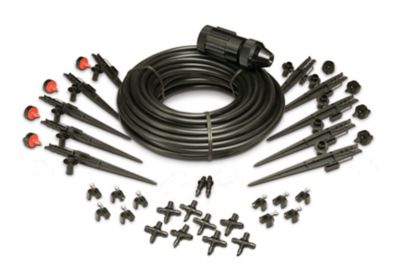
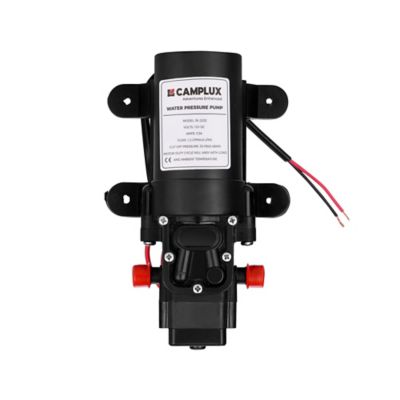
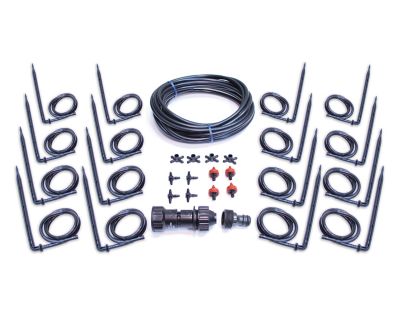
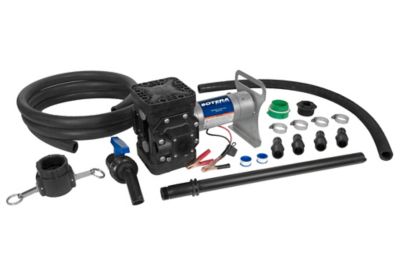
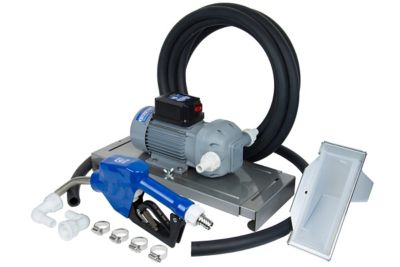
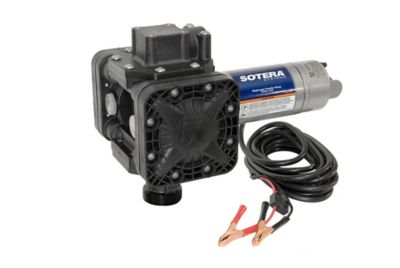
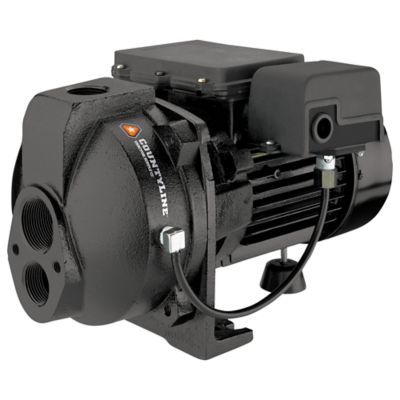
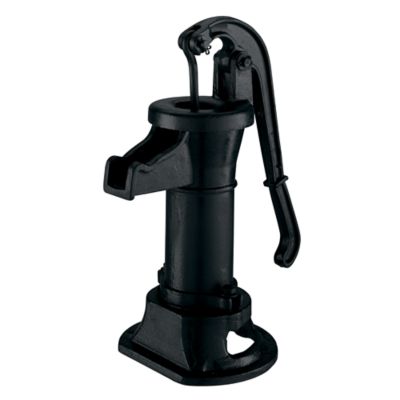
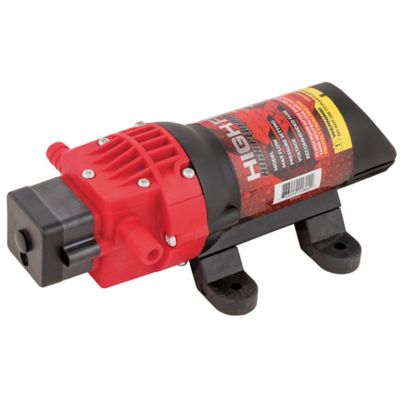
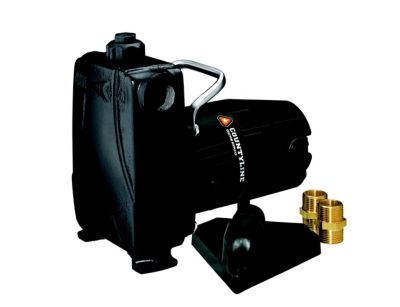
Irrigation system pumps move water from a well, pond, cistern, rain barrel, storage tank, or other water source to the sprinklers, drip lines, and other watering equipment around your property. For a small garden behind the house, a pump can help carry water farther than a hose alone. On a larger rural property, it may supply pasture watering areas, orchard rows, greenhouse beds, lawn sprinklers, or a network of irrigation zones. The right pump depends first on where the water comes from and how far it needs to travel. A surface centrifugal pump sits above ground near a pond, tank, or other shallow source and uses an impeller to draw in and move water. These pumps can be a practical match for clean water that is close to the pump, though the intake line must stay properly sealed and protected from leaves, sand, and other debris. Jet pumps can help draw water from shallow wells, with many setups designed for depths of up to about 25 feet, depending on the pump and installation. A submersible pump sits down in the well, tank, or other water source and pushes water upward, which can make it a quiet choice for deeper water and certain well systems. Each style serves a different setup, so the pump’s design should line up with the water source, depth, distance, and irrigation equipment on the property.
Flow and pressure are two of the most important numbers to check before choosing an irrigation system pump. Flow is commonly listed in gallons per minute, or GPM, and tells you how much water the pump can move. Some listings also show gallons per hour, or GPH. Pressure is measured in pounds per square inch, or PSI, and helps determine whether water can reach sprinklers, drip emitters, risers, and elevated beds with the force they need. A pump that moves plenty of water may still fall short if the pressure drops too much across a long run of pipe, a filter, a check valve, or a change in elevation. Add the flow requirements for the irrigation zone you plan to run, then compare that figure with the pump’s operating range rather than relying only on its largest stated output. The total lift matters as well. Measure the vertical distance from the water level to the highest outlet, then account for the horizontal distance and the resistance created by pipe, fittings, valves, and filters. This combined demand is often called total head. A pump selected with these details in mind can help sprinklers cover their intended area and can keep drip lines from receiving too little water. If a system will run several zones, operating them one at a time may reduce the pump size needed, while multiple zones running together call for more flow. People setting up a garden, small farm, greenhouse, lawn, or livestock watering area may also want to check whether the pump needs manual priming, an automatic controller, a pressure tank, or a float switch. Electrical requirements deserve close attention too; confirm voltage, amperage, cord length, outlet protection, and whether the installation calls for a dedicated circuit or professional electrical work.
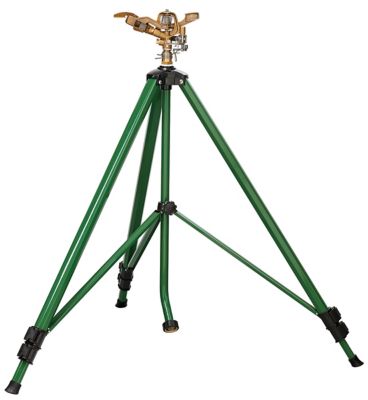
Water conditions and seasonal care can make a big difference in how an irrigation pump performs. Pond and surface water may carry silt, algae, leaves, or small bits of gravel, so an intake screen and properly sized filter can help protect the pump and downstream equipment. Drip irrigation generally needs clean, well-filtered water because small emitters can clog more easily than larger sprinkler openings. Sprinkler systems may call for stronger flow and pressure, especially when several heads operate together. For rotating sprinkler coverage, pair the pump with the right sprinkler layout and consider browsing
Irrigation Rotors for compatible watering components. Keep intake lines as short and straight as practical, place connections where they can be inspected, and follow the pump maker’s instructions for priming and startup. A pump should never run dry, and a submersible model needs to remain properly covered by water during operation. During the cooler months, drain exposed lines, remove trapped water where freezing may occur, and store or protect equipment according to its instructions. Those simple steps can help prevent cracked housings, split fittings, and spring startup trouble when the weather warms. Irrigation system pumps can be a useful addition for gardeners managing raised beds, landowners caring for lawns and fields, greenhouse growers, and rural families drawing water from a pond or well. They also make a thoughtful gift for someone taking on a new garden, improving a homestead watering setup, or preparing a property for more efficient irrigation. Before placing an order, have the water source, depth, required GPM, expected PSI, pipe distance, power supply, and irrigation type close at hand so the pump fits the job from the first watering run.