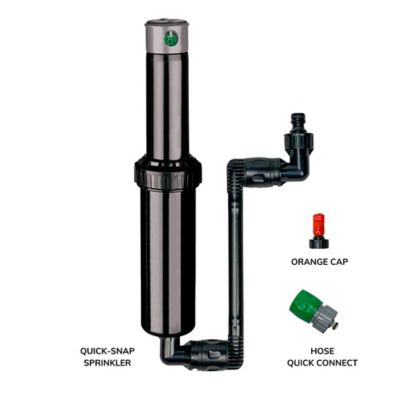
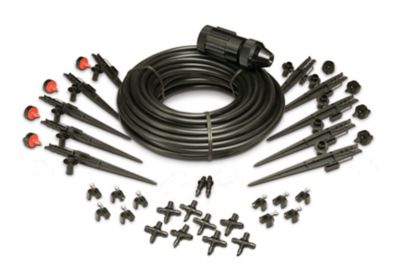
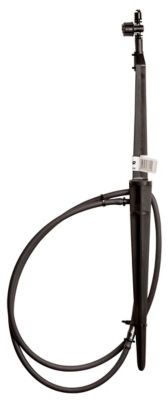
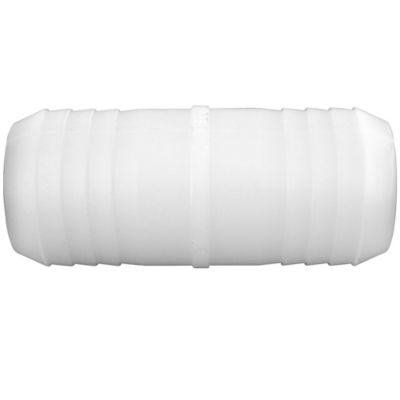
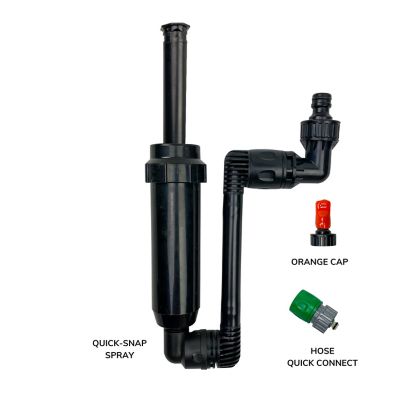
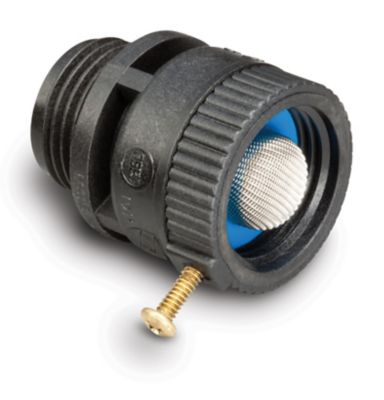
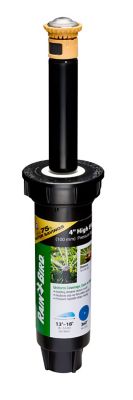
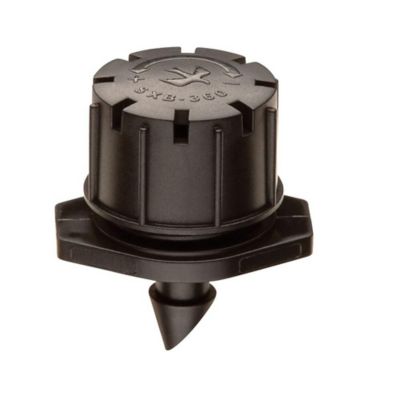
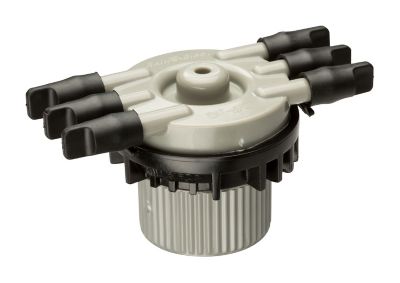
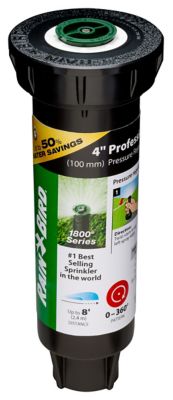
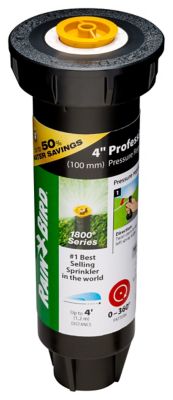
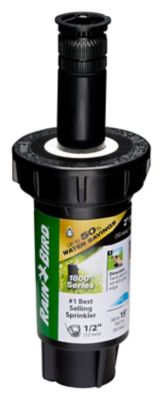
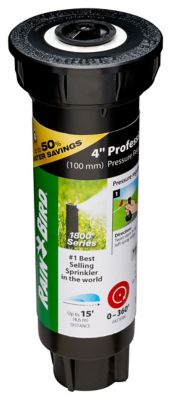
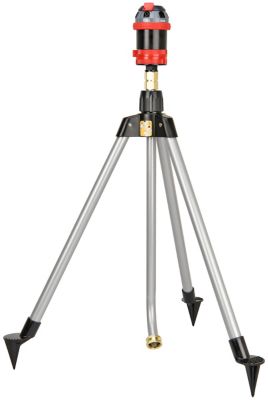
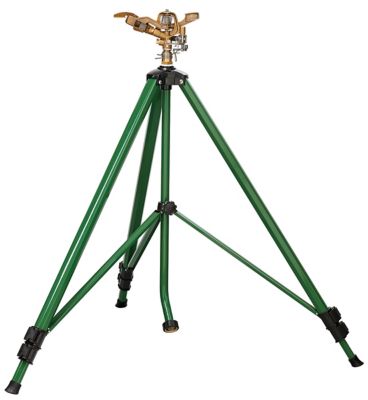
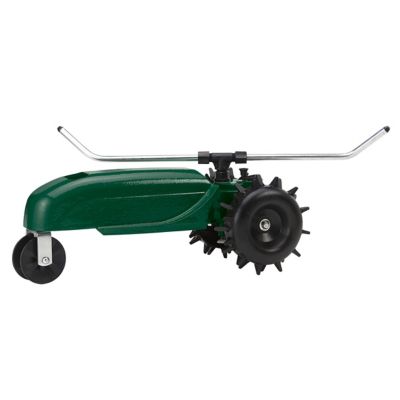
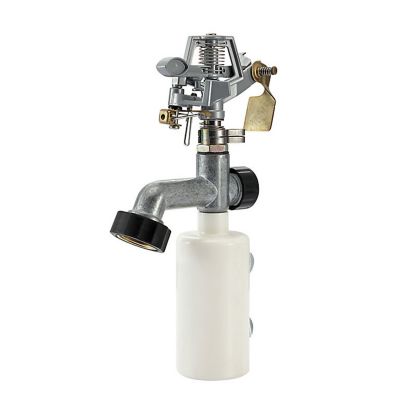
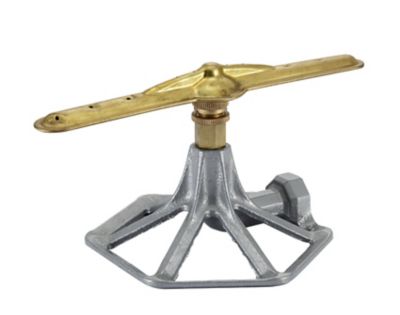
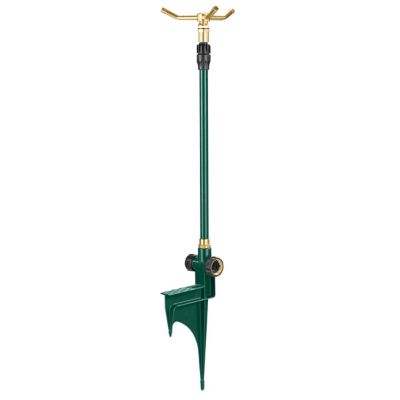
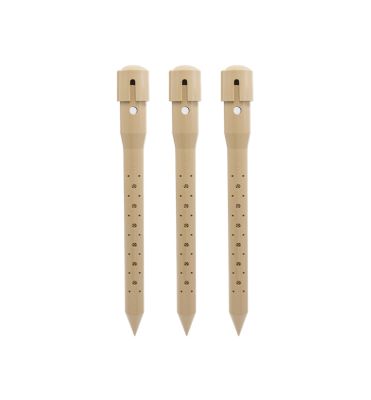
Irrigation system supplies help get water where it needs to go, whether you are tending a backyard garden, keeping a row of young trees alive, watering flower beds around the house, or managing a larger landscape around a barn or outbuilding. A well-planned setup can include a water source connection, mainline pipe or tubing, valves, filters, pressure regulators, connectors, emitters, sprinkler heads, risers, timers, and the small installation tools that hold everything in place. Drip irrigation tubing and drip tape deliver water close to the base of individual plants, making them a handy choice for raised beds, vegetable rows, containers, shrubs, and other plantings that benefit from steady, targeted watering. Emitters control how much water reaches each plant, while barbed fittings, tees, elbows, couplings, and end closures help route tubing around corners and divide it into separate runs. Stakes, clips, and landscape staples keep lines from shifting when the ground is soft or when a curious dog decides to investigate. For broader coverage, sprinkler heads can spread water across lawns, garden plots, pasture edges, and planted areas, with above-ground and underground arrangements suited to different properties. Risers can lift sprinkler heads to the proper height, and zone valves help direct water to separate sections so a sunny patch, shaded bed, and lawn do not all have to receive the same watering pattern. During the warmer part of the growing season, these supplies can make routine watering more consistent; during cooler months, they can help with system checks, repairs, storage, and planning before plants begin putting on new growth.
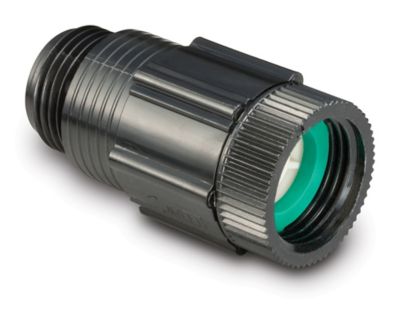
Choosing irrigation supplies starts with looking closely at the area you want to water and the water source available. Measure the length and width of planting beds, note changes in elevation, and consider whether the water will come from a spigot, tank, well, pond, or another approved source. Water pressure and flow rate affect how many emitters or sprinkler heads can operate at one time, so pressure regulators and filters are important parts of many systems. A pressure regulator helps protect drip tubing and other low-pressure components from damage, while a filter catches sediment that could clog small emitters. A backflow preventer helps keep water from the irrigation line from moving back into the household or main water supply, which is an important consideration wherever irrigation connects to a potable water source. Timers and controllers can schedule watering cycles so beds receive a steady drink without someone standing outside with a hose before breakfast, and valves make it easier to divide the system into manageable zones. Look for fittings and tubing that match in size and connection style, and keep a few extra connectors on hand for the inevitable line that gets nicked by a shovel or shifted by frost. In my own experience, the best irrigation setup is the one that is easy to understand on a muddy morning: each line has a clear purpose, shutoff points are easy to reach, and a quick glance shows whether water is flowing where it should. For smaller jobs or portable watering arrangements, explore
Garden Hose Irrigation Systems for supplies that connect with a garden hose and work well around containers, beds, and other spots that do not call for a permanent installation.
Irrigation system supplies suit all kinds of folks, from first-time gardeners growing tomatoes beside the porch to experienced growers caring for extensive beds, orchard trees, livestock-area landscaping, or a large lawn. They can also make a thoughtful gift for someone who enjoys gardening, raises herbs and vegetables, maintains a pollinator patch, or spends weekends improving the look of a rural property. A simple assortment of tubing, fittings, stakes, and emitters can help a new gardener get started, while valves, controllers, filters, and replacement sprinkler parts are useful additions for someone already maintaining an established system. As the weather cools, inspect exposed tubing for cracks, loose connections, mineral buildup, and damage from equipment or animals. Drain or protect components as appropriate for local conditions, and store removable parts where freezing temperatures will not split housings or trapped water lines. When warmer weather returns, flush lines before placing emitters and sprinkler heads back into regular service, check for leaks, and adjust coverage as plants grow or garden beds change. Keep hoses, pipes, and tubing away from mower paths and busy walkways, and use secure fittings so a connection does not pull loose and turn a careful watering plan into a muddy washout. Whether the goal is gentle moisture at the roots, even coverage across a lawn, or separate watering schedules for several growing areas, the right combination of irrigation system supplies can save time, reduce wasted water, and take some of the daily guesswork out of caring for the land.