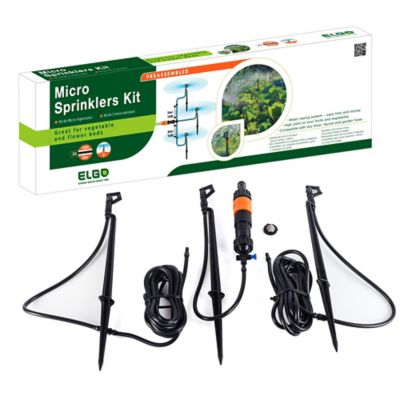
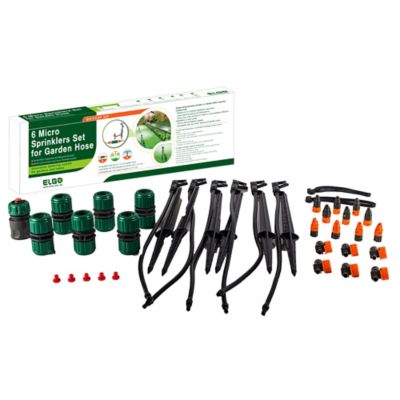
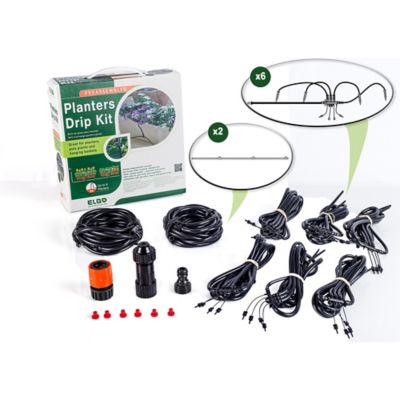
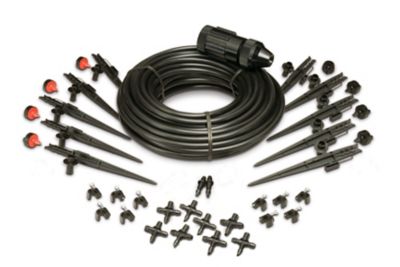
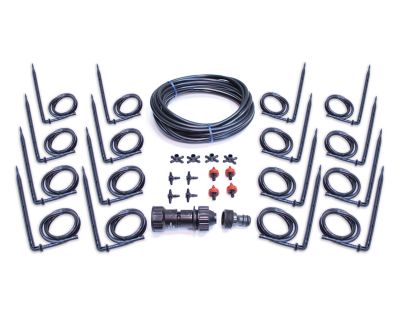
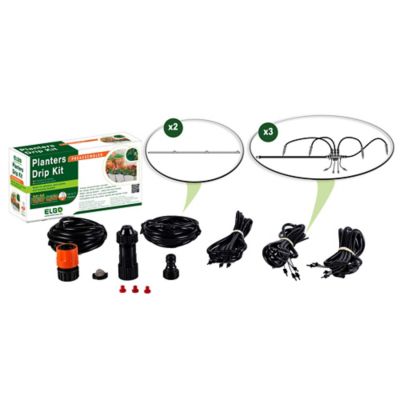
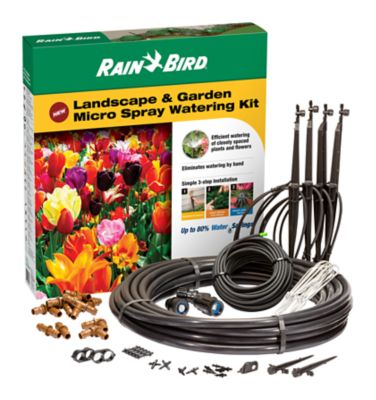
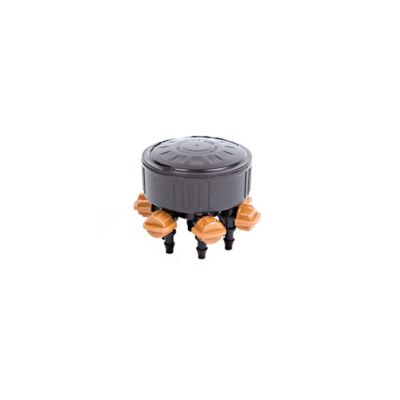
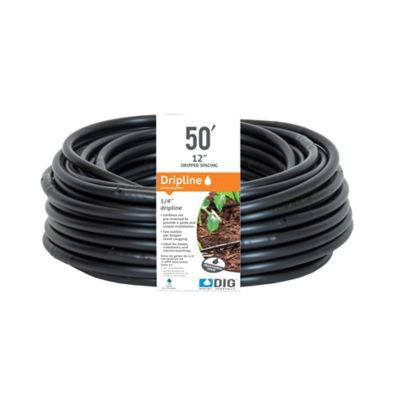
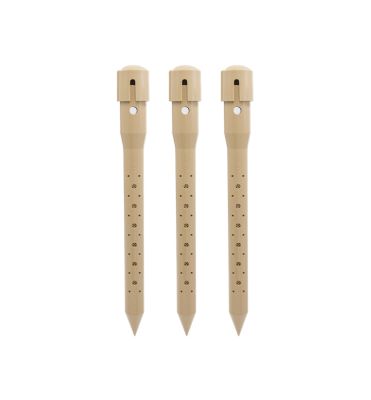
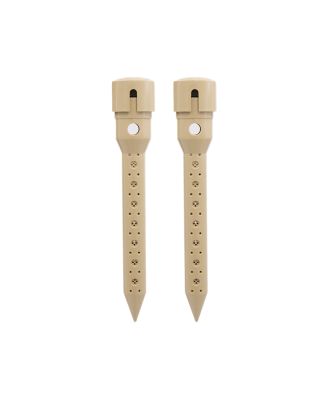
Home irrigation systems bring water to lawns, garden beds, shrubs, and container plants through connected hoses, tubing, sprinklers, or underground piping. A setup can be as simple as a hose-end watering kit for the vegetable patch or as involved as a buried network with separate watering zones. Kits that connect to an outdoor faucet can suit homeowners who want to handle assembly themselves, while permanent underground systems call for more planning and may involve professional installation. The right arrangement depends on the space, the water source, and what’s growing there—not just the size of the yard. A narrow bed beside the porch has different watering needs than a broad stretch of grass or several rows of tomatoes out by the fence. Drip irrigation delivers water near plant roots through small outlets along tubing, making it a practical match for planting beds, shrubs, and containers. Soaker hoses release water along their length and fit continuous planted rows where neighboring plants have similar needs. For broader lawn coverage,
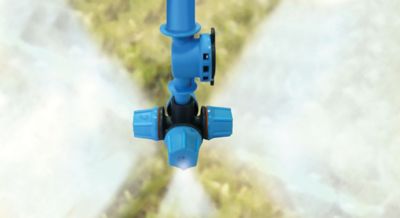
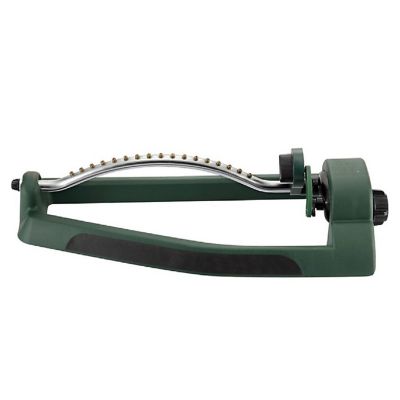
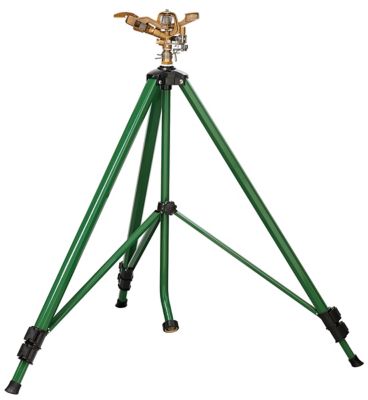
Water Sprinkler Systems spread water across an area rather than delivering it at individual plants. Spray patterns, watering distance, and placement all affect how well that coverage matches the ground. Keeping water on the planting area instead of the sidewalk, driveway, or barn wall helps limit unnecessary overspray. Mixed properties often benefit from separate zones, since grass, established shrubs, and a raised vegetable bed may need different amounts of water. A zone is simply a section of the system that operates separately, allowing its watering schedule to match the plants it serves. That flexibility matters on a home place where a kitchen garden, a few fruit trees, and an open lawn share the same supply. Choosing among these arrangements starts with matching the watering method to the planting layout and the amount of permanent equipment the property needs.
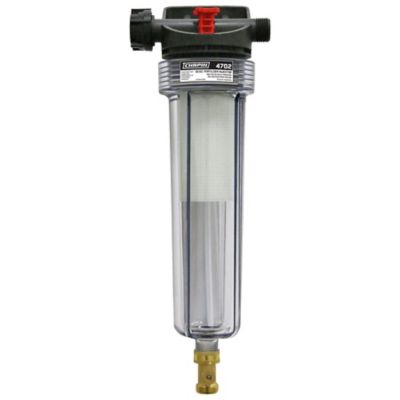
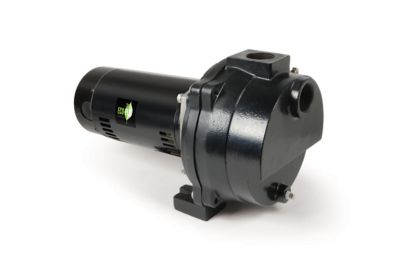
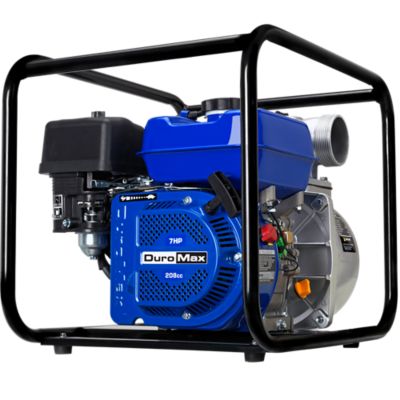
Materials and connection fit have a lot to do with how a home irrigation system holds up to everyday work around the yard. Flexible polyethylene tubing can follow the edge of a bed or reach between rows, while rigid PVC piping commonly serves permanent underground layouts. Rubber or reinforced hoses offer a different balance of flexibility, weight, and resistance to abrasion. Brass and suitable plastic fittings each have a place, depending on the connection, operating pressure, and exposure. Where tubing crosses a walking route or passes near a mower path, its placement matters as much as its construction. A line tucked along a bed edge is less likely to catch a boot, rake, or wheelbarrow than one stretched across an open walkway. Connection sizes deserve a close look, too: garden hose threads, pipe threads, and tubing connections are not interchangeable just because their measurements sound similar. Matching fittings, washers, and tubing dimensions helps keep connections secure without forcing parts together. Water pressure and flow rate are separate considerations. Pressure moves water through the system, while flow rate describes how much water the source can supply over time. A long run with numerous outlets may need a different layout than a short line serving a handful of porch containers. Opening too many outlets at once can leave the far end of a system with weak delivery. Drip layouts often require filtration and pressure regulation suited to their components, since small openings can collect sediment and excessive pressure can strain connections. Homes drawing from a well or another water source benefit from equipment matched to that supply’s operating conditions. Backflow protection also matters wherever irrigation connects to a household water supply; the required device and installation depend on local rules and the system design. These details help determine whether the parts work together as a complete setup rather than a collection of pieces that happen to connect.
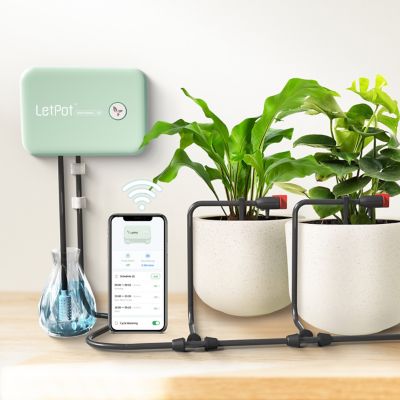
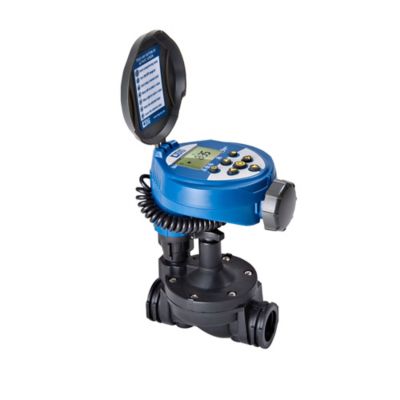
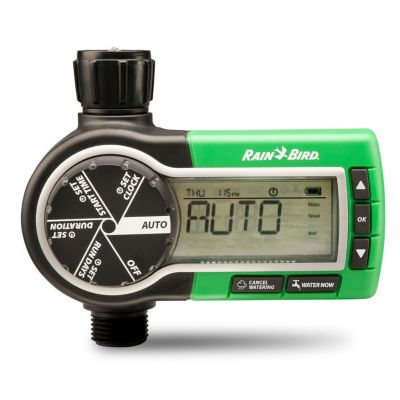
Timers and irrigation controllers add another layer of convenience, especially when watering competes with chores, work, and everything else that needs attention around the place. A faucet-mounted timer can operate a modest hose-connected layout, while a multizone controller can manage separate sections of a larger system. Scheduling options vary, so the useful features are the ones that fit the property: separate run times for different beds, more than one start time, or an easy way to pause a program while working nearby. Some systems can also work with soil moisture sensors, which help base watering decisions on conditions in the root zone rather than a schedule alone. Compatibility matters here, since controllers, valves, sensors, and power supplies need to work together. Access is worth considering as well. A shutoff within easy reach, a controller with readable settings, and fittings that remain accessible can make ordinary adjustments less of a chore. Care usually centers on keeping outlets clear, checking connections for leaks, and watching for changes in the watering pattern. Mineral buildup or sediment can restrict small passages, while a damaged hose washer can turn a simple connection into a steady puddle beside the spigot. Filters need attention according to their design, and tubing benefits from occasional inspection for pinches, splits, or damage from yard equipment. Plant growth can change the layout over time, too. A drip outlet that served a newly planted shrub may need repositioning as the root area expands, and a sprinkler pattern may need adjustment when a bed border changes. Repairable connections and compatible replacement parts can make those changes more manageable without rebuilding the whole arrangement. For the household tending a few raised beds, convenience may mean one manageable watering line that leaves the garden path clear. For a larger property, it may mean separately controlled sections that keep the lawn, orchard edge, and planting beds from competing for the same flow. A well-matched home irrigation system supports the way the property is planted and cared for, with watering that fits the work already happening there.