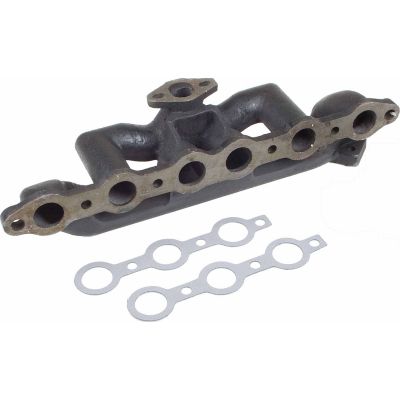
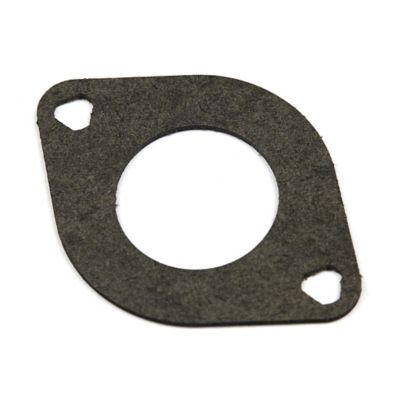
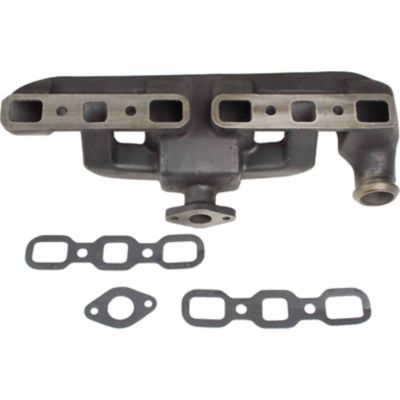
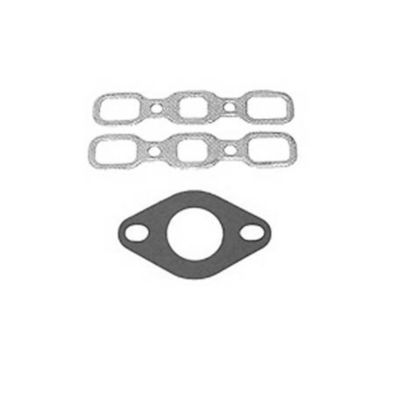
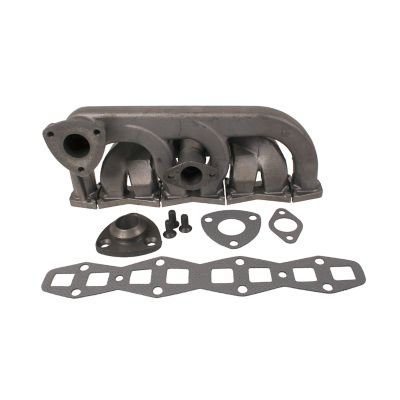
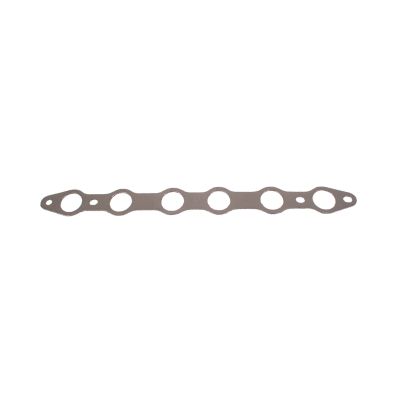
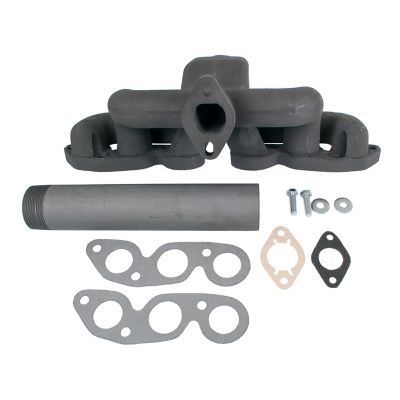
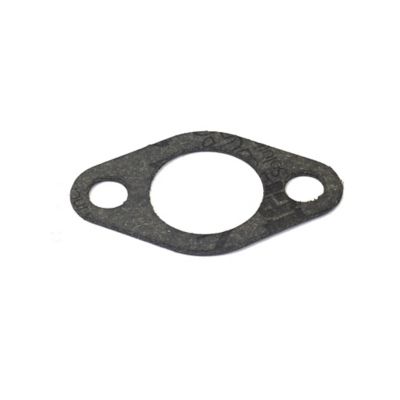
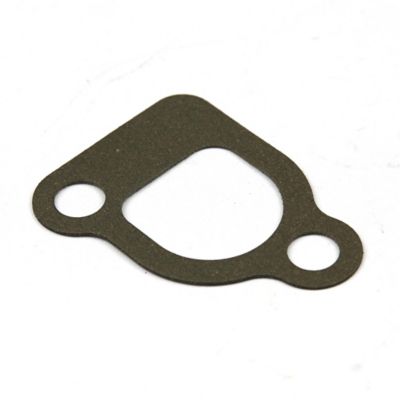
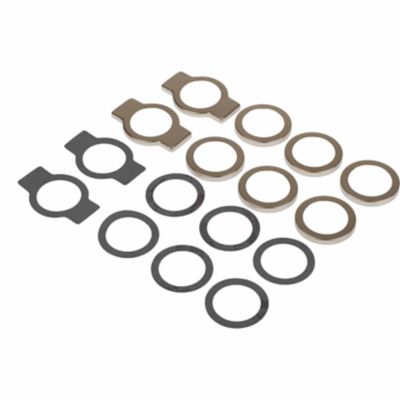
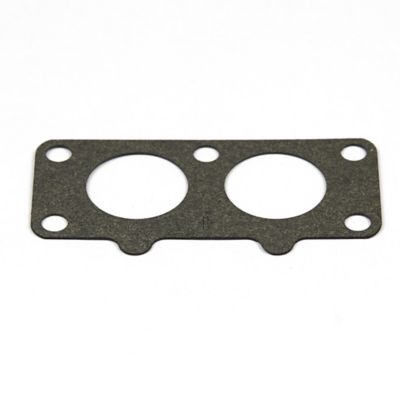
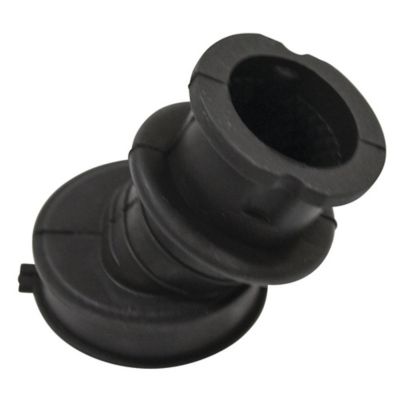
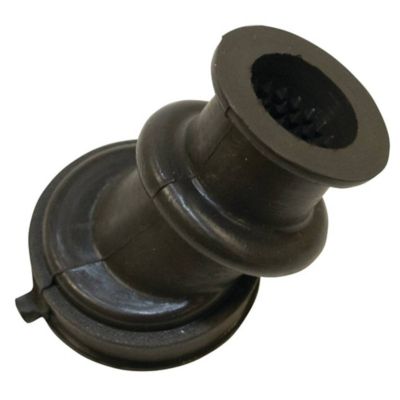
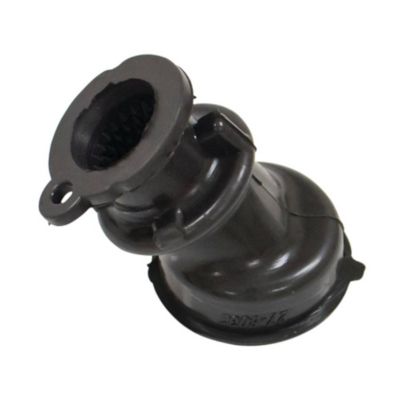
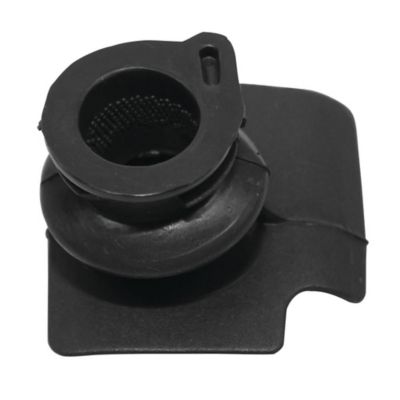
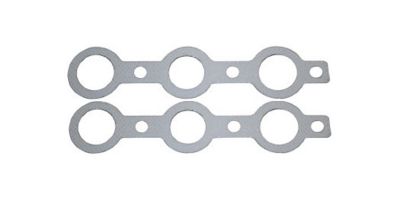
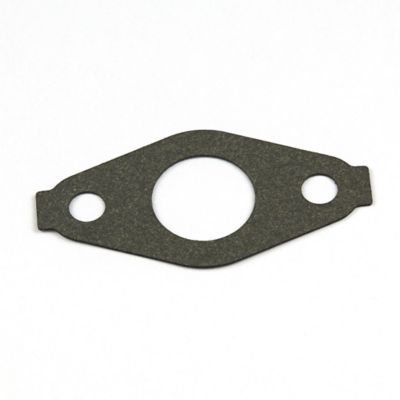
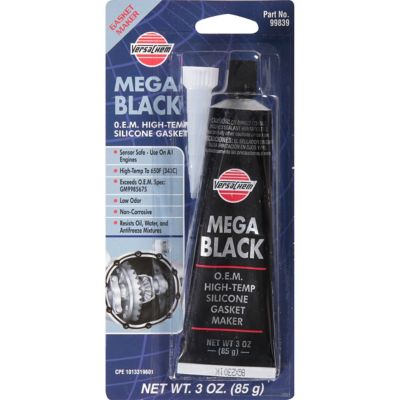
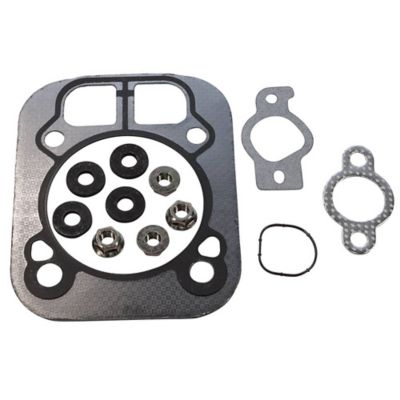
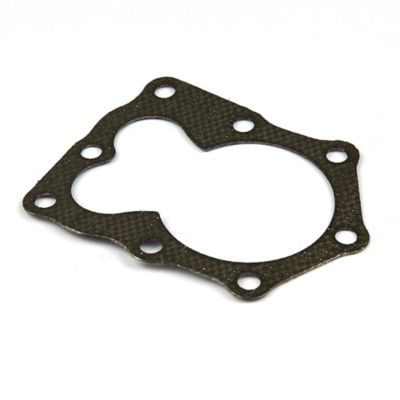
Intake manifold gaskets play a small part in an engine’s overall design, but their job is a big one. These gaskets seal the connection between the intake manifold and the cylinder head, helping keep the air-and-fuel mixture moving through the proper passages without unwanted leaks. On engines that route coolant through the intake manifold, the gasket also helps keep coolant where it belongs. A sound seal supports steady airflow, proper fuel balance, smooth engine operation and dependable cooling. When the seal begins to fail, the trouble may show up in more than one way. A rough idle, engine misfire, hard starting, poor acceleration or an unexplained drop in fuel economy can point to an intake vacuum leak. A hissing or whistling sound from under the hood may also signal air getting past the gasket. Coolant loss, visible fluid around the intake manifold, white exhaust smoke or an engine that runs hotter than normal can indicate a coolant-related leak. These symptoms can come from other engine problems, too, so it pays to inspect the entire system instead of replacing parts based on one clue. A flashlight, a clean shop rag and a careful look around the manifold can help spot wet areas, residue or loose connections, but a proper diagnosis may require a vacuum test, cooling-system pressure test or other service equipment. Catching a leak early can help prevent rough running from turning into additional wear, and it may keep a small coolant leak from becoming an overheating problem while you’re hauling feed, checking fences or traveling down a back road.
Choosing the right intake manifold gasket starts with exact vehicle and engine information. Make sure the year, make, model, engine size, cylinder configuration and any engine changes match the application listed for the gasket. Two vehicles that look nearly identical may use different manifold designs, bolt patterns, coolant passages or sealing shapes, and even the same model line can change from one engine option to another. If the engine has been rebuilt, modified or fitted with a replacement manifold, compare the gasket to the manifold and cylinder-head surfaces before beginning the job. A complete gasket set may include seals for connected passages or related components, while a single gasket may be all that is needed for a particular repair. Read the listing details closely so you know what is included and whether additional seals, mounting hardware or approved sealant are needed. The condition of the mating surfaces matters just as much as the gasket itself. Old gasket material, rust, oil, dirt and dried sealant can leave high spots that keep the new seal from sitting flat. Remove residue carefully without gouging aluminum surfaces, and wipe everything clean before assembly. Follow the engine manufacturer’s tightening sequence and torque specifications, using a calibrated torque wrench rather than tightening fasteners by feel. Uneven pressure can pinch or distort a gasket, while overtightening may damage threads or the manifold. Some engines call for a specific installation pattern, retightening procedure or sealant at selected corners and joints, so the service manual is the best authority. If access requires removing fuel lines, electrical connectors or coolant hoses, label each connection as it comes apart and keep small hardware in a tray. Let the engine cool completely before starting work, disconnect the battery when appropriate, and handle spilled coolant carefully around children, pets and livestock.
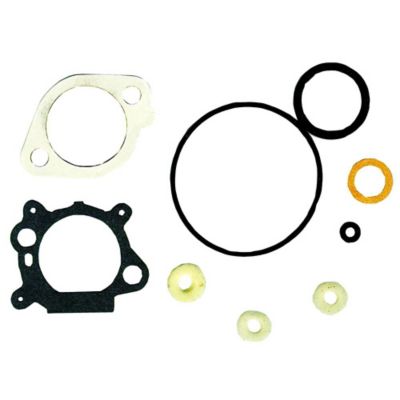
Intake manifold gaskets are commonly purchased by do-it-yourself mechanics, farm and ranch owners, small-engine and equipment repair shops, and anyone who prefers to keep an older truck, utility vehicle or work machine in dependable shape. The repair itself can range from manageable to time-consuming, depending on how much of the upper engine must be removed to reach the manifold. Someone experienced with routine maintenance may handle the job in a home garage, while a professional technician can be the better choice when the engine has limited access, complicated wiring or a history of overheating. Before ordering, take a few minutes to write down the vehicle identification details and compare the old gasket’s shape, openings and mounting points with the replacement information. It also helps to inspect related vacuum hoses, throttle-body seals, fuel-system connections and coolant lines while the manifold is accessible; a cracked hose or worn seal can create symptoms that look much like an intake gasket leak. When your engine uses a carburetor, checking the available selection of
Carburetor Gaskets may help you find a matching seal for that part of the intake system, though the two gasket types serve different locations and should not be substituted for one another. Keep the new gasket in its original packaging until installation, store it flat in a clean, dry place, and avoid bending or folding sealing surfaces. After assembly, reconnect every hose and wire, refill fluids with the correct type, and inspect for leaks before putting the vehicle back to work. Start the engine and let it reach operating temperature while watching the temperature gauge and listening for unusual sounds. A dependable seal is especially welcome during the cooler months, when a hard-working vehicle may be called on for chores, snow equipment, trailer duty or daily trips into town. The right intake manifold gasket, installed with patience and accurate fitment, helps support the steady, reliable engine performance that matters when your equipment needs to earn its keep.