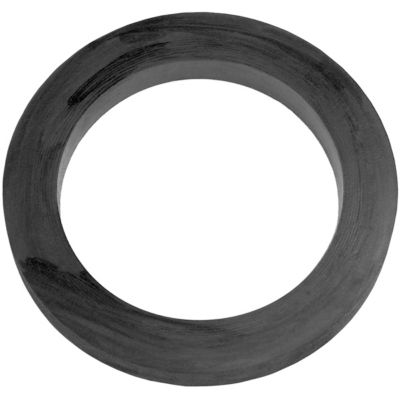
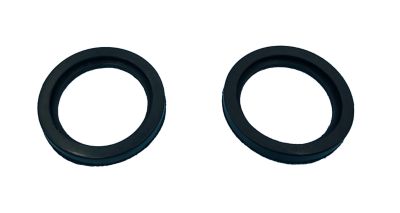
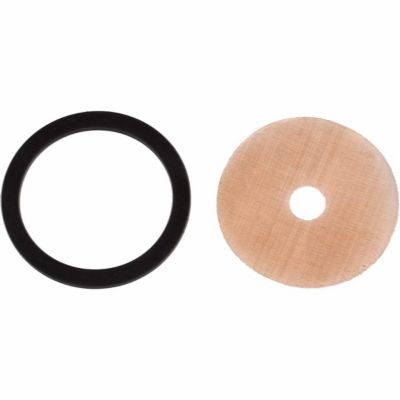
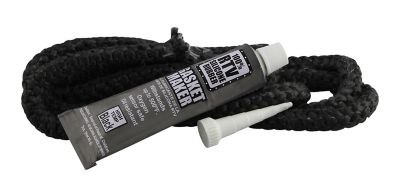
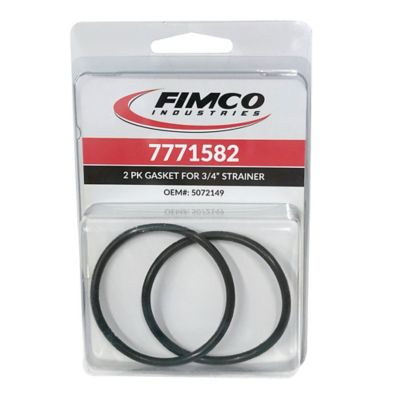
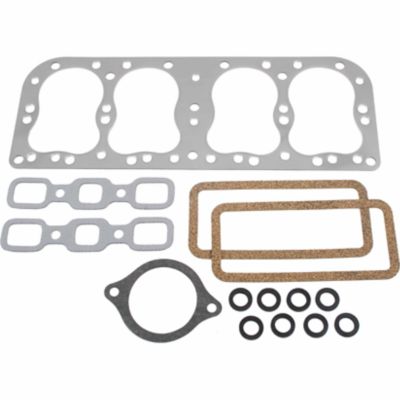
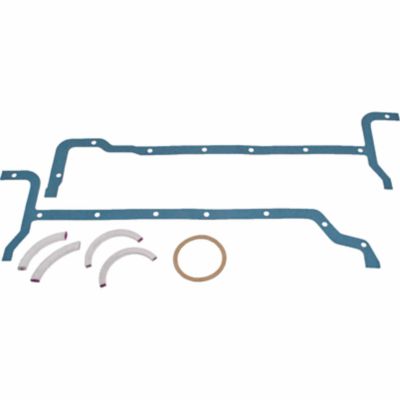
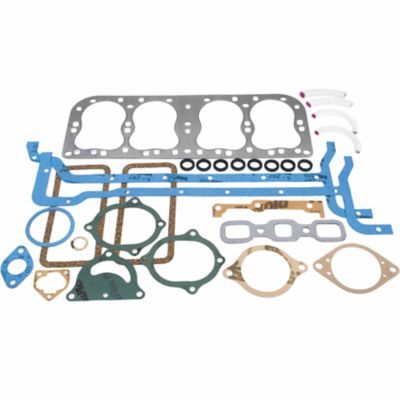
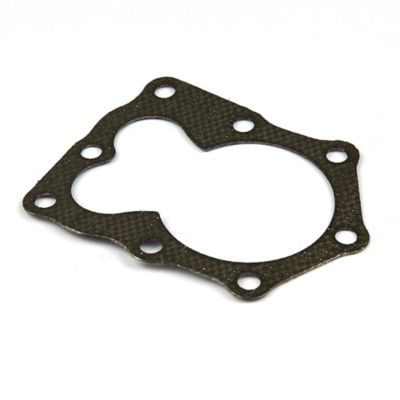
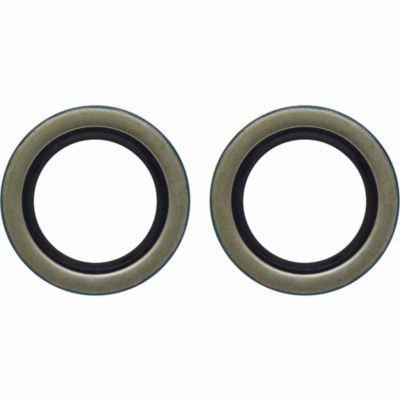
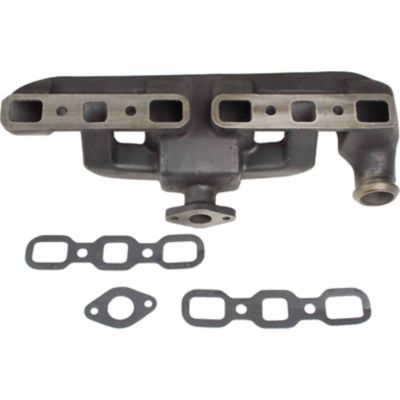
Gasket seals help keep fluids, air, fuel, and other materials where they belong by filling the small space between mating surfaces. They are common in farm equipment, trucks, trailers, pumps, plumbing connections, small engines, hydraulic systems, and household repairs. A gasket is generally used between stationary, joined surfaces, such as a cover, flange, housing, or engine component. A seal is more often used around a moving part, such as a rotating shaft, piston, pump component, or axle. Both are made to prevent leaks, but their shape, material, and fit depend on the job. Flat gaskets may be round, square, oval, or cut to match a multi-sided surface, while many shaft seals have a circular profile with an inner lip that rides against a moving part. When sorting through gasket seals, start with the equipment’s make, model, year, and service information, then check the original part number or the dimensions of the old seal. Measure the inside diameter, outside diameter, thickness, bolt-hole spacing, and overall shape when possible. A gasket that looks close can still leak if it is slightly too thick, too thin, or cut differently from the original. Before taking anything apart, it also helps to identify what is leaking and where it is coming from. Engine oil, coolant, fuel, hydraulic fluid, water, air, and exhaust gases each place different demands on a sealing material. A damp spot around a flange may point to a worn gasket, while fluid around a shaft may call for a shaft seal rather than a flat gasket. Look for the source instead of replacing the first part that appears wet, since leaks can travel along housings, hoses, and brackets before dripping onto the ground. For engine work, including repairs involving cylinder heads and combustion pressure, browse
Head Gaskets to help narrow the search to the right type of sealing application.
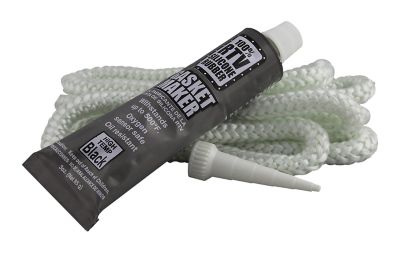
Material matters just as much as size. Rubber and silicone gasket seals are flexible, affordable, and useful for many water, air, dust, and light-duty sealing jobs, especially where a little movement or surface variation is present. Nitrile, also called Buna-N, is valued for its resistance to oils, fuels, and everyday mechanical wear, making it a common choice around engines, machinery, and equipment exposed to petroleum-based fluids. Other rubber compounds may be better suited to heat, weather, chemicals, or outdoor service, so check the stated compatibility rather than assuming one material will handle every fluid. Metal gaskets and metal-reinforced designs are often selected for higher temperatures, greater pressure, or applications where clamping force is important. The right choice also depends on temperature swings, vibration, pressure, exposure to sunlight, contact with cleaners, and whether the part sits indoors or out in the weather. A gasket on a water pump may face very different conditions from one inside a fuel system or hydraulic valve. Before installation, shut down the equipment, let hot parts cool, relieve pressure, and drain fluids as needed. Clean both mating surfaces carefully, removing old gasket material without gouging soft aluminum or painted surfaces. Dirt, rust flakes, old sealant, and scratches can create a leak path even when the replacement part is correct. Compare the new gasket or seal with the removed part, making sure holes, lips, grooves, and edges line up. Install it in the proper direction when the design has a sealing lip or molded side, and use lubricant only when the equipment instructions call for it. Some seals need a light coating of the fluid they will contain, while others require a dry installation or a specified sealant. Too much sealant can squeeze into a passage and cause its own trouble. Tighten fasteners in the recommended sequence and to the recommended torque, since uneven pressure can warp a cover or pinch a gasket. After reassembly, refill with the proper fluid, run the equipment at low speed when practical, and inspect for seepage before putting it back to work.
Gasket seals are useful for everyone from a weekend fixer keeping an older tractor moving to a maintenance crew looking after pumps, generators, livestock equipment, irrigation lines, trailers, and shop machinery. They are also a smart addition to a farm or garage repair bin, especially when equipment operates far from town and a small leak can turn into a long interruption. Keeping commonly needed sizes and materials on hand can save a trip when a weather change, heavy workload, or rough patch of ground exposes a worn seal. Store replacement gaskets flat in a clean, dry place away from direct sunlight, heat, fuel, and solvents. Do not fold flat gaskets unless they are designed to be folded, and avoid hanging rubber seals from nails or sharp hooks that can stretch or nick the sealing edge. Check stored parts for cracking, hardening, swelling, distortion, or a sticky surface before installation. A replacement seal should feel and look like a serviceable part, not one that has already aged on the shelf. When a repair involves unusual pressure, high heat, hazardous fluids, or a critical machine, follow the equipment manual or have a qualified technician handle the work. If a new gasket still leaks, stop and inspect the surfaces, fastener torque, alignment, and part application instead of repeatedly tightening bolts. Over-tightening can crush a gasket, distort a housing, or damage threads. With the correct dimensions, compatible material, clean surfaces, and even clamping pressure, gasket seals can help protect equipment from leaks and contamination through the cooler months and the demanding work that comes with them.