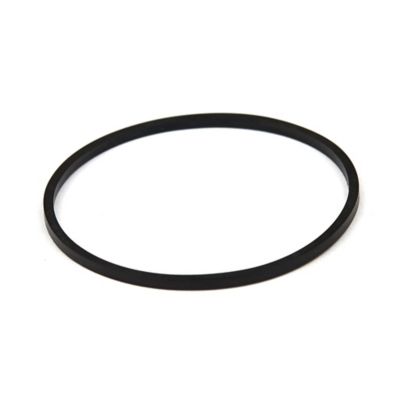
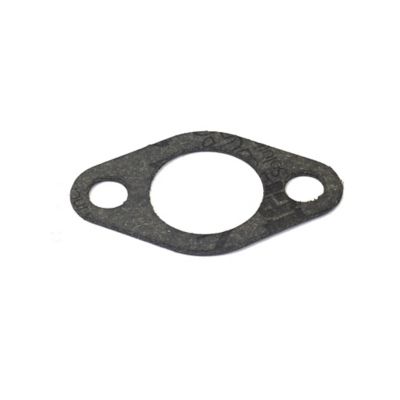
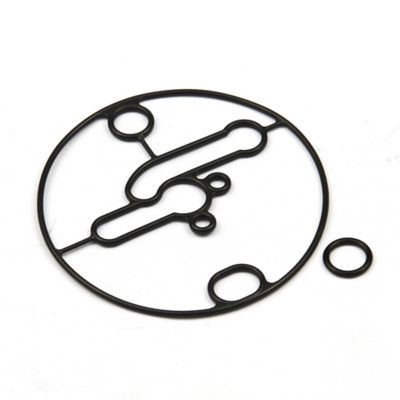
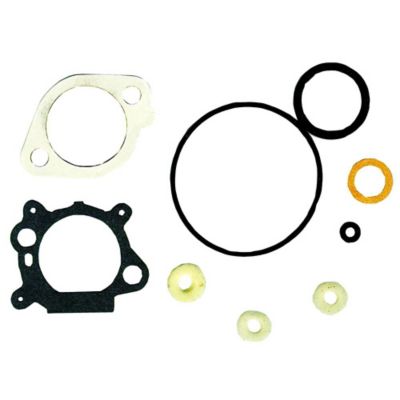
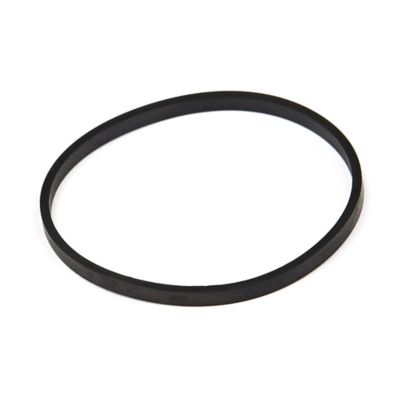
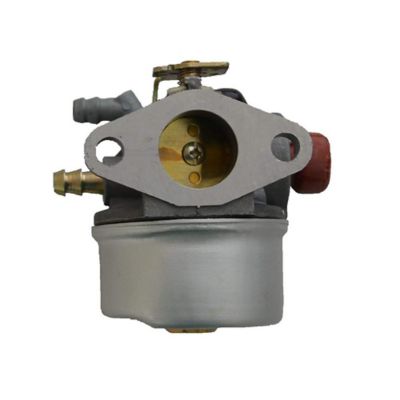
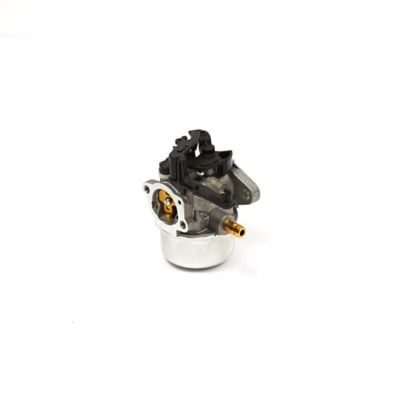
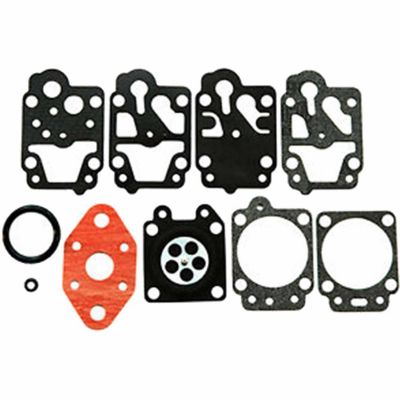
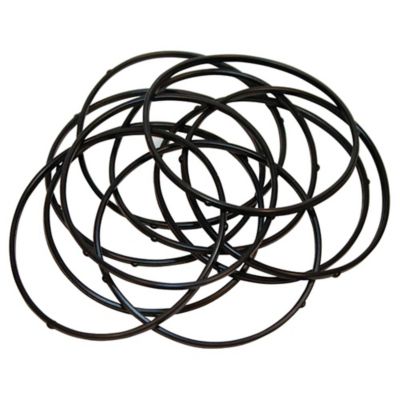
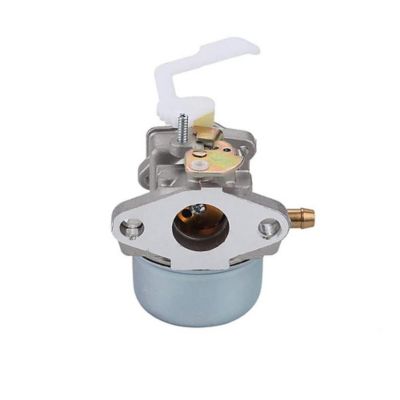
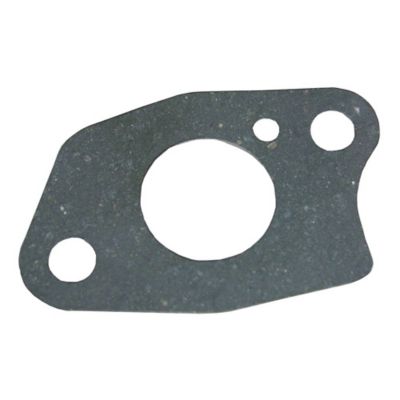
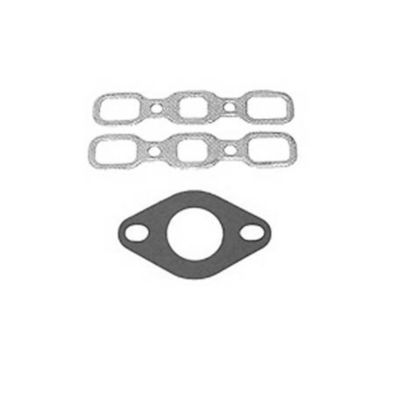
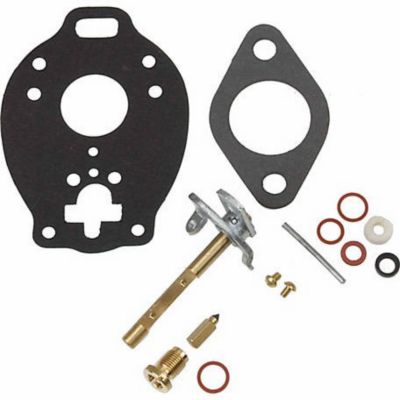
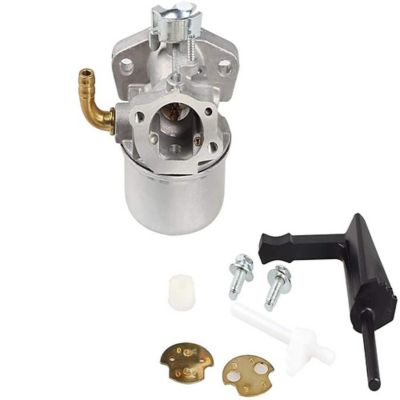
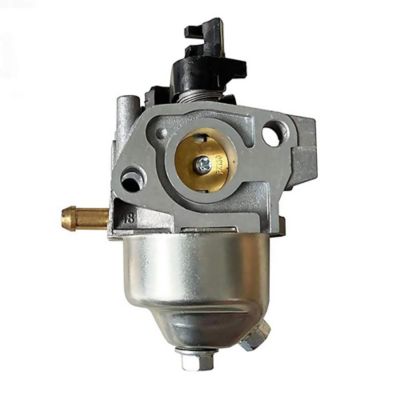
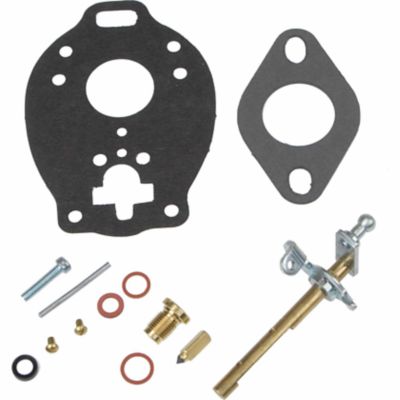
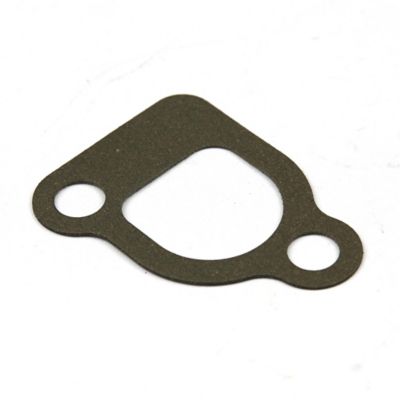
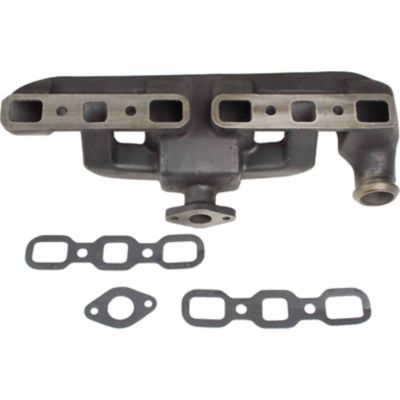
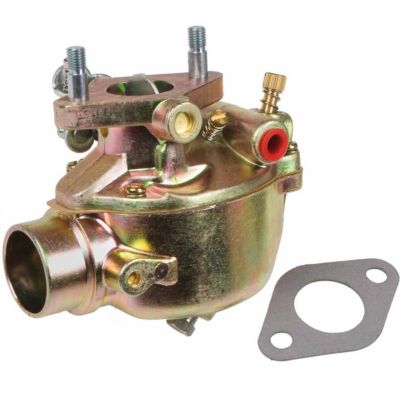
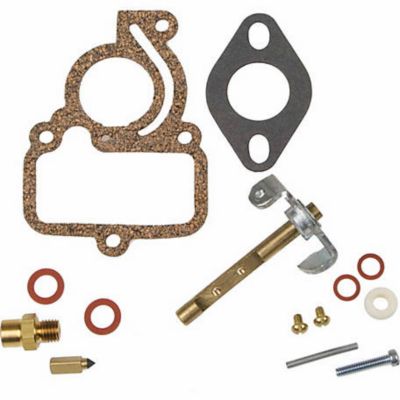
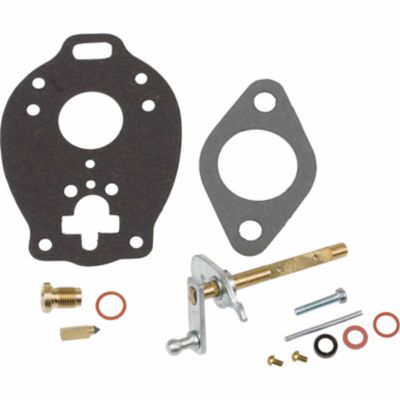
Carburetor gaskets are small parts that do a big job in keeping an engine running the way it should. A gasket creates a tight seal between two joined surfaces, such as the carburetor and intake manifold, so air and fuel stay where they belong. Depending on the engine and carburetor design, a gasket may also seal a float bowl, metering block, air horn, spacer plate, or another internal connection. When an old gasket dries out, cracks, shrinks, tears, or gets flattened from years of heat and pressure, it can allow fuel to seep out or unmetered air to enter the system. That kind of leak may show up as a rough idle, sputtering, hard starting, stalling, uneven engine speed, or a noticeable fuel smell. In some cases, you may see wetness around the carburetor base or float bowl. Replacing the gasket can help restore a dependable seal, but the right fit matters more than simply choosing a gasket that looks close. Before ordering, identify the engine and carburetor application, then compare the replacement gasket with the old one when possible. Pay attention to the outline, bolt-hole spacing, openings for the throttle bore and passages, thickness, and whether the gasket is intended for a mounting surface or an internal carburetor connection. A gasket made for one engine family may not line up correctly on another, even when the parts appear similar at a glance. This is especially important for lawn equipment, generators, utility engines, motorcycles, boats, older vehicles, and other machines that may use different carburetor layouts. Keeping the engine model and carburetor information handy can make the search much easier, and taking a quick photo before disassembly can help with orientation during reassembly. If you are maintaining a mower or other outdoor power equipment, you can also browse
Lawn Mower Gaskets for related sealing parts. A few spare gaskets tucked into the tool cabinet can be useful for anyone who regularly works on a riding mower, tiller, pressure washer, generator, or small engine, especially when an older machine needs attention before a busy stretch of yard work or property upkeep.
Replacing a carburetor gasket is a straightforward repair for many experienced do-it-yourself mechanics, but careful preparation makes a real difference. Start with the engine cool and work in a well-ventilated area away from sparks, flames, heaters, and smoking materials. Shut off the fuel supply when possible, disconnect the spark plug wire on small engines, and use a suitable container to catch fuel that may drain from the line or bowl. Once the carburetor is removed, keep track of linkages, springs, spacers, clips, and mounting hardware; a simple phone photo or labeled tray can save time when everything goes back together. Remove the old gasket gently, taking care not to gouge aluminum or other soft metal surfaces. A plastic scraper and an appropriate cleaner can help lift stuck material without damaging the mating surface. The surfaces should be clean, dry, and free of old gasket fragments before the new seal is positioned. Align every hole and opening, and check that the gasket is not folded, pinched, or covering a fuel or air passage. Some applications use more than one gasket or include a spacer, heat shield, or insulator, so reinstall each piece in its original order. Avoid adding sealant unless the engine manufacturer specifically calls for it; excess sealant can squeeze into the carburetor and clog a passage. Tighten fasteners evenly and gradually rather than cranking one side down all at once, since uneven pressure can distort the seal or carburetor body. After reassembly, reconnect the fuel line and controls, inspect for leaks, and allow the engine to run only after all parts are secure. Let it idle while checking for fuel weeping, unusual smells, or a continuing vacuum leak, then shut it down immediately if anything looks unsafe. Carburetor gaskets are useful for farm and ranch equipment owners, small-engine repair shops, weekend mechanics, and anyone who prefers to keep dependable equipment working instead of replacing it at the first sign of trouble. They can also make a practical addition to a maintenance kit for a family member who enjoys restoring old machinery or caring for a large property. During warmer workdays and the cooler months that follow, sound seals help engines start, idle, and perform more consistently when you need to mow, haul, clean up brush, run a generator, or handle routine chores around the place. Along with the gasket itself, it is wise to have basic hand tools, replacement fuel line if needed, shop towels, eye protection, and a container for draining fuel close by. Choosing a properly matched gasket and taking the time to install it on clean, undamaged surfaces helps support a reliable repair and keeps a small leak from turning into a larger engine problem.