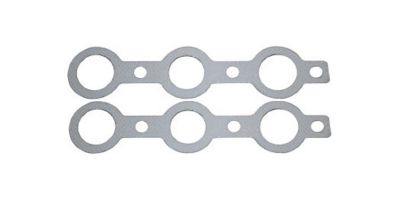
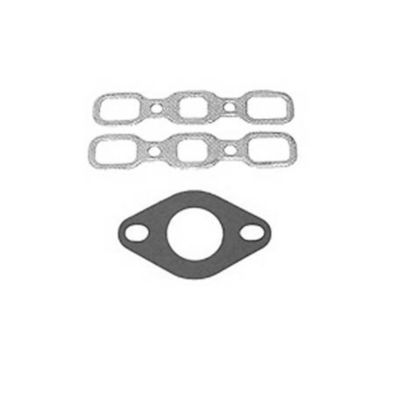
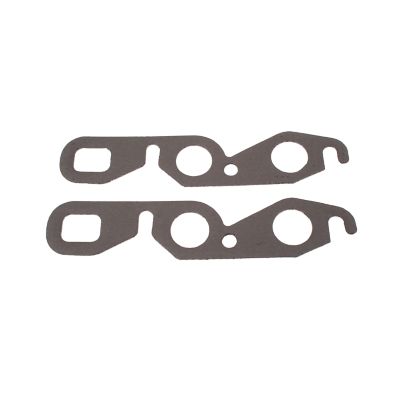
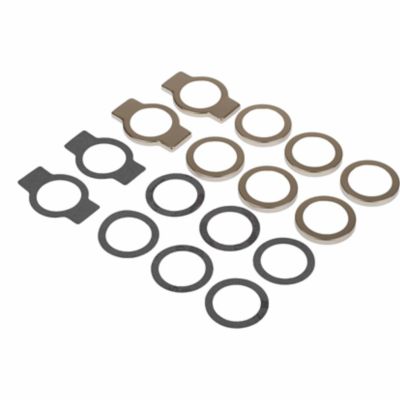
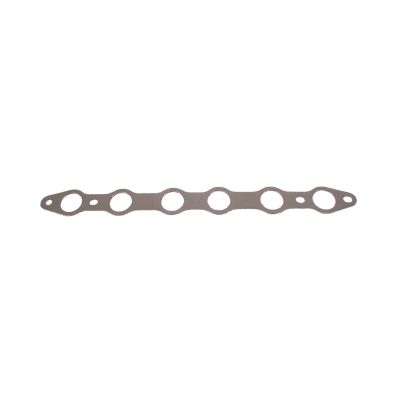
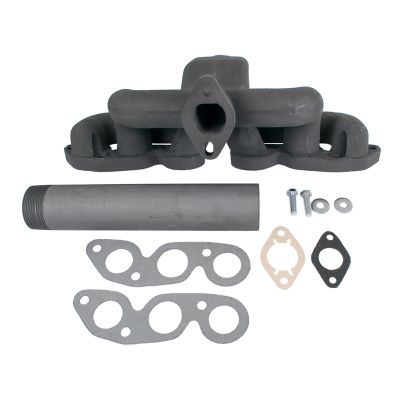
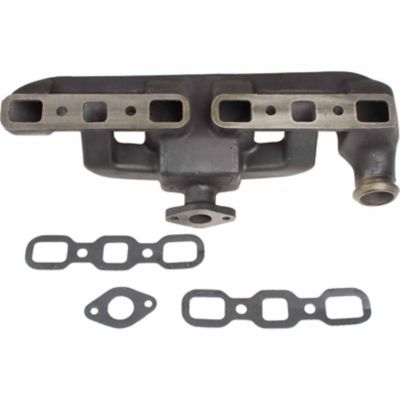
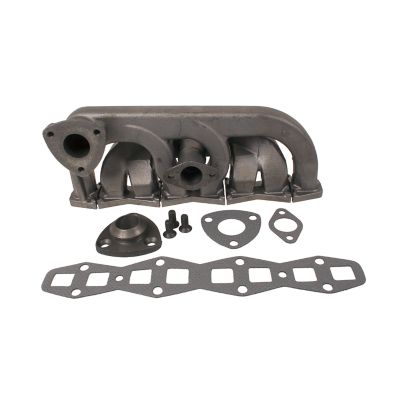
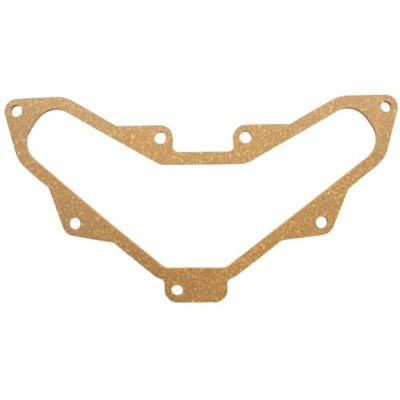
An exhaust manifold gasket set seals the connection between an engine’s cylinder head and exhaust manifold, helping direct spent combustion gases into the exhaust system instead of letting them escape under the hood. That seal matters whether the engine powers a pickup that hauls feed, a farm tractor, or another machine with a gasketed manifold connection. Exhaust pulses, vibration, and repeated heating and cooling put stress on this joint, so the right gasket needs to match both the engine and the surfaces it seals. These sets are repair parts for specific applications, not universal sheets that fit any engine with a similar appearance. Vehicle year, make, model, engine displacement, and engine configuration provide a starting point, while engine codes, production breaks, and manifold design can narrow the match further. For a tractor or other equipment, the engine model and serial information may be more useful than the machine’s outward appearance. An engine swap or a replacement manifold can also change which gasket belongs on the engine. Port shape, port spacing, bolt-hole placement, and gasket orientation all matter, and a familiar-looking outline alone does not confirm fit. Factory exhaust manifolds and aftermarket headers can require different gasket designs, even when they attach to the same cylinder head. Set contents deserve just as much attention as fitment. Depending on the application, a set may contain a single gasket, individual port gaskets, or pieces for more than one cylinder bank. Manifold outlet seals, crossover seals, studs, nuts, and bolts are not automatically part of every set. A manifold-to-head gasket and a manifold-to-pipe seal serve different joints, so the name on the package does not replace a close look at the application and included components. For a working truck or shop project, matching the full repair scope helps keep a missing seal or fastener from stopping the job after the manifold is off.
Exhaust manifold gasket materials commonly include multilayer steel, graphite-based constructions, and heat-resistant composite materials, sometimes supported by a metal core. Each construction handles clamping pressure, surface contact, and movement a little differently. Multilayer steel designs typically rely on formed sealing features and properly prepared mating surfaces to maintain contact around the exhaust ports. Graphite and certain composite designs can conform to small surface irregularities, but that does not make them a fix for a cracked manifold, badly pitted flange, or excessive warpage. Material selection belongs alongside engine fitment rather than ahead of it; a thicker gasket or a different material is not automatically a better choice. The specified thickness, port openings, and construction need to suit the engine and manifold combination. On a pickup that spends time pulling a loaded trailer, the manifold joint experiences repeated changes in heat and load. Equipment that runs for long stretches places its own demands on the same connection. In either case, service life depends on more than the gasket alone. Flat sealing faces, sound threads, proper alignment, and suitable fasteners all help the assembly hold its seal. Rusted studs, stretched bolts, broken hardware, and a manifold pulled out of shape can undermine a replacement gasket before it has much working time behind it. Installation requirements also differ by application: some gaskets have a designated orientation, some require particular fastening procedures, and some call for a follow-up torque check while others do not. The engine service information and gasket manufacturer’s directions take precedence over a habit carried over from another repair. Extra sealant is not a substitute for the specified gasket or surface preparation, and many exhaust manifold gaskets are intended for installation without it. For anyone handling engine repairs in a farm shop or home garage, those details help distinguish a well-matched sealing component from one that merely lines up with the bolt holes.
A sound manifold seal helps keep exhaust where it belongs, but gasket replacement is not a cure for every ticking sound or engine complaint. A sharp tick near the manifold, soot around a joint, or an exhaust smell can point toward a leak, yet cracked castings, loose hardware, and other faults can produce similar signs. Some engines may also develop running issues when a leak affects nearby exhaust sensor readings. Confirming the source before choosing repair parts helps avoid replacing a gasket while leaving the real trouble in place. Exhaust entering a cab or enclosed work area is a safety concern, not just an annoyance; an engine with a suspected leak needs attention, and running equipment requires proper ventilation because exhaust contains carbon monoxide. For owners maintaining a chore truck, mechanics servicing farm equipment, and folks bringing an older engine back into regular work, the practical goal is the same: a properly matched seal supported by a sound manifold and correct hardware. A broader engine repair may involve other sealing points, too.
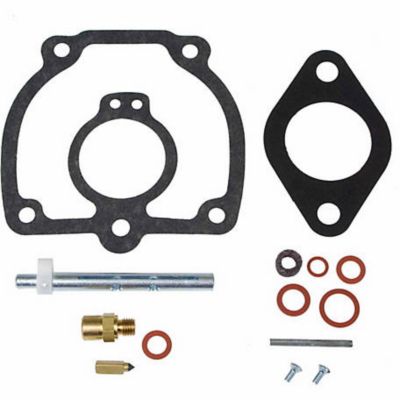
Carburetor Gaskets serve separate connections in a carbureted fuel-and-air system and are not interchangeable with exhaust manifold gaskets. Keeping those functions straight matters when several assemblies are apart on the bench. Before installation, gasket care mainly means protecting the sealing faces from bends, creases, dirt, and damage during storage and handling. After the repair, attention to new noises, visible soot, or exhaust odor can help flag a joint that needs another look. There is no single replacement interval that fits every engine, and an intact gasket does not need changing simply because another machine needed one. Application details, condition, and the work being performed determine the need. The best match is the set specified for the actual engine and manifold in the shop, with the sealing pieces needed for that particular repair.