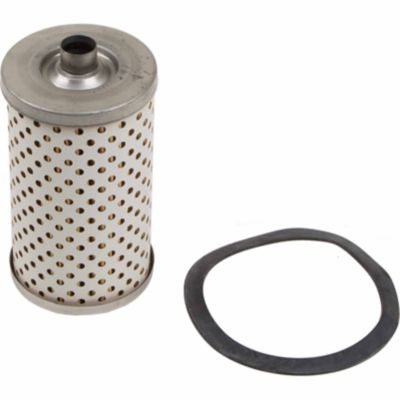
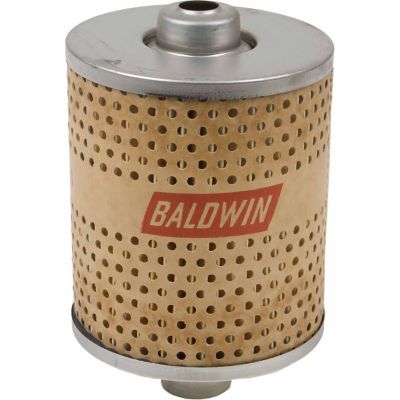
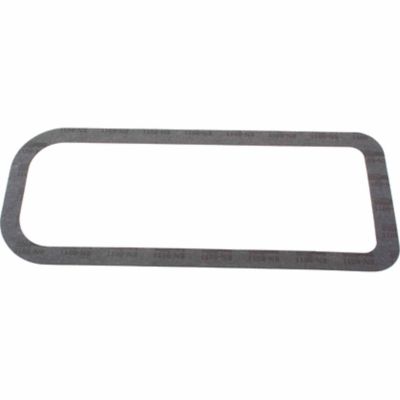
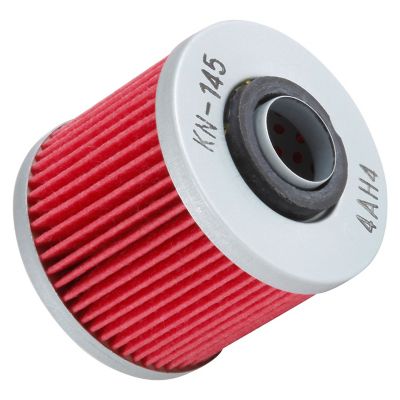
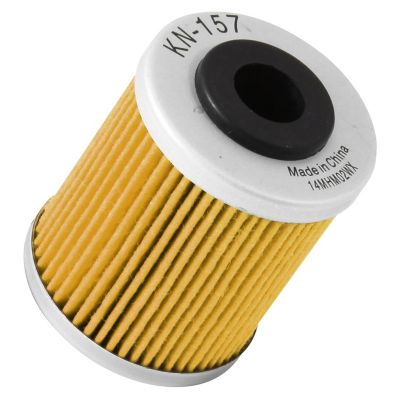
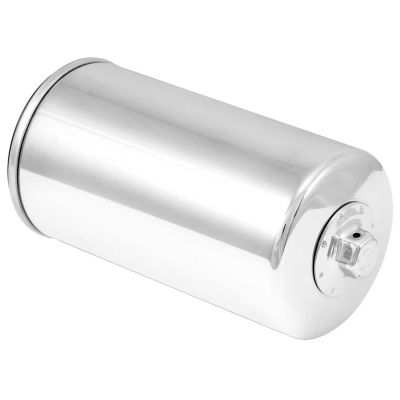
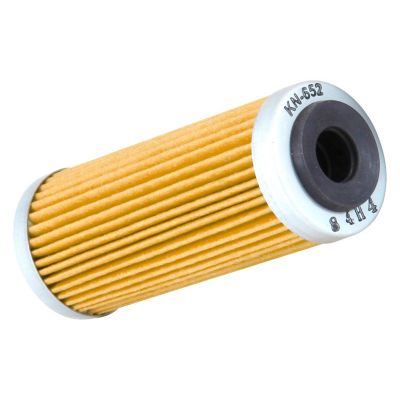
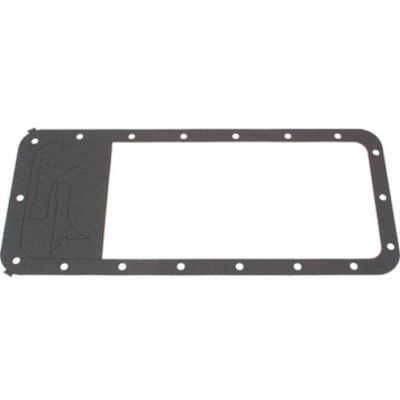
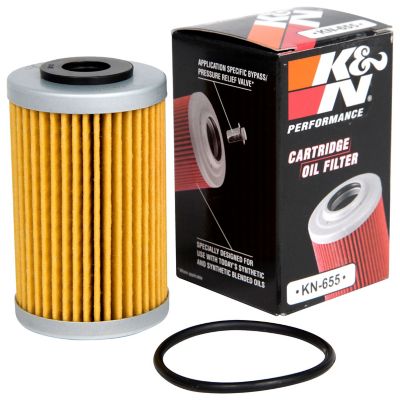
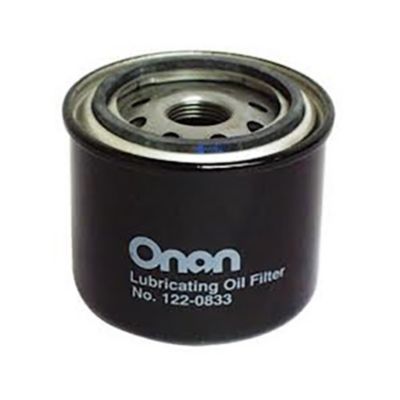
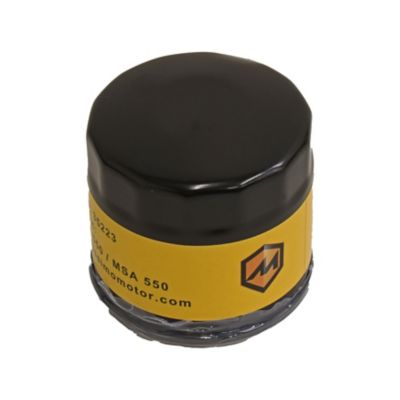
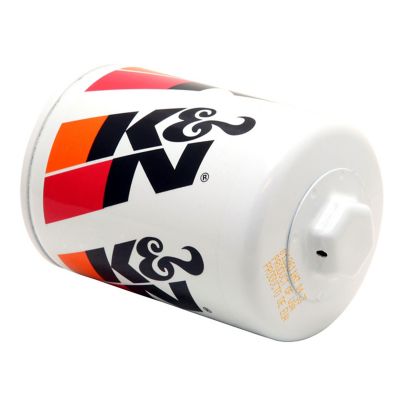
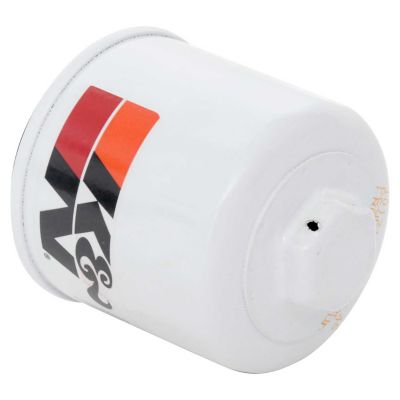
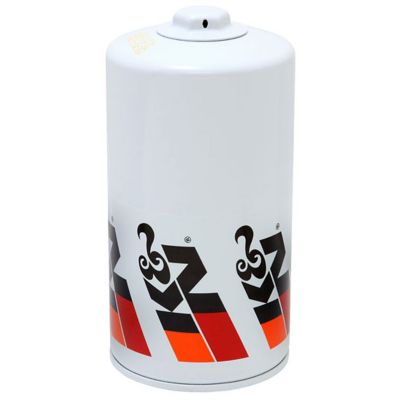
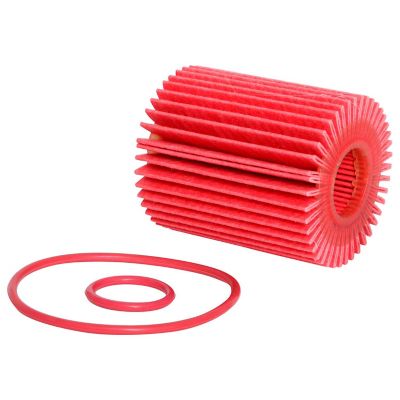
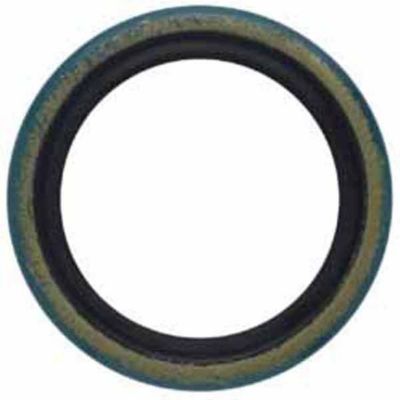
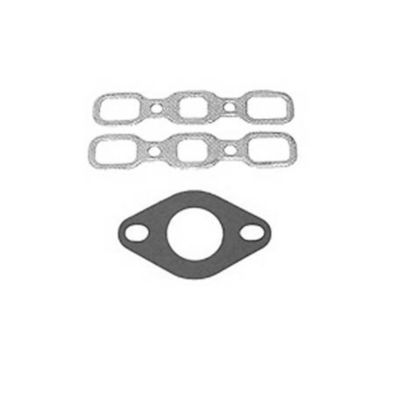
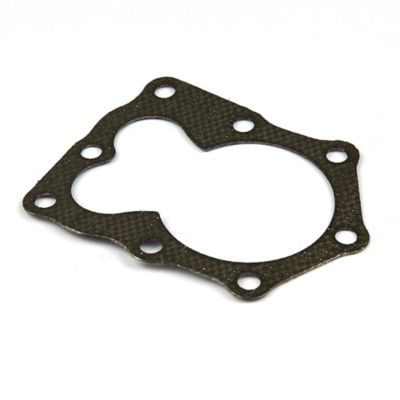
Oil filter gaskets help keep engine oil inside the lubrication system by sealing the connection between a filter, its housing, and the engine, depending on the engine’s design. These small seals close gaps between mating surfaces so oil can circulate through the filter without escaping at the joint. A sound seal matters whether an engine spends its days hauling hay, carrying tools between job sites, or taking the family into town. Oil loss can leave a mess across the engine compartment, reduce the oil supply, and put moving parts at risk if the level drops too far. Oil reaching a hot exhaust surface may also produce smoke or a burning smell, while oil on belts and nearby rubber components can lead to further trouble. The term oil filter gasket covers several different shapes and locations, so it helps to know which connection needs attention. Many spin-on oil filters have a sealing ring attached to the filter base, and that ring is normally replaced along with the filter. Cartridge-style systems often have a removable housing cap that seals with an O-ring. Other gaskets seal the filter housing or adapter to the engine and are separate from the filter’s routine replacement parts. Those distinctions matter because a cap O-ring and a housing-to-engine gasket are not interchangeable, even when both belong to the same engine. Depending on the application, oil filter seals may serve passenger vehicles, pickup trucks, tractors, utility vehicles, lawn equipment, or other engine-driven machinery. For someone keeping a farm truck ready for feed runs or maintaining equipment in a shop beside the barn, the right seal is a small but important part of keeping oil where it belongs. Its job stays the same across those settings: maintain a tight connection through the heat, pressure, and vibration that come with normal engine operation.
Fit is the first consideration when comparing oil filter gaskets, since a seal that looks close may still have the wrong dimensions or profile. Vehicle applications can depend on the year, make, model, and engine, while equipment applications may call for an engine model, serial number, or housing identification. Even machines with similar names can have different filter assemblies. Inside diameter, outside diameter, thickness, and cross-sectional shape all affect how a gasket sits and compresses. A round O-ring, a flat sealing ring, and a molded gasket each need the mating surface or groove intended for that shape. Too little compression can leave a leak path; too much can distort the seal or keep the assembly from seating correctly. Matching the listed application and the manufacturer’s part reference is more useful than judging by appearance alone. Materials matter, too, because engine oil, operating temperatures, and repeated heating and cooling place demands on the sealing compound. Depending on the assembly, gaskets may contain nitrile rubber, fluorocarbon elastomers, or molded sealing material supported by a carrier. Nitrile appears in many oil-sealing applications, while some designs specify other compounds for different temperature or chemical requirements. The engine or housing specification should determine the material rather than a general assumption that one compound fits every job. Color alone does not establish what a seal is made from or whether it belongs in a particular engine. Long service life depends on the whole combination: suitable material, correct dimensions, sound mating surfaces, and proper assembly. A gasket also cannot make up for a cracked filter housing, damaged threads, or a warped sealing face. For a truck pulling a livestock trailer or a tractor working through a long afternoon, matching the actual engine and filter arrangement matters far more than finding a ring that simply slips into place. Package contents deserve a look as well, since an individual seal and a housing gasket set may cover different connections.
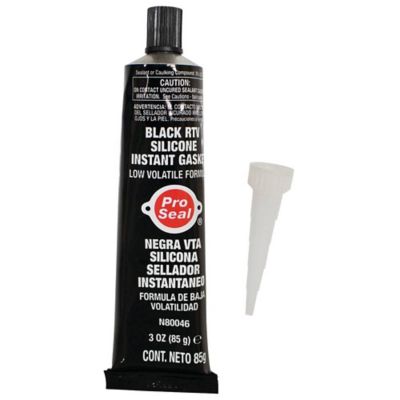
Care and replacement considerations center on preserving that precise fit and keeping contamination away from the sealing surfaces. Dust from a gravel lane, a bit of old gasket material, or grit on a housing groove can interfere with contact between the seal and its seat. Replacement gaskets belong in clean packaging away from direct sunlight, excessive heat, and shop chemicals until they are needed. Rubber that has become hard, cracked, swollen, or nicked may no longer conform as intended. During service, the engine manufacturer’s instructions establish the correct seal location, any lubrication requirement, and the tightening specification. Many filter seals call for a light film of clean engine oil, but the application instructions take precedence; extra sealant is not a substitute for the specified gasket. On a spin-on assembly, an old sealing ring left on the mounting face can create a double-gasket condition and a serious leak. Cartridge housing O-rings likewise need their designated groove rather than a nearby thread or shoulder. These details explain why proper seating matters as much as the replacement part itself. Fresh wetness around a filter base, oil trails below a housing, spots on the shop floor, or an unexplained drop in oil level can point to a sealing problem, though oil may travel from another source before it becomes visible. A burning-oil smell also deserves attention rather than an automatic assumption that the filter gasket is responsible. A low-oil-pressure warning or substantial leak calls for prompt attention, not another trip down the lane. During cooler weather, engines still reach high operating temperatures, making flexibility across heating and cooling cycles an important part of seal performance. For other leakage points,
Oil Seals cover a related category, including seals for rotating shafts; those parts serve different locations and should not be treated as substitutes for filter gaskets. Whether maintenance happens in a home garage, a farm shop, or a repair bay, a correctly matched oil filter gasket helps support a clean, properly sealed lubrication system without turning a small connection into a bigger repair.