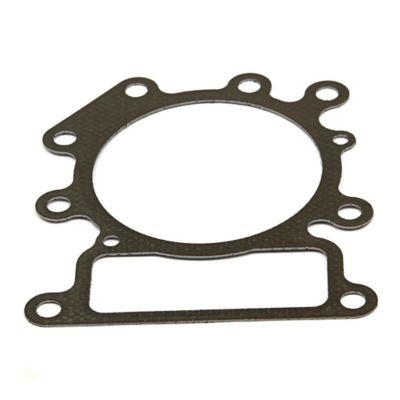
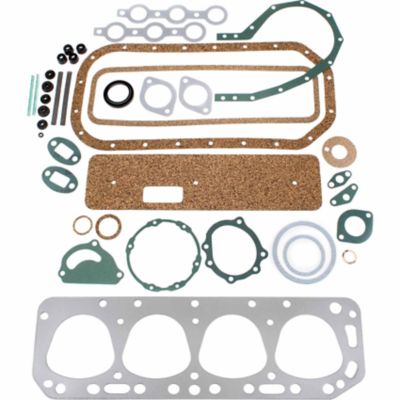
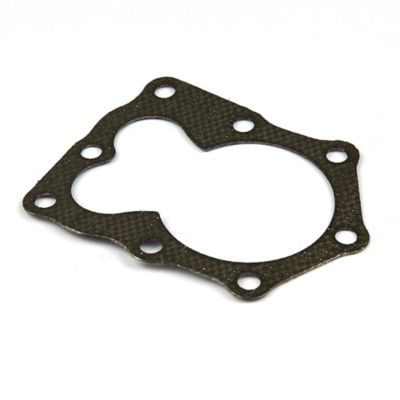
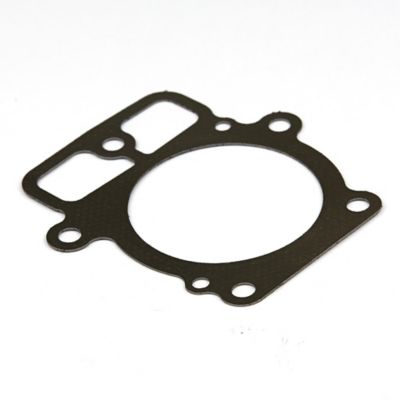
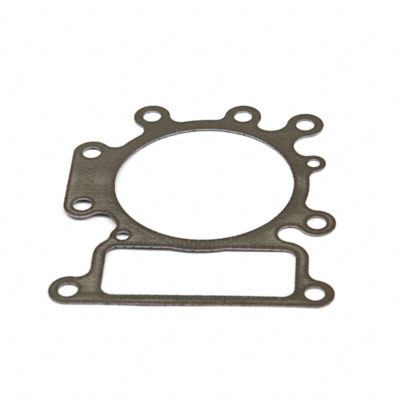
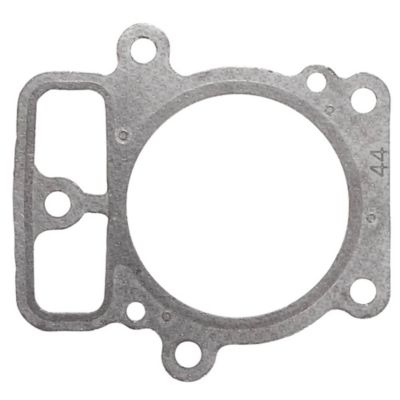
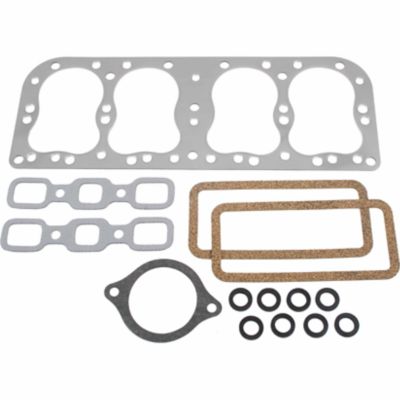
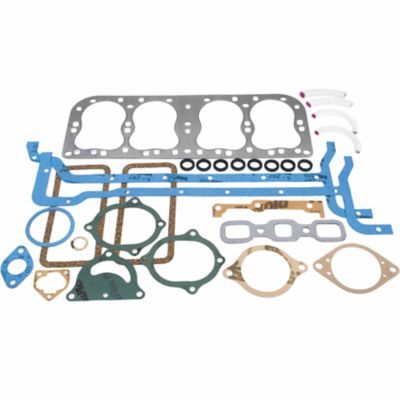
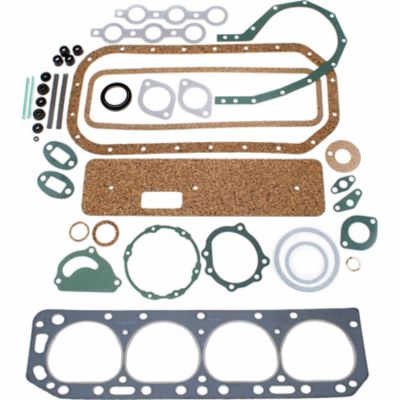
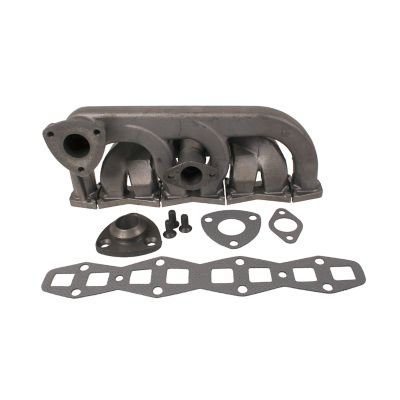
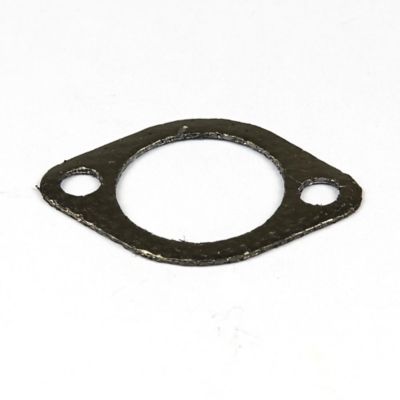
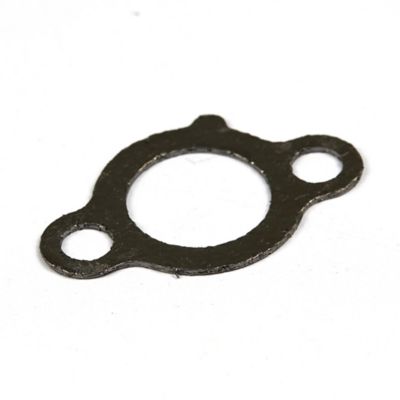
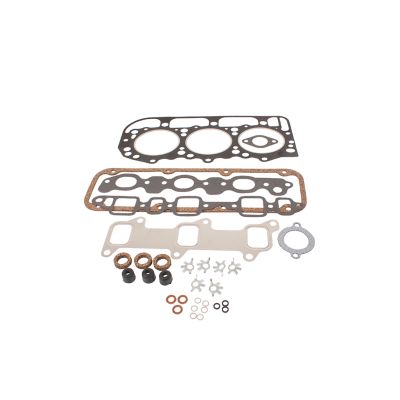
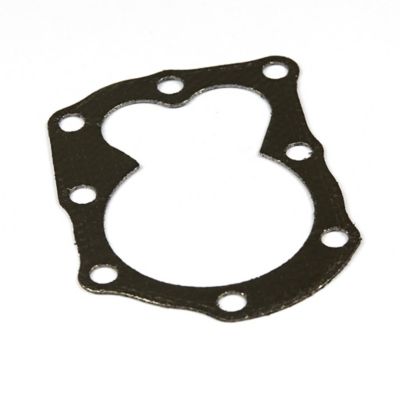
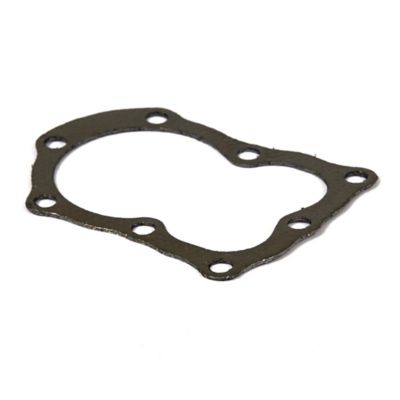
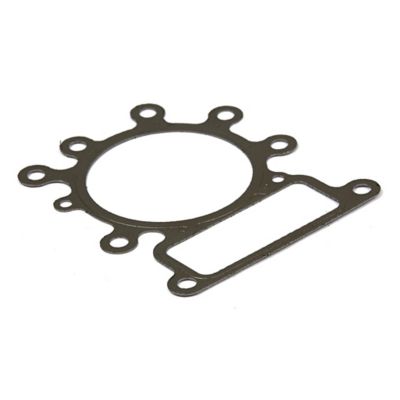
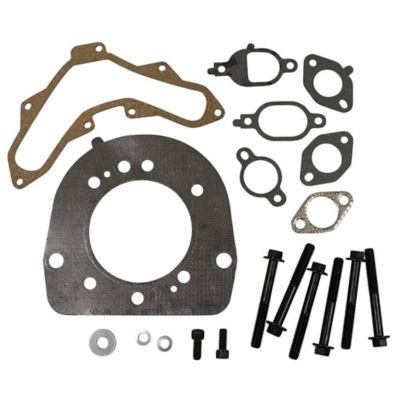
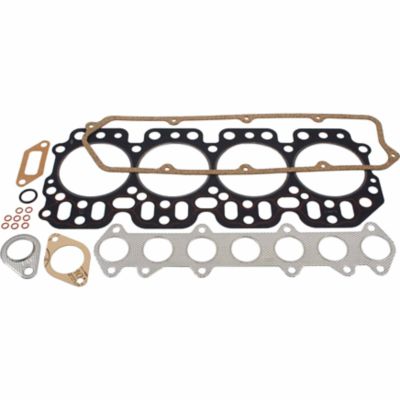
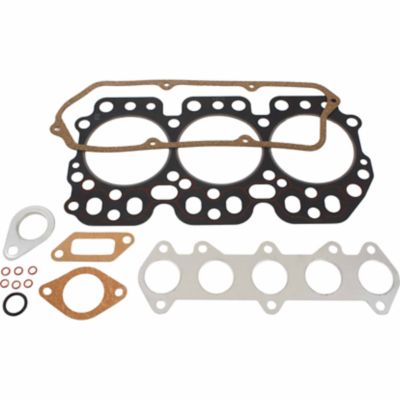
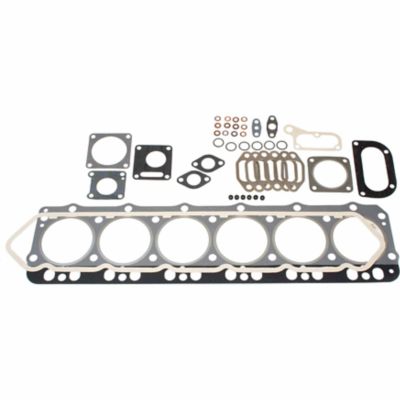
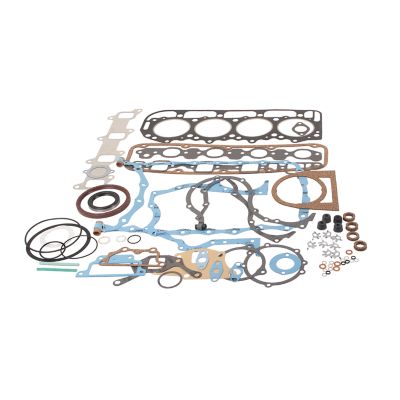
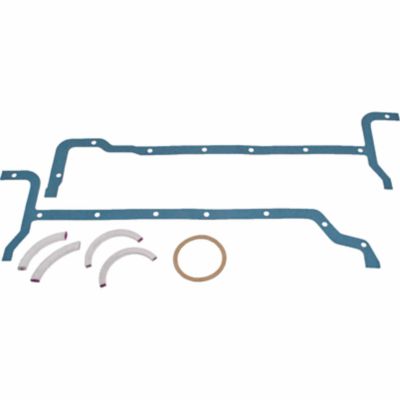
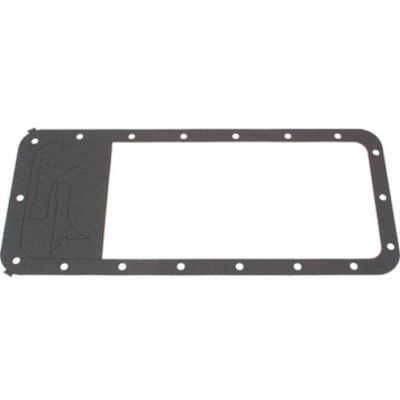
Head gaskets are small, hardworking parts that do a big job inside an engine. Fitted between the cylinder head and engine block, a head gasket creates a pressure-tight seal around the combustion chambers while also separating the oil and coolant passages that run through the engine. When that seal is sound, combustion gases stay where they belong, engine oil can circulate without contamination, and coolant can carry heat away from the cylinders and cylinder head. When the gasket starts to fail, the trouble may show up as an overheating engine, a rough idle, a misfire, reduced power, white smoke from the exhaust, coolant loss, or bubbles in the radiator. Oil that looks tan and milky on the dipstick or beneath the oil cap can also point to coolant mixing with the oil, although moisture from short trips and other problems can create similar signs. A head gasket may fail after an engine has been overheated, especially if the cylinder head or engine block becomes warped. High cylinder pressure, detonation, age, repeated heat cycles, and incorrect bolt torque from an earlier repair can also contribute. These parts are commonly used by farmers, ranchers, small-engine owners, weekend mechanics, and automotive repair professionals working on cars, trucks, tractors, mowers, utility vehicles, and other equipment. They can be especially handy to keep in the shop when an older work vehicle is being brought back into service or a dependable machine needs repair before the cooler months and heavier work begin. A gasket by itself will not correct an underlying cooling-system problem, so it helps to look for the reason the original seal failed before installing a replacement. A clogged radiator, weak water pump, stuck thermostat, damaged hose, poor fan operation, or low coolant level can lead to another overheating event if the root cause is left alone.
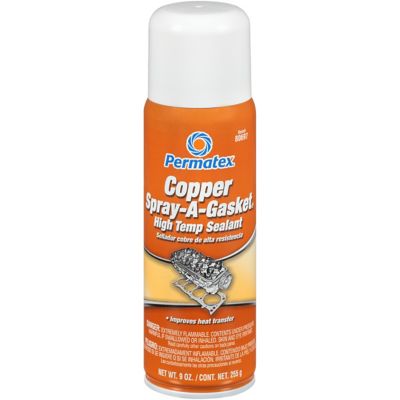
Choosing the right head gasket starts with exact engine identification. Match the gasket to the engine make, model, year, displacement, cylinder count, fuel type, and any engine changes that have been made over the years. A vehicle identification number, engine casting number, service manual, or equipment parts diagram can help confirm the application when several engines were offered in the same model. Pay close attention to cylinder bore size, bolt-hole layout, coolant and oil passage locations, gasket thickness, and the required orientation. Gasket construction varies, too. Composite materials and multi-layer steel designs each have their own sealing characteristics, surface requirements, and installation procedures. Some engines require a specific compressed thickness to maintain the proper combustion-chamber volume and piston-to-valve clearance, while others call for a gasket selected according to how far the piston sits above the block deck. That detail matters on many diesel and high-compression engines. Before installation, the cylinder head and block should be checked for cracks, flatness, corrosion, and damage around the fire rings and passages. A machine shop may be needed to pressure-test or resurface a cylinder head, particularly after a serious overheat. Clean, dry mating surfaces are important, but aggressive scraping that gouges the metal can create a new leak path. Follow the engine manufacturer’s instructions for head-bolt replacement, bolt lubrication, tightening sequence, torque values, and angle-tightening steps. Some torque-to-yield bolts are designed for one-time use and should not be reused. Sealants, sprays, or adhesives should only be used when the service information specifically calls for them; adding the wrong product can interfere with proper clamping or block a coolant passage. It is also smart to inspect related parts while the engine is apart, including the head bolts, intake and exhaust gaskets, thermostat, hoses, radiator cap, and timing components. If a repair involves a carbureted engine, the surrounding air and fuel system may need attention as well, and replacement
Carburetor Gaskets can help restore a dependable seal at that connection. Take your time during reassembly, refill the cooling system correctly, bleed trapped air where required, and monitor the engine closely for leaks, temperature changes, or continued misfires. For anyone who depends on a tractor to pull a trailer, a truck to haul feed, or a mower to keep up with a large property, a properly matched head gasket and careful installation can help protect the engine from costly damage and keep useful equipment working through changing conditions.