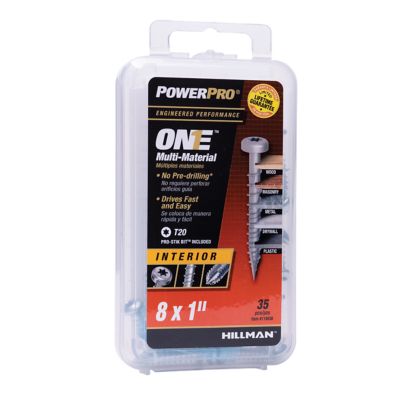
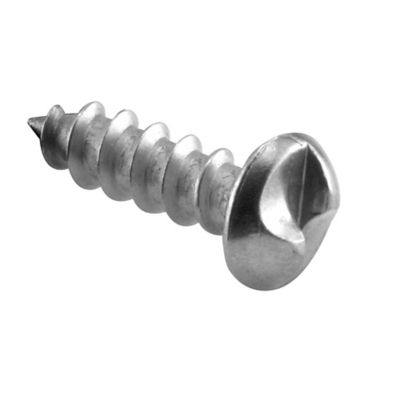
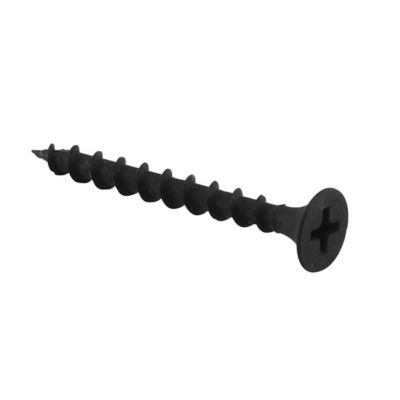
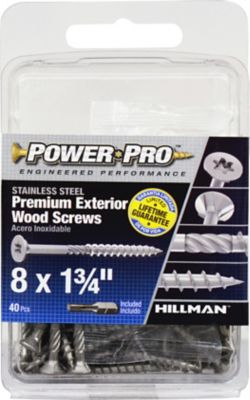
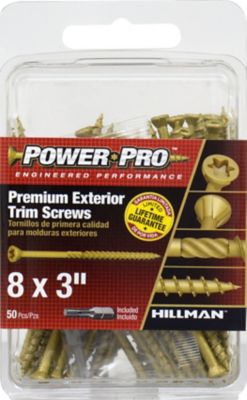
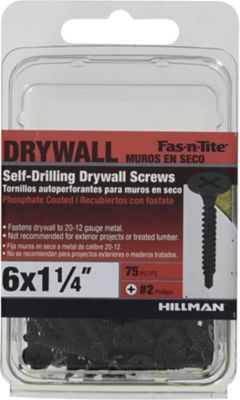
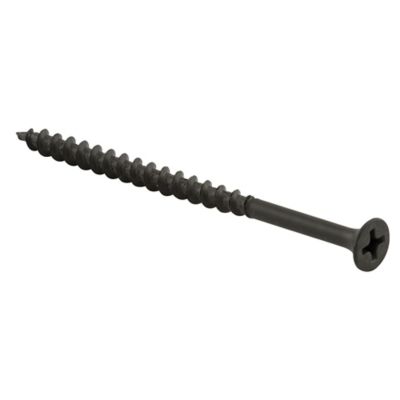
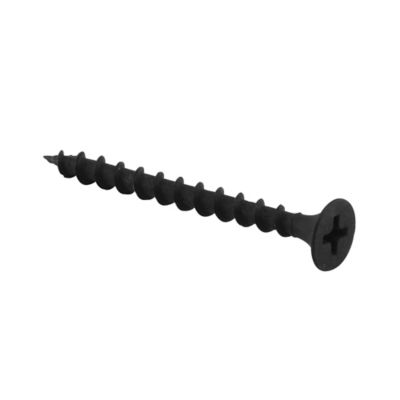
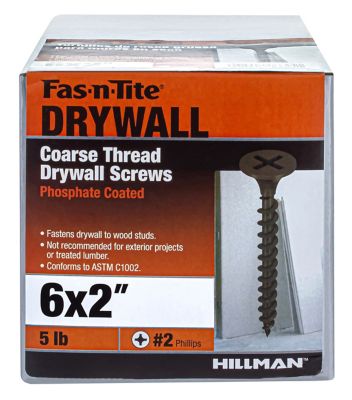
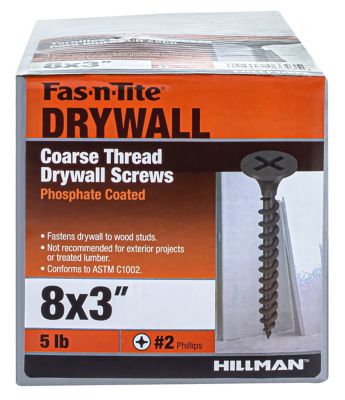
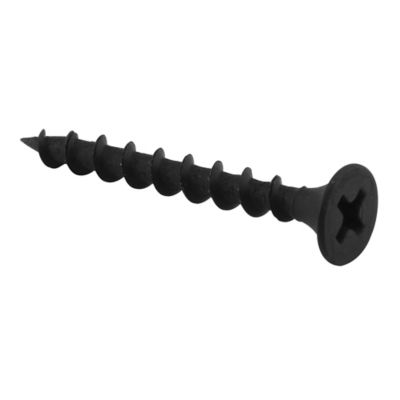
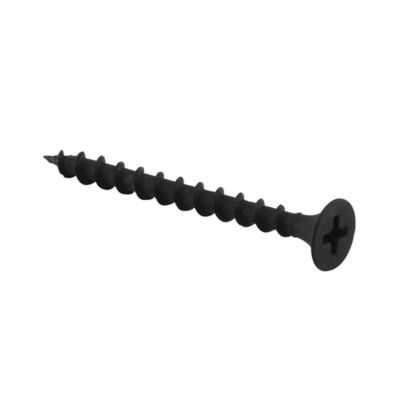
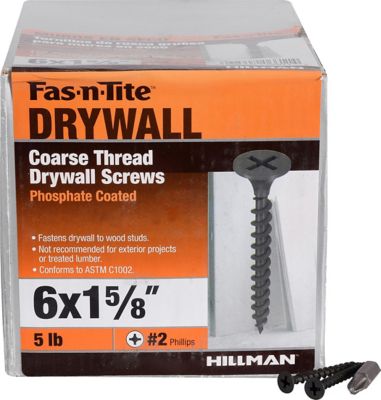
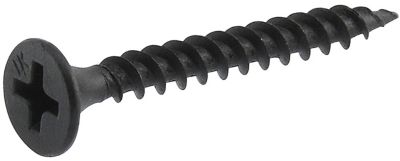
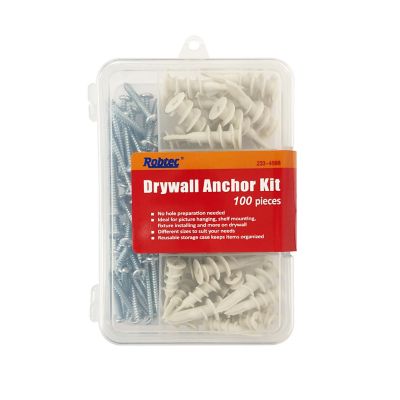
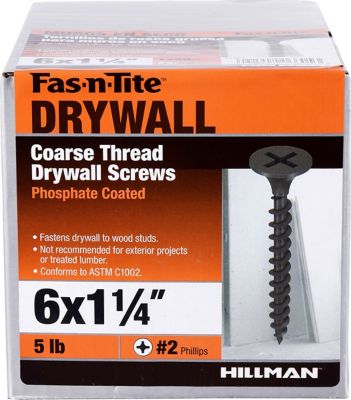
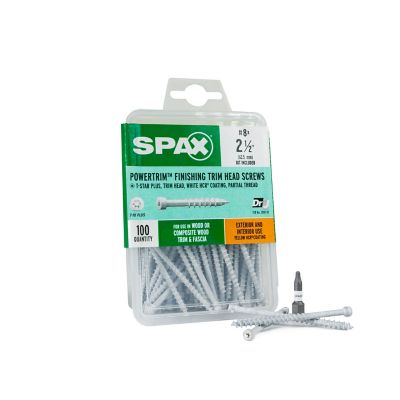
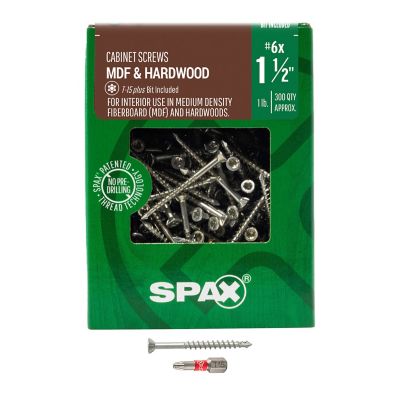
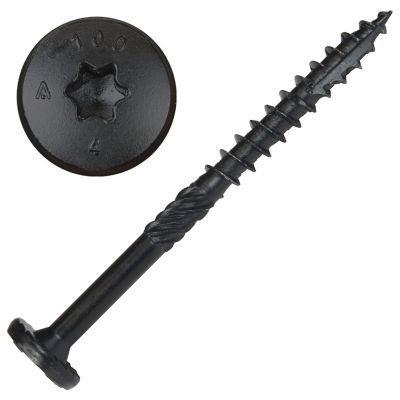
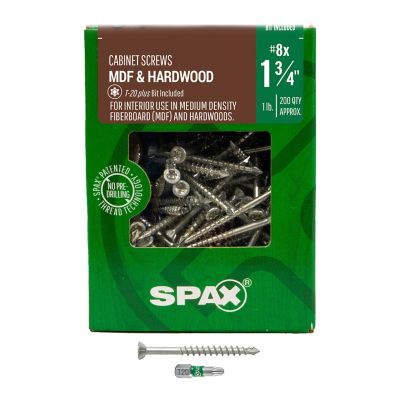
Installation screws are the small parts that help turn a stack of boards, a wall-mounted fixture, or a cabinet kit into something solid and dependable. The right fastener depends on what you are installing, the material you are driving into, and the amount of weight or movement the connection will need to handle. Woodworkers, cabinet installers, maintenance crews, farmers, homeowners and weekend do-it-yourselfers may all reach for installation screws, but the best choice for fastening a cabinet hinge area is not always the best choice for joining framing lumber or attaching a bracket to a metal stud. Cabinet screws commonly have a low-profile or washer-style head that spreads pressure across the mounting surface and helps the screw sit neatly without pulling through softer wood. General construction screws are made for everyday assembly and repair work, while specialty fasteners may be built for harder materials, tighter clearances or higher driving torque. Before adding a package to your cart, look at the screw’s diameter, length, head style, drive type, thread pattern and finish. A screw needs enough length to bite securely into the stud, solid wood or other backing material, but it should not be so long that it pokes through the opposite side or reaches wiring and plumbing hidden behind a wall. For many cabinet and structural installations, installers often look for roughly 1-1/2 to 3 inches of useful penetration, though the proper length always depends on the thickness of the material being attached and the support behind it. Keeping several sizes on hand can save a late trip to town when a shelf needs moving, a gate latch needs replacing or a workbench project takes an unexpected turn.
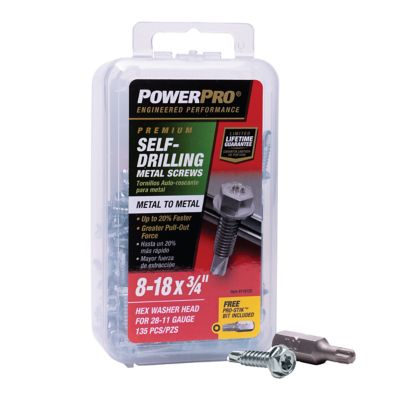
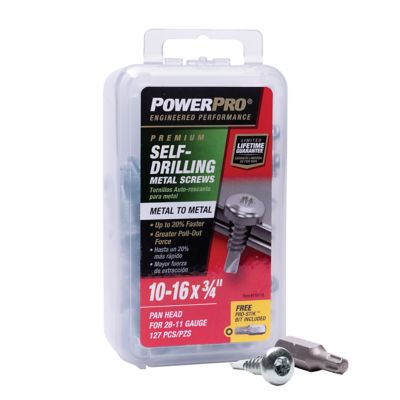
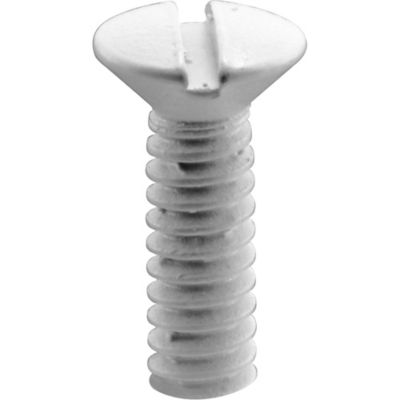
Drive style makes a real difference once the work gets underway. Phillips-head screws are familiar and useful for many lighter-duty jobs, but a star or Torx drive, square drive or another high-engagement design can help reduce slipping and cam-out when a drill applies more torque. That extra grip is welcome when you are working overhead, reaching into a narrow cabinet or driving a long screw through a dense board. Match the driver bit carefully to the screw head, and replace worn bits instead of trying to force a poor fit. A flathead screw can leave a clean, flush finish when paired with the right countersink, making it a practical choice for cabinetry, trim and other surfaces where a raised head could catch clothing or interfere with a drawer. Round, pan and washer-style heads may be better where a broader bearing surface is needed. In hardwoods, plywood edges and other materials that tend to split, a pilot hole can make the job cleaner and protect the finished piece. A countersink bit can create room for a flathead to rest below or level with the surface. Self-drilling screws may save time by forming their own starting hole as they pass through the material, which is particularly useful for certain metal-to-wood connections and repairs where pre-drilling is difficult. For projects involving metal framing, sheet metal or mixed materials, browse
Metal To Wood Self Drilling Screws to find fasteners suited to that type of installation. Even with self-drilling designs, steady pressure and the correct drill speed help the point engage cleanly instead of skating across the surface.
Think about the setting as well as the parts being joined. Interior screws may be a good fit for dry rooms, furniture and shop projects, while coated or corrosion-resistant finishes are worth considering for barns, sheds, porches, fencing repairs and other places exposed to moisture, mud or changing temperatures. When working outdoors or in an unheated building during the cooler months, check that the fastener finish is appropriate for the surrounding material and conditions. Some combinations of dissimilar metals can lead to corrosion over time, especially where rain, condensation or animal-washdown water is present. For a dependable connection, make sure the backing material is sound rather than relying on loose drywall, cracked wood or a thin surface layer. A stud finder, awl, measuring tape and a small selection of driver bits can make installation smoother, while safety glasses help protect your eyes from chips and dust. Keep the screw package nearby until the job is finished so you can confirm the size and type if more are needed later. Installation screws are also a handy addition to a practical gift for a new homeowner, a farmhand setting up a shop, or the family member who always has a fence, planter box or storage project in progress. Whether you are putting together cabinets, securing wall plates, joining lumber, mounting hardware or handling a repair before the weather turns rough, choosing a fastener made for the material and load can help the finished work stay tight, straight and ready for everyday use.