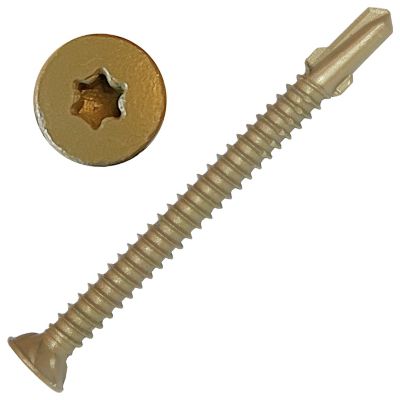
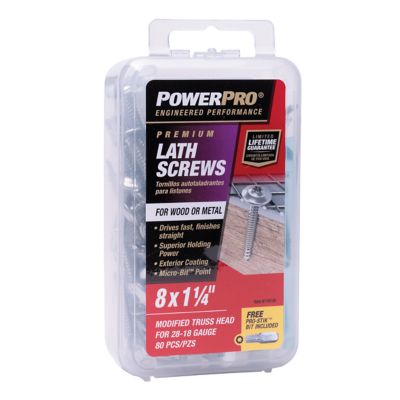
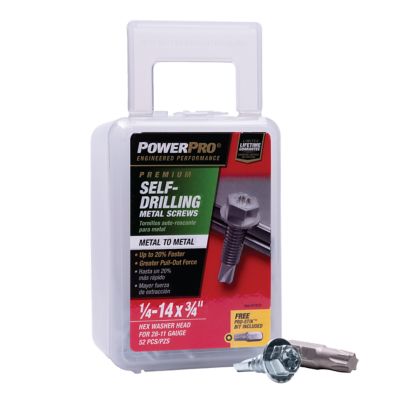
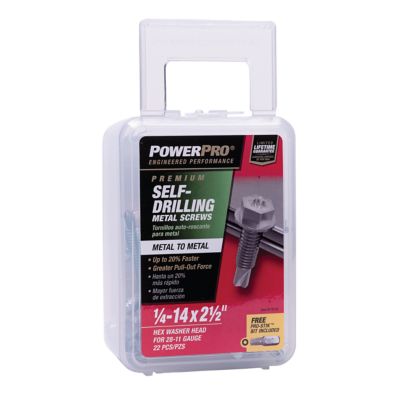
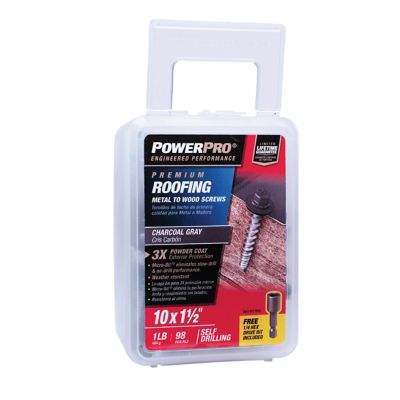
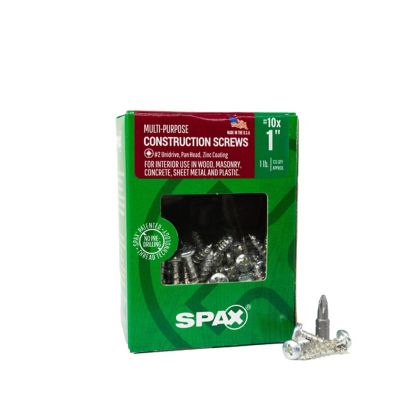
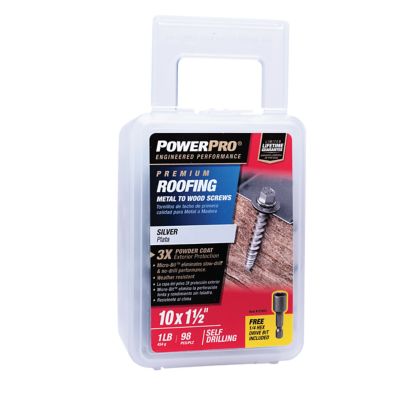
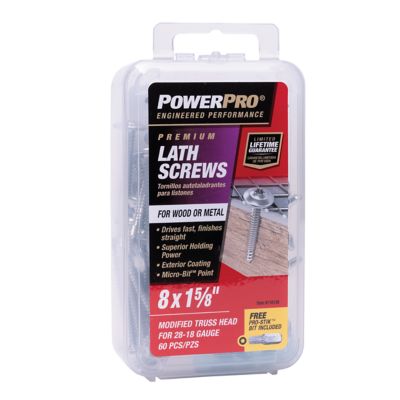
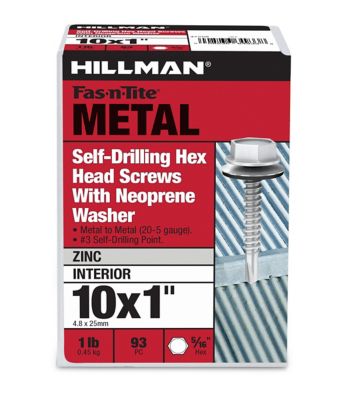
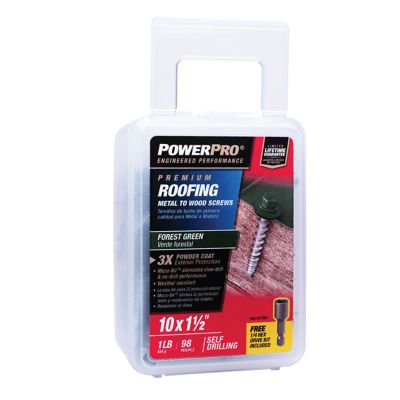
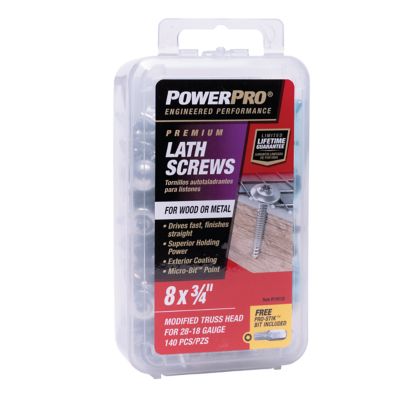
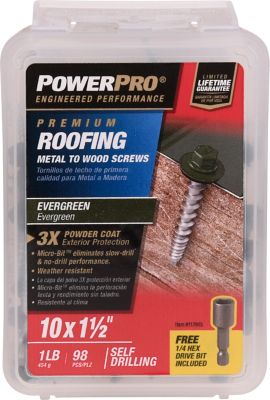
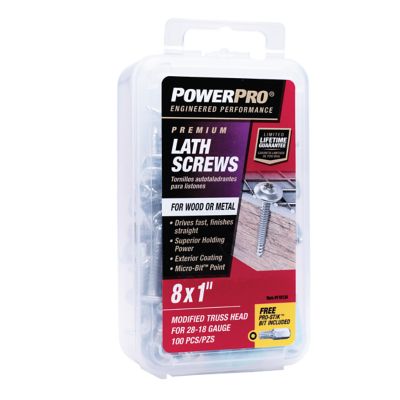
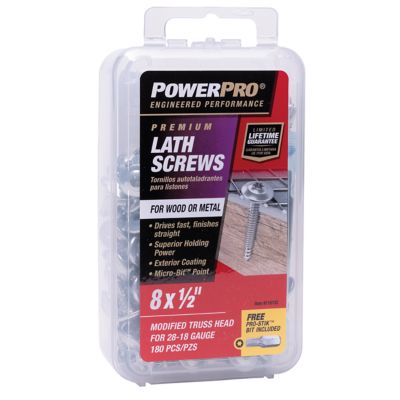
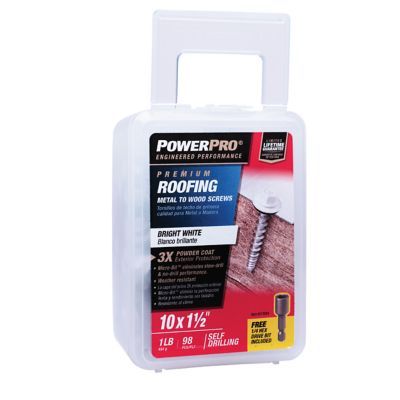
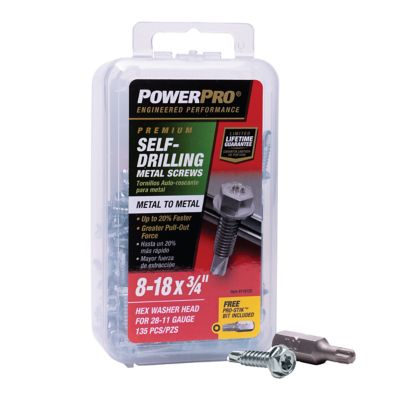
Metal to wood self drilling screws are made for jobs where wood needs to be fastened directly to a steel frame, metal bracket, or other metal base. Unlike a standard wood screw, this style has a drill point that cuts through the metal and threads that tap into the opening as the screw is driven. Many wood-to-metal versions also include small reamer wings above the point. These wings clear a slightly wider path through the wood so the threads do not grab the board too soon. Once the wings reach the metal, they break away, letting the threads bite into the steel and draw the wood snugly against it. That one-step design can save a fair amount of time on projects such as attaching subfloor or roof decking to steel framing, securing wooden trailer floorboards, installing wood headers or furring strips over metal, and building ramps, platforms, shelving, or other shop improvements with a steel base. They are handy on the farm, too, where a repair may involve a wood board meeting a metal gate frame, trailer chassis, equipment stand, or enclosed utility structure. Having the right fastener on hand can turn a drawn-out repair into a straightforward afternoon job, especially when the boards are already positioned and drilling separate clearance holes would be awkward.
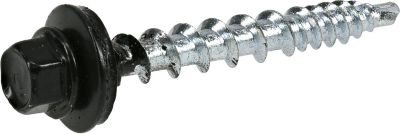
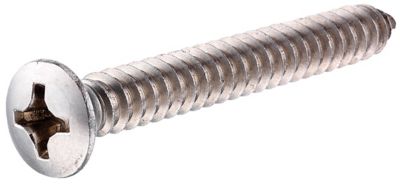
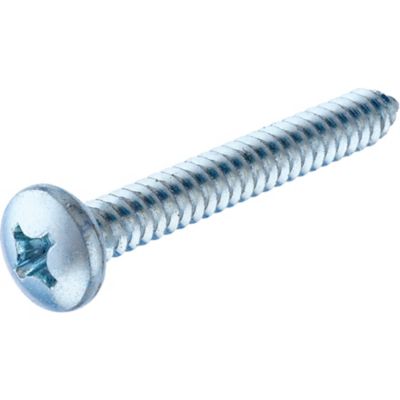
Choosing the right screw starts with the materials and the thickness of the assembly. Check the wood thickness, the metal gauge, and any layers between them before selecting a length. The screw should pass through the wood and engage the metal enough to hold securely without extending farther than needed. A screw that is too short may not develop a dependable grip, while one that is too long can leave an exposed point, interfere with moving parts, or create a snag. Pay close attention to the drill-point style, thread design, head shape, drive type, and finish. A sharp self-drilling point is important when working with steel, and a compatible thread pattern helps the screw pull the wood tight rather than simply spinning in place. Flat heads sit flush in countersunk openings and are useful when a smooth surface matters, such as on flooring, decking, trim, or a ramp. Round or pan-style heads provide a broader bearing surface when a flush finish is not needed. Phillips, square, hex, and other drive styles each have their place; match the bit or driver carefully so the head does not strip during installation. Consider corrosion resistance when screws will see moisture, livestock areas, road spray, condensation, or changing temperatures. Coated or stainless options can be a smart choice for exposed work, while indoor shop projects may call for a different finish. For decorative or fine-finish work, you may also want to browse
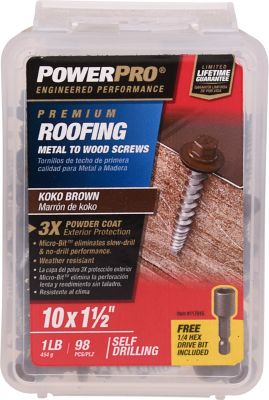
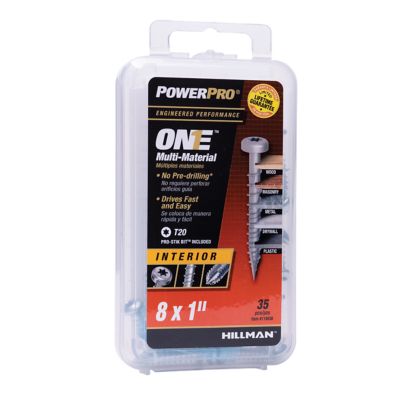
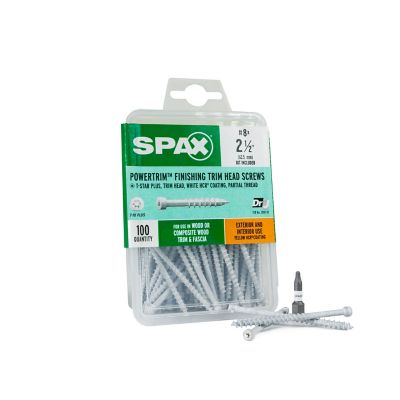
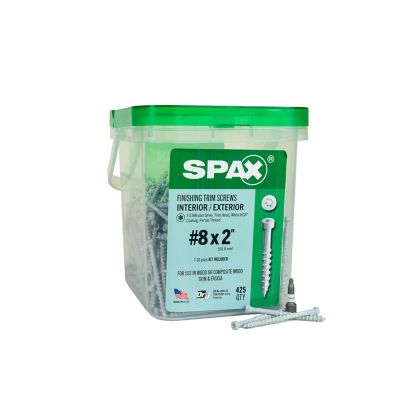
Stainless Steel Trim Screws. Buying by the count is another practical consideration. A small package suits a repair or trial run, while a larger pack is useful for a trailer floor, a run of furring strips, or a building project with many attachment points. Keep a few extra screws nearby because a tip can dull, a board may need repositioning, or a fastener can be lost in the gravel before the job is finished.
Installation is simple, but a little preparation helps the screws perform their best. Start by laying out the boards and checking that the metal beneath them is where you expect it to be. Clamp or brace the wood when possible, especially on a long board that may shift as the first screw starts. Use a drill or impact driver with the correct bit, keep the tool aligned with the screw, and drive at a controlled speed. Let the drill point do the cutting instead of leaning heavily on the tool. Once the point passes through the wood and steel, the threads should pull the board down firmly. Stop when the head is seated; overdriving can crush wood fibers, strip the drive, or pull the screw too deeply into softer boards. On thick, dense lumber or heavier steel, a pilot hole may still be useful, even when the screw is designed to drill its own opening. Avoid relying on these screws for applications that require a structural engineer’s specifications, and follow the requirements for decks, roofs, trailers, ramps, and other load-bearing work. Wear eye protection when drilling overhead or working with metal, and clear away sharp chips before handling the finished assembly. These fasteners are especially useful for do-it-yourselfers, farmers, ranch hands, trailer owners, carpenters, maintenance crews, and anyone who likes to keep a dependable repair setup in the barn or garage. They can make a practical addition to a tool tote or workshop gift for someone who builds livestock panels, restores old trailers, maintains outbuildings, or tackles small improvements during the warmer and cooler parts of the year. With the right length, finish, and head style, metal to wood self drilling screws provide a clean, efficient way to join two very different materials and keep everyday projects moving.