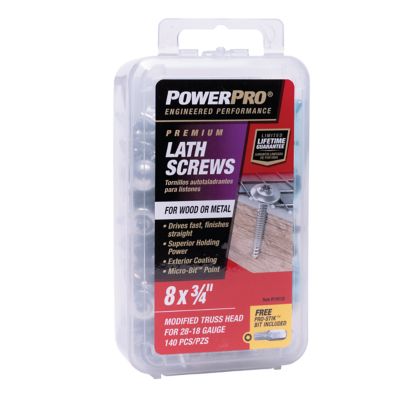
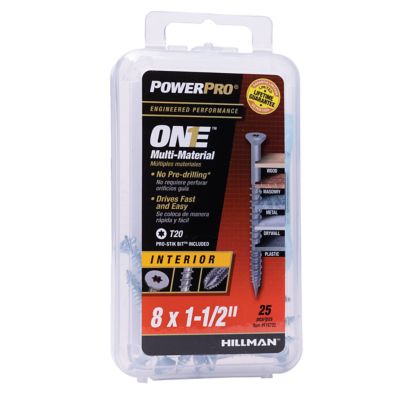
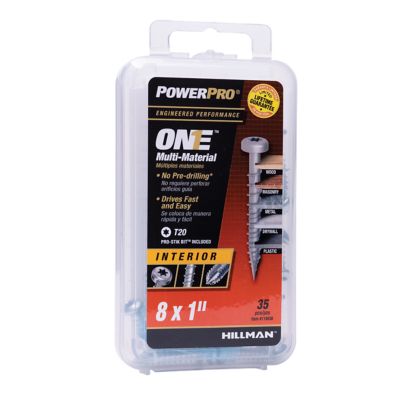
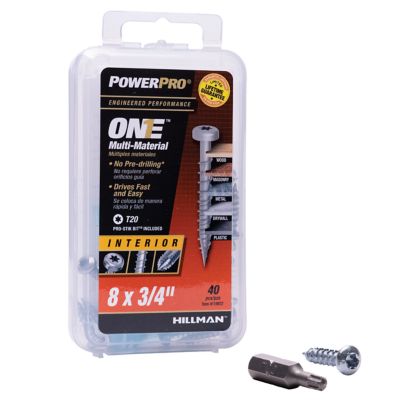
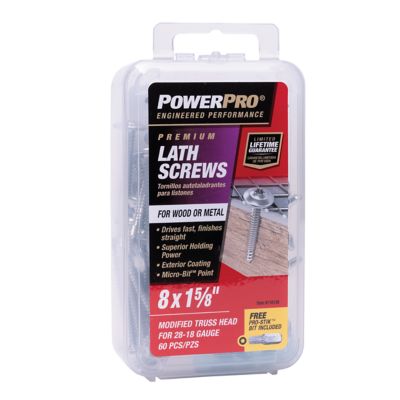
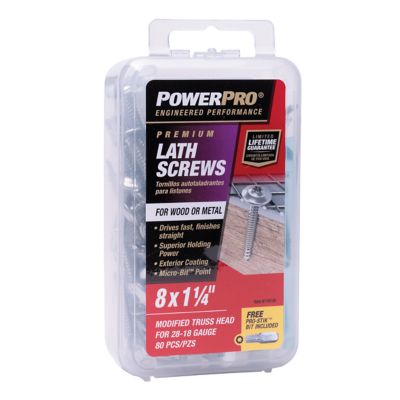
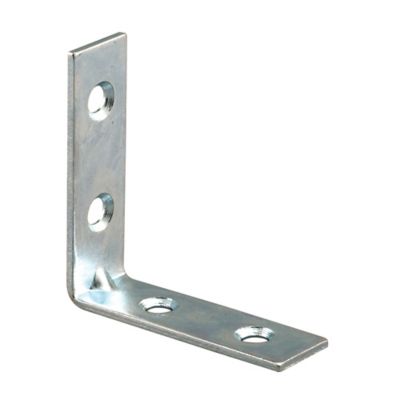
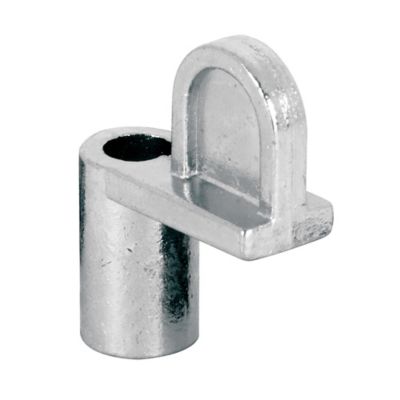
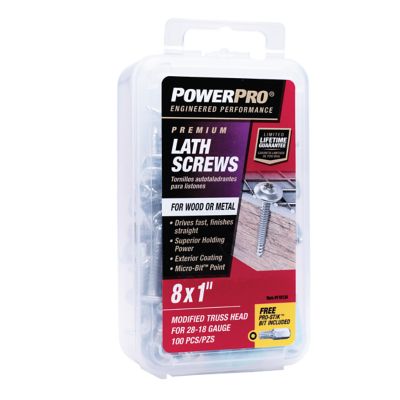
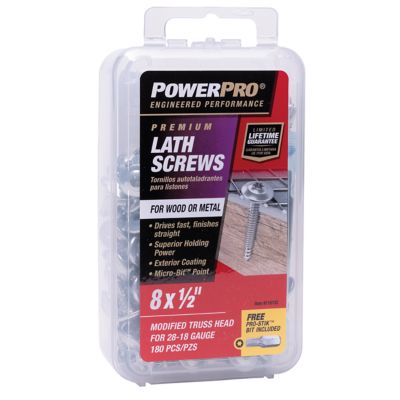
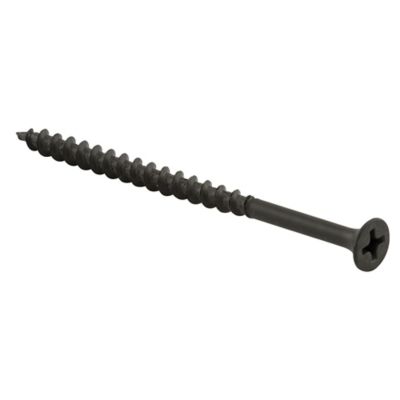
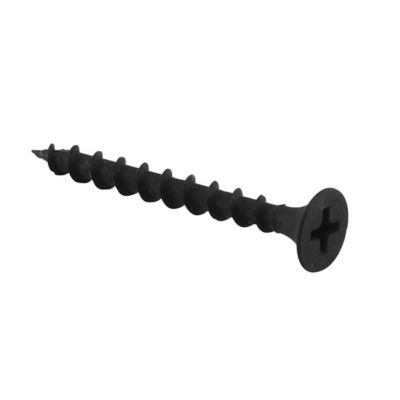
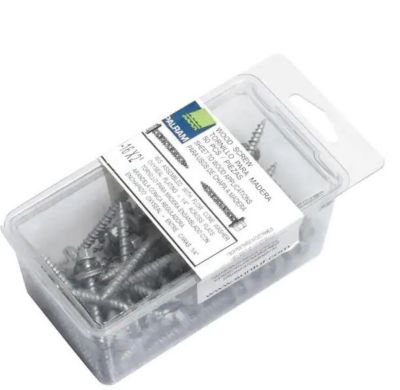
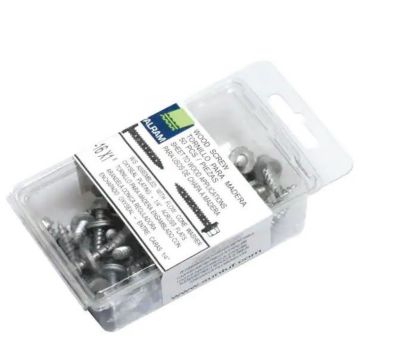
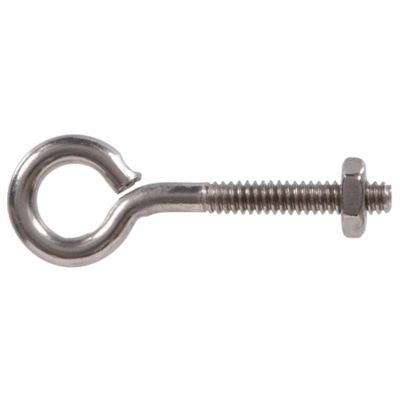
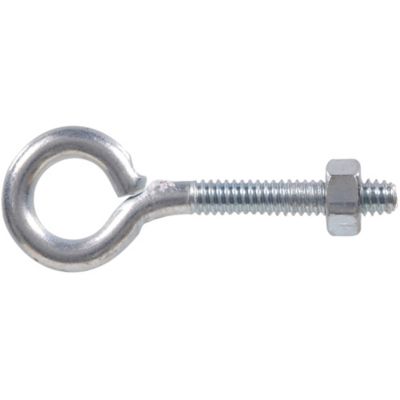
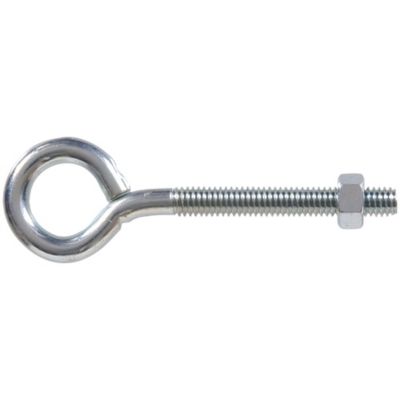
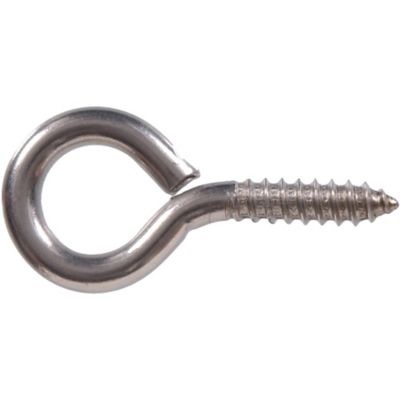
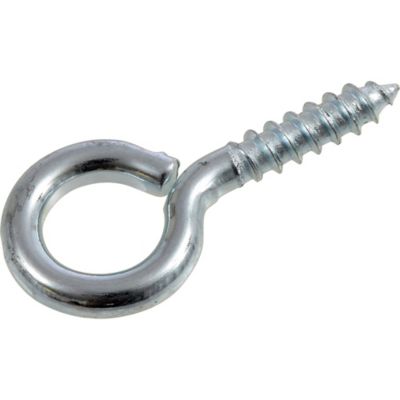
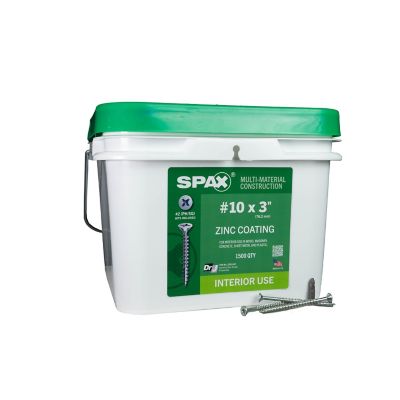
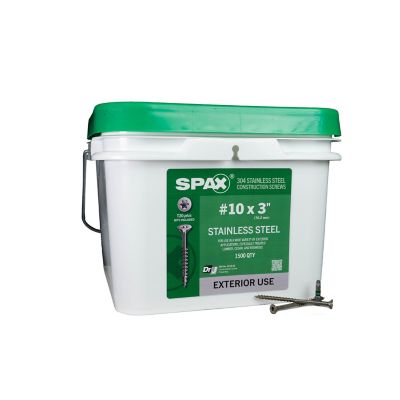
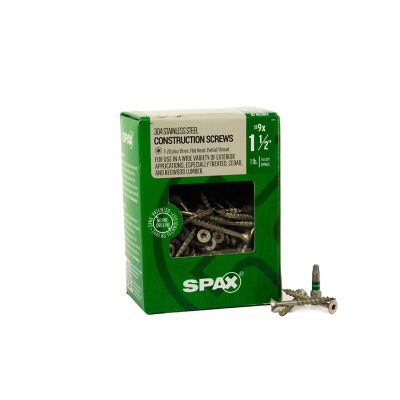
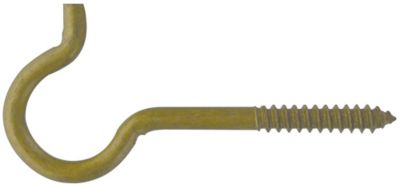
Zinc plated screws are a handy, budget-friendly choice for a wide range of indoor repairs, shop projects, furniture assembly, and general fastening jobs around the home, farm, or garage. They’re made from steel and finished with a thin layer of zinc that helps slow early oxidation, giving them a clean silver appearance and basic rust resistance. That coating makes them a practical step up from unfinished steel when you’re working in a dry barn office, heated workshop, utility room, cabinet, shelving unit, or other protected area. Zinc plated screws are not completely rustproof, though. Constant rain, standing water, damp soil, livestock-washing areas, and other wet conditions can eventually wear down the coating and allow the steel underneath to corrode. For exposed outdoor work or places that stay wet, choose a fastener finish specifically intended for those conditions and match the screw to the material, location, and expected load. For everyday indoor fastening, zinc plated screws offer a dependable balance of strength, clean appearance, and value. They’re useful for assembling wooden crates, securing brackets, hanging shelves, repairing fixtures, building light-duty shop storage, and keeping a toolbox ready for the odd fix that always seems to turn up when you’re busy with something else. A small assortment can also make a thoughtful, practical gift for a new homeowner, do-it-yourselfer, woodworker, mechanic, or anyone setting up a first workshop. Unlike a decorative item that may sit on a shelf, a well-chosen selection of fasteners earns its keep one repair at a time.
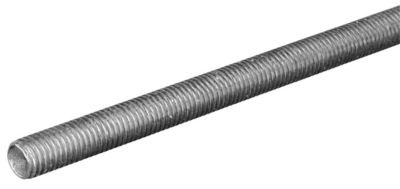
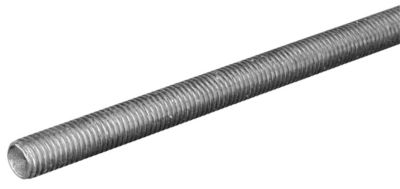
When choosing zinc plated screws, start with the material being fastened and the type of connection you need to make. Wood screws generally have a sharp point and deep, coarse threads designed to bite into lumber, plywood, and other wood products. Their thread pattern helps pull pieces together and hold securely, especially when the screw is the right length for the job without poking through the far side. Sheet metal screws are typically fully threaded with sharp points made to pass through thin metal or attach metal components to wood and other materials; use care with thin stock so the point and threads do not distort the material. Machine screws have a more uniform diameter and work with a nut or a tapped, threaded hole rather than cutting their own path into wood. The head style matters, too. A flat or countersunk head can sit flush when a smooth surface is important, while a pan or round head leaves the head above the workpiece for a different kind of fit. Drive style is worth considering if you’re working overhead, in a tight corner, or on a larger assembly. A drive that matches the bit snugly can reduce slipping, stripped heads, and the frustration of chasing a tiny screw across the floor. Check the diameter, length, thread type, head style, and drive recess before purchasing, and keep a few compatible driver bits close by. If the screw is going into hardwood, dense lumber, or a spot near the end of a board, drilling a properly sized pilot hole can help prevent splitting and make installation smoother. For softer wood, the right pressure and a steady hand may be enough, but a pilot hole still gives you more control when accuracy counts.
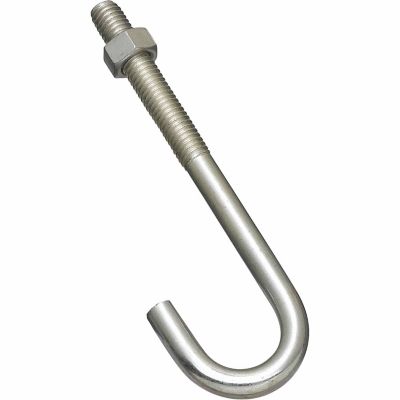
A bright zinc finish works well when you want fasteners to look neat without paying for a specialty material, and the silver color blends naturally with many metal brackets, hinges, hardware pieces, and shop fixtures. Some zinc finishes may have a yellow or darker tint, so appearance can be part of the selection when the fastener will remain visible. Before starting a project, lay out the parts and confirm that the screw head will seat properly, the length will provide enough thread engagement, and the fastener will not contact wiring, plumbing, glass, or another hidden obstruction. Avoid mixing fasteners casually in a connection that needs consistent strength, and don’t substitute a screw for a bolt when a structural joint calls for a through-fastener and nut. For larger connections,
Zinc Bolts may be a better fit, particularly when you need a bolt-and-nut assembly rather than a screw driven directly into the material. Store zinc plated screws in a dry container or divided organizer, away from fertilizer, feed dust, chemicals, and damp concrete floors. Sorting by size and style saves time when a gate latch loosens, a shelf needs reinforcement, or a small repair comes up during the cooler months. Keep the package information with the fasteners when possible, especially if you may need to match the same diameter or thread later. With the right size, a suitable drive, a sound installation surface, and realistic expectations about moisture exposure, zinc plated screws are a reliable everyday option for keeping projects, repairs, and routines moving along.