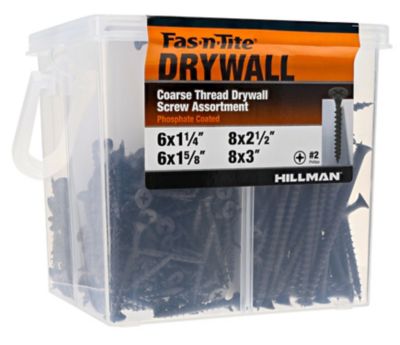
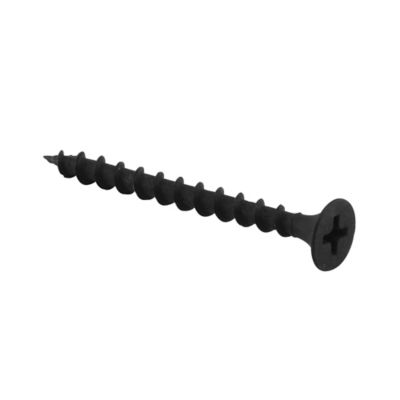
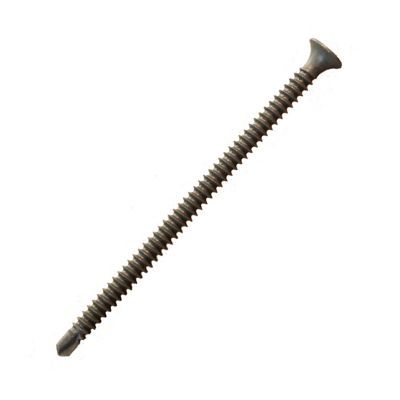
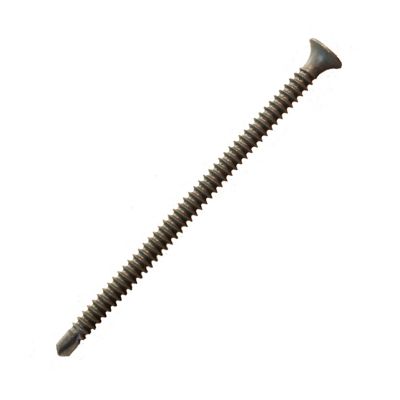
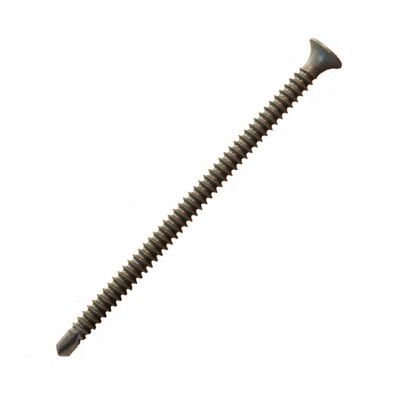
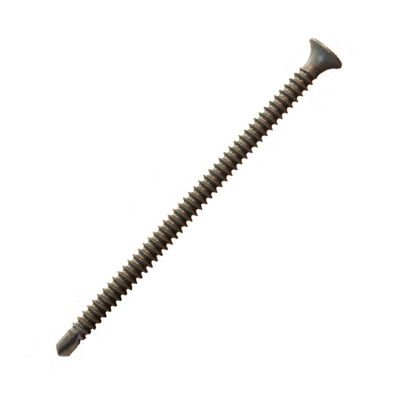
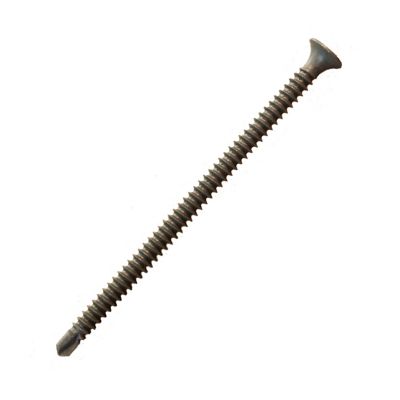
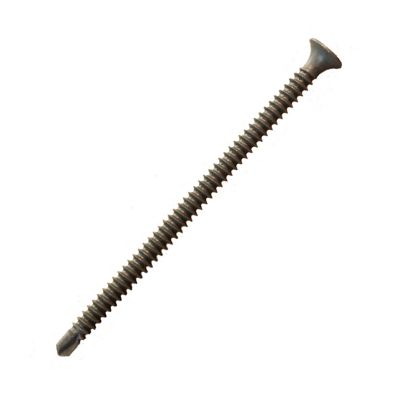
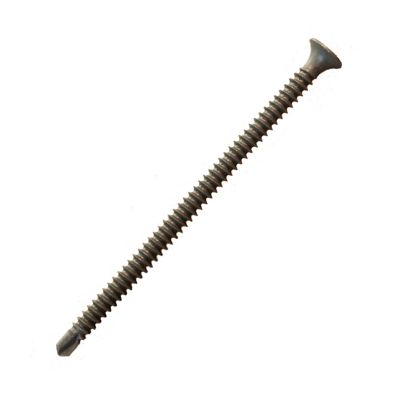
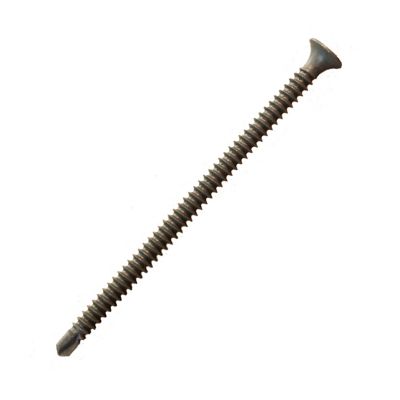
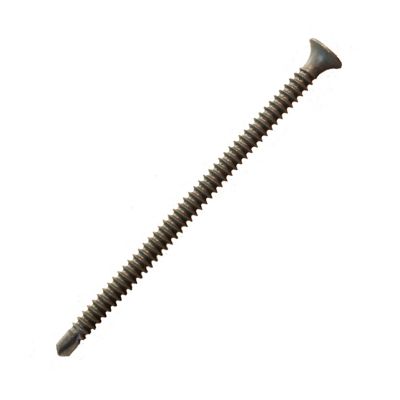
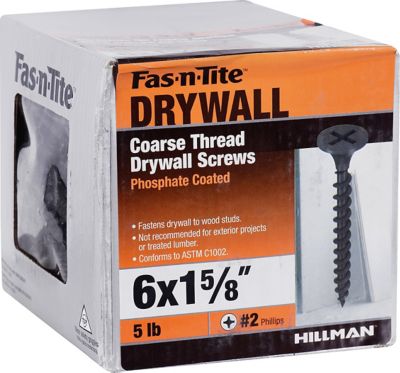
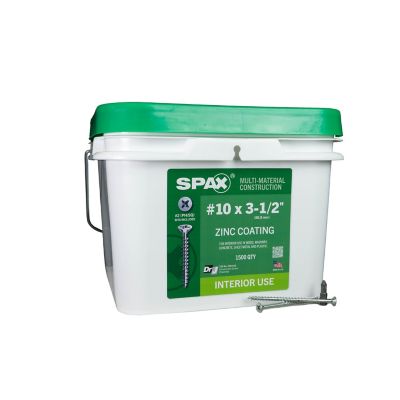
Bugle head drywall screws fasten gypsum wallboard to compatible wood or metal framing, with a curved underside that helps the head settle into the face of the board. That shape is the defining feature: rather than presenting a straight-sided cone beneath the head, the bugle profile makes a gradual transition from the shank to the wider head. When driven to the proper depth, it leaves a shallow recess for joint compound while keeping the surrounding paper facing intact. That paper matters because it helps the screw head hold the panel against the framing; a head driven through the facing can weaken that attachment. For homeowners finishing a spare room, contractors hanging ceiling panels, or property owners lining an enclosed workshop, these fasteners are a practical part of getting wallboard ready for taping and finishing. Many drywall screws have hardened steel construction and a black phosphate finish. The steel supports the strength needed for fastening drywall, while the phosphate treatment provides limited corrosion protection suited to the conditions stated by the manufacturer. A black finish alone does not establish suitability for damp locations or outdoor exposure. Thread style is another important distinction within this category. Coarse-thread drywall screws generally suit wood studs and joists, with wider thread spacing that grips the wood beneath the panel. Fine-thread drywall screws generally suit compatible light-gauge steel framing, where closer thread spacing helps secure the connection. The point also matters: sharp-point screws and self-drilling screws have different capabilities, and the framing thickness must fall within the fastener’s stated range. A screw intended to pierce thin steel is not automatically right for heavier metal. Matching the thread, point, and coating to the actual job makes more difference than choosing by head shape alone. Bugle heads serve the drywall surface, but everything below that head needs to suit the material behind it.
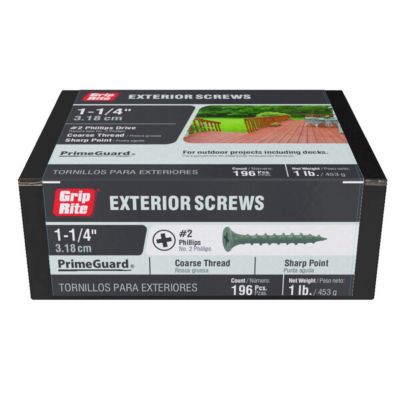
Length and diameter help determine how well bugle head drywall screws fit a particular wall or ceiling assembly. Screw length is measured from the top of the countersunk head to the tip, so the portion passing through the drywall counts toward the listed measurement. What remains must provide the required engagement with the framing, following the wallboard manufacturer’s instructions and any applicable building requirements. A single layer of 1/2-inch drywall, a thicker 5/8-inch panel, and a two-layer assembly do not present the same fastening needs. Added layers, channels, or other components can change the appropriate screw length and type. For example, 1-1/4-inch screws are a common choice for a single layer of 1/2-inch drywall over wood framing when the specified penetration requirements are met. Longer options, including
1-5/8-inch drywall screws, may suit thicker panels or assemblies that call for additional reach. Those examples are starting points for comparing dimensions, not substitutes for the fastening schedule of a particular assembly. Diameter is commonly expressed as a numbered screw size, such as #6 or #8; that number describes the screw’s size, not its length or the thickness of steel framing it can penetrate. A larger diameter or greater length is not automatically a better fit. Extra length does not correct the wrong thread pattern, and unnecessary reach can create concerns where utilities pass through framing. In a farmhouse remodel, for instance, fastening fresh wallboard over an existing layer requires a different assessment than hanging new panels directly on exposed studs. Ceiling work also deserves attention to the specified fastener spacing and attachment details, since the panels hang beneath the framing rather than resting against a wall. Fire-rated and sound-rated assemblies may specify fastener dimensions, spacing, and installation details as part of a tested system. The best match is the screw that fits those requirements, not simply the longest one in the toolbox.
Drive style and packaging format affect how bugle head drywall screws fit into the workday. A #2 Phillips recess is common, giving many of these screws compatibility with familiar driver bits and drywall screw guns. The recess still needs to match the bit precisely: a worn or poorly seated bit can slip, damage the drive, and make depth harder to control. Depth-setting equipment helps produce a consistent shallow dimple without pushing the head through the paper. That consistency is especially useful across a broad ceiling or a long workshop wall, where hundreds of fastening points will eventually sit beneath joint compound and paint. Loose screws fit ordinary fastening tasks, while collated screws are arranged on strips for compatible auto-feed equipment. Strip design, screw length, and tool compatibility all matter with collated formats; matching the drive recess alone is not enough. For repair work, a manageable quantity of the correct fasteners can serve a small drywall patch or replacement panel, while larger wallboard jobs call for quantities based on panel layout and the required fastening schedule. Storage is straightforward but worth a little care. Drywall screws belong in a dry container, separated by length and thread type so a fine-thread screw does not end up mixed into a wood-framing job. Screws showing corrosion, damaged threads, bent shanks, or worn drive recesses can interfere with a sound connection. Long-term performance also depends on keeping these fasteners within their intended role. Hardened drywall screws can be brittle compared with fasteners engineered for structural connections, so they are not a stand-in for structural wood screws, deck screws, or bolts. Their familiar shape can make them tempting for every loose board around the place, but drywall attachment is their purpose. Cement board, treated lumber, exterior projects, and persistently damp areas call for fasteners specifically approved for those materials and conditions. With the right framing match, dimensions, and installation depth, bugle head drywall screws provide secure panel attachment and a recessed head that is ready for a smooth wallboard finish.