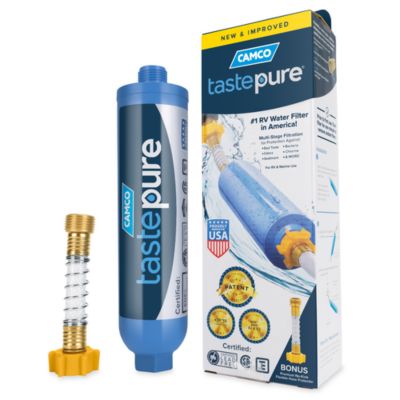
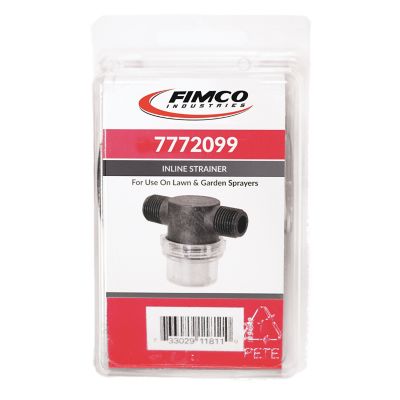
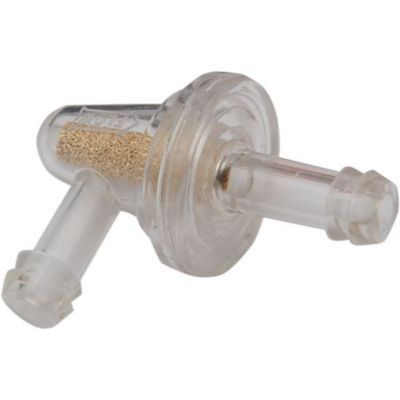
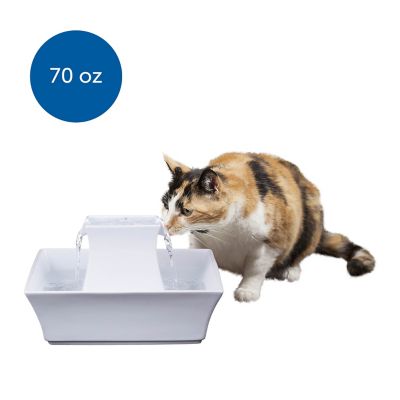
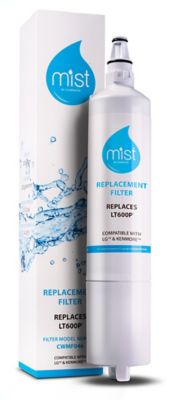
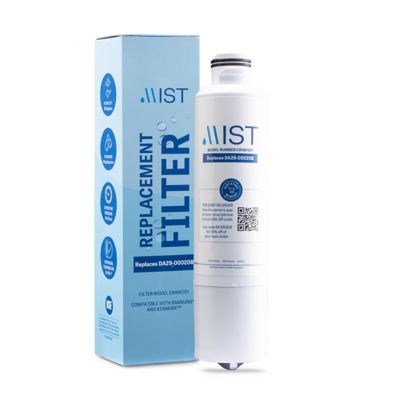
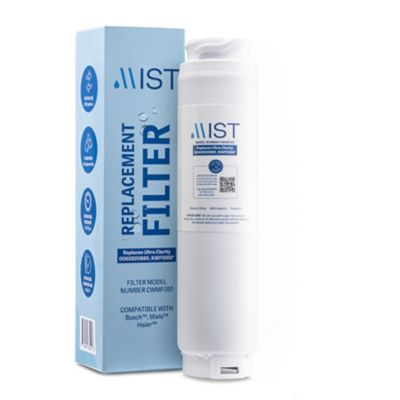
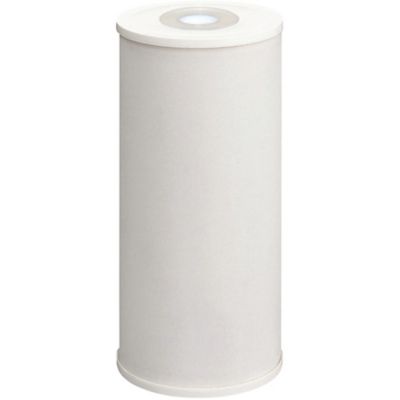
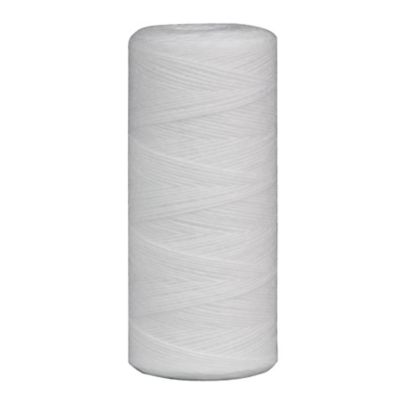
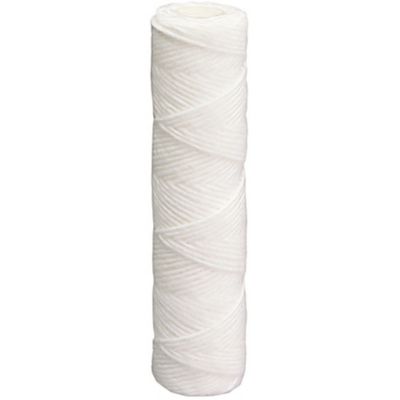
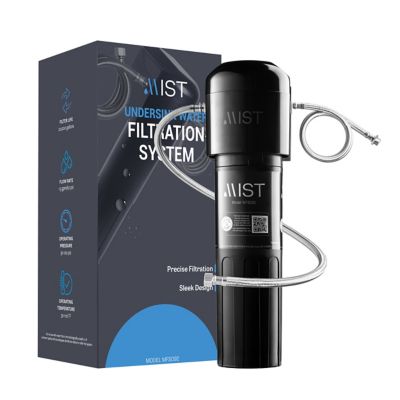
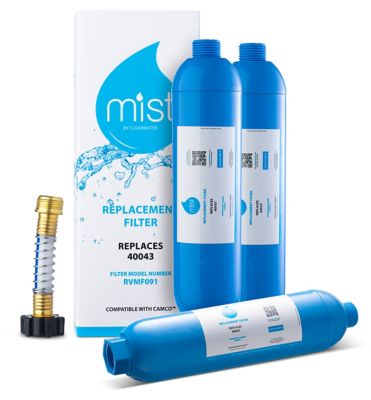
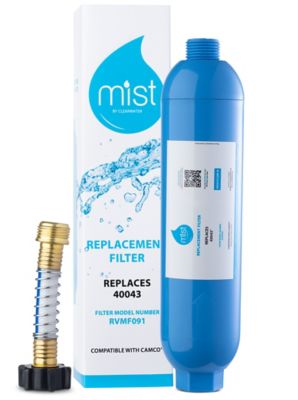
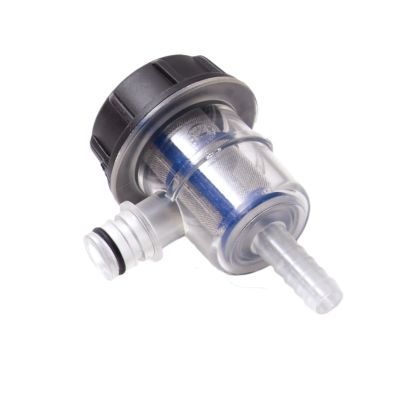
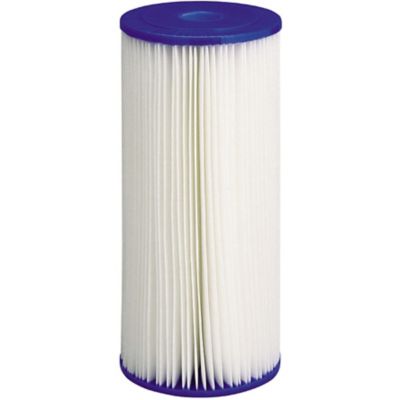
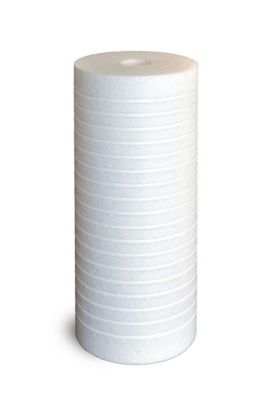
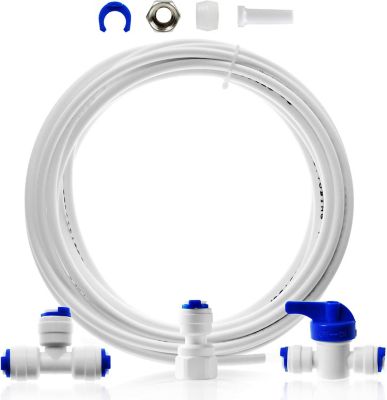
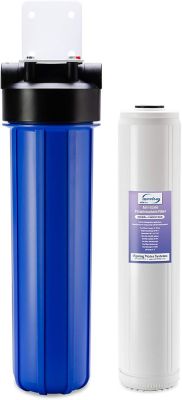
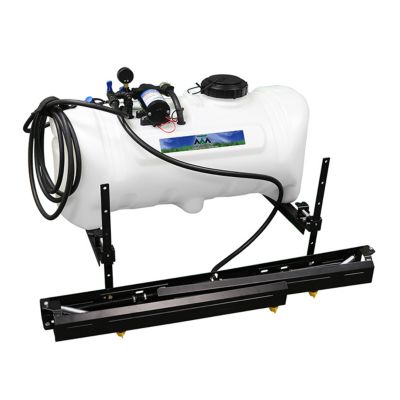
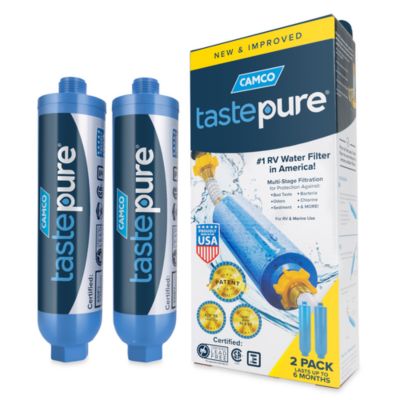
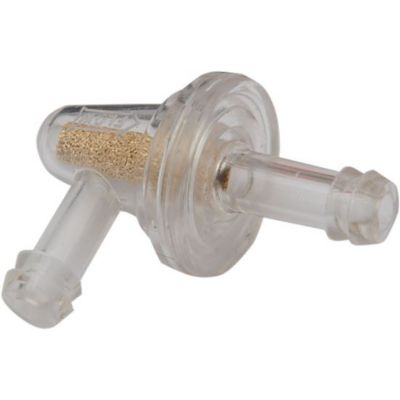
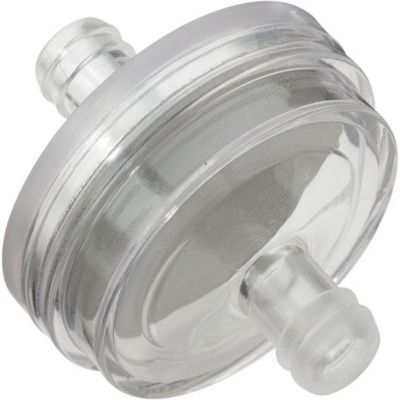
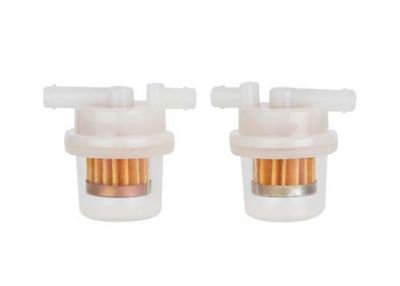
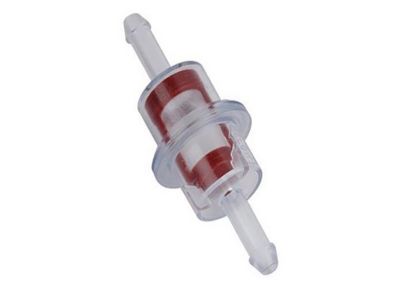
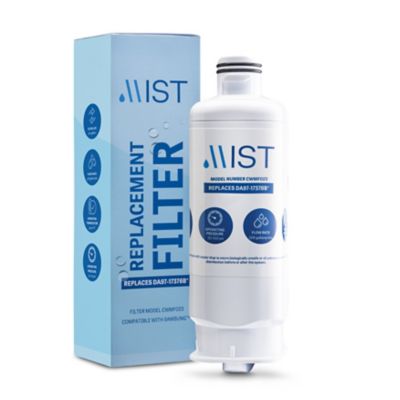
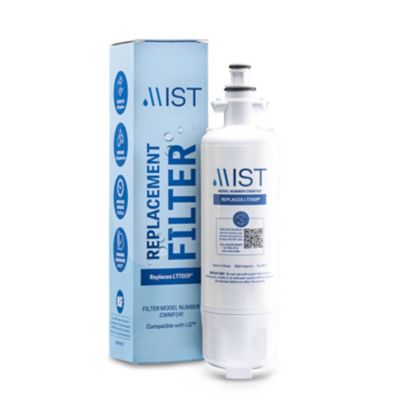
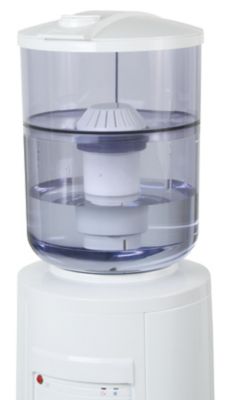
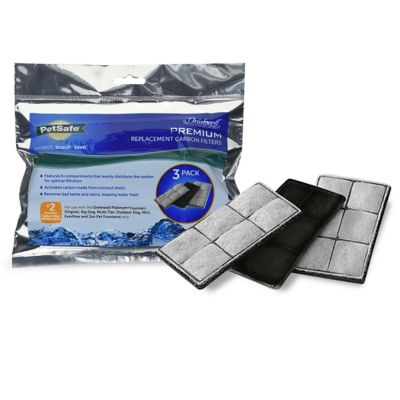
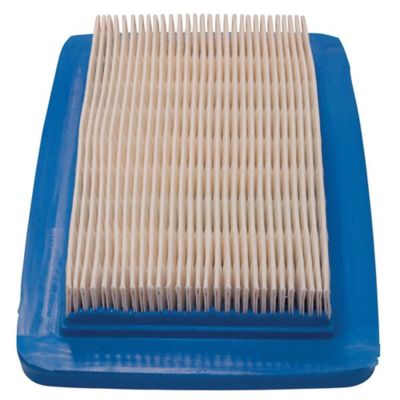
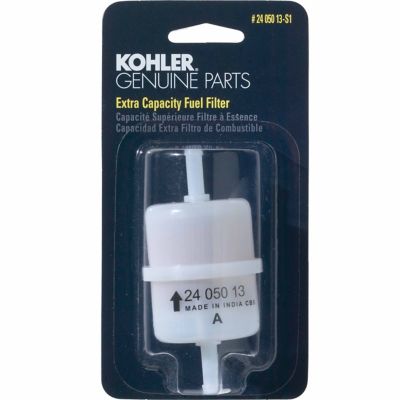
Inline filters are compact, self-contained filters that install directly in a fluid, fuel, oil, water, or air line. Instead of requiring a large separate filter housing, an inline filter lets the material flow straight through a small body while an internal screen, mesh, porous element, or carbon core catches unwanted particles. Clean liquid or air continues down the line, while grit, rust flakes, dust, scale, moisture, and other contaminants stay behind in the filter element. These handy filters are used around farms, shops, barns, garages, homes, and equipment sheds wherever a clean supply helps protect the next part in the system. A water line may use an inline filter to improve the quality of water reaching a drinker, appliance, or cleaning station. A fuel line filter can help keep sediment away from a carburetor or fuel injector. Hydraulic and oil systems may need protection from fine debris that can wear seals, valves, and moving parts. Compressed air lines can also benefit from filtration that captures dust, oil mist, or moisture before air reaches a tool or piece of equipment. The right choice depends on the material moving through the line and the job the filter needs to do. Start by identifying whether the application uses water, fuel, oil, hydraulic fluid, air, or another compatible medium. Filter housings and elements are made from different materials, and a filter designed for clean water may not be suitable for fuel, high-pressure oil, or compressed air. Check the manufacturer’s stated compatibility, pressure rating, temperature range, and intended use before installation. Port size and connection style matter, too. A filter with the wrong thread, hose barb, quick-connect end, or tubing size may leak, restrict flow, or require extra adapters. Taking a measurement of the existing line and checking the available space around the connection can save a trip back to the parts counter. Inline filters are often useful in tight spots behind equipment, beneath a sink, near a pump, or along a line that runs through a crowded engine compartment, but the filter still needs enough room for inspection and replacement.
Choosing the proper filtration level is another important part of the process. A coarse screen is useful for catching larger pieces of dirt, leaves, rust, or scale before they reach a pump or valve. Finer filtration captures smaller particles, but it may also slow the flow more quickly as debris builds up. Micron ratings describe the approximate size of particles a filter is designed to capture, with a lower micron number generally indicating finer filtration. A 100-micron screen and a 1-micron filter serve very different purposes, and neither one is automatically the best choice for every line. Match the rating to the equipment’s needs and the cleanliness of the incoming supply. A well point, stock tank, fuel can, old plumbing line, or dusty shop environment may introduce more contamination than a clean municipal water line or sealed air system. Flow rate is just as important as particle size. Pumps, sprayers, pressure washers, heaters, livestock watering equipment, and pneumatic tools all require enough flow to work properly. An overly fine or undersized filter can cause pressure loss, weak spray, slow filling, or extra strain on a pump. If the system already has a recommended filter rating, flow requirement, or replacement schedule, use those details as a starting point. Some inline filters are disposable and replaced as a complete unit, while others have a cleanable screen or replaceable element. A clear housing can make it easier to see collected debris, though all filter bodies should be checked for cracks, clouding, swelling, or other signs of wear. Install the filter in the direction shown by the flow arrow, keep fittings snug without overtightening, and support the line so the filter is not hanging from a hose or pipe. Shut off power and pressure before servicing, relieve trapped pressure safely, and use the correct seals or gaskets for the application. During the cooler months, take extra care with water-filled lines in unheated sheds, barns, and outbuildings, since freezing can damage housings and fittings. A quick inspection before storing seasonal equipment can prevent a small filter issue from turning into a leak when the system starts up again.
Inline filters are a practical choice for property owners, farmers, ranchers, mechanics, gardeners, do-it-yourself repairers, and anyone who maintains equipment instead of waiting for a problem to show up in the field. They can help protect expensive downstream components and make routine maintenance easier by placing filtration close to the point where it is needed. A pump moving water from a tank, pond, cistern, or well may benefit from a properly sized pre-filter that keeps larger debris out of the pump and supply line. For pump-related applications, shoppers can also browse
Pump Filters to compare options suited to equipment that moves water or other fluids. In the shop, an inline filter can help keep air tools and spray equipment supplied with cleaner, drier air when paired with the right moisture and oil-control setup. Around the homestead, a filter may be used on a small water line, an animal watering system, an irrigation run, or a piece of equipment that sees heavy use during planting, feeding, cleaning, or harvest. These products can make useful gifts for a new landowner, a neighbor who enjoys keeping old machinery running, or a handy friend who always has a hose, compressor, or pump project underway. The best gift is one matched to a known application, since filter size, connection type, media, and micron rating vary widely. Keep a note or photo of the existing filter and its markings when shopping for a replacement, and pay attention to signs that service is due, such as reduced flow, rising pressure before the filter, sputtering, visible sediment, unusual pump noise, or a tool that no longer performs as it should. Regular inspection is especially worthwhile when water sources are muddy, fuel has been stored for a long stretch, or equipment has been working around dust and loose soil. A properly chosen inline filter will not replace good storage, clean containers, or routine system maintenance, but it adds a useful layer of protection where contaminants can cause costly trouble. With the correct size, rating, material, and connection, an inline filter quietly does its job in the background, helping lines stay cleaner and sensitive equipment keep working through changing chores and cooler weather.