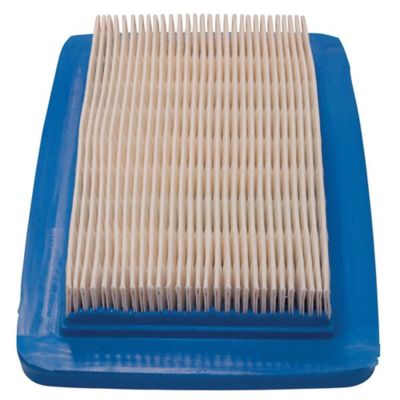
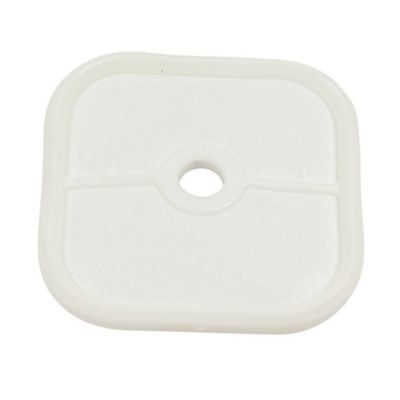
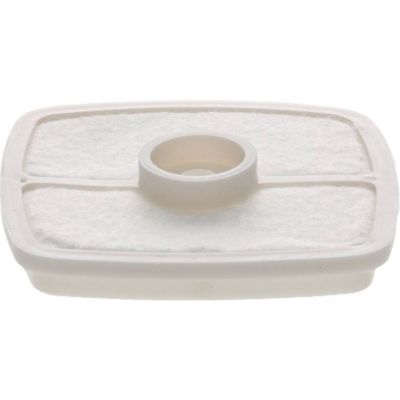
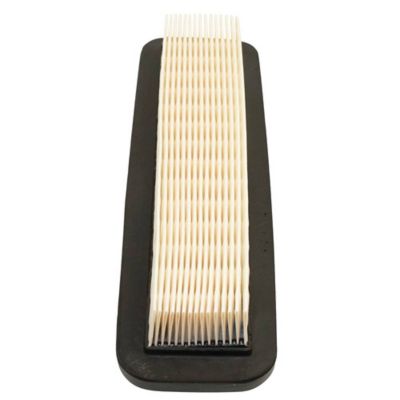
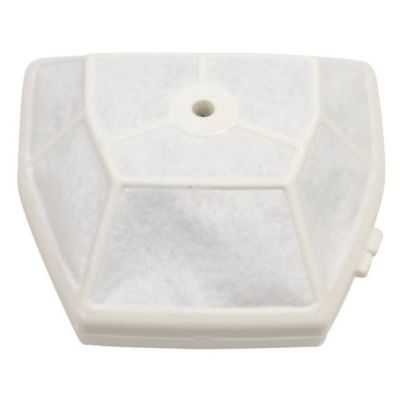
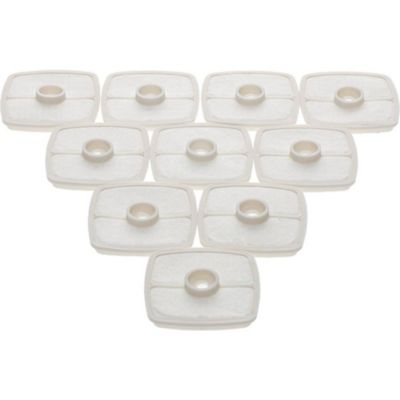
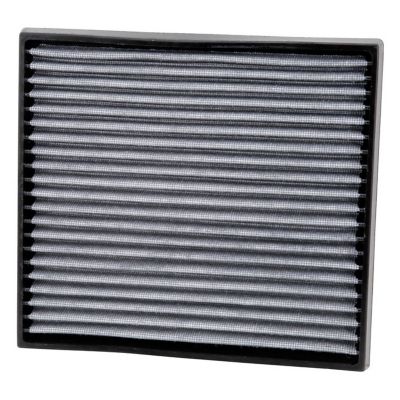
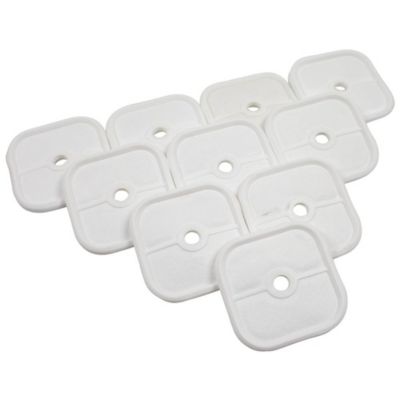
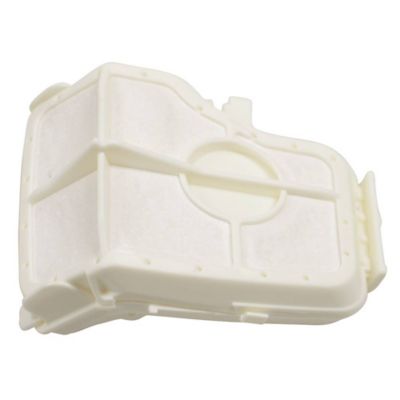
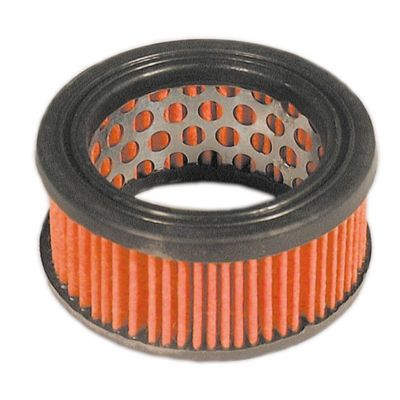
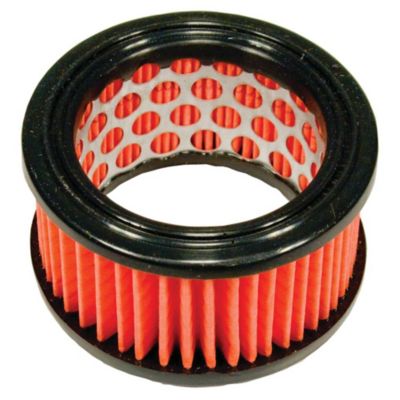
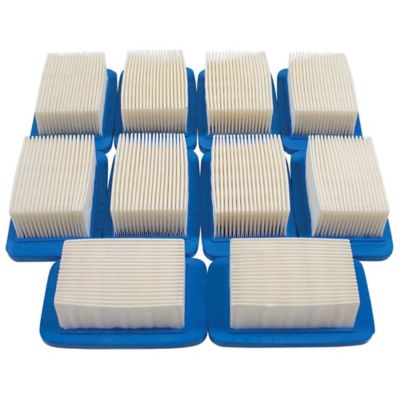
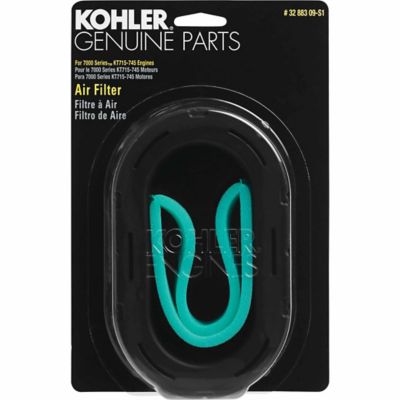
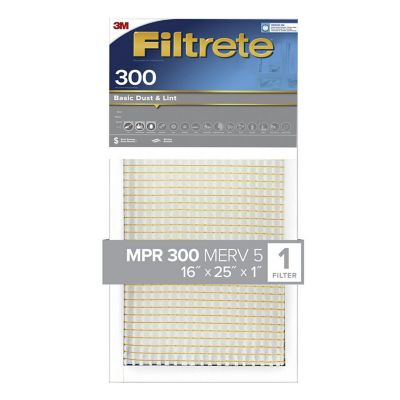
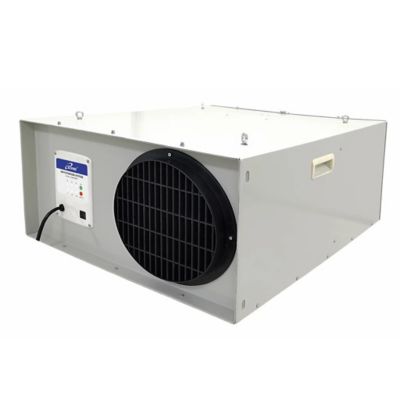
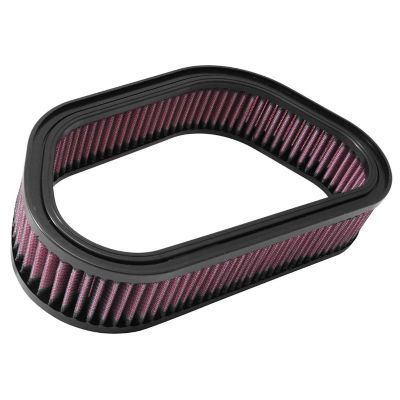
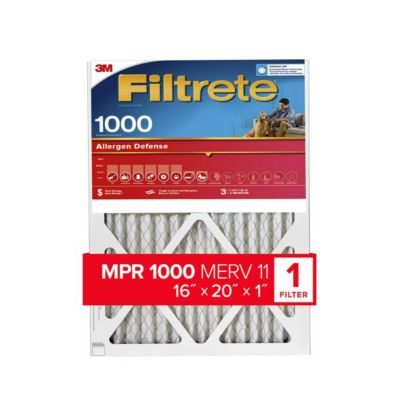
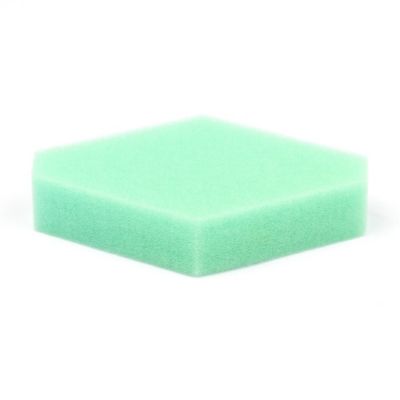
Air filters for outdoor power equipment play a small part in a big job: keeping dirt, grass clippings, sawdust, and other fine debris out of the engine’s air intake. A clean filter helps the engine breathe properly, which supports steady starting, dependable power, and efficient fuel use while you trim fence lines, clear leaves, cut firewood, or tidy up around the barn. When the filter becomes packed with dust or coated with oily residue, the engine may run rich, lose power, smoke, or struggle to stay running. In dusty fields, dry pastures, gravel drives, and tall grass, that buildup can happen faster than many folks expect. Replacing a worn or dirty filter is a straightforward way to help protect the carburetor, cylinder, and other internal engine parts from the tiny particles that cause premature wear. The right replacement filter should match the exact equipment model and filter housing, so check the model number stamped on the tool or listed in the owner’s manual before ordering. Even equipment that looks similar from the outside can use a different filter shape, thickness, mounting style, or sealing edge. Comparing the old filter with the product details can also help confirm the fit, especially when replacing a filter on a string trimmer, blower, chainsaw, edger, or other gas-powered outdoor tool. For a wider selection of replacement options, visit
Shop Air Filters. Choosing the proper fit helps the filter sit snugly in place without gaps, keeping unfiltered air from sneaking around the edges and into the engine.
Before selecting an air filter, consider how and where the equipment is used. A homeowner who trims a small yard a few times each season may need less frequent replacement than someone maintaining several acres, clearing brush along a long driveway, or running equipment around a livestock operation. Dry conditions, freshly mowed grass, dusty construction areas, and piles of leaves can all put extra debris in the air. Foam filters are often washable or reusable when the manufacturer allows cleaning, while paper or pleated filters are generally replaced when dirty, damaged, wet, or too clogged to clean safely. Some equipment uses more than one filter layer, such as a foam pre-filter wrapped around or positioned near a primary filter. Each part has a job, and leaving out one layer can reduce protection even when the engine still starts. Look for filters with the correct dimensions, sturdy construction, and a dependable seal around the perimeter. A filter that is crushed, torn, brittle, oil-soaked, or misshapen should not be put back into service. It is also smart to inspect the air filter before extended work during the warmer growing season and again as leaves, chaff, and winter debris begin collecting around the property. A quick look with the cover removed can reveal a gray, dusty surface, clumps of grass, or damage from age. Follow the equipment maker’s cleaning instructions, avoid brushing or blowing delicate paper media aggressively, and keep the filter area closed and clean during installation. Store replacement filters in a dry place away from fuel, oil, and direct weather. Keeping a spare on the shelf can save a trip to town when a job is waiting and the old filter is too dirty to use.
These replacement air filters are useful for anyone who depends on outdoor equipment to keep a property in shape, from homeowners and weekend gardeners to landscapers, acreage owners, maintenance crews, and farmers working around sheds, lanes, and pasture gates. They can also make a practical addition to a tool-room restock or a thoughtful gift for someone who enjoys caring for their own land. Air filters are easy to overlook because they are tucked under a cover, but they are part of routine engine care just like fresh fuel, a sharp cutting chain, or a properly mixed supply of two-cycle oil. If a tool has been sitting through damp weather or a long stretch of storage, inspect the filter before starting a demanding job; moisture, insects, and settled dust can all create trouble. During the cooler months, a clean filter helps equipment perform more consistently when clearing storm debris, cutting kindling, or handling late-season cleanup. Replacement timing depends on the filter type, operating conditions, and the equipment maker’s service schedule, but frequent inspection is a sound habit, and many filters should be replaced at least once a year or sooner when they show wear. Matching the filter to the exact model remains the most important step, followed by checking that the cover, clips, and gasket are seated correctly. With the right filter in place, routine maintenance takes only a few minutes and helps keep dependable equipment ready for the next stretch of work, whether that means trimming around a mailbox, blowing leaves from a porch, or clearing a rough path after a windy day.