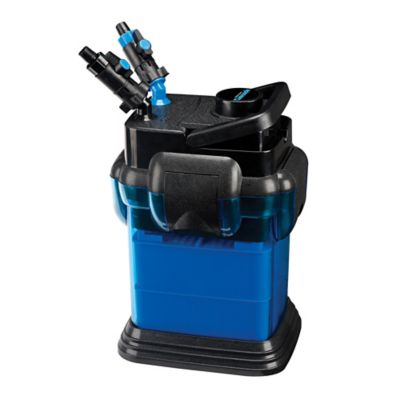
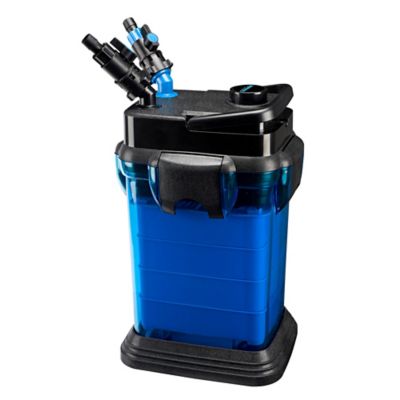
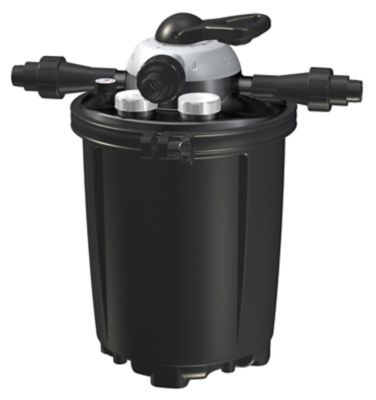
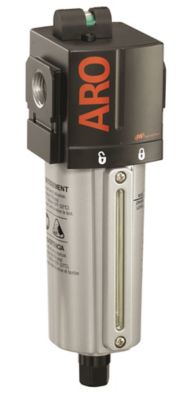
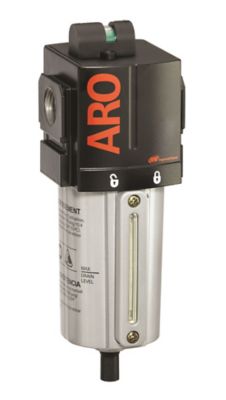
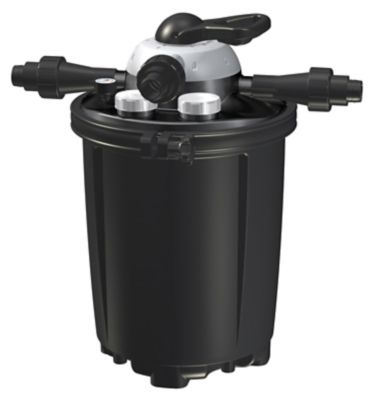
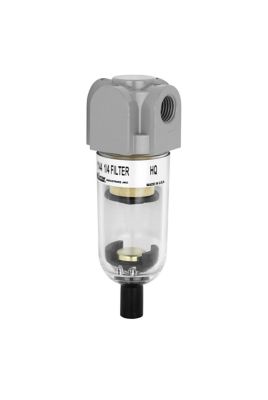
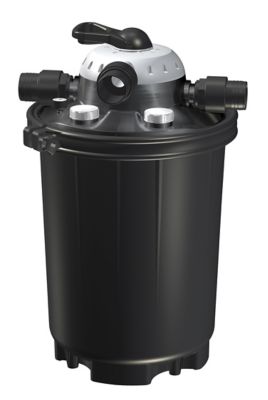
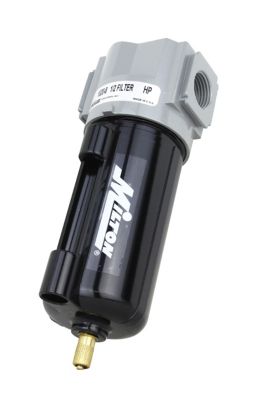
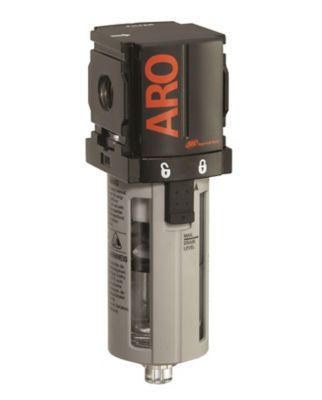
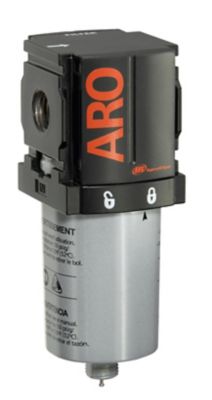
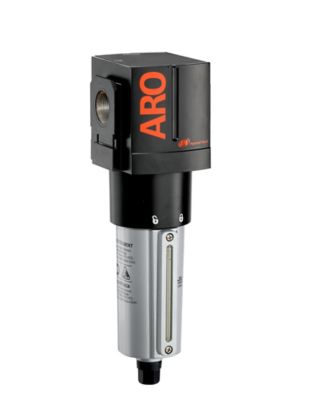
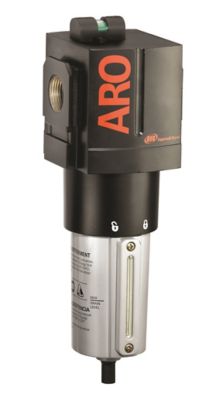
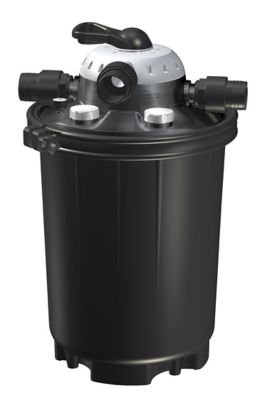
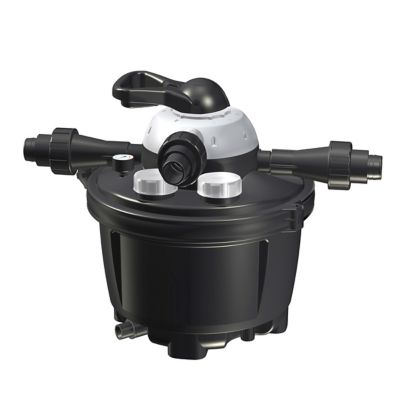
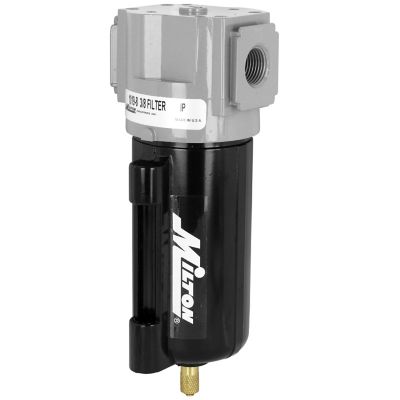
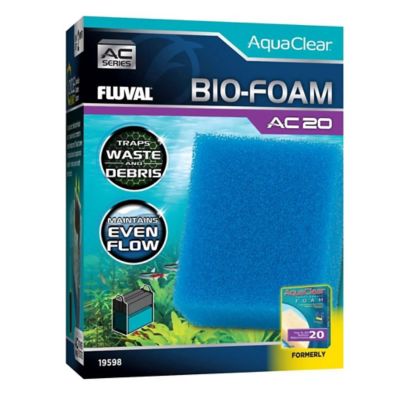
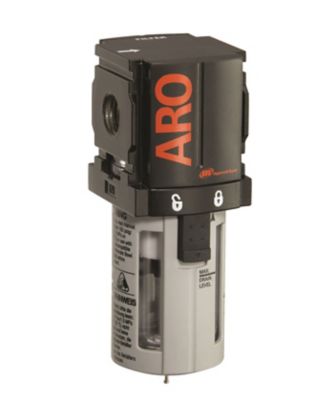
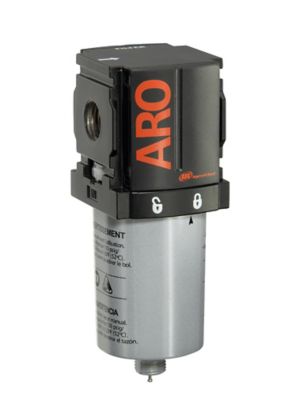
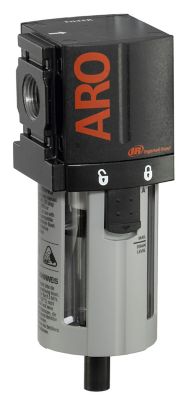
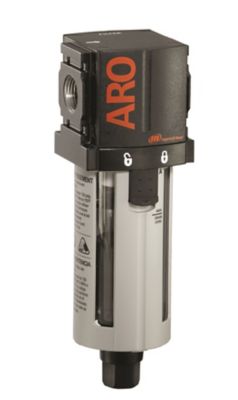
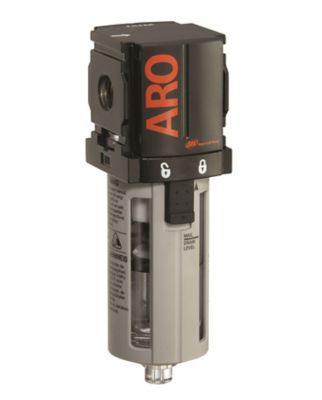
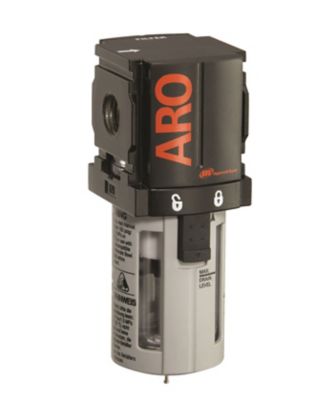
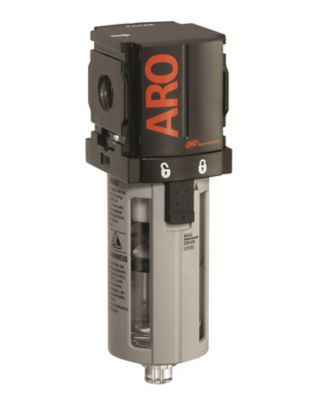
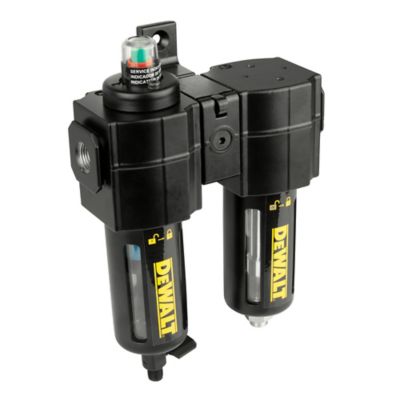
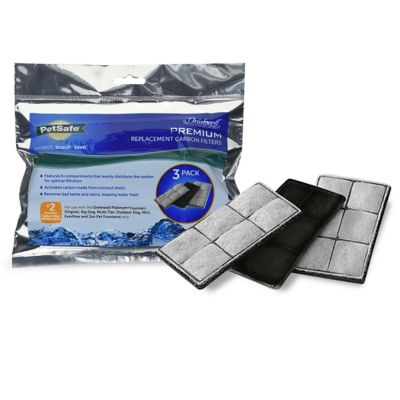
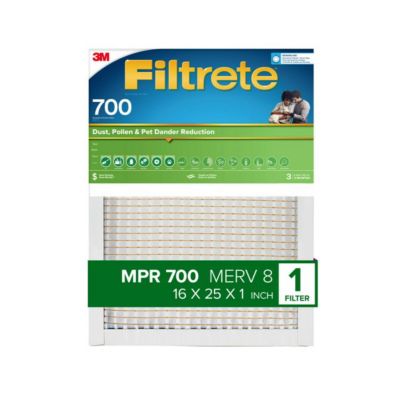
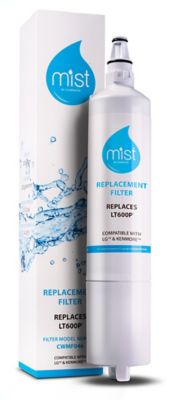
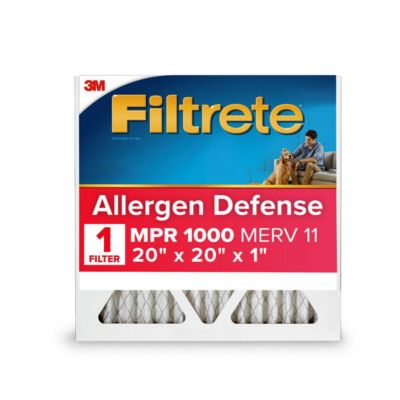
Mechanical filters are designed to physically catch solid particles before those particles move farther through a liquid or air system. Water, air, or another fluid passes through a porous material such as mesh, foam, paper, fabric, or a perforated screen, while debris larger than the openings is held back. This simple process is called size exclusion, and it helps remove visible dirt, dust, sand, rust, hair, plant matter, uneaten food, and other floating or suspended waste without changing the chemical makeup of the fluid. Mechanical filtration is often the first line of defense in a system because it keeps larger debris from reaching pumps, valves, heaters, spray nozzles, fans, and finer filtration stages. In an aquarium or pond, a mechanical filter can collect fish waste, leaves, and leftover feed before that material breaks down and affects water quality. In a home, workshop, barn, or outbuilding, air filtration can help trap dust, pollen, pet hair, and other airborne particles before they circulate through the space. For well water, irrigation lines, and plumbing systems, a screen or sediment filter can catch sand, grit, rust flakes, and coarse dirt before they make their way to faucets or equipment. Shoppers comparing mechanical filters will get the best results by starting with the system they need to protect, the type of debris they are trying to capture, and the amount of flow the filter must handle. A filter meant for a small water feature may have very different flow and cleaning needs from one used on a household water line or a large air-handling system. Checking the filter’s size, connection style, housing dimensions, flow rating, and compatibility with the existing setup can save time during installation. It also helps to look at the filter’s micron rating when one is provided. A lower micron rating generally means smaller particles can be captured, but a finer filter may clog more quickly or restrict flow sooner when the system is carrying a heavy load of sediment. A coarser screen may be a better choice for muddy water, leaf debris, or a dusty work area where dependable flow matters more than catching very fine particles.
Routine care is a big part of getting useful service from any mechanical filter. As dirt collects on the media, the open spaces available for air or water become smaller, and the system may have to work harder to maintain normal flow. Signs of a loaded filter can include reduced water pressure, a slower return flow, a dusty room, unusual strain from a pump or fan, cloudy aquarium water, or debris collecting in places that were previously clean. Some filter media can be rinsed, brushed, shaken out, or washed according to the manufacturer’s instructions, while other media is intended for replacement once it becomes packed with dirt. Cleaning methods matter: using overly strong water pressure, harsh chemicals, or the wrong temperature can damage fibers, seals, screens, or delicate surfaces. It is wise to shut off power or water flow before servicing a filter, relieve pressure where needed, and keep a spare on hand for busy seasons. Households with pets, livestock, wood-burning heat, gravel drives, or ongoing home projects may go through filter media faster because dust and hair are constantly finding their way into the air. Rural properties can also see heavier sediment loads after dry spells, storms, well work, field activity, or changes in groundwater conditions. A quick look at the filter at regular intervals is often more useful than waiting for a noticeable problem. For water systems, keeping a clean container nearby can make it easier to inspect sediment and compare what the filter is catching over time. For air systems, holding a used filter next to a new one can show just how much dust has been removed. Anyone shopping for
Home Filters can use the same practical approach: match the filter to the equipment, measure carefully, and choose a design that is easy to access when cleaning or replacement time comes around. Mechanical filters are also useful additions for property owners who want to protect newer equipment, reduce buildup in hard-to-reach lines, or make routine maintenance more manageable.
The right mechanical filter depends on the job, but the goal stays the same: catch unwanted solids early and keep the rest of the system working as it should. Aquarium keepers may value media that provides plenty of surface area for collecting waste and can be serviced without disturbing fish or plants. Pond owners may focus on handling leaves, algae, and heavier outdoor debris while maintaining steady circulation. Homeowners with well water may give more attention to sediment capacity, pressure loss, clear housings, shutoff access, and whether the filter can be cleaned without taking the whole line apart. In heating, cooling, ventilation, and workshop applications, fit and airflow are especially important, since an incorrectly sized filter can leave gaps or make a fan work harder than necessary. People with pets, dusty hobbies, or a busy mudroom may appreciate a replacement filter as a practical household gift, while a new aquarium keeper, gardener, homesteader, or do-it-yourself property owner may find a properly matched filter useful as part of a larger setup. Filters are not a cure for every water or air quality concern, and mechanical filtration does not remove dissolved chemicals, odors, or microorganisms unless it is paired with other treatment methods designed for those issues. Even so, it is an important first step for handling solid debris and protecting downstream equipment. During the cooler months, indoor air systems may run for longer stretches, while outdoor ponds, livestock areas, and well equipment may face changing moisture and sediment conditions. Keeping replacement media, basic tools, and service instructions together in a dry, easy-to-reach place makes seasonal maintenance less of a chore. Whether the job involves a home, barn, workshop, aquarium, pond, or water line, a well-chosen mechanical filter can help keep dirt where it belongs, improve system reliability, and make everyday upkeep a little easier.