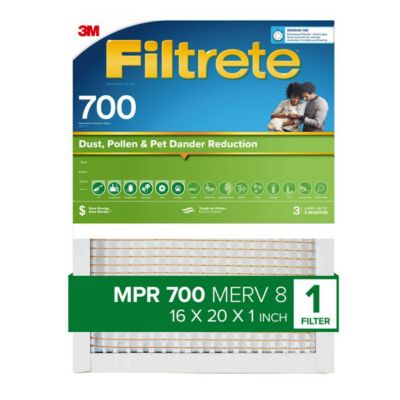
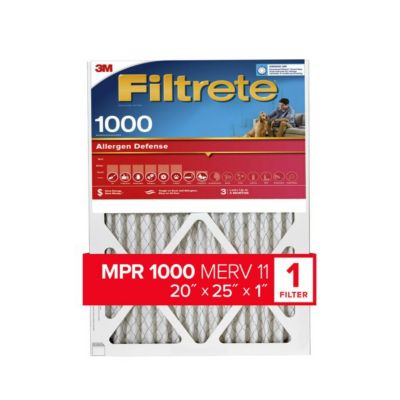
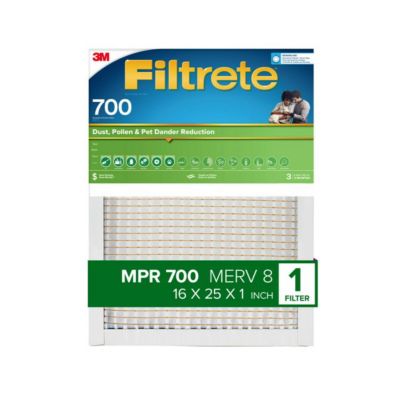
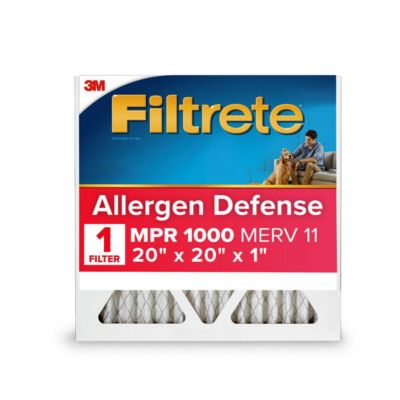
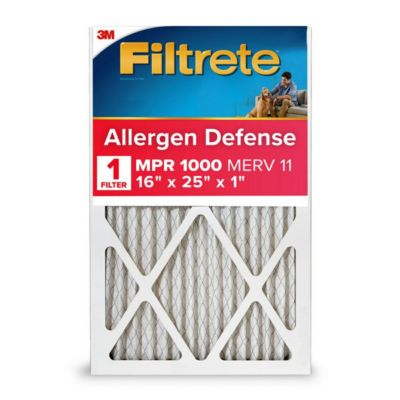
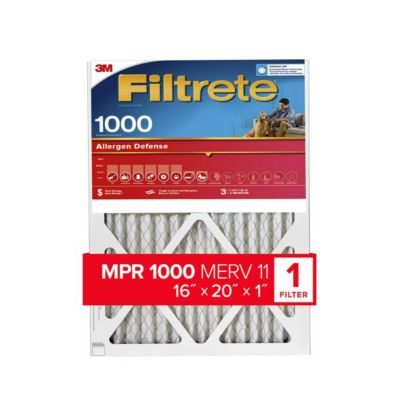
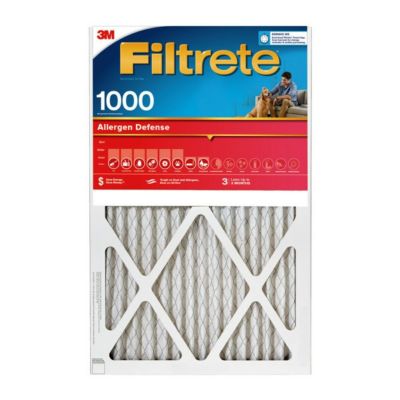
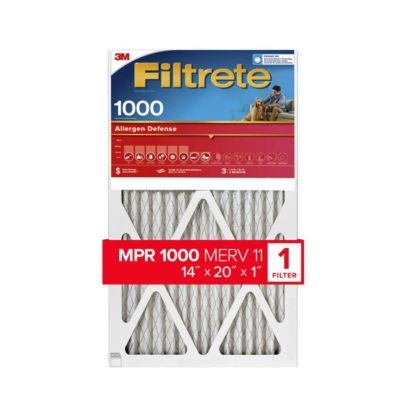
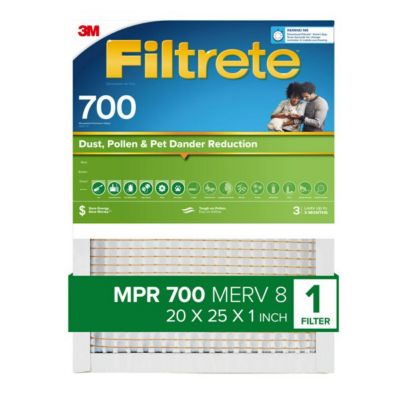
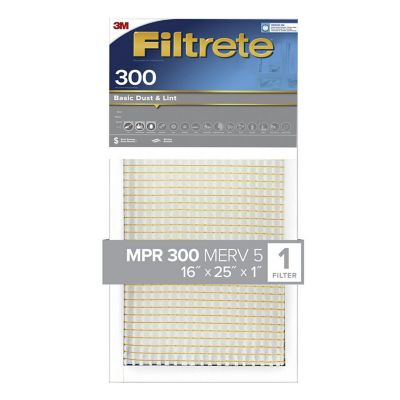
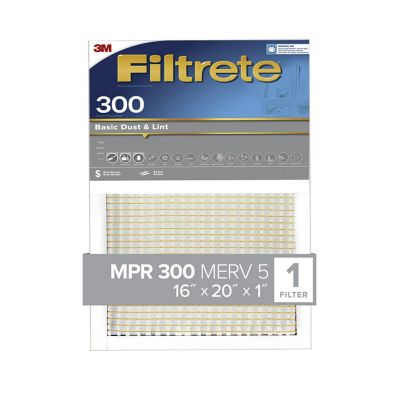
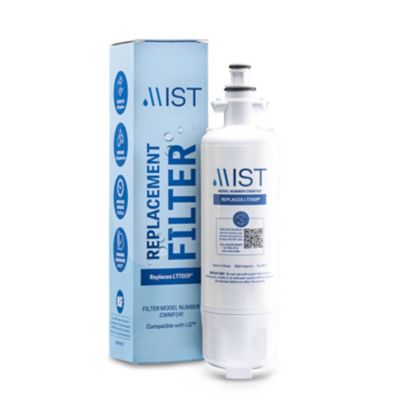
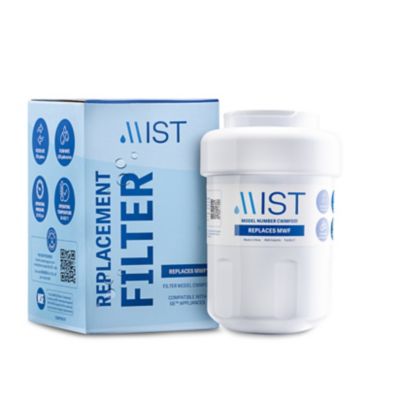
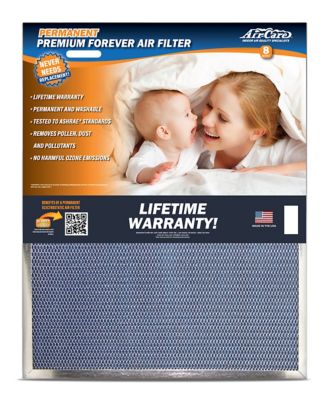
Home filters help keep the places where you live, work, and care for your family more comfortable. For many households, “home filters” means HVAC air filters that sit in a return-air grille, furnace, or central air system. These filters catch dust, pollen, pet dander, lint, and other airborne particles before they move through your ductwork and back into your rooms. A clean filter also helps protect the blower and other equipment from a heavy layer of buildup. That can matter in a busy farmhouse, a house with shedding dogs, or any home where boots, bedding, and everyday chores bring in plenty of dust. Start by checking the size printed on the old filter or the filter slot, including its length, width, and thickness. A filter that is too small can let air slip around the edges, while one that is too thick may not fit or may restrict airflow. The filter’s efficiency rating matters, too. MERV 8 is a common choice for standard residential systems and offers useful protection without putting extra strain on many older, single-speed blowers. Higher ratings, such as MERV 11 through MERV 13, can capture smaller particles, including more fine dust, smoke, and pet allergens, but they should be used only when the HVAC manufacturer or a qualified technician says the system can handle the added resistance. A powerful filter is not automatically the best fit if it makes the system work harder, reduces airflow, or causes the unit to run poorly. Households with pets, allergies, wood-burning stoves, dusty workshops, or nearby farm fields may want to inspect filters more often than the usual replacement schedule. In a one-inch filter slot, checking every 30 days and replacing about every 60 to 90 days is a practical starting point, while homes with little dust and limited use may go longer. Deeper four-inch media filters often last roughly six to 12 months, though the right interval depends on household conditions, equipment use, and the filter itself. Hold the filter up to a light during an inspection; if the surface is gray, fuzzy, or packed with debris, it is time to change it. Marking the replacement date on the frame or keeping a spare on hand can make this small chore easier to remember during the busy stretch of mowing, hauling, school routines, and cooler-weather heating.
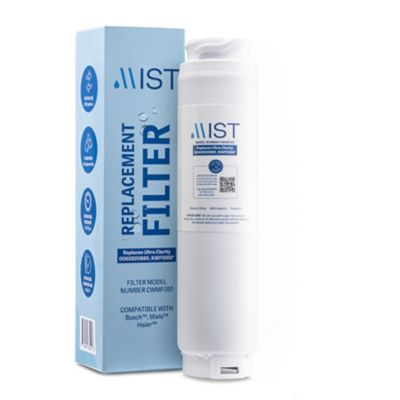
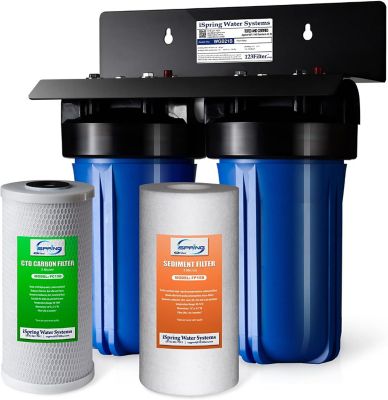
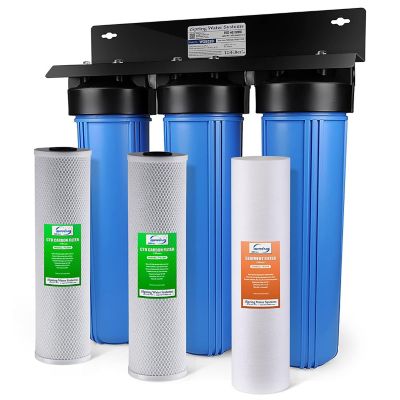
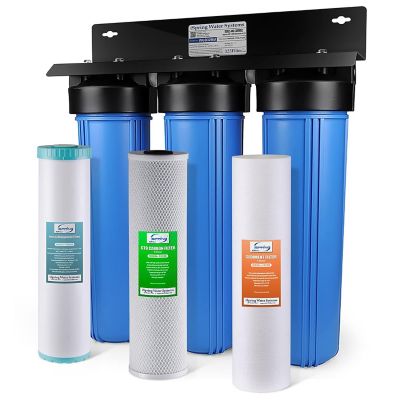
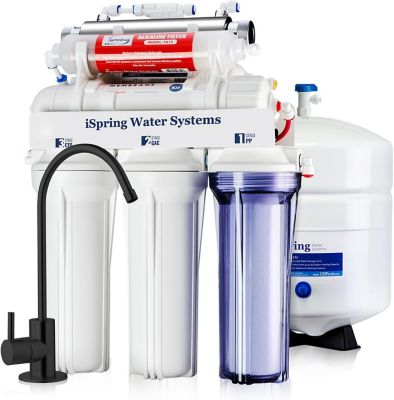
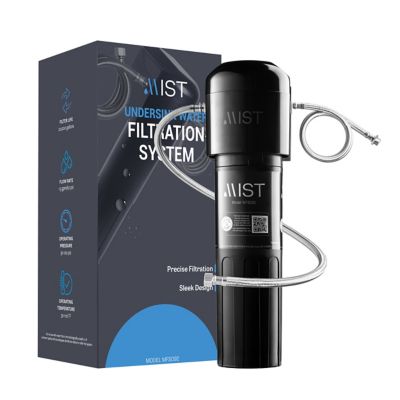
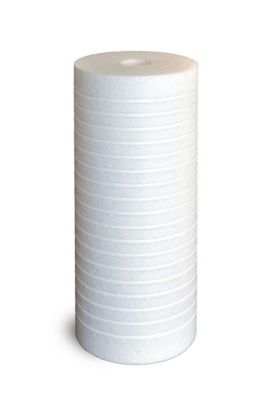
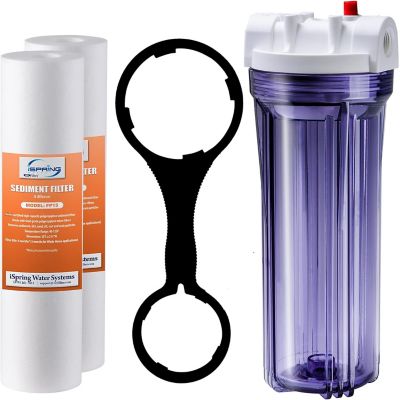
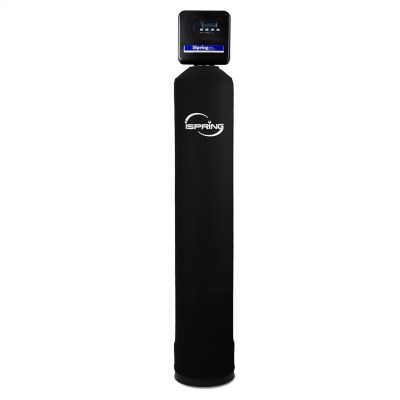
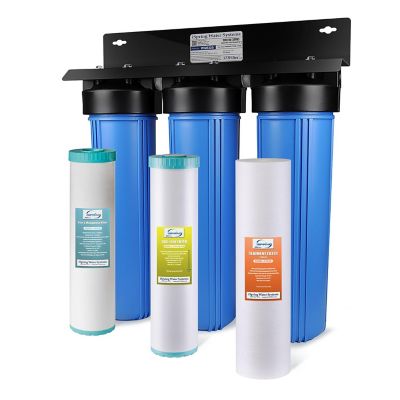
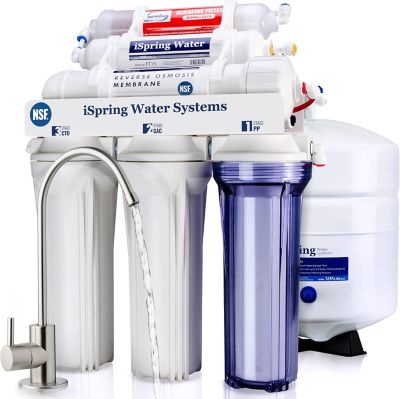
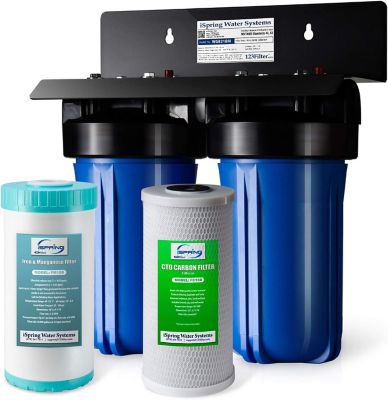
Home filters can also refer to whole-house water filtration, which treats water as it enters the plumbing instead of filtering only one faucet. A whole-house system is installed on the main water line so treated water can reach sinks, showers, tubs, laundry areas, ice makers, and water-using appliances throughout the home. These systems are especially useful for rural properties with private wells, older homes with aging plumbing, or households dealing with sediment, rust-colored particles, chlorine taste, or unpleasant odors. The right setup depends on what is in the water, so a water test is a smart first step before choosing replacement media or a complete filtration arrangement. Sediment filters act like a fine screen, catching physical material such as sand, dirt, silt, and rust flakes. They are often an important first stage for well water and can help keep later filter stages from clogging too quickly. Activated carbon filters are commonly used to reduce chlorine, earthy or chemical odors, and certain organic compounds that affect taste and smell. Multi-stage systems combine different types of filtration so each stage handles a particular job, while single-cartridge housings can offer a simpler option for households with more basic needs. When shopping for replacement cartridges, match the cartridge length, diameter, connection style, micron rating, and flow requirements to the existing housing. A tighter micron rating may catch smaller particles, but it can also require more frequent replacement if the water carries a heavy sediment load. Look at the system’s rated capacity and the number of people using the water, especially in a home with several bathrooms, livestock chores, frequent laundry, or seasonal guests. Water pressure is another practical consideration; a filter that is badly clogged can reduce flow at showers and faucets. Homeowners who need replacement options for a main-line system can browse
Whole House Water Filter Cartridges and compare the specifications with their current setup. Keep in mind that filtration is different from disinfection or water softening. Some filters improve taste and remove sediment, while other water concerns may call for testing, softening equipment, ultraviolet treatment, or professional advice.
Choosing home filters is easier when the filter is treated as part of the larger system rather than a one-size-fits-all household item. Before ordering, take a picture of the old air filter or water cartridge, record the printed model and measurements, and check the equipment manual when it is available. For HVAC filters, pay attention to airflow arrows and install the new filter with the arrow pointing toward the furnace or air handler. For water filters, shut off the supply, relieve pressure according to the system instructions, and check the housing O-ring before putting everything back together. A little food-grade silicone lubricant on a compatible O-ring can help maintain a proper seal, but damaged or flattened seals should be replaced. After changing a water cartridge, flush the system for the recommended amount of time so loose carbon fines or trapped sediment do not reach the faucet. It is also worth checking for drips around the housing and connections before leaving the area. During warmer weather, air-conditioning systems may run for long hours and collect dust quickly; during cooler months, heating systems can reveal a neglected filter when airflow becomes weak or rooms heat unevenly. Keeping a spare air filter and an extra water cartridge in a dry utility area can save a trip when a filter reaches the end of its service life. These supplies also make a thoughtful, practical housewarming gift for a new homeowner, a family moving into the country, or someone setting up a workshop, guest cabin, or hunting camp. The best choice comes down to accurate sizing, the condition of the home’s air or water, the demands placed on the equipment, and a maintenance routine that fits real life. With the right filter in place and regular inspections on the calendar, a home filtration setup can quietly do its job while you get on with everything else around the place.